Sights

3,246 questions

Church of La Concepción in Guadalcanal lit up at night.
GuadalcanalSeville

What are the main features of the Iglesia de la Concepción?

The Iglesia de la Concepción is a historic church that has suffered from deterioration but retains significant architectural features. It dates back to the same period as other local churches and reflects the town's historical and cultural evolution, though its interior is currently in poor condition.
Iglesia de la Concepción For visitors ›

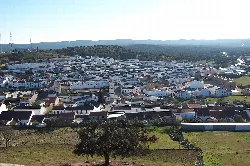
Panoramic view of El Real de la Jara from the Castle with houses and rural landscape.
El Real de la JaraSeville

What can I see from the panoramic viewpoint in El Real de la Jara?

From the panoramic viewpoint at El Castillo, you can enjoy stunning views of the entire municipality, showcasing the beautiful landscapes of the Sierra Norte de Sevilla. The vantage point offers a unique perspective of the town's white buildings and surrounding natural scenery, making it a perfect spot for photography and relaxation.

El Castillo For visitors ›

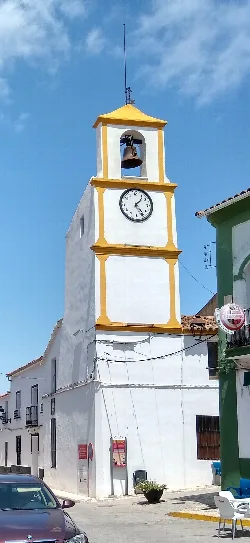
Clock tower with bell and clock in El Real de la Jara, Seville.
El Real de la JaraSeville

What is the Torre del Reloj in El Real de la Jara?

The Torre del Reloj is a notable clock tower in El Real de la Jara. Its distinctive architecture adds charm to the town, and it serves as a local landmark. Visitors often admire its design and the role it plays in the community, marking the passage of time in this quaint Andalusian village.

Torre del Reloj For visitors ›

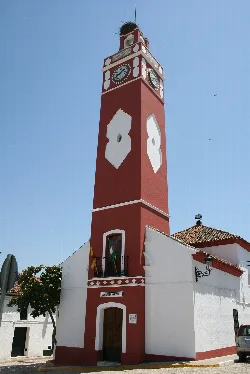
Red clock tower with clocks at the top in Almadén de la Plata.
Almadén de la PlataSeville

What can you tell me about the Torre del Reloj in Almadén de la Plata?

The Torre del Reloj is a notable landmark in Almadén de la Plata, built in 1905. This neo-Mudéjar style tower stands 27 meters tall and features a clock on two sides along with a bell. Originally part of a 15th-century hospital, it now serves as municipal offices and is a symbol of the town's heritage.

Torre del Reloj For visitors ›

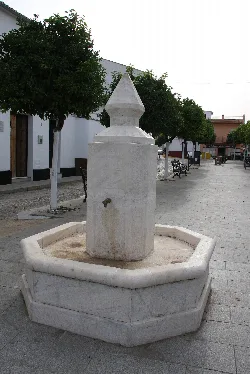
Stone fountain with a column shape in a square with trees and benches.
Almadén de la PlataSeville

What is the significance of the Fuente del Reloj?

The Fuente del Reloj, built in 1948, is one of the oldest fountains in Almadén de la Plata. It features a three-tiered design made of white marble and was renovated in 1994 to connect to the town's water supply. Historically, it provided water during dry seasons, making it a cherished local landmark.

Fuente del Reloj For visitors ›

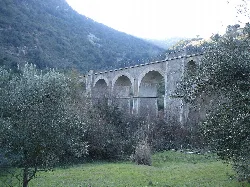
Stone viaduct with arches in a green, mountainous landscape.
CoripeSeville

What is the significance of the Viaducto en la Vía Verde de la Sierra de Cádiz?

The Viaducto en la Vía Verde de la Sierra de Cádiz is an important structure that showcases the historical railway project intended to connect Almargen with Jerez de la Frontera. Today, it serves as a scenic spot for visitors enjoying the Vía Verde, promoting eco-tourism in the area.

Viaducto en la Vía Verde de la Sierra de Cádiz For visitors ›

CoripeSeville

What is the main church in Coripe like?

The main church in Coripe is the Iglesia de San Pedro Apóstol, built in 1859. It features a simple exterior and a single nave with a rectangular layout. The church houses several important religious images, including a Crucified Christ and the Virgin of the Sorrows.

Iglesia de San Pedro Apóstol For visitors ›

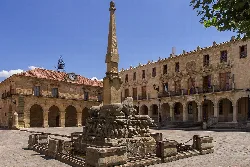
Fountain in Soria's Main Square with historic buildings.
SoriaSoria

What does the Plaza Mayor in Soria look like?

The Plaza Mayor is a central square in Soria, characterized by its Renaissance Ayuntamiento (Town Hall) built in the 16th century. The square is surrounded by beautiful architecture and is a hub for social and cultural activities, making it a popular spot for both locals and visitors.

Plaza Mayor For visitors ›

SoriaSoria

What is the significance of the Numantine Museum in Soria?

The Numantine Museum is significant as it houses archaeological pieces from the nearby Celtiberian city of Numantia. This museum provides insights into the region's ancient history and culture, highlighting the importance of Numantia in the historical narrative of Soria.

Numantine Museum For visitors ›

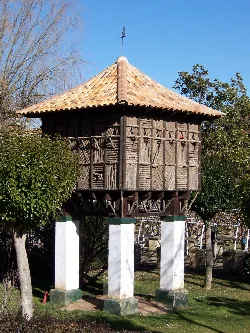
Wooden dovecote in a park with trees and blue sky.
SoriaSoria

What makes the Palomar in Parque Alameda de Cervantes special?

The Palomar, located in Parque Alameda de Cervantes, is a traditional dovecote that showcases Soria's architectural heritage. It is constructed with wooden elements and stands on pillars, making it a unique feature of the park and a point of interest for visitors.

Palomar For visitors ›

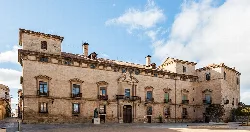
Stone palace facade with multiple windows and a central door in Almazán.
AlmazánSoria

What can you tell me about the Palacio de los Altamira in Almazán?

The Palacio de los Altamira, also known as the Palacio de los Hurtado de Mendoza, is a significant historical building in Almazán. It was declared a cultural heritage site on June 13, 1991. The palace showcases architectural styles that reflect the region's rich history and is a key landmark in the town, contributing to its cultural identity.

Palacio de los Altamira For visitors ›

AlmazánSoria

What are the main attractions in Almazán?

Almazán is home to several attractions, including the Iglesia de San Miguel, known for its stunning romanesque architecture, and the beautifully restored Plaza Mayor. The town also features a well-preserved medieval wall and the Palacio de los Altamira, making it a great destination for history enthusiasts.

For visitors ›

AlmazánSoria

What is the significance of the Iglesia de San Miguel in Almazán?

The Iglesia de San Miguel is a notable example of romanesque architecture in Almazán, featuring a unique cimborrio and an octagonal bell tower. Declared a national historical-artistic monument in 1931, it serves as a cultural landmark, reflecting the town's rich religious heritage.

Iglesia de San Miguel For visitors ›

El Burgo de Osma-Ciudad de OsmaSoria

What can you tell me about the Cathedral of Santa María de la Asunción?

The Cathedral of Santa María de la Asunción in El Burgo de Osma was built over a previous Romanesque structure. It features a chapter house and contains a beato from 1086, which includes a map of the spiritual geography of the time. It was declared a cultural heritage monument on June 3, 1931.

Catedral de Santa María de la Asunción For visitors ›

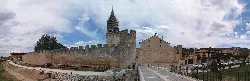
Walls and cathedral tower in El Burgo de Osma with cloudy sky.
El Burgo de Osma-Ciudad de OsmaSoria

What is the significance of the Plaza Mayor in El Burgo de Osma?

The Plaza Mayor is the central hub of El Burgo de Osma, showcasing one of the best examples of a Castilian square. It is flanked by the Hospital de San Agustín and the neomudéjar Ayuntamiento, making it a focal point for social and festive activities in the town.

Plaza Mayor For visitors ›

Round stone tower on open landscape with blue sky.
El Burgo de Osma-Ciudad de OsmaSoria

What are the main features of the Universidad de Santa Catalina?

The Universidad de Santa Catalina, built in 1550, is an important example of Plateresque architecture. It features a grand central patio with arcades and a notable staircase. Today, it serves as a hotel complex, preserving its historical significance.

Universidad de Santa Catalina For visitors ›

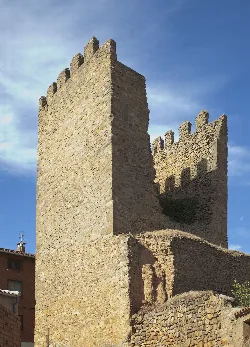
Stone tower with battlements in Ágreda, Soria.
ÁgredaSoria

What can you tell me about the Torre del Rollo in Ágreda?

The Torre del Rollo is a notable historical landmark in Ágreda, characterized by its robust stone structure. It served as a defensive tower during the Middle Ages, reflecting the town's strategic importance as a border location between the kingdoms of Castile and Aragon. Today, it stands as a testament to the town's rich history and architectural heritage.

Torre del Rollo For visitors ›

ÁgredaSoria

What are the main religious sites in Ágreda?

Ágreda is home to several important religious sites, including the Iglesia de San Miguel, a Gothic church from the 15th century, and the Basilica of Nuestra Señora de los Milagros, dating back to the 16th century. Additionally, the Convento de la Concepción is notable for being founded by the influential figure María de Jesús de Ágreda.

For visitors ›

ÁgredaSoria

What are the notable architectural features of Ágreda?

Ágreda boasts a rich architectural heritage, including medieval structures like the Torre del Rollo and various churches such as the Iglesia de la Peña, which features Romanesque elements. The town's historical center is recognized as a cultural asset, showcasing a blend of styles from different periods, particularly from the Middle Ages.

For visitors ›

VinuesaSoria

What are the main attractions in Vinuesa?

Vinuesa is known for its stunning natural landscapes and historical sites. Key attractions include the Church of Nuestra Señora del Pino, the Roman bridge, and the beautiful Laguna Negra. The town is also part of the association Los Pueblos más Bonitos de España, highlighting its picturesque charm and scenic surroundings.

For visitors ›

VinuesaSoria

What can you tell me about the Church of Nuestra Señora del Pino?

The Church of Nuestra Señora del Pino is Vinuesa's most significant monument, built in a Gothic-Renaissance style starting in 1591. Its interior features impressive 18th-century Rococo altarpieces and a 17th-century Baroque main altarpiece, showcasing the town's rich architectural heritage.

Church of Nuestra Señora del Pino For visitors ›

Berlanga de DueroSoria

What are the main attractions to see in Berlanga de Duero?

Berlanga de Duero boasts several attractions, including the impressive Colegiata de Santa María del Mercado, a stunning example of Gothic-Renaissance architecture. The castle, built in the 15th century, offers historical insights and scenic views. Visitors can also explore the Palacio de los Marqueses de Berlanga and the picturesque Ermita de Nuestra Señora de la Soledad, each showcasing the town's rich heritage.

For visitors ›

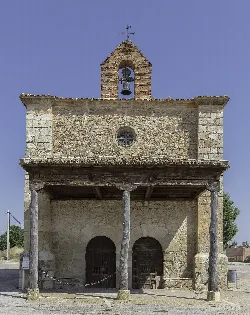
Small stone church with bell tower and wooden columns in Berlanga de Duero.
Berlanga de DueroSoria

What can you tell me about the Ermita de Nuestra Señora de la Soledad?

The Ermita de Nuestra Señora de la Soledad is a typical humilladero chapel located at the town's edge. It features a square layout and is believed to have been built in the mid-16th century. The chapel is notable for its architectural style and serves as a historical landmark, reflecting the spiritual heritage of Berlanga de Duero.

Ermita de Nuestra Señora de la Soledad For visitors ›

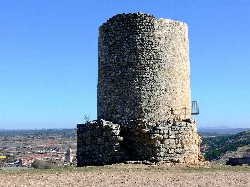
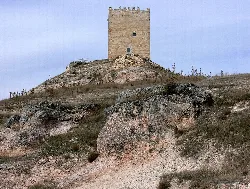
Stone tower on a hill with arid landscape.
Langa de DueroSoria

What is the significance of the Torre del Castillo in Langa de Duero?

The Torre del Castillo, a fortified tower, is a key historical landmark in Langa de Duero. Built in the 15th century, it served as a defensive structure during conflicts between Muslims and Christians. It highlights the town's strategic importance and offers visitors a glimpse into its medieval past.

Torre del Castillo For visitors ›