Sights

53 questions

Navalvillar de PelaBadajoz

What is the significance of the Ermita de San Antón?

The Ermita de San Antón, originally the main church, dates back to the 18th century. It has been repurposed as a chapel dedicated to San Antón Abad, featuring beautiful neoclassical paintings and two retablos. It reflects the town's religious heritage and community devotion.
Ermita de San Antón For residents ›

Navalvillar de PelaBadajoz

What is the main church in Navalvillar de Pela?

The main church in Navalvillar de Pela is the Iglesia parroquial de Santa Catalina de Alejandría, completed in 1986. It features a large nave with no interior pillars and is designed to accommodate the community's religious activities, showcasing modern architecture and local involvement in its construction.

Iglesia parroquial de Santa Catalina de Alejandría For residents ›

Valencia del MombueyBadajoz

What is the significance of the Casa Palacio del Marqués de Valdeterrazo?

The Casa Palacio del Marqués de Valdeterrazo is the most notable civil building in Valencia del Mombuey. It is the birthplace of Antonio González y González and now serves as the Casa de la Cultura, housing a library, a senior center, and exhibition spaces, reflecting the town's cultural heritage.

Casa Palacio del Marqués de Valdeterrazo For residents ›

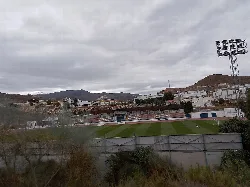
Stadium with football field and athletics tracks in Macael.
MacaelAlmería

What can I do at the Ciudad Deportiva de Macael?

The Ciudad Deportiva de Macael offers various sports facilities, including a natural grass football field and athletics tracks. Additionally, there are courts for tennis, volleyball, futsal, and basketball, making it a hub for sports activities in the town.

Ciudad Deportiva de Macael For residents ›

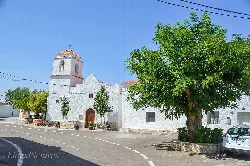
Village square with white church and large tree in Benitagla.
BenitaglaAlmería

What does the plaza in Benitagla offer?

The plaza in Benitagla serves as a community gathering place, featuring a panoramic viewpoint over the surrounding landscape. It's a popular spot for locals to meet and enjoy the scenic views of the area, including the nearby Santuario de Monteagud.

Plaza del pueblo For residents ›

Olula del RíoAlmería

What is the significance of the Piedra Ver in Olula del Río?

The Piedra Ver is a prominent vertical mountain that symbolizes Olula del Río and is featured in the town's coat of arms. It stands as a natural landmark within the municipality, contributing to the local identity and offering scenic views of the surrounding landscape.

For residents ›

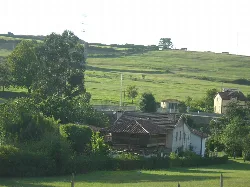
Houses and trees in a rural landscape in Corvera de Asturias.
Corvera de AsturiasAsturias

What is the significance of El Molín in Corvera?

El Molín is one of the neighborhoods in the parish of Molleda, known for its picturesque rural setting. It represents the traditional lifestyle of the region, with its charming architecture and natural surroundings, making it a tranquil spot for residents and visitors alike.

El Molín For residents ›

SomiedoAsturias

What are the traditional building styles in Somiedo?

Traditional buildings in Somiedo often feature thick stone walls and roofs made of escoba, a local plant. The architecture reflects the region's agricultural heritage, with houses typically serving as both living spaces and livestock shelters. This unique design is adapted to the local climate and landscape, showcasing the area's cultural identity.

For residents ›

AlfafaraAlicante

What is the significance of the Fuente de Dos Chorros?

The Fuente de Dos Chorros is a symbol of identity for Alfafara, located in the urban center. This fountain is not only a historical landmark but also a gathering place for locals, enhancing the community's cultural identity.

Fuente de Dos Chorros For residents ›

CrevillentAlicante

What are the notable architectural styles in Crevillent?

Crevillent showcases a mix of architectural styles, including its historic casco antiguo with Islamic influences, traditional casas-cueva, and modern buildings. Notable structures include the Iglesia de Nuestra Señora de Belén, which features elements from the 18th century, and the Casa de Cultura, reflecting the town's cultural evolution.

For residents ›

CastallaAlicante

What is the significance of the Casa consistorial in Castalla?

The Casa consistorial, built in the mid-17th century, showcases Renaissance Valencian architecture. It originally served as a market and now houses local administration. Inside, you can find paintings depicting traditional life in Castalla, including scenes from the 'Batalla de Castalla.'

Casa consistorial For residents ›

CocentainaAlicante

What is the significance of the Casa-Museo del Comtat?

The Casa-Museo del Comtat serves as a cultural center dedicated to the history and heritage of Cocentaina and the surrounding region. It offers exhibitions and educational programs that highlight local traditions, arts, and crafts, making it an important site for both residents and visitors interested in the area's cultural identity.

Casa-Museo del Comtat For residents ›

CatralAlicante

What can I find at the Casa de Cultura in Catral?

The Casa de Cultura José María García Bernabé is a key cultural venue in Catral, offering a variety of activities such as music, theater, and workshops. It serves as a hub for community events and cultural programming, enriching the local cultural landscape.

For residents ›

Santa Perpètua de MogodaBarcelona

What is the Granja Soldevila and what can I find there?

Granja Soldevila is a cultural hub in Santa Perpètua, originally a family residence and later a dairy farm. Today, it houses the local radio station, the municipal music and dance school, and the Josep Jardí Library, making it a vibrant center for community activities and cultural events.

Granja Soldevila For residents ›

Gumiel de IzánBurgos

What is the architecture like in Gumiel de Izán?

The architecture in Gumiel de Izán features a mix of historical styles, including popular local designs. The town is recognized as a historical-artistic site, showcasing stone ground floors and adobe upper levels. Many buildings have been preserved, reflecting the area's cultural heritage.

For residents ›

CastellnovoCastellón

What is the significance of the Olmo tree in Castellnovo?

The Olmo tree, planted in 1812, is a symbol of Castellnovo, located in the plaza named after it. It was planted to commemorate the Constitution of Cádiz. Despite suffering from a fire and later dying from grafiosis, efforts were made to preserve its legacy, including planting a new Olmo in its place in 2016. The plaza is now a popular gathering spot for community events.

Olmo For residents ›

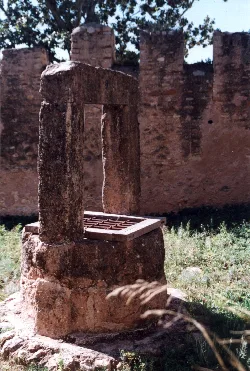
Ancient stone cistern with stone wall and vegetation in the background
CastellnovoCastellón

What is the significance of the cistern in Castellnovo?

The cistern in Castellnovo, of Muslim origin, is a significant historical structure featuring a subterranean chamber accessed by a large staircase. It has a capacity of 200,000 liters and is well-preserved. This cistern, along with the nearby wall remnants, highlights the town's historical importance and water management practices during its earlier periods.

Cisterna For residents ›

JéricaCastellón

What is the main square in Jérica like?

The main square in Jérica, known as Plaza del Olmo, is an ample, irregular polygon where the weekly market and annual fair are held. It serves as a vibrant social hub for locals and visitors alike, surrounded by shops and cafes.

For residents ›

Torre de Don MiguelCáceres

What are the main architectural features of Torre de Don Miguel?

Torre de Don Miguel showcases a blend of architectural styles, with notable features including traditional houses with balconies, stone carvings, and narrow, winding streets that reflect its Islamic and Jewish heritage. The town's well-preserved urban layout adds to its historical charm.

For residents ›

El Puerto de Santa MaríaCádiz

Is there a good mix of historical and modern architecture in El Puerto de Santa María?

Yes, El Puerto de Santa María features a fascinating blend of historical and modern architecture. The city is known for its palatial homes from the 17th and 18th centuries, alongside contemporary buildings. This mix reflects the city’s rich history and ongoing development, offering a unique visual experience for residents and visitors.

For residents ›

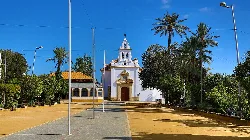
Path with palm trees and a white church in the center in Posadas.
PosadasCórdoba

What is the Paseo Pedro Vargas like?

The Paseo Pedro Vargas is recognized as a singular garden and has historical significance dating back to 1856. It serves as a communal space adorned with colorful lights and paper lanterns during local festivities. The area is popular for gatherings and events, making it a vibrant part of community life in Posadas.

Paseo Pedro Vargas For residents ›

ValsequilloCórdoba

What are the main architectural features of the town?

Valsequillo features a mix of architectural styles, prominently including the neoclassical Iglesia de la Inmaculada Concepción and the Ayuntamiento built in the late 1940s. The town's layout reflects post-war reconstruction efforts, with regular lines and a central plaza that serves as a focal point.

For residents ›

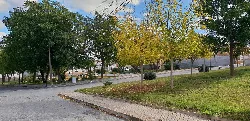
Trees and paths in Láchar park in Granada, Spain.
LácharGranada

What is the significance of the Parque al-Áchar?

Parque al-Áchar is a central green space in Láchar, located at the intersection of Calle Manuel de Falla and Calle Pintor Sorolla. It serves as a recreational area for residents and visitors, providing a place for leisure activities and community events, enhancing the quality of life in the municipality.

Parque al-Áchar For residents ›

Anquela del DucadoGuadalajara

What are the main features of the traditional frontón in Anquela del Ducado?

The traditional frontón in Anquela del Ducado is an essential part of the local culture, reflecting the community's passion for the sport. It is located in the town plaza, where various events, games, and celebrations are held, making it a vibrant social hub for residents.

For residents ›