Sights

3,246 questions

La RàpitaTarragona

What is La Ràpita known for?

La Ràpita, officially known as San Carlos de la Rápita, is known for its beautiful beaches, rich history, and as a significant fishing port. The area features the Puerto de los Alfaques and is part of the Delta del Ebro Natural Park, attracting both tourists and locals for its natural beauty and recreational opportunities.
For visitors ›

La RàpitaTarragona

What is the Glorieta in La Ràpita?

The Glorieta in La Ràpita is an unfinished neoclassical structure originally designed as a lookout point towards the sea. It features a rotonda with three brick arches framed by columns, although it is now surrounded by taller buildings, diminishing its panoramic purpose.

Glorieta For visitors ›

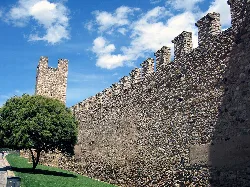
Stone wall with tower and battlements in Montblanc, Tarragona.
MontblancTarragona

What can I see at the Muralla de Montblanc?

The Muralla de Montblanc is a historic wall that once fortified the town, featuring 31 towers and 5 gates. It showcases medieval architecture and offers a glimpse into the town's past, making it a significant landmark for visitors interested in history.

Muralla de Montblanc For visitors ›

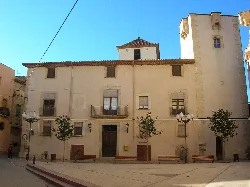
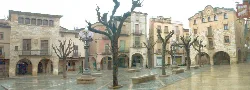
Square with trees, benches, and old buildings in Montblanc.
MontblancTarragona

What is the significance of the Plaça Major in Montblanc?

Plaça Major is the main square in Montblanc, serving as a central hub for social activities and events. It features historical architecture and is a great place to experience the local culture, making it a must-visit for anyone exploring the town.

Plaça Major For visitors ›

MontblancTarragona

What are the main historical sites in Montblanc?

Montblanc boasts several historical sites, including the Muralla, the church of Santa María la Mayor, and the Palacio Real. The town's medieval architecture and its status as a historic-artistic ensemble make it a fascinating place for history enthusiasts.

For visitors ›

L'Ametlla de MarTarragona

What is the significance of the castle in L'Ametlla de Mar?

The Castle of San Jordi, located near Playa San Jordi, is a historical fortification from the 18th century. It serves as a reminder of the town's defensive past and is a focal point for local festivities, including sports and gastronomic events.

Castle of San Jordi For visitors ›

Móra d'EbreTarragona

What are the main attractions to see in Móra d'Ebre?

Key attractions in Móra d'Ebre include the medieval castle, the Aubadera natural area, and the historic center featuring notable buildings like the convent of las Mínimas. Visitors can also explore the underground medieval galleries and the scenic views along the Ebro River.

For visitors ›

AlcoverTarragona

What are the main attractions in Alcover?

Alcover features a compact historic centre with remnants of medieval walls, the Portal de la Saura, and the Renaissance town hall. Notable sites include the Church of the Assumption, the former Convent of Santa Anna, and the Museu d'Alcover, which showcases archaeological and palaeontological collections. The medieval bridge over the Glorieta is also a highlight.

For visitors ›

AlcoverTarragona

What is the significance of the Museu d'Alcover?

The Museu d'Alcover is significant for its extensive collections, including around 12,000 objects and over 2,000 fossils from the Alcover-Mont-ral Triassic site. It plays a crucial role in showcasing the archaeological and palaeontological heritage of the region, interpreting both historical life in Alcover and its rich fossil record.

For visitors ›

Stone gate with tower and arch in Alcover walls.
AlcoverTarragona

What are the medieval walls of Alcover like?

The medieval walls of Alcover are a prominent feature of the town's historic centre. Constructed between 1316 and 1360, they include surviving gates and towers that reflect the town's fortified past. The walls are an important part of Alcover's architectural heritage, showcasing its historical significance during the Middle Ages.

For visitors ›

AlcoverTarragona

What are some notable buildings in Alcover?

Notable buildings in Alcover include the medieval Church of the Assumption, the former Convent of Santa Anna, and the Renaissance town hall. The historic centre also features several Renaissance-era houses, such as Ca Cosme, and the fortified Mas Mont-ravà, showcasing the town's architectural diversity and historical significance.

For visitors ›

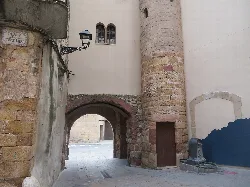
Stone gate with tower and arch in Alcover walls.
AlcoverTarragona

What is the Portal de la Saura?

The Portal de la Saura is one of the best-preserved entrances of Alcover's medieval walls. It serves as a historical landmark, reflecting the town's fortified architecture from the Middle Ages. The portal is a popular spot for visitors interested in the town's rich history and architectural heritage.

Portal de la Saura For visitors ›

AlcoverTarragona

What is the significance of the Church of the Assumption in Alcover?

The Church of the Assumption is a significant landmark in Alcover, showcasing Renaissance architecture. It reflects the town's historical and cultural heritage, having been constructed during a prosperous period in the late 16th to early 17th centuries. The church remains an important site for local religious practices and community events.

Church of the Assumption For visitors ›

Town hall building in Vinyols i els Arcs with stone facade and barred windows.
Vinyols i els ArcsTarragona

What can you tell me about the Town Hall of Vinyols i els Arcs?

The Town Hall, located in the former Casa Torrell, is a 16th-century building featuring a defensive tower constructed in 1560. This tower served as a prison during the Civil War, making the Town Hall a site of historical significance in the village.

Town Hall For visitors ›

Vinyols i els ArcsTarragona

Are there any notable landmarks near Vinyols i els Arcs?

Yes, the remnants of the castle and ancient settlement of Archs are notable landmarks. Recent excavations have uncovered their foundations, revealing the historical significance of this area along the ancient Roman road, the Via Augusta.

Castle and ancient settlement of Archs For visitors ›

BateaTarragona

What are the main historical sites in Batea?

Batea boasts several historical sites, including the medieval architecture in its old town, the remnants of the castle of Algars, and archaeological sites from the Iberian and Roman periods. These sites reflect the town's rich history and cultural influences over the centuries, making it an interesting place for history enthusiasts.

For visitors ›

Church with bell tower in Sarral, Tarragona.
SarralTarragona

What can you tell me about the Esglèsia de Santa Maria in Sarral?

The Esglèsia de Santa Maria is a notable church in Sarral, built on the site of an earlier Romanesque church that was destroyed in 1464. It features Gothic architectural elements and has undergone several reconstructions over the years due to damage during conflicts, including the War of the Segadors. Today, it retains a Gothic portal and is recognized as a cultural heritage site.

Esglèsia de Santa Maria For visitors ›

SarralTarragona

What is the significance of the Ermita dels Sants Metges?

The Ermita dels Sants Metges, located about a kilometer from Sarral's center, is dedicated to Saints Cosmas and Damian. Originally built in the 15th century, it has been restored multiple times, especially after being damaged during the Civil War. The modern structure features a striking stained glass facade designed by Josep Grau-Garriga, making it a notable landmark.

Ermita dels Sants Metges For visitors ›

SarralTarragona

What is the Calle de los Judíos in Sarral?

The Calle de los Judíos is one of the narrowest streets in Spain, measuring just 62 cm across. Located near the town hall, it features charming arches and connects the church square to the main street. This historic street reflects the town's modest Jewish heritage, which was a part of Sarral's past.

Calle de los Judíos For visitors ›

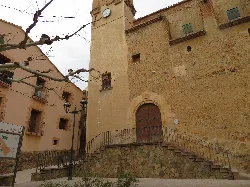
Church of Saint Lawrence Martyr in Botarell, Tarragona, with stairs and stone wall.
BotarellTarragona

What can you tell me about the church in Botarell?

The church in Botarell is dedicated to San Lorenzo and showcases Renaissance architecture. Built between 1617 and 1622, it features a single nave and a rectangular bell tower topped with an octagonal section. Unfortunately, none of its original altarpieces remain due to destruction during the Spanish Civil War in 1936.

Iglesia de San Lorenzo Mártir For visitors ›

BotarellTarragona

Are there any notable historical landmarks in Botarell?

Yes, Botarell features several historical landmarks, including the remains of its castle, which date back to the 16th century, and the Torre del Calvario, a watchtower. Additionally, the Pedrafita serves as a prehistoric monument, marking the area's ancient history and significance.

For visitors ›

QuerolTarragona

What is the significance of the church of Santa María in Querol?

The church of Santa María is a medieval structure located at the highest point of Querol. Its architecture reflects various modifications over time, featuring a single nave and a polygonal apse. The church is notable for its pointed arches and lateral chapels, making it a key historical and cultural landmark in the town.

Iglesia de Santa María For visitors ›

QuerolTarragona

What are some historical landmarks in Querol?

In addition to the Castell de Querol, other historical landmarks include the churches of Santa María and San Jaime, as well as the remains of the castles of Pinyana and Saburella. Each site reflects the rich history of the area and its significance in medieval times.

For visitors ›

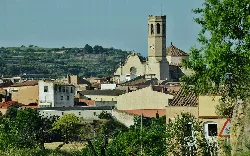
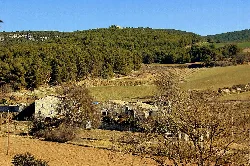
Rural buildings in a landscape of hills and trees in Querol.
QuerolTarragona

What is El Molinet de Valldossera?

El Molinet de Valldossera is a notable building in Querol, recognized as a Local Cultural Heritage site. It reflects the agricultural history of the region and is part of the local cultural landscape, showcasing traditional architecture and historical significance.

El Molinet de Valldossera For visitors ›