Sights

3,246 questions

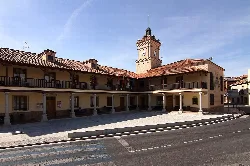
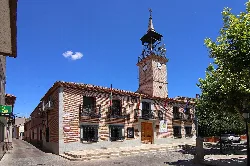
Town hall building with tower and balcony in Camarena, Toledo.
CamarenaToledo

What is the Ayuntamiento de Camarena?

The Ayuntamiento de Camarena is the town hall of Camarena, built between the 16th and 17th centuries. It features an 'L' shaped layout with two floors and a main facade that includes a gallery of arches. This building is a significant historical landmark in the municipality, reflecting its architectural heritage and administrative importance.
Ayuntamiento de Camarena For visitors ›

Town hall building with tower and clock in Calera y Chozas.
Calera y ChozasToledo

What is the Ayuntamiento de Calera y Chozas?

The Ayuntamiento de Calera y Chozas is the town hall of the municipality, serving as the administrative center for local governance. It reflects the architectural style of the region and is an important landmark for residents and visitors alike. The building is often a focal point for community events and activities, showcasing the town's heritage and civic pride.

Ayuntamiento de Calera y Chozas For visitors ›

Sports facilities with palms and trees in Calera y Chozas.
Calera y ChozasToledo

What can you tell me about the Polideportivo municipal?

The Polideportivo municipal in Calera y Chozas is a sports complex that offers various facilities for recreational activities and sports events. It serves as a hub for local sports clubs and community gatherings, promoting physical fitness and social interaction among residents. The facility is designed to accommodate a range of sports and activities for all ages.

Polideportivo municipal For visitors ›

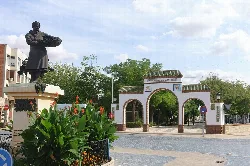
Entrance with arch and grape harvester monument in Miguel Esteban.
Miguel EstebanToledo

What is the significance of the monument at Parque Nuestra Señora del Socorro?

The monument at Parque Nuestra Señora del Socorro honors the contributions of women in agriculture, specifically depicting the 'Mujer Vendimiadora' or Wine Harvesting Woman. This statue, created by the Toledo sculptor Martín de Vidales, symbolizes the hard work and dedication of women in the local agricultural community, reflecting the town's cultural heritage.

Parque Nuestra Señora del Socorro For visitors ›

Miguel EstebanToledo

What is the Parque de la Noria known for?

Parque de la Noria is notable for its historical significance, featuring an old water wheel that recalls traditional irrigation methods used in the area. The park also includes a playground and green spaces, making it a pleasant spot for families and visitors to relax and enjoy nature.

Parque de la Noria For visitors ›

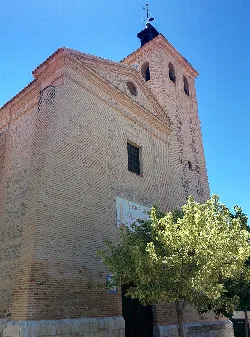
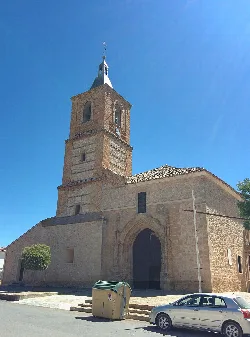
Brick church with tower and tree in Alameda de la Sagra.
Alameda de la SagraToledo

What can you tell me about the Iglesia de Nuestra Señora de la Asunción?

The Iglesia de Nuestra Señora de la Asunción, founded in 1490, is a significant landmark in Alameda de la Sagra. It reflects the town's historical roots and architectural style. The church is a central part of local culture and community events, particularly during religious celebrations.

Iglesia de Nuestra Señora de la Asunción For visitors ›

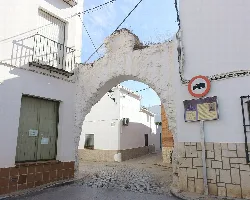
Town gate in Santa Cruz de la Zarza, with remains of an old structure and traffic sign.
Santa Cruz de la ZarzaToledo

What is the significance of the Arco de la Villa in Santa Cruz de la Zarza?

The Arco de la Villa is a notable landmark in Santa Cruz de la Zarza, representing the town's historical architecture. It serves as a reminder of the town's past and its significance as a defensive structure. This archway is part of the town's charm and is often photographed by visitors interested in its cultural heritage.

Arco de la Villa For visitors ›

Santa Cruz de la ZarzaToledo

What can you tell me about the Iglesia de Santiago Apóstol?

The Iglesia de Santiago Apóstol is a significant historical church in Santa Cruz de la Zarza, originally built around 1180. It features a Latin cross layout with three naves and a notable Capilla Mayor added in the late 16th century. The church houses important artworks, including the Asunción de Nuestra Señora by Alonso del Arco, making it a cultural highlight of the town.

Iglesia de Santiago Apóstol For visitors ›

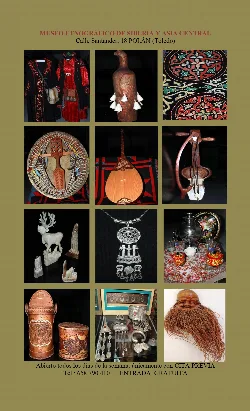
Display of textiles, instruments, and wooden figures in the ethnographic museum.
PolánToledo

Can you tell me about the Museo Etnográfico de Siberia y Asia Central?

The Museo Etnográfico de Siberia y Asia Central in Polán features a collection that showcases the cultural heritage of Siberia and Central Asia. Visitors can explore various artifacts and exhibits, but prior appointment is necessary to access the museum.

Museo Etnográfico de Siberia y Asia Central For visitors ›

PolánToledo

What kind of architecture can I see in Polán?

Polán features a mix of architectural styles, including traditional Toledan structures and more modern buildings. Notable examples include the Casa de los Dorado and Casa de los Corcuera, showcasing 19th-century designs with distinct façades and decorative elements.

For visitors ›

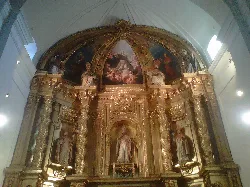
Baroque altarpiece with sculptures and paintings in San Julián church
Santa OlallaToledo

What can you tell me about the Iglesia de San Julián?

The Iglesia de San Julián was founded in the early 16th century by Alvar Pérez de Guzmán Suárez de Mendoza, the first count of Orgaz. It underwent expansions and renovations by his descendant, Juan Hurtado de Mendoza Guzmán y Rojas. The church features impressive Baroque decorations from the 17th century, crafted by notable artists like Luis Tristán and Juan Carreño de Miranda.

Iglesia de San Julián For visitors ›

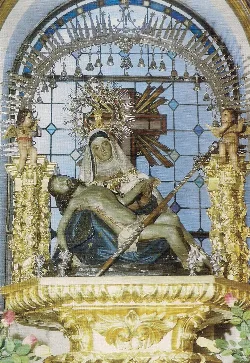
Statue of the Virgin of Piety with Jesus, surrounded by golden angels and a stained glass window in the background.
Santa OlallaToledo

What is the Virgen de la Piedad and where can I find it?

The Virgen de la Piedad is the patron saint of Santa Olalla, housed in the Iglesia de San Pedro Apóstol. This image dates back to the 11th century and has undergone several modifications throughout history. It is a significant religious figure for the local community and is celebrated during various festivities.

Virgen de la Piedad For visitors ›

Santa OlallaToledo

What is the Casa de Cultura?

The Casa de Cultura, inaugurated in 2007, is a modern facility located near the Ayuntamiento. It houses a theater auditorium with seating for about 500 people and showcases local history and culture through a small museum featuring visigothic stones and ethnographic artifacts.

Casa de Cultura For visitors ›

Santa OlallaToledo

What is the Plaza de los Reyes de España known for?

The Plaza de los Reyes de España is a central square in Santa Olalla, inaugurated by King Juan Carlos I and Queen Sofía. It features Talavera ceramics and bronze busts of notable locals, such as Teodoro Sacristán and Gregorio Sánchez, making it a cultural and historical landmark in the town.

Plaza de los Reyes de España For visitors ›

Church with brick tower and bell tower in La Villa de Don Fadrique.
La Villa de Don FadriqueToledo

What can you tell me about the Iglesia de Nuestra Señora de la Asunción?

The Iglesia de Nuestra Señora de la Asunción is a notable church in La Villa de Don Fadrique, constructed in a classic style. Its original structure dates back to the early 16th century, with significant renovations over the years. The church features a late Gothic western facade and a baptismal font from 1548, showcasing its historical and architectural significance.

Iglesia de Nuestra Señora de la Asunción For visitors ›

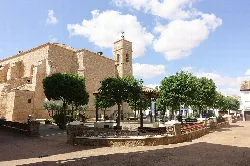
Church of Santiago Apóstol and square with trees in Villanueva de Alcardete
Villanueva de AlcardeteToledo

What can you tell me about the Iglesia de Santiago Apóstol in Villanueva de Alcardete?

The Iglesia de Santiago Apóstol, constructed in the 16th century, showcases a blend of architectural styles, including Gothic and Romanesque. Funded largely by Fernando de Santoyo, its notable features include grand columns, a wooden altar influenced by the Renaissance, and a beautiful Gothic statue of the Virgin of Piedad from the 14th century.

Iglesia de Santiago Apóstol For visitors ›

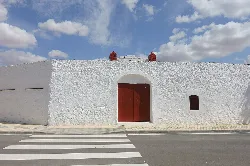
White facade with wooden door and arch at the bullring.
Villanueva de AlcardeteToledo

What is the Plaza de Toros like in Villanueva de Alcardete?

Constructed in 1955, the Plaza de Toros is a community project built through local contributions. It was inaugurated on April 23, 1956, and serves as a venue for various events, including bullfighting and local festivities, reflecting the town's cultural traditions.

Plaza de Toros For visitors ›

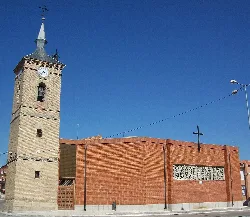
Church of John the Baptist with tower and clock in Cobeja.
CobejaToledo

What is the Church of John the Baptist like?

The Church of John the Baptist in Cobeja features a mudéjar-style tower built in 1788, made of brick and adorned with a slate cap. The original church structure was demolished in 1974 due to its poor condition, but a modern building now stands in its place, showcasing beautiful stained glass windows depicting religious scenes.

Church of John the Baptist For visitors ›

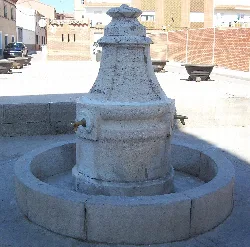
Stone fountain with inscription and two spouts in Cobeja.
CobejaToledo

What can you tell me about the Fuente de Agua in Cobeja?

The Fuente de Agua in Cobeja dates back to 1702 and features an inscription mentioning its construction during the reign of Carlos III. It has four stone spouts that channel water from a natural underground spring, and it is surrounded by a circular basin, making it a notable historical landmark in the village.

Fuente de Agua For visitors ›

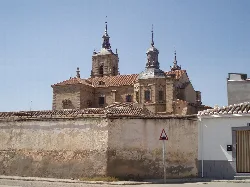
Main church of Orgaz with towers and domes in Toledo
OrgazToledo

What is the main church in Orgaz?

The main church in Orgaz is the Iglesia de Santo Tomás Apóstol, designed by Alberto Churriguera in the mid-18th century. This church showcases beautiful architecture and is a significant landmark in the town, reflecting its historical and cultural heritage. It serves as a central place for community gatherings and religious ceremonies.

Iglesia de Santo Tomás Apóstol For visitors ›

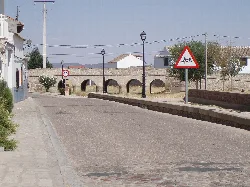
Stone bridge with arches and lampposts in Orgaz, Toledo.
OrgazToledo

Can you tell me about the Puente de Orgaz?

The Puente de Orgaz is a notable bridge in the town, constructed to facilitate local transport. Its design features multiple arches and is built from local stone, showcasing the traditional architecture of the region. This bridge is not only functional but also adds to the scenic beauty of Orgaz.

Puente de Orgaz For visitors ›

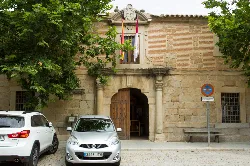
Stone building with columns and a balcony with flags in Orgaz.
OrgazToledo

What is the Pósito Municipal in Orgaz?

The Pósito Municipal in Orgaz is a historical building that served as a grain storage facility. It reflects the agricultural heritage of the town and its importance in the local economy. The building has been preserved and is a point of interest for those exploring Orgaz's history.

Pósito Municipal For visitors ›

OrgazToledo

What can you tell me about the Ermita del Socorro?

The Ermita del Socorro is a small chapel dedicated to the Virgen de Socorro, the patron saint of Orgaz. Located to the north of the town, this chapel is a place of devotion and community gatherings, adding to the spiritual landscape of Orgaz.

Ermita del Socorro For visitors ›

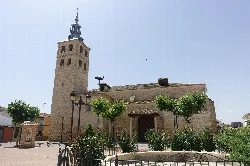
San Martín Obispo Church in Lillo with tower and stone facade.
LilloToledo

What is the Iglesia de San Martín Obispo like?

The Iglesia de San Martín Obispo is a Gothic-style church primarily built in the late 15th century. Located in the plaza de España, it features three equally tall naves separated by pillars, a pentagonal altar, and a square-based bell tower. The church has undergone several renovations, with notable work done in 1609, 1834, and 1993, and was declared a cultural heritage site in 1991.

Iglesia de San Martín Obispo For visitors ›