Sights

3,246 questions

Fountain in the Plaza de España with trees and white buildings.
Herrera del DuqueBadajoz

What is the Plaza de España like?

Plaza de España is a central gathering place in Herrera del Duque, featuring a charming fountain and surrounded by historical buildings. It's a great spot to relax, enjoy local cuisine, or engage with the community. The plaza often serves as a venue for local events and festivities, making it a lively area.
Plaza de España For visitors ›

Herrera del DuqueBadajoz

What historical sites should I visit in Herrera del Duque?

Visitors should explore the archaeological sites like the caves of La Panda and the castle-fortress, which reflect the town's rich history. The Church of San Juan Bautista and the Convent of San Francisco are also notable landmarks that showcase the architectural heritage of the area.

For visitors ›

Statue of a boy with a hat and book in a square in San Vicente de Alcántara.
San Vicente de AlcántaraBadajoz

What can I see at the Monumento al Corchero?

The Monumento al Corchero is a tribute to the cork industry, which is vital to San Vicente de Alcántara's economy. The sculpture represents the workers of this sector and highlights the town's historical connection to cork production. It's a significant cultural landmark that celebrates local craftsmanship and the community's heritage.

Monumento al Corchero For visitors ›

San Vicente de AlcántaraBadajoz

Are there any historical sites to visit in San Vicente de Alcántara?

Yes, San Vicente de Alcántara is home to several historical sites, including megalithic dolmens and the Castillo de Mayorga. These sites reflect the area's rich history, showcasing its prehistoric and medieval heritage. Exploring these landmarks offers a glimpse into the past of this fascinating municipality.

For visitors ›

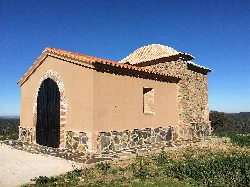
Small chapel with stone walls, iron door, and dome in Valencia del Mombuey.
Valencia del MombueyBadajoz

What can you tell me about the Ermita de Santa Bárbara?

The Ermita de Santa Bárbara, built in the 18th century, is situated on a hill near the arroyo Godolid. Though modest in size, it is beautifully integrated into the surrounding landscape. In 2014, improvements were made to enhance the area, including the addition of picnic spots and a protective perimeter to manage access.

Ermita de Santa Bárbara For visitors ›

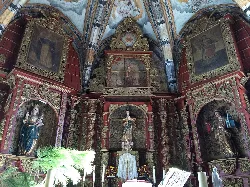
Baroque altarpiece with religious figures in Valencia del Mombuey church.
Valencia del MombueyBadajoz

What is the Retablo Mayor in the church like?

The Retablo Mayor, located in the Iglesia Parroquial de la Inmaculada Concepción, showcases exquisite Baroque craftsmanship. It features intricate carvings and decorative elements that highlight the artistic style of its time. This retablo is a significant part of the church's interior, enhancing its historical and cultural value.

Retablo Mayor For visitors ›

AblaAlmería

What are the main attractions in Abla?

Abla is known for its rich history and cultural heritage. Key attractions include the Roman Mausoleum, the Church of the Annunciation, and the archaeological site at Peñón de Las Juntas. Additionally, the town hosts various cultural events, including the patronal festivals in April and the Micológicas Days celebrating local mushrooms.

For visitors ›

Vélez-BlancoAlmería

What can you tell me about the Cueva de los Letreros?

The Cueva de los Letreros is one of the most important painted shelters in southern Spain, featuring Neolithic rock art. It contains significant figures, including the 'Hechicero de Los Letreros.' The cave was declared a National Historic Monument in 1924 and is part of UNESCO's World Heritage list for its prehistoric art.

Cueva de los Letreros For visitors ›

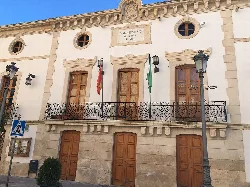
Building with a balcony and flags in Vélez-Blanco.
Vélez-BlancoAlmería

What is the architectural style of the Ayuntamiento de Vélez-Blanco?

The Ayuntamiento de Vélez-Blanco features a blend of traditional and neoclassical architectural styles, characterized by its elegant facade, decorative ironwork, and prominent use of local materials. This building reflects the town's historical and cultural identity.

Ayuntamiento de Vélez-Blanco For visitors ›

Alhama de AlmeríaAlmería

What are the main attractions in Alhama de Almería?

Alhama de Almería features several notable attractions, including the historic Balneario de San Nicolás, known for its thermal waters, and the impressive Puente de los Imposibles, a neoclassical bridge. The town also boasts archaeological sites like the neolithic necropolis of Loma de Galera and the remnants of the Castle of Los Castillejos, which offer insights into its rich history.

For visitors ›

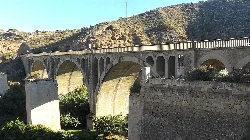
Stone bridge with multiple arches and mountain landscape.
Alhama de AlmeríaAlmería

What can you tell me about the Puente de los Imposibles?

The Puente de los Imposibles is a remarkable neoclassical bridge spanning 45 meters in length and 25 meters in height. It is known for its impressive central arch of 7 meters. This historical structure is a key landmark in Alhama de Almería, showcasing the town's architectural heritage and offering scenic views of the surrounding landscape.

Puente de los Imposibles For visitors ›

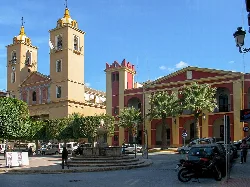
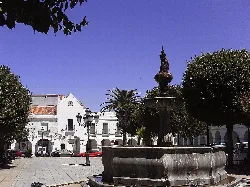
Square with church, town hall, palms, and fountain in Berja, Almería.
BerjaAlmería

What can you tell me about the Plaza de Berja?

The Plaza de Berja is a central square that features significant buildings like the Church of the Annunciation and the Town Hall. It serves as a social hub for the community, often hosting events and gatherings. The architecture reflects the local style and history, making it a picturesque spot for visitors and residents alike.

Plaza de Berja For visitors ›

El EjidoAlmería

What are the main attractions in El Ejido?

El Ejido boasts several attractions, including its beautiful beaches like Balerma and Almerimar, the historic Torre de Balerma, and the impressive agricultural landscape known as La Huerta de Europa. The town also hosts cultural events such as the Festival de Teatro de El Ejido, which showcases diverse performances each year.

For visitors ›

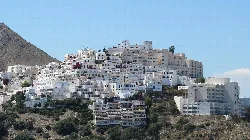
View of Mojácar with white houses on a hill.
MojácarAlmería

What is Mojácar known for?

Mojácar is renowned for its picturesque whitewashed buildings and stunning coastal views along the Mediterranean Sea. It is part of the 'Los pueblos más bonitos de España' network, highlighting its beauty and charm. The town features six blue flag beaches, making it a popular destination for tourists seeking sun and sea.

For visitors ›

Roquetas de MarAlmería

What are the main attractions in Roquetas de Mar?

Roquetas de Mar offers a variety of attractions including beautiful beaches, such as Aguadulce and Playa Serena, which have blue flags for quality. The Castillo de Santa Ana, a historic castle, serves as a museum and cultural venue. Additionally, Punta Entinas-Sabinar is a natural park known for its ecological significance, showcasing diverse flora and fauna.

For visitors ›

Laujar de AndaraxAlmería

What are the main attractions in Laujar de Andarax?

Laujar de Andarax offers several notable attractions, including the historic Alcazaba, the Church of the Incarnation, and various traditional fountains like the Pilar de San Antonio. The town is also surrounded by the stunning landscapes of the Sierra Nevada National Park, making it a great spot for nature lovers and hikers.

For visitors ›

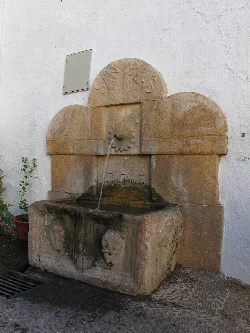
Stone fountain with flowing water in Laujar de Andarax.
Laujar de AndaraxAlmería

What is the significance of the Pilar de San Antonio?

The Pilar de San Antonio is a historic fountain in Laujar de Andarax, believed to date back to the Muslim era. It features a robust limestone structure with three spouts. This fountain not only serves as a water source but also reflects the town's architectural heritage and history.

Pilar de San Antonio For visitors ›

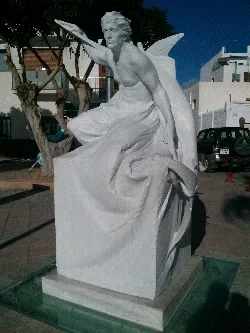
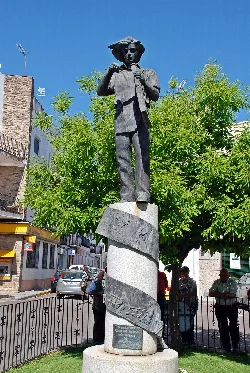
Marble sculpture of a winged man in Carboneras.
CarbonerasAlmería

What does the Monumento al Pescador represent?

The Monumento al Pescador is a marble statue created by sculptor Roberto Manzano, installed in 2013. It symbolizes the fishing heritage of Carboneras and pays tribute to the local fishermen who have historically contributed to the community's economy and culture.

Monumento al Pescador For visitors ›

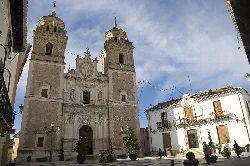
Facade of a church with two towers and baroque details in Vélez-Rubio.
Vélez-RubioAlmería

What can you tell me about the Iglesia de Nuestra Señora de la Encarnación?

The Iglesia de Nuestra Señora de la Encarnación is a prominent church in Vélez-Rubio, showcasing a blend of Baroque and Neoclassical styles. Its façade features intricate stonework and a retablo design, with three sections divided by pilasters. Inside, the church has a Latin cross layout, with three naves and a dome above the crossing, illuminated by eight stained glass windows.

Iglesia de Nuestra Señora de la Encarnación For visitors ›

Vélez-RubioAlmería

What is the Fuente del Gato and its significance?

The Fuente del Gato is located on the outskirts of Vélez-Rubio and is known for its sodium-ferruginous cold waters. It serves as a popular gathering spot for locals, especially during the San José celebrations, highlighting its cultural importance in the community.

Fuente del Gato For visitors ›

NíjarAlmería

What are the best beaches to visit in Níjar?

Níjar boasts some of the most beautiful beaches along its 63 km coastline. Popular choices include Playa de los Genoveses, Playa de Mónsul, and Cala de San Pedro. These beaches are known for their stunning natural beauty and clear waters, making them ideal spots for relaxation and water activities.

For visitors ›

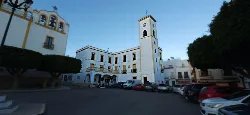
White building with tower and arches in Dalías square.
DalíasAlmería

What can I see at the Casa Consistorial de Dalías?

The Casa Consistorial de Dalías is an important municipal building that showcases the town's administrative heritage. Visitors can appreciate its architectural style and the role it plays in local governance. It often serves as a focal point for community events and activities.

Casa Consistorial de Dalías For visitors ›

DalíasAlmería

What is the significance of the Monument to the Cultures and Peoples of Spain?

The Monument to the Cultures and Peoples of Spain in Dalías symbolizes the town's rich cultural heritage and historical connections to various civilizations. It serves as a reminder of the diverse influences that have shaped the region over the centuries.

Monumento a las Culturas y Pueblos de España For visitors ›

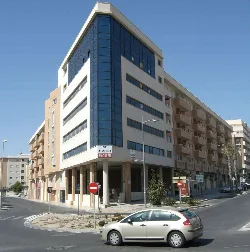
Building with glass facade and balconies at the entrance of Vícar.
VícarAlmería

What is the significance of the Edificio Puerta de Vícar?

The Edificio Puerta de Vícar is a modern architectural landmark in the municipality, completed in 2005. Designed by architects Salvador Cruz Enciso and José Eulogio Díaz Torres, it features a striking glass facade and serves as an office building, symbolizing the contemporary development of Vícar.

Edificio Puerta de Vícar For visitors ›