Sights

3,246 questions

Town hall building with clock and flag in Asturianos, Zamora
AsturianosZamora

What is the Casa consistorial de Asturianos?

The Casa consistorial de Asturianos serves as the town hall for the municipality. It is a notable building that reflects the local architecture and governance of the area. The structure is located centrally in Asturianos, making it easily accessible for residents and visitors alike.
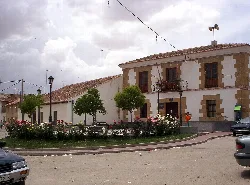
Casa consistorial de Asturianos For visitors ›

AsturianosZamora

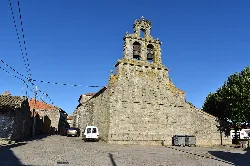
What is the architectural style of the church in Asturianos?

The church in Asturianos, dedicated to Nuestra Señora de la Asunción, features a blend of architectural styles, prominently showcasing Baroque elements. It houses several restored altarpieces from the 18th century, reflecting the town's historical and cultural heritage.

Nuestra Señora de la Asunción For visitors ›

San Cebrián de CastroZamora

What are the main historical sites to visit in San Cebrián de Castro?

San Cebrián de Castro features significant historical sites, particularly the ruins of Castrotorafe, a medieval fortress believed to date back to the 11th century. The site includes remnants of walls and towers, showcasing its historical defensive architecture. Additionally, the church of Nuestra Señora de la Asunción reflects Renaissance influences and has undergone various renovations over the years.

Castrotorafe For visitors ›

San Cebrián de CastroZamora

What is the significance of the church of Nuestra Señora de la Asunción?

The church of Nuestra Señora de la Asunción is an important landmark in San Cebrián de Castro, originally built in the Renaissance style. It underwent significant renovations starting in 1841, with completion in 1887. The church features a notable retablo and reflects the region's architectural heritage and religious history.

For visitors ›

Square with trees, flowers, and a two-story building in Vadillo de la Guareña.
Vadillo de la GuareñaZamora

What is the Plaza del pueblo like in Vadillo de la Guareña?

The Plaza del pueblo in Vadillo de la Guareña is a charming central square featuring a mix of traditional architecture and greenery. It serves as a gathering place for residents and visitors alike, often adorned with flowers and trees, creating a pleasant atmosphere for social interactions. The square is a focal point of community life, reflecting the town's rural character and inviting ambiance.

Plaza del pueblo For visitors ›

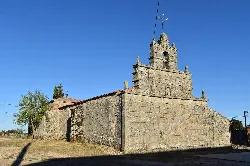
Stone church with bell tower in Torregamones.
TorregamonesZamora

What can you tell me about the Igrexa de Torregamones?

The Igrexa de Torregamones is the parish church dedicated to San Ildefonso. It serves as a central place of worship for the community and is notable for its historical significance. The church reflects the architectural style typical of the region and is a key landmark in the village, symbolizing the local culture and traditions.

Igrexa de Torregamones For visitors ›

Small stone church with bell tower in Torregamones.
TorregamonesZamora

What is the Ermida da Virxe do Templo in Torregamones?

The Ermida da Virxe do Templo is a small chapel located on the outskirts of Torregamones, next to the cemetery. It is dedicated to the Virgin of the Temple, and its history is intertwined with local legends about the discovery of the Virgin's image. This site is significant for local religious practices and community gatherings.

Ermida da Virxe do Templo For visitors ›

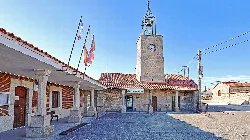
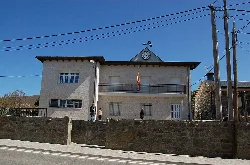
Town hall and clock tower in Carbellino, Zamora.
CarbellinoZamora

What is the clock tower in Carbellino?

The clock tower is part of the town hall in Carbellino, which dates back to the late 19th century. This building serves as a central point for local administration and community activities. The tower itself is a notable landmark in the municipality, symbolizing the town's heritage and history.

town hall For visitors ›

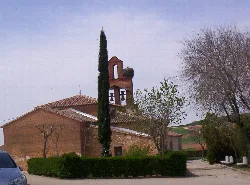
Church of San Juan Bautista with bell tower and trees in Gallegos del Pan.
Gallegos del PanZamora

What is the significance of the Iglesia de San Juan Bautista in Gallegos del Pan?

The Iglesia de San Juan Bautista is the most significant monument in Gallegos del Pan. It features a Baroque main altarpiece from the 18th century, depicting scenes from the life of San Pedro Apóstol. The church also contains two side altarpieces dedicated to San Antonio Abad and the Virgen del Rosario, along with a life-sized crucifix and a well-preserved processional Christ from the same period.

Iglesia de San Juan Bautista For visitors ›

Gallegos del PanZamora

What are the main attractions near Gallegos del Pan?

Near Gallegos del Pan, visitors can explore the historical bodegas that once thrived with vineyards, now serving as gathering spots for locals. The picturesque landscape and the nearby Arroyo de las Fuenticas also offer opportunities for nature walks and enjoying the serene environment of the valley.

For visitors ›

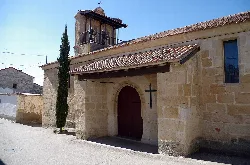
Stone church with wooden door and cross on the wall in Vallesa de la Guareña.
Vallesa de La GuareñaZamora

What can you tell me about the Iglesia de San Juan Bautista?

The Iglesia de San Juan Bautista is a notable church located in Vallesa de La Guareña. It showcases traditional architectural elements typical of the region. This church is an important part of the local heritage and contributes to the cultural identity of the municipality. It is also a site for local religious events and gatherings.

Iglesia de San Juan Bautista For visitors ›

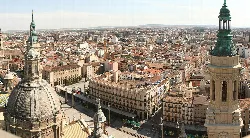
Panoramic view of Zaragoza from the cathedral, with buildings and streets in the city center.
ZaragozaZaragoza

What can I see from the top of the Cathedral in Zaragoza?

From the top of the Cathedral, you can enjoy a stunning panoramic view of Zaragoza. The cityscape includes the Ebro River, various historic buildings, and the vibrant urban layout. It's a great spot for photography and to appreciate the architectural beauty of the city.

Cathedral For visitors ›

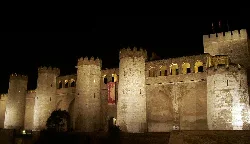
Castle facade with towers and walls lit up at night.
ZaragozaZaragoza

What is the Aljafería Palace known for?

The Aljafería Palace is a remarkable example of Moorish architecture in Zaragoza. Originally built in the 11th century, it served as a fortress and later as a royal palace. Today, it houses the Aragonese Parliament and is a UNESCO World Heritage Site, showcasing intricate Islamic art and history.

Aljafería Palace For visitors ›

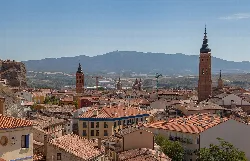
Panoramic view of Calatayud with towers and mountains in the background
CalatayudZaragoza

What can I see from the church of La Peña in Calatayud?

From the church of La Peña, visitors can enjoy a stunning view of Calatayud, with its characteristic rooftops and surrounding mountains. The church itself is situated on a hill, providing a panoramic perspective of the city and the valley of the Jalón River. It's a great spot for photography and appreciating the city's historical architecture.

church of La Peña For visitors ›

CalatayudZaragoza

What historical sites should I visit in Calatayud?

Calatayud boasts several historical sites worth visiting, including the Colegiata de Santa María la Mayor, the Real Colegiata del Santo Sepulcro, and the remnants of the Arab fortress. The city's rich history is reflected in its architecture and archaeological sites, such as the ruins of Bílbilis.

For visitors ›

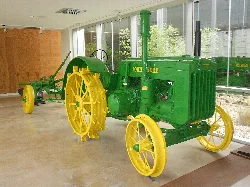
Old John Deere tractor on display in a museum.
Ejea de los CaballerosZaragoza

What can I see at the Museo Aquagraria in Ejea de los Caballeros?

Museo Aquagraria focuses on the relationship between water and agriculture, featuring the largest collection of agricultural machinery in Spain. The museum showcases pieces from the 19th century to the present, serving as a cultural hub for agricultural events and exhibitions, highlighting the region's agricultural heritage and innovations.

Museo Aquagraria For visitors ›

Ejea de los CaballerosZaragoza

What is the architectural style of the Iglesia de Santa María de la Corona?

The Iglesia de Santa María de la Corona showcases a mix of Romanesque and Baroque styles. Its southern portal retains original Romanesque features, while the western entrance has undergone Baroque modifications. The interior includes a unique nave structure and a polygonal apse, reflecting its historical evolution.

Iglesia de Santa María de la Corona For visitors ›

TarazonaZaragoza

What can you tell me about the Casa del Traductor?

The Casa del Traductor in Tarazona is a unique cultural center dedicated to literary translation. Founded in 1988, it offers residencies for translators working with Spanish and other official languages. It draws inspiration from the historic Escuela de Traductores de Tarazona, which thrived in the 11th and 12th centuries, showcasing the city's rich linguistic heritage.

Casa del Traductor For visitors ›

TarazonaZaragoza

What are the main architectural styles seen in Tarazona?

Tarazona showcases a variety of architectural styles due to its long history, including Romanesque, Gothic, and Mudejar influences. Notable buildings like the Catedral de Tarazona and the Palacio Episcopal highlight these styles, reflecting the city's rich cultural tapestry and historical evolution.

For visitors ›

CaspeZaragoza

What are the main attractions in Caspe?

Caspe offers several attractions, including the Collegiate Church of Santa María la Mayor, known for its Gothic architecture, and the Torre de Salamanca, a historic fortification. The town's rich history is complemented by natural beauty, with the nearby Ebro River and surrounding landscapes providing opportunities for outdoor activities.

For visitors ›

CaspeZaragoza

What is the Collegiate Church of Santa María la Mayor known for?

The Collegiate Church of Santa María la Mayor is a prominent example of Gothic architecture in Caspe. Consecrated in 1522, it is notable for its ribbed vaults and historical significance, having hosted the mass for the proclamation of the Compromiso de Caspe in 1412. The church also houses important relics, including the Vera Cruz de Caspe.

Collegiate Church of Santa María la Mayor For visitors ›

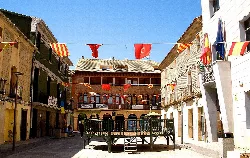
Plaza de España in Zuera with flags and old buildings.
ZueraZaragoza

What is the Plaza de España like in Zuera?

Plaza de España is a central square in Zuera that features a charming atmosphere, often decorated with flags during local celebrations. It serves as a gathering place for residents and visitors alike, showcasing the town's community spirit. The surrounding architecture reflects the town's historical character, making it a pleasant spot to relax and enjoy the local ambiance.

Plaza de España For visitors ›

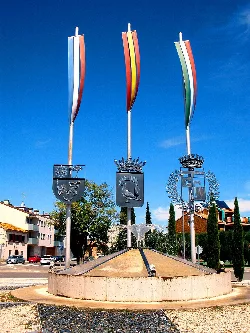
Fountain and Zuera flags on a roundabout with France and Italy flags.
ZueraZaragoza

What is the significance of the Rotonda in Zuera?

The Rotonda in Zuera is dedicated to the town's twinning with Ramonville in France and Trescore in Italy. This landmark symbolizes international friendship and cooperation, enhancing cultural exchanges and community ties. It's a notable point of interest for visitors interested in the town's connections beyond Spain.

Rotonda For visitors ›

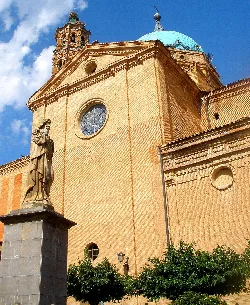
Church with blue dome and statue in the garden square in La Almunia de Doña Godina
La Almunia de Doña GodinaZaragoza

What can you tell me about the Plaza del Jardín in La Almunia de Doña Godina?

Plaza del Jardín is a central square in La Almunia de Doña Godina, notable for its vibrant atmosphere and the presence of the Monumento al Sagrado Corazón de Jesús. This area is often a gathering spot for locals and visitors alike, surrounded by charming architecture, including the Iglesia de Nuestra Señora de la Asunción.

Plaza del Jardín For visitors ›