Sights

3,246 questions

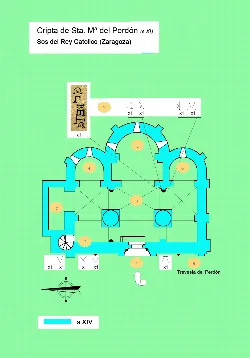
Floor plan of San Esteban Church crypt in Sos del Rey Católico with stonework marks.
Sos del Rey CatólicoZaragoza

What is the significance of the Iglesia de San Esteban?

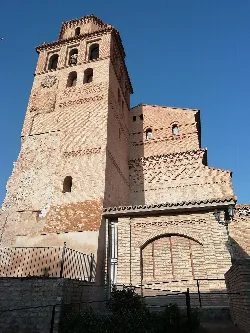
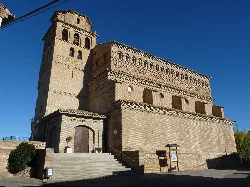
Iglesia de San Esteban is a Romanesque church built in the 13th century, notable for its impressive architecture and historical value. It features a crypt used for burials and houses significant artifacts, including an 8th-century baptismal font and a Rococo organ. The church is a vital part of Sos's cultural heritage and is a focal point for visitors.
Iglesia de San Esteban For visitors ›

Sos del Rey CatólicoZaragoza

What is the significance of the Castillo de Sos de Aragón?

The Castillo de Sos de Aragón, built in the 12th century, is a key historical site in the town. Originally a wooden stronghold, it was later reconstructed in stone. The castle features a slender tower of homage and offers stunning views of the surrounding Pyrenean peaks. It reflects the military history and architectural evolution of the region.

Castillo de Sos de Aragón For visitors ›

PerdigueraZaragoza

What can I see at the Ermita de San José?

The Ermita de San José dates back to the 17th century and features a rectangular layout with a porch and side chapels. Inside, visitors can admire Mudéjar-style plasterwork and remnants of paintings. An inscription indicates that Pedro Murillo was the patron behind its construction, highlighting its cultural and historical importance in Perdiguera.

Ermita de San José For visitors ›

Brick tower with windows and Moorish details in Perdiguera.
PerdigueraZaragoza

What is the significance of the Torre mudéjar in Perdiguera?

The Torre mudéjar of the Iglesia de Nuestra Señora de la Asunción is a distinctive architectural feature, characterized by its square base and intricate brickwork. It exemplifies late Mudéjar style, with decorative elements like crosses and arches, making it an important landmark that reflects the town's historical and cultural heritage.

Torre mudéjar For visitors ›

Church of Our Lady of the Assumption in Perdiguera, with tower and stone facade.
PerdigueraZaragoza

What can I find in the Museo Parroquial of Perdiguera?

The Museo Parroquial located within the Iglesia de Nuestra Señora de la Asunción features various liturgical objects and pieces of sacred art. It provides insight into the religious and cultural history of the town, showcasing artifacts that have significance to the local community.

Museo Parroquial For visitors ›

Herrera de los NavarrosZaragoza

What is the significance of the Santuario de la Virgen de Herrera?

The Santuario de la Virgen de Herrera is a key religious site located at 1350 meters elevation. It is associated with local traditions and pilgrimages, particularly on September 10. The sanctuary has historical significance and has undergone various restorations, reflecting the community's devotion to the Virgin.

Santuario de la Virgen de Herrera For visitors ›

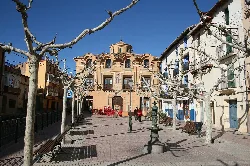
Square with leafless trees, fountain, and buildings in Villarroya de la Sierra.
Villarroya de la SierraZaragoza

What is Casa Grande in Villarroya de la Sierra?

Casa Grande is a notable building in Villarroya de la Sierra, constructed in 1786. It features a unique facade made of brick, with three stories and elaborate decorations. Today, it serves as both accommodation and a restaurant, offering visitors a glimpse into the architectural heritage of the area.

Casa Grande For visitors ›

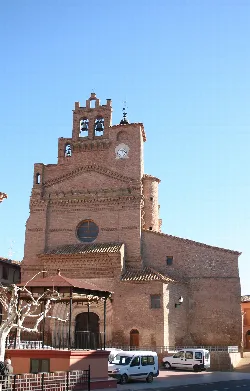
Brick tower with clock and bell tower in Villarroya de la Sierra.
Villarroya de la SierraZaragoza

What can you tell me about the Iglesia de San Pedro Apóstol?

The Iglesia de San Pedro Apóstol is a significant church in Villarroya de la Sierra, originally built in the 13th century. It has undergone several renovations, particularly after a fire. The church features a unique architectural style with a single nave and a remarkable monumental entrance, showcasing its historical importance.

Iglesia de San Pedro Apóstol For visitors ›

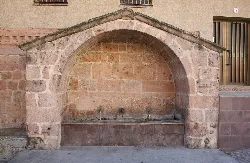
Stone fountain with arch and three spouts in Villarroya de la Sierra.
Villarroya de la SierraZaragoza

What is the significance of the Fuente de Villarroya?

The Fuente de Villarroya is a historical fountain built in the late 16th century. Constructed from sandstone, it features a semi-circular arch and is located in a defensive area of the old town. It serves as a reminder of the town's architectural heritage and its historical water supply system.

Fuente de Villarroya For visitors ›

Villarroya de la SierraZaragoza

What is the historical architecture like in Villarroya de la Sierra?

Villarroya de la Sierra features a mix of historical architecture, including medieval castles, the church of San Pedro Apóstol, and the Casa Grande. The town's layout, with its irregular streets and remnants of walls, reflects its medieval past, while the buildings showcase various architectural styles from different eras.

For visitors ›

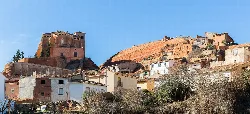
Houses and a castle on the hilltop in Ibdes, Zaragoza.
IbdesZaragoza

What can I see in the view of Ibdes?

The view of Ibdes showcases its charming houses nestled against a backdrop of striking red cliffs. The prominent structure is a historic castle-like building, which adds to the town's picturesque scenery. The surrounding landscape features natural beauty, making it a great spot for photography and enjoying the serene environment.

For visitors ›

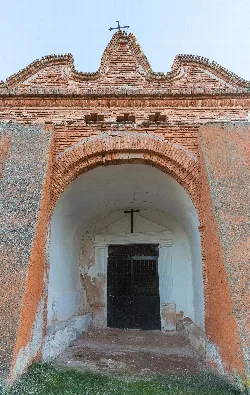
Chapel entrance with brick arch and cross at the top.
IbdesZaragoza

What is the Ermita del Santo Sepulcro?

The Ermita del Santo Sepulcro is the oldest hermitage in Ibdes, located on a small hill just north of the town. Inside, it features a vaulted ceiling, an altar with a Virgin Mary image, and a unique sepulcher made of glass and black wood, all guarded by a wooden Roman soldier figure. It's a site of historical and cultural significance.

Ermita del Santo Sepulcro For visitors ›

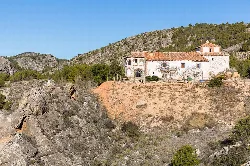
San Daniel's hermitage on a hill with mountains in the background.
IbdesZaragoza

Can you tell me about the Ermita de San Daniel?

The Ermita de San Daniel, built in the 17th century, overlooks the beautiful Tranquera reservoir. It features a single spacious nave with a richly decorated ceiling and a Baroque altar. The site is used for community celebrations, particularly on August 18, during the festival dedicated to the Virgin of San Daniel.

Ermita de San Daniel For visitors ›

IbdesZaragoza

Where is the Ermita de San Gregorio located?

The Ermita de San Gregorio is situated in one of the higher areas of Ibdes, accessible via a path bearing the same name. This simple rectangular structure is dedicated to San Gregorio Ostiense, who is venerated as a protector against plague and famine, reflecting the town's historical ties to religious traditions.

Ermita de San Gregorio For visitors ›

CosuendaZaragoza

What can you tell me about the Iglesia de Nuestra Señora de los Ángeles in Cosuenda?

The Iglesia de Nuestra Señora de los Ángeles is a Baroque church that began construction in 1681 and was consecrated in 1686. It features three naves, a central dome, and numerous chapels. The bell tower is square at the base with octagonal upper sections, housing five bells. Its interior is richly decorated with altarpieces and columns adorned with plant motifs.

Iglesia de Nuestra Señora de los Ángeles For visitors ›

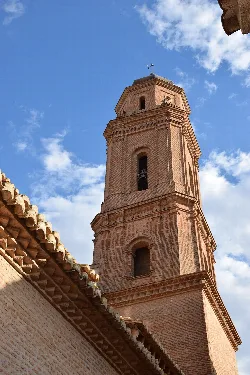
Brick bell tower of the church with blue sky and clouds.
CosuendaZaragoza

What can you see from the Torre de la Lisalta?

The Torre de la Lisalta, the remaining structure of the Castillo de Cosuenda, offers panoramic views of the surrounding landscape. This Gothic-style tower, strategically positioned, allows visitors to appreciate the historical significance of the site and its role in local defense during medieval times.

Torre de la Lisalta For visitors ›

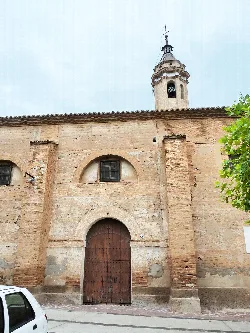
Stone church facade with tower and wooden door in Bulbuente.
BulbuenteZaragoza

What is the significance of the Iglesia de Santa María in Bulbuente?

The Iglesia de Santa María, constructed between 1533 and 1535, is a notable landmark in Bulbuente. It features elements from the Monastery of Veruela and has undergone several renovations, including a recent restoration of its main facade in 2023. It serves as a key religious and historical site for the community.

Iglesia de Santa María For visitors ›

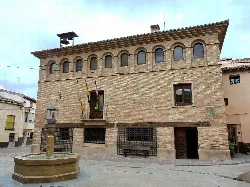
Stone building with flags and a fountain in the square.
BulbuenteZaragoza

What are the notable features of the Ayuntamiento in Bulbuente?

The Ayuntamiento of Bulbuente is a 16th-century Renaissance-style palace that has been restored in the late 20th century. Its architectural features include classic arched galleries, representing the town's historical significance and commitment to preserving its cultural heritage.

Ayuntamiento For visitors ›

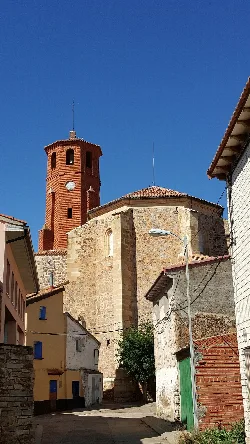
San Pedro and San Pablo Church in Used, Zaragoza, with brick tower and stone structure.
UsedZaragoza

What is the significance of the Iglesia de San Pedro y San Pablo?

The Iglesia de San Pedro y San Pablo is a notable landmark in Used, built starting in 1555. It features late Gothic architecture and a Renaissance facade. Inside, it houses various Baroque altarpieces and a beautifully restored Renaissance organ from the 17th century, showcasing the town's historical and cultural heritage.

Iglesia de San Pedro y San Pablo For visitors ›

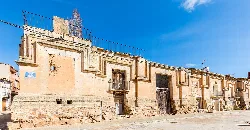
Facade of a palace in Used, Zaragoza, with stone details and blue sky.
UsedZaragoza

What is the Palacio in Used like?

The Palacio in Used is an unfinished herrerian-style building located in the Plaza de la Obra. It is associated with a local hidalgo's gratitude and is a significant architectural feature of the town, reflecting its historical importance. The plaza itself has hosted notable monarchs throughout history.

Palacio For visitors ›

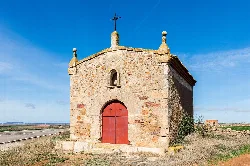
Small stone chapel with red door and cross on top in Used, Zaragoza.
UsedZaragoza

What is the Ermita de San Antón?

The Ermita de San Antón is a small chapel located near Used. It serves as a local religious site and is part of the town's cultural landscape, often visited by residents for reflection and community gatherings.

Ermita de San Antón For visitors ›

CastiliscarZaragoza

What is the significance of the church in Castiliscar?

The Church of San Juan Bautista, built in the 12th century, is a notable example of Romanesque architecture in Castiliscar. It features well-crafted stonework and retains historical elements like a sarcophagus from the 4th century, showcasing the town's rich cultural heritage.

Church of San Juan Bautista For visitors ›

CastiliscarZaragoza

What is the architectural style of the castle in Castiliscar?

The castle in Castiliscar, originally built in the 11th century, features a square tower with battlements. It includes a small chapel with a pointed barrel vault in a Cistercian Romanesque style, showcasing the medieval architectural influences of the region.

Castle of Castiliscar For visitors ›

Church tower of Fréscano with stork nests and a clock on the facade
FréscanoZaragoza

What is the significance of the bell tower in Fréscano?

The bell tower of Fréscano is a notable landmark featuring stork nests, symbolizing the town's agricultural heritage and connection to nature. It reflects the architectural style of the area and serves as a focal point for the community, representing both history and tradition.

Fréscano bell tower For visitors ›