Sights

3,246 questions

TurreAlmería

What is the architectural style of the Ermita de San Francisco de Asís?

The Ermita de San Francisco de Asís features a simple yet robust architectural style, constructed from stone, lime, and plaster. It has a rectangular layout with a single nave and wooden roofing. The external design includes buttresses and chapels, reflecting the practical adaptations made to support the structure's weight.
Ermita de San Francisco de Asís For visitors ›

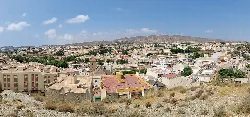
Cityscape with mountains in the background from the viewpoint.
Huércal de AlmeríaAlmería

What can I see from the viewpoint at Cerro del Calvario?

From the viewpoint at Cerro del Calvario, you can enjoy a panoramic view of Huércal de Almería and its surrounding landscape. The vantage point offers a stunning perspective of the town's layout, the nearby mountains, and the valley of the Andarax River, making it a great spot for photography and relaxation.

Cerro del Calvario For visitors ›

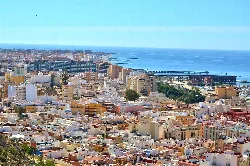
View of Almería city with buildings and sea in the background.
AlmeríaAlmería

What can I see from the Alcazaba in Almería?

From the Alcazaba, you can enjoy stunning panoramic views of Almería and the surrounding coastline. This medieval fortress, which dates back to the 10th century, offers a glimpse into the city's rich history while providing a picturesque backdrop of pastel-colored buildings and the Mediterranean Sea.

Alcazaba For visitors ›

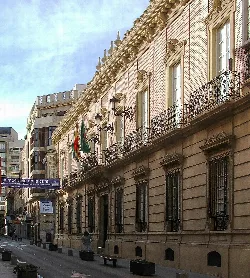
Facade of the Almería Provincial Council building with flags and decorative balconies.
AlmeríaAlmería

What is the Diputación de Almería?

The Diputación de Almería is the provincial government building located in Almería. This historical structure serves as the administrative center for the province and is known for its architectural beauty, featuring intricate details and a prominent façade that reflects the region's cultural heritage.

Diputación de Almería For visitors ›

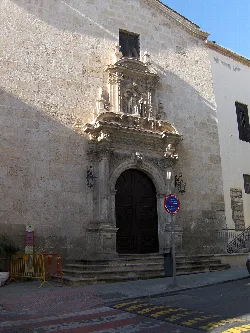
Convent facade with wooden door and ornate entrance details.
AlmeríaAlmería

Can you tell me about the Convento de las Claras?

The Convento de las Claras is a historic convent in Almería, showcasing beautiful architecture and a serene atmosphere. Founded by the Clarist order, it has significant cultural and religious importance, making it a noteworthy site for visitors interested in the city's spiritual heritage.

Convento de las Claras For visitors ›

Adra port with boats and calm water.
AdraAlmería

What can I see at the Puerto de Adra?

Puerto de Adra is a vibrant harbor that serves both recreational and fishing purposes. Visitors can enjoy the picturesque views of the marina, watch fishing boats, and appreciate the coastal scenery. It’s a great spot to experience local maritime culture and perhaps indulge in fresh seafood from the area.

Puerto de Adra For visitors ›

AdraAlmería

What historical sites can I visit in Adra?

Adra is home to several historical sites, including the remnants of the ancient Phoenician settlement at Montecristo and the urban walls constructed by Juana I in the 16th century. The Iglesia parroquial de la Inmaculada Concepción, with its rich architectural history, is also a notable landmark worth visiting.

For visitors ›

LangreoAsturias

What are the main attractions to see in Langreo?

In Langreo, visitors can explore the Museo de la Siderurgia, which showcases the region's industrial heritage. The Ecomuseo Minero and Ferrocarril del Valle de Samuño offer insights into the mining history. Additionally, the Iglesia de Santiago Apóstol in Sama is notable for its neo-Gothic architecture. The scenic Valle Llangreu is perfect for nature lovers seeking beautiful views.

For visitors ›

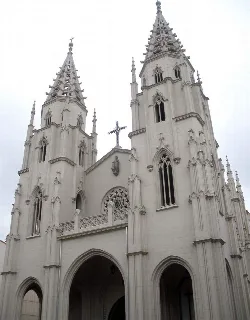
Santiago Apostle Church with tall towers and Gothic architecture.
LangreoAsturias

What can you tell me about the Iglesia de Santiago Apóstol?

The Iglesia de Santiago Apóstol, located in Sama, is a neo-Gothic church designed by the Somolinos brothers. It was built after the original structure was destroyed during the Revolution of October. The church is notable for its striking architecture and serves as a significant religious site for the local community, reflecting the town's cultural heritage.

Iglesia de Santiago Apóstol For visitors ›

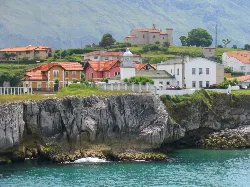
Llanes port lighthouse, colorful houses and castle in the background.
LlanesAsturias

What can you tell me about the lighthouse in Llanes?

The lighthouse at Llanes Port is a notable landmark situated along the Cantabrian Sea. It serves as a guide for ships navigating the coastal waters and is a picturesque spot for visitors. The surrounding area offers stunning views of the coastline and is a popular location for photography and leisurely walks.

Llanes Port's lighthouse For visitors ›

LlanesAsturias

What are the main historical sites in Llanes?

Llanes is home to several historical sites, including the Basilica of Santa María del Concejo, which features a Romanesque façade and Gothic interior. Other notable sites are the Palacio del Conde de la Vega del Sella and the remnants of the town's medieval walls, which reflect its rich architectural heritage.

For visitors ›

RibadesellaAsturias

What is Ribadesella known for?

Ribadesella is known for its stunning natural beauty, historical significance, and vibrant cultural events. It features beautiful beaches like Santa Marina, the famous Cueva de Tito Bustillo with its prehistoric art, and hosts the renowned Descenso Internacional del Sella, a major kayaking event that attracts participants from around the world.

For visitors ›

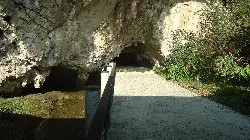
Path with railing and cave entrance in Ribadesella, Asturias.
RibadesellaAsturias

What can you tell me about the Cueva de Tito Bustillo?

Cueva de Tito Bustillo is a significant archaeological site known for its impressive prehistoric paintings and engravings. It is recognized as a UNESCO World Heritage site, showcasing art from the Magdalenian period. The cave is a major attraction for those interested in ancient history and art.

Cueva de Tito Bustillo For visitors ›

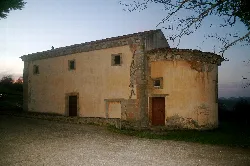
Santa María de Junco church in Ribadesella, with stone walls and simple structure.
RibadesellaAsturias

Can you tell me about the Iglesia de Santa María de Junco?

The Iglesia de Santa María de Junco is a notable Romanesque church in Ribadesella, featuring a single nave and a semicircular apse. Its interior showcases decorative elements, including columns with unique capitals, making it a significant architectural landmark in the region.

Iglesia de Santa María de Junco For visitors ›

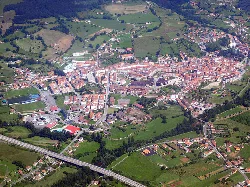
Aerial view of Grado, Asturias, with streets and buildings.
GradoAsturias

What is the white building on the hill in the aerial photo?

The white building visible on the hill in the aerial photo is likely part of Grado's architectural heritage. While specific details about the building are not provided, Grado features several notable structures, including palaces and churches from different historical periods that contribute to its unique skyline.

For visitors ›

GradoAsturias

Are there any historical sites to visit in Grado?

Yes, Grado is home to several historical sites, including the Capilla de los Dolores, a baroque chapel from the 18th century, and the Palacio de Miranda-Valdecarzana, which dates back to the 15th century. The town also features remnants of its medieval walls and various palaces that showcase its architectural evolution over the centuries.

For visitors ›

Historic building with tower and shield in Cangas de Onís, Asturias.
Cangues d'OnísAsturias

What is the Palacio de los Pintu in Cangas de Onís?

The Palacio de los Pintu is a notable building in Cangas de Onís, reconstructed in the 1940s. Originally built in the 17th century, its facade is decorated, giving it a distinctive appearance. This palace reflects the historical architecture of the region and is a significant landmark for visitors exploring the town.

Palacio de los Pintu For visitors ›

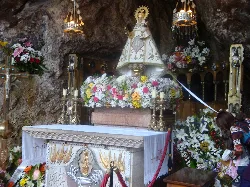
Statue of the Virgin of Covadonga in a grotto with flowers and religious decorations.
Cangues d'OnísAsturias

What can you tell me about the Virgen de Covadonga?

The Virgen de Covadonga is a revered figure in Asturias, housed in a grotto near Cangas de Onís. This site is significant for its historical and religious importance, as it is associated with the Battle of Covadonga, marking the beginning of the Reconquista. Pilgrims and tourists visit to pay homage and enjoy the scenic beauty of the area.

Virgen de Covadonga For visitors ›

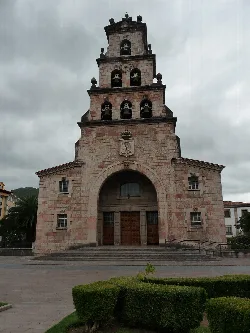
Santa María church with tower and bells in Cangas de Onís.
Cangues d'OnísAsturias

What is the architectural style of the Iglesia de Santa María?

The Iglesia de Santa María in Cangas de Onís features a blend of medieval and neoclassical architectural styles. Originally a medieval temple, it underwent several renovations, particularly in the 18th century. Its design includes three naves and a prominent campanario, making it an important historical and cultural site in the town.

Iglesia de Santa María For visitors ›

Cangues d'OnísAsturias

What is the significance of the 'puente romano' in Cangas de Onís?

The 'puente romano', or Roman bridge, is a historical landmark in Cangas de Onís, although it was actually built during the medieval period. This bridge features a prominent arch and is a popular spot for tourists, symbolizing the town's rich history and architectural heritage.

puente romano For visitors ›

Vilanova d'OzcosAsturias

What kind of architecture can I expect to see in Villanueva de Oscos?

Villanueva de Oscos features a blend of traditional and historical architecture, with buildings made from local materials like slate and wood. The ancient monastery of Santa María is a prime example of Romanesque architecture. Additionally, traditional houses and hórreos (granaries) are common, showcasing the region's cultural heritage.

For visitors ›

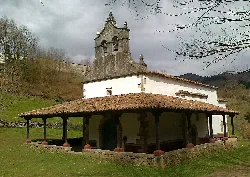
Sanctuary with tower and wooden structure in a rural landscape.
AllerAsturias

What can I see at the Santuario de Miravalles?

The Santuario de Miravalles is a notable religious site in Aller, dedicated to Our Lady of Miravalles. Visitors can appreciate its serene surroundings and architectural features, including its traditional Asturian design. The sanctuary is a focal point for local religious celebrations, particularly the romería held on September 8, attracting pilgrims and tourists alike.

Santuario de Miravalles For visitors ›

BualAsturias

What can I see in Boal?

Boal features several notable architectural examples, including the Church of Santiago Apóstol and various palaces such as the Miranda Palace and Villa Anita. The area is also known for its beautiful landscapes and the historical Cova del Demo cave paintings.

For visitors ›

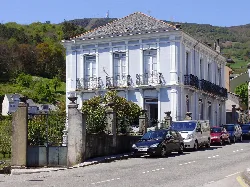
White house with iron balconies and garden in Boal.
BualAsturias

What is Villa Damiana?

Villa Damiana is a representative mansion built in 1919, showcasing historically-inspired architecture. It reflects the wealth of emigrants who returned to Boal after making fortunes abroad, particularly in the Americas.

Villa Damiana For visitors ›