Sights

3,246 questions

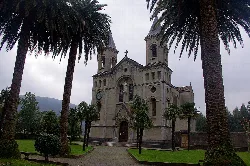
Church of Jesús de Nazareno de Pito with palms and gardens.
CudilleroAsturias

What is the significance of the Iglesia de Jesús de Nazareno in Cudillero?

The Iglesia de Jesús de Nazareno, located in Pito, is an important religious site in Cudillero. It features a striking architectural style and is surrounded by palm trees, creating a picturesque setting. The church is known for its historical and cultural value, contributing to the town's identity and heritage.
Iglesia de Jesús de Nazareno For visitors ›

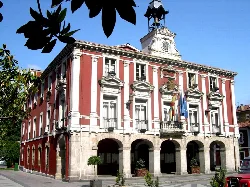
Mieres town hall building with flags and a clock on the tower.
MieresAsturias

What is Casa'l conceyu in Mieres?

Casa'l conceyu is the town hall of Mieres, a notable building that reflects the town's historical and administrative significance. It features a neoclassical architectural style and serves as a central point for local governance. The building is adorned with decorative elements and is a key landmark in the town, representing its civic pride and history.

Casa'l conceyu For visitors ›

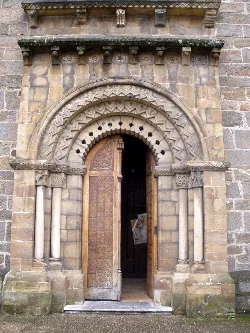
Stone and wood door with decorated arch at Santa Eulalia church in Ujo.
MieresAsturias

What can you tell me about the Iglesia de Santa Eulalia in Ujo?

Iglesia de Santa Eulalia, located in Ujo, is a historically significant church known for its Romanesque architecture. It has undergone renovations, notably after its destruction in 1922, resulting in a larger temple that integrates elements from the original structure. The church features a semicircular apse and a beautifully decorated portal, making it a key site for visitors interested in history and architecture.

Iglesia de Santa Eulalia For visitors ›

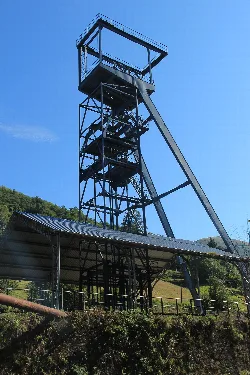
Metal structure of a mining shaft in Turón, Mieres, Asturias.
MieresAsturias

What is the significance of the Pozo Santa Bárbara in Mieres?

Pozo Santa Bárbara is a notable mining site in Mieres, representing the town's rich industrial heritage. The site includes the main shaft's castillete, which is a symbol of the coal mining industry that once thrived in the region. Today, it serves as a reminder of the historical significance of mining in Mieres' development.

Pozo Santa Bárbara For visitors ›

IbiasAsturias

What can you tell me about the church of San Antolín in Ibias?

The church of San Antolín features a single nave with a barrel vault and a semicircular apse. Its exterior is notable for a portico supported by fine columns resting on a low wall. The building has undergone various renovations from the 13th to the 19th centuries, reflecting its historical evolution.

San Antolín For visitors ›

IbiasAsturias

What is the architecture like in Ibias?

Ibias features a mix of traditional and historical architecture, including rural houses with thatched roofs known as teitos. The area also has hórreos, traditional granaries, and notable buildings like the 18th-century Palacio de Ron. These structures reflect the region's cultural and historical identity.

For visitors ›

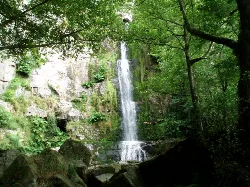
Waterfall in a wooded setting in Villayón, Asturias.
VillayónAsturias

What can I see at the Cascada de Oneta?

The Cascada de Oneta is a beautiful waterfall in Villayón, featuring a drop of about 15 meters. Surrounded by lush greenery, it offers a picturesque setting for visitors. It's an ideal spot for nature lovers and those looking to enjoy a peaceful retreat in the outdoors.

Cascada de Oneta For visitors ›

VillayónAsturias

What are some notable architectural features in Villayón?

Villayón boasts several notable architectural features, including the church of San Bartolomé in Parlero, which has a striking 18th-century retablo. Additionally, there are several traditional stone houses with heraldic shields, showcasing the region's historical architectural style.

For visitors ›

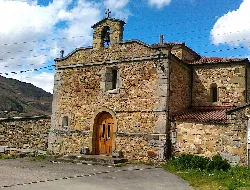
Stone sanctuary façade with wooden door in Laviana.
LlavianaAsturias

What is the Santuario de la Virgen del Otero like?

The Santuario de la Virgen del Otero features a simple facade with a semicircular arch. Its interior is notable for a retablo from the 18th century. The left side of the church displays a window with three horseshoe arches supported by slender columns, adding to its architectural charm.

Santuario de la Virgen del Otero For visitors ›

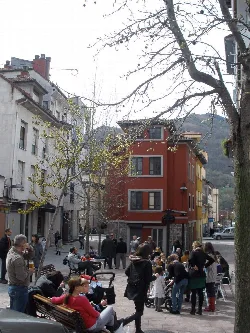
People sitting and standing in a square with trees and colorful buildings in Pola de Laviana.
LlavianaAsturias

What is Pola de Laviana like?

Pola de Laviana is the main town within the concejo, characterized by its vibrant community and commercial activities. It serves as a cultural and administrative center, offering various amenities and services for residents and visitors alike.

Pola de Laviana For visitors ›

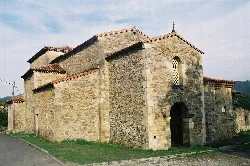
Stone church with bell tower and arched door in Pravia, Asturias.
PraviaAsturias

What is the significance of the Iglesia de San Juan de Pravia?

The Iglesia de San Juan de Pravia is a notable example of preromanic architecture, built during the reign of King Silo. It is one of the oldest structures from the Asturian monarchy and features a unique labyrinthine inscription. This church reflects the historical and cultural significance of Pravia during its early development.

Iglesia de San Juan de Pravia For visitors ›

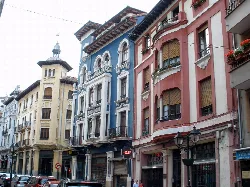
Colorful building facades with balconies and decorative details in Pravia.
PraviaAsturias

What are some notable architectural features in Pravia?

Pravia features a mix of architectural styles, including the medieval Torre de Arango and the neoclassical town hall built in the 18th century. The historical center is characterized by the Colegiata de Santa María la Mayor, showcasing significant cultural heritage and artistry from various periods.

For visitors ›

Tapia de CasariegoAsturias

What are the main beaches in Tapia de Casariego?

Tapia de Casariego boasts several beautiful beaches, including Playa de Tapia, Playa de la Paloma, Playa del Sarello, Playa de la Mixota, Playa de Santa Gadea, and Playa de Penarronda. These beaches are known for their fine sand and stunning coastal scenery, making them popular destinations for visitors.

For visitors ›

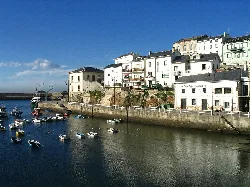
Harbor with boats and white houses in Tapia de Casariego, Asturias.
Tapia de CasariegoAsturias

What can you tell me about the fishing port in Tapia de Casariego?

The fishing port of Tapia de Casariego is a charming and picturesque area, characterized by small boats and traditional architecture. It serves as a hub for local fishing activities, where fishermen catch species like octopus and hake, contributing to the town's maritime culture.

For visitors ›

Tapia de CasariegoAsturias

What historical sites can I visit in Tapia de Casariego?

Visitors can explore several historical sites in Tapia de Casariego, including the neogothic parish church founded in 1898, and various palaces like the Palacio de Campos and Palacio de Cancio. These structures reflect the town's rich architectural heritage and historical significance.

For visitors ›

CastropolAsturias

What are some notable landmarks in Castropol?

Castropol features several notable landmarks, including the Capilla del Campo from the 15th century, the Palacio de Valledor from the 16th century, and the modernist Casino/Casa de Cultura. The town's silhouette is also impressive, visible from both Figueras and Ribadeo, making it a picturesque destination.

For visitors ›

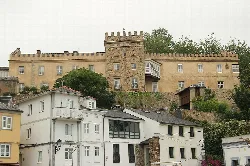
Palace of the Pardo de Donlebún seen from the port in Castropol.
CastropolAsturias

What is the architectural style of the Palacio de los Pardo Donlebún?

The Palacio de los Pardo Donlebún, located in Figueras, showcases a mix of architectural styles with its rectangular, symmetrical design and crenelated towers. Built in the 16th century, it features an adintelada entrance and decorative elements that reflect the historical significance of the area.

Palacio de los Pardo Donlebún For visitors ›

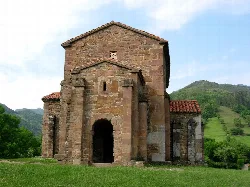
Stone church of Santa Cristina de Lena in a rural landscape with green mountains.
LenaAsturias

What is the significance of the Iglesia de Santa Cristina de Lena?

The Iglesia de Santa Cristina de Lena, built during the reigns of Ramiro I and Ordoño I in the 9th century, is a prime example of Asturian pre-Romanesque architecture. It features a unique elongated nave and is recognized as a UNESCO World Heritage Site since 1985, highlighting its cultural and historical importance.

Iglesia de Santa Cristina de Lena For visitors ›

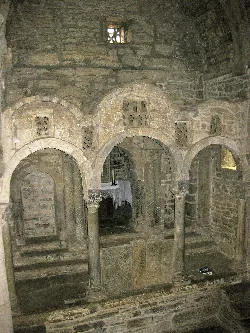
Interior of an old church with stone arches and decorated columns.
LenaAsturias

What is the architecture like in the Iglesia de Santa Cristina de Lena?

The architecture of the Iglesia de Santa Cristina de Lena features a single elongated nave with two lateral dependencies and is covered by barrel vaults. Its design includes external buttresses and a unique interior with blind arches, showcasing the distinct style of Asturian pre-Romanesque architecture.

Iglesia de Santa Cristina de Lena For visitors ›

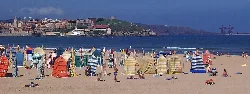
Saint Lawrence Beach with umbrellas and tourists on the sand.
GijónAsturias

What can I do at San Lorenzo Beach?

San Lorenzo Beach, one of Gijón's most popular spots, offers a beautiful stretch of sand perfect for sunbathing, swimming, and beach sports. The promenade is lined with cafes and restaurants, making it a great place to relax and enjoy local cuisine. The beach is also a hub for various summer activities and events.

San Lorenzo Beach For visitors ›

GijónAsturias

Can you tell me about the Universidad Laboral de Gijón?

The Universidad Laboral de Gijón, completed in 1955, is a significant cultural landmark. It houses the LABoral Centro de Arte y Creación Industrial, which promotes artistic exchange and innovation. The site has become a hub for contemporary art and creative industries, hosting various exhibitions and events.

Universidad Laboral de Gijón For visitors ›

GijónAsturias

What is the significance of Cimavilla in Gijón?

Cimavilla is the historic neighborhood of Gijón, known for its narrow streets and vibrant atmosphere. It is the original settlement of the city and features important landmarks, including the Roman wall and various traditional buildings. This area is a cultural hub, attracting both locals and tourists for its charm and history.

Cimavilla For visitors ›

GijónAsturias

What can I expect from the Gijón Aquarium?

The Gijón Aquarium is a popular attraction featuring a diverse range of marine life. Visitors can explore various exhibits showcasing aquatic ecosystems, including species native to the Cantabrian Sea. The aquarium aims to educate the public about marine conservation and the importance of protecting ocean habitats.

Gijón Aquarium For visitors ›

GijónAsturias

What is the significance of the Revillagigedo Palace?

The Revillagigedo Palace, located near the City Hall in Gijón, is an important historical building. It serves as a museum and cultural center, showcasing local history and art. The palace is a fine example of 18th-century architecture and is a key attraction for visitors interested in Gijón's heritage.

Revillagigedo Palace For visitors ›