Sights

3,246 questions

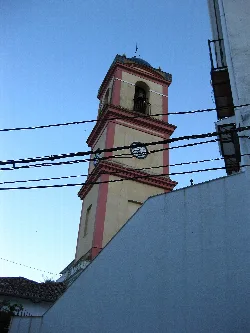
Church tower with clock and bell tower in Algatocín.
AlgatocínMálaga

What is the church in Algatocín like?

The Iglesia Nuestra Señora del Rosario is a notable landmark in Algatocín. It features a distinctive bell tower and serves as a central place of worship for the community. The church is integral to local traditions and celebrations, particularly during the October festivities honoring the Virgin of the Rosary.
Iglesia Nuestra Senora del Rosario For visitors ›

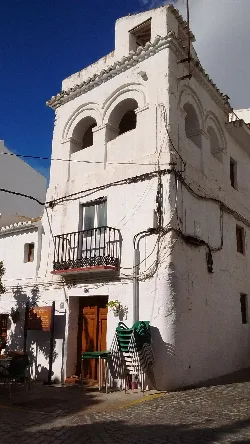
White building with balcony and stacked chairs on the street.
Canillas de AceitunoMálaga

What can you tell me about the Casa de los Diezmos?

The Casa de los Diezmos is a notable building in Canillas de Aceituno, characterized by its Mudéjar arches. Historically, it was the site for the annual collection of a tenth of the silk production, known as azeytuní. This house reflects the rich cultural heritage of the village, showcasing the architectural influences from both the Islamic and Christian periods.

Casa de los Diezmos For visitors ›

Canillas de AceitunoMálaga

What are the streets like in Canillas de Aceituno?

The streets of Canillas de Aceituno are narrow and winding, characteristic of traditional Andalusian villages. They are often adorned with flowers and feature Mudéjar architectural elements, creating a charming atmosphere. This layout not only adds to the village's aesthetic appeal but also provides a cool respite during hot summer months.

For visitors ›

Canillas de AlbaidaMálaga

What is the architecture like in Canillas de Albaida?

Canillas de Albaida features a compact urban layout with narrow, winding streets and whitewashed houses typical of Andalusian villages. Notable buildings include the Iglesia de Nuestra Señora de la Expectación, which dates back to the 16th-17th centuries, showcasing a robust structure with a wooden armature.

For visitors ›

Cuevas de San MarcosMálaga

What are the main attractions in Cuevas de San Marcos?

Key attractions include the Cueva Belda, known for its impressive stalactites and stalagmites, and the archaeological site of Medina Belda. Visitors can also explore the Museo Arqueológico Local, the church of San Marcos Evangelista, and the Ermita de Nuestra Señora del Carmen, which houses the town's patron saint.

For visitors ›

PizarraMálaga

What is the Ermita de Nuestra Señora de la Fuensanta like?

The Ermita de Nuestra Señora de la Fuensanta is a unique Mozarabic chapel dedicated to the patron saint of Pizarra. It features a single nave carved into rock, divided by arches, and showcases intricate yeserías from the 18th century. The chapel was restored in the early 20th century, enhancing its Neogothic facade, making it a notable site for visitors.

Ermita de Nuestra Señora de la Fuensanta For visitors ›

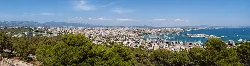
Panoramic view of Palma de Mallorca from Castell de Bellver.
PalmaBalearic Islands

What can I see from Castell de Bellver?

From Castell de Bellver, you can enjoy a panoramic view of Palma de Mallorca and its beautiful bay. The castle itself is a historic landmark, and the surrounding landscape includes the Serra de Tramuntana mountains in the background, making it a perfect spot for photography and sightseeing.

Castell de Bellver For visitors ›

PalmaBalearic Islands

What is the significance of La Seu in Palma?

La Seu, the cathedral of Palma, is a remarkable Gothic structure built on the site of a previous mosque. Construction began in 1229 and continued for centuries, finishing in 1601. It is renowned for its stunning architecture and historical importance, making it a must-visit landmark in the city.

La Seu For visitors ›

PalmaBalearic Islands

What can you tell me about the Old City of Palma?

The Old City of Palma features narrow streets and stunning architecture reminiscent of Florence. It houses historic sites like the Ajuntament and the Banys Àrabs, providing a glimpse into the city's rich Moorish past.

Old City For visitors ›

PalmaBalearic Islands

What are the Banys Àrabs?

The Banys Àrabs, or Arab Baths, are one of the few remnants of Palma's Moorish heritage. Dating back to the 11th century, they feature a small two-room structure with a cupola and columns from earlier Roman constructions, showcasing the city's historical architecture.

Banys Àrabs For visitors ›

ManacorBalearic Islands

What can I see at the Torre dels Enagistes?

The Torre dels Enagistes is a 14th-century tower that now houses the Museu d’Història de Manacor. The museum features archaeological exhibits, including the notable Balèria mosaic and historical graffiti from the 15th to 18th centuries.

Torre dels Enagistes For visitors ›

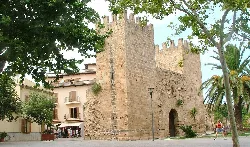
Stone gate with arch in Alcudia's city walls, Mallorca.
l'AlcúdiaBalearic Islands

What is the Porta del Moll in Alcúdia?

The Porta del Moll is one of the historical gates of Alcúdia, showcasing the town's medieval architecture. It was part of the city's fortifications and is notable for its impressive stone structure. This gate has significant historical value, marking the entrance to the old town and reflecting Alcúdia's rich past.

Porta del Moll For visitors ›

l'AlcúdiaBalearic Islands

Are there any notable museums in Alcúdia?

Yes, Alcúdia is home to several notable museums, including the Museu monogràfic de Pol·lèntia, which showcases archaeological finds from the ancient Roman city of Pol·lèntia. Visitors can see various artifacts, including ceramics and coins, providing insight into the region's historical significance.

Museu monogràfic de Pol·lèntia For visitors ›

l'AlcúdiaBalearic Islands

What can I find at the Auditori d’Alcúdia?

The Auditori d’Alcúdia is a cultural center that hosts a variety of events, including concerts, theater performances, and exhibitions. Opened in 2000, it features a main hall with a capacity for 496 people, making it a central venue for cultural activities in the town.

Auditori d’Alcúdia For visitors ›

ArtàBalearic Islands

What are some must-see sights in Artà?

Artà is home to several notable sights, including the pilgrimage church of Sant Salvador, which offers panoramic views from its hilltop location. The late Gothic parish church of Transfiguració del Senyor is also worth visiting, along with the Regional Museum of Artà, which showcases local history and archaeology. Don't miss the beautiful coastal area, particularly the beach of s'Arenal de Sa Canova and the stunning Cap de Ferrutx cliffs.

For visitors ›

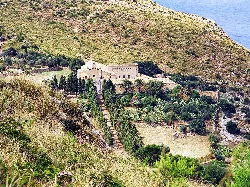
Small hermitage on a hill with vegetation and sea view.
ArtàBalearic Islands

What is the significance of the Ermita de Betlem?

The Ermita de Betlem is a historic hermitage located in the hills northwest of Artà. It has been inhabited by monks and offers a serene environment for reflection and spirituality. The hermitage is surrounded by beautiful landscapes, making it a popular spot for visitors seeking tranquility and a connection to nature.

Ermita de Betlem For visitors ›

SóllerBalearic Islands

What is the significance of the 'Orangenexpress' train in Sóller?

The 'Orangenexpress' is a historic train that connects Palma de Mallorca and Sóller, established in 1912. It was originally used to transport oranges quickly from Sóller to the mainland. Today, it operates with vintage carriages, serving as a tourist attraction and offering scenic views of the beautiful Mallorcan landscape along the route.

Orangenexpress For visitors ›

SóllerBalearic Islands

Are there any notable museums in Sóller?

Yes, Sóller boasts several notable museums, including the Casal de Cultura, which showcases traditional artifacts, clothing, and archaeological finds. The Museu Balear de Ciencies Naturals features natural science exhibits, while the Can Prunera Museum focuses on modernist art and design, displaying works by artists like Picasso and Miró, enriching the cultural landscape of the town.

For visitors ›

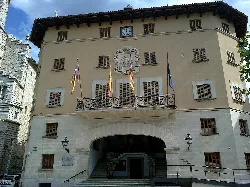
Town hall building with flags on the facade in Sóller.
SóllerBalearic Islands

What is the significance of the town hall in Sóller?

The town hall of Sóller, located in a prominent building, reflects the town's historical and administrative importance. It serves as the center for local governance and community events. The architecture features elements from different periods, showcasing the town's rich heritage and commitment to preserving its cultural identity.

town hall For visitors ›

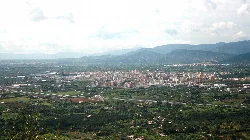
Landscape with city, fields, and mountains seen from an elevated point in Inca.
IncaBalearic Islands

What can I see from Puig de Santa Magdalena in Inca?

From Puig de Santa Magdalena, visitors can enjoy stunning panoramic views of Inca and the surrounding landscape of Mallorca. This vantage point offers a picturesque outlook over the town, showcasing its unique architecture and the natural beauty of the Balearic Islands. It's a popular spot for both locals and tourists looking to capture the essence of the region.

Puig de Santa Magdalena For visitors ›

IncaBalearic Islands

What type of architecture can I find in Inca?

Inca showcases a mix of architectural styles, including Gothic, Baroque, and traditional Balearic designs. Notable structures include the medieval Ermita de Santa Magdalena and the Baroque-style Iglesia de Santa María de la Mayor. The town's architecture reflects its historical evolution and cultural influences over centuries.

For visitors ›

CiutadellaBalearic Islands

What are the typical streets like in Ciutadella?

Ciutadella is known for its narrow streets, often featuring unique names like Que no passa and Ses Voltes. These charming lanes lead from the Plaza Nueva to the Cathedral and are lined with historical buildings, making them a delightful area for exploration.

For visitors ›

Sant Marçal Church in Marratxí with trees and rural road.
MarratxíBalearic Islands

What can you tell me about the Sant Marçal Church?

The Sant Marçal Church, located in La Cabaneta, is significant as the main religious site in Marratxí. Constructed in the 17th and 18th centuries, it features a Baroque altarpiece by Juan Deyá. The church was damaged by an earthquake in 1851, leading to restoration and expansion in 1864.

Sant Marçal Church For visitors ›

MarratxíBalearic Islands

What is the significance of the Museo del Barro?

The Museo del Barro, located in La Cabaneta, showcases Marratxí's rich tradition of pottery. It features around 900 handcrafted pieces, highlighting the area's historical craftsmanship and the importance of ceramics in local culture.

Museo del Barro For visitors ›