Sights

3,246 questions

Medina SidoniaCádiz

What are the main attractions to see in Medina Sidonia?

Medina Sidonia boasts a rich historical legacy with numerous monuments, including the Castillo de Medina Sidonia and the Iglesia Mayor de Santa María la Coronada. The town's archaeological sites, such as the Roman ruins, and its charming historic center, declared a cultural heritage site, are also significant attractions. Additionally, the local festivals and culinary delights, particularly its famous alfajores, add to the town's charm.
For visitors ›

Medina SidoniaCádiz

What is the significance of the Castillo de Medina Sidonia?

The Castillo de Medina Sidonia, dating from the 13th to 15th centuries, is a key historical landmark. It symbolizes the town's medieval past and served as a defensive structure during various conquests. Today, it offers panoramic views of the surrounding landscape, making it a popular spot for visitors interested in history and architecture.

Castillo de Medina Sidonia For visitors ›

Medina SidoniaCádiz

What is the significance of the Iglesia Mayor de Santa María la Coronada?

The Iglesia Mayor de Santa María la Coronada, built between the 15th and 17th centuries, is a prominent religious site in Medina Sidonia. It features stunning architecture and valuable artwork, making it a key historical and cultural landmark. The church plays a central role in local religious celebrations, especially during the Fiesta patronal.

Iglesia Mayor de Santa María la Coronada For visitors ›

UbriqueCádiz

What are some must-see sights in Ubrique?

Ubrique is known for its beautiful whitewashed buildings and stunning natural surroundings. Key sights include the historic town center, the Castillo de Fátima, and the picturesque views from the surrounding mountains. The town is also part of the Ruta de los Pueblos Blancos, which showcases its rich cultural heritage and stunning landscapes.

For visitors ›

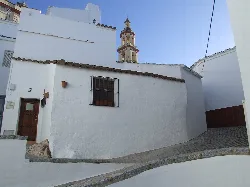
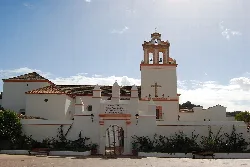
White façade and tower of the sanctuary in Jimena de la Frontera.
Jimena de la FronteraCádiz

What can you tell me about the Sanctuary of Our Lady Queen of Angels?

The Sanctuary of Our Lady Queen of Angels was built in the late 15th century and renovated in the 17th century. It served as a refuge for the Poor Claires after the English took Gibraltar. The church features a barrel-vaulted nave and a notable Baroque alcove housing a primitive icon of the Virgin.

Sanctuary of Our Lady Queen of Angels For visitors ›

Jimena de la FronteraCádiz

What are the architectural features of the Church of Our Lady of Victory?

The Church of Our Lady of Victory, originally the old Convent of Saint Anne, features two naves and an airy bell tower. Its modern design includes a simple front and an outdoor patio, reflecting its historical evolution since the Minims settled there around 1600.

Church of Our Lady of Victory For visitors ›

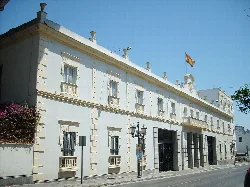
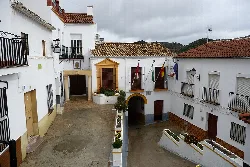
Town Hall building in Torre Alháquime with flags and white houses.
Torre AlháquimeCádiz

What is the Town Hall like in Torre Alháquime?

The Town Hall (Ayuntamiento) of Torre Alháquime is a charming white building typical of Andalusian architecture. It features a traditional design with a tiled roof and decorative elements, reflecting the local style. The building serves as the administrative center of the municipality and is an important landmark in the town, symbolizing local governance and community activities.

Town Hall (Ayuntamiento) For visitors ›

White church on a hill with rural landscape and hills in the background.
Torre AlháquimeCádiz

Can you tell me about the church in Torre Alháquime?

The Church of Nuestra Señora de la Antigua, built in the 18th century, is a significant religious site in Torre Alháquime. It features a Baroque façade adorned with three bells and houses a retablo from the 17th century. This church is a focal point for local religious celebrations and reflects the town's historical and cultural heritage.

Church (Iglesia) For visitors ›

Torre AlháquimeCádiz

What are the main attractions in Torre Alháquime?

Torre Alháquime boasts several attractions, including the historic Church of Nuestra Señora de la Antigua, the ruins of the ancient fortress, and the picturesque town square. The surrounding natural landscape offers opportunities for hiking and enjoying the scenic views. Additionally, the local artisan crafts and traditional gastronomy are key highlights for visitors.

For visitors ›

Alcalá del ValleCádiz

What are the main attractions in Alcalá del Valle?

Alcalá del Valle is known for its stunning natural landscapes and historical landmarks. Key attractions include the Iglesia Santa María del Valle, a Baroque church, and the Monasterio de Caños Santos, a former Franciscan monastery. The town is also the endpoint of the famous Ruta de los Pueblos Blancos, making it a popular stop for tourists exploring Andalusia's picturesque villages.

For visitors ›

Alcalá del ValleCádiz

What is the significance of the Monasterio de Caños Santos?

The Monasterio de Caños Santos, located about six kilometers from Alcalá del Valle, is a significant historical site founded in the 16th century. It was established by the Count of Ureña and is known for its architectural beauty, although it is currently in ruins. The site is a pilgrimage destination during the Romería de Caños Santos held every May 1st.

Monasterio de Caños Santos For visitors ›

Alcalá del ValleCádiz

What is the significance of the Fuente Grande in Alcalá del Valle?

Fuente Grande is a historically important site in Alcalá del Valle, known for its natural springs. This location has been a vital water source since the town's early days and features five spouts that flow into a restored communal wash area. Archaeological excavations nearby have revealed Roman remains, indicating the area's long-standing habitation.

Fuente Grande For visitors ›

El GastorCádiz

Can you tell me about the Iglesia de San José in El Gastor?

The Iglesia de San José is an 18th-century neoclassical church in El Gastor, notable for its simple yet elegant design. It features a single nave, a dome, and a bell tower. Inside, you can find images of the patron saint, San José, and the Virgen del Rosario. The church exemplifies the architectural style of its time and is an important landmark in the town.

Iglesia de San José For visitors ›

El GastorCádiz

What is the significance of the Museo de Uso y Costumbres Populares?

The Museo de Uso y Costumbres Populares in El Gastor showcases the local traditions and cultural heritage of the town. It features artifacts and tools used by the community, reflecting the daily life and customs of its residents. The museum is located near the town hall and is dedicated to preserving the history of El Gastor.

Museo de Uso y Costumbres Populares For visitors ›

El GastorCádiz

What can you tell me about the local architecture in El Gastor?

El Gastor is known for its traditional whitewashed buildings, characteristic of Andalusian architecture. The town features narrow streets and charming plazas, with notable structures like the Iglesia de San José and various historical homes that reflect the region's cultural heritage and architectural style.

For visitors ›

Cobblestone street with white houses in Olvera, Cádiz.
OlveraCádiz

What can I see in the Barrio de la Villa?

The Barrio de la Villa is known for its narrow, winding streets and historic architecture. Visitors can explore traditional whitewashed houses and enjoy stunning views of the surrounding landscape. The area is rich in history, featuring remnants of Olvera's past, including the old castle and various churches that reflect its cultural heritage.

Barrio de la Villa For visitors ›

ChipionaCádiz

What is the significance of the Faro de Chipiona?

The Faro de Chipiona, built in 1867, is the tallest lighthouse in Spain and the 21st tallest in the world. It serves as a crucial navigation aid for ships entering the Guadalquivir River, helping to prevent accidents near the dangerous Salmedina reef.

Faro de Chipiona For visitors ›

ChipionaCádiz

What are the main attractions in Chipiona?

Chipiona offers several attractions, including the iconic Faro de Chipiona, the Santuario de Nuestra Señora de Regla, and beautiful beaches like Playa de Regla. The town is also known for its vibrant festivals and rich agricultural heritage, particularly in wine and flowers.

For visitors ›

White building with windows and flags in San Fernando.
San FernandoCádiz

What can you tell me about the General Captaincy building in San Fernando?

The General Captaincy building in San Fernando is an important historical structure, reflecting the city's military heritage. Built in the early 20th century, it has served various administrative functions related to the Spanish military. Its façade is notable for its architectural style, making it a prominent landmark in the city. Visitors often admire its design and significance in San Fernando's history.

General Captaincy For visitors ›

San FernandoCádiz

What are the main attractions near the beaches in San Fernando?

Near the beaches in San Fernando, particularly Playa de Camposoto, visitors can explore the natural dunes and the nearby Islote de Sancti Petri, which features a historic castle. The area is also known for its rich biodiversity, making it a great spot for birdwatching and enjoying the natural scenery.

For visitors ›

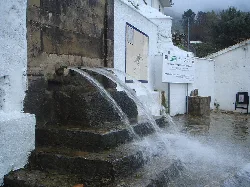
Stone fountain with water flowing in Benaocaz, Cádiz.
BenaocazCádiz

What can you tell me about the Fuente de Benaocaz?

The Fuente de Benaocaz is a notable public fountain characterized by its Baroque style. It features a monumental design with a public fountain and a trough for animals, showcasing the town's historical architecture and providing a vital water source for both residents and livestock.

Fuente de Benaocaz For visitors ›

BenaocazCádiz

What is the main landmark in Benaocaz?

The main landmark in Benaocaz is the Parroquia de San Pedro, a Renaissance-style church built on the site of an ancient mosque. Its architecture includes elements from its Islamic past, such as the original foundation of the bell tower, making it a significant historical and cultural site in the town.

Parroquia de San Pedro For visitors ›

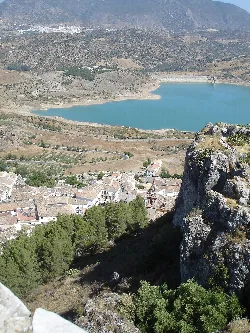
Panoramic view of Algodonales, the reservoir, and mountains in Cádiz.
AlgodonalesCádiz

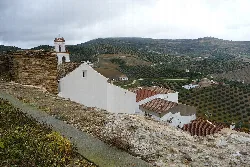
What is the white building on the hill in the photo?

The white building on the hill is part of Algodonales, showcasing the traditional architecture of the region. The town is known for its whitewashed houses, characteristic of the Andalusian style, which contribute to its charm and appeal as part of the White Towns route.

For visitors ›

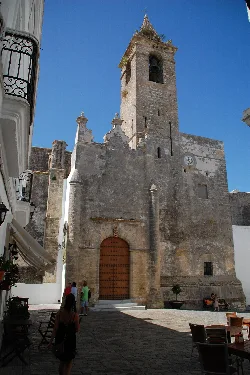
Church facade with tower and clock in Vejer de la Frontera.
Vejer de la FronteraCádiz

What is the significance of the Iglesia del Divino Salvador?

The Iglesia del Divino Salvador is notable for its unique architectural style, combining Mudéjar and Gothic elements. It was built on the site of an ancient mosque, reflecting the town's diverse cultural heritage. This church is an important landmark in Vejer and is admired for its historical significance and beautiful design.

Iglesia del Divino Salvador For visitors ›