Sights

3,246 questions

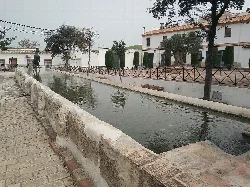
Stone wall watering place with water in Guadalcázar.
GuadalcázarCórdoba

Can you tell me about the public washhouse in Guadalcázar?

The public washhouse, known as the Pilar de Abajo, has historical roots dating back to the 14th century. It served as a vital community resource for livestock and water management and remains one of the largest of its kind in Córdoba, reflecting local heritage.
Pilar de Abajo For visitors ›

Church tower with bell and pointed roof, surrounded by greenery.
VillaraltoCórdoba

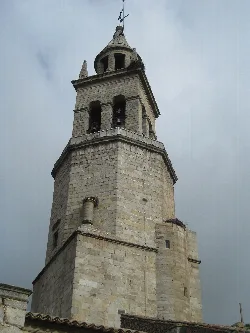
What is the tower of the Parroquia de San Pedro like?

The tower of the Parroquia de San Pedro stands approximately 17 meters tall and is a prominent feature of Villaralto. It has a granite structure with a prism-shaped base, a bell chamber with arches, and an octagonal top that houses a clock, making it a notable landmark in the town.

Parroquia de San Pedro For visitors ›

VillaraltoCórdoba

Are there any archaeological sites to visit in Villaralto?

Yes, Villaralto has several archaeological sites, including the Rincón de Berrocoso, where remnants of a Roman camp have been found. The Casa de la Mora is another significant site, revealing artifacts from Roman and Arab occupations, making it a point of interest for history enthusiasts.

For visitors ›

VillaraltoCórdoba

What is the significance of the Museo del Pastor?

The Museo del Pastor in Villaralto showcases the traditional lifestyle of shepherds in the region. It features exhibits that reflect the daily lives, tools, and customs of past generations, preserving the cultural heritage and agricultural practices of the area.

Museo del Pastor For visitors ›

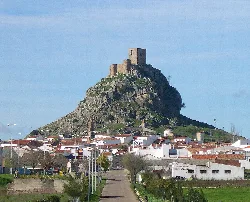
Castle on a hill with white houses and a road in front.
BelmezCórdoba

What is the Castillo de Belmez like?

The Castillo de Belmez is an impressive fortress situated on a limestone promontory. It features six semicircular towers and a pentagonal tower of eleven meters in height. The castle's design adapts to the rocky terrain, providing stunning views of the surrounding area, including Sierra Palacios and the Sierra Boyera reservoir. The castle's history is rich, with remnants of its medieval architecture still visible today.

Castillo de Belmez For visitors ›

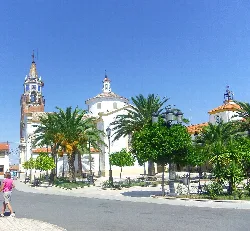
White church with dome and tower in Valsequillo, Córdoba, with palms and trees around.
ValsequilloCórdoba

What is the main church in Valsequillo?

The main church in Valsequillo is the Iglesia de la Inmaculada Concepción, built in the 1950s. It features a neoclassical interior with a Latin cross plan and is adorned with Jonic columns. The exterior showcases a beautiful façade with a red-brick bell tower, making it a notable architectural landmark in the town.

Iglesia de la Inmaculada Concepción For visitors ›

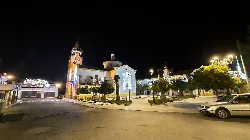
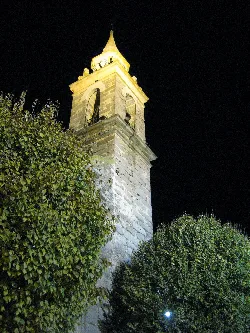
Valsequillo de Córdoba square with trees, buildings, and a tower at night.
ValsequilloCórdoba

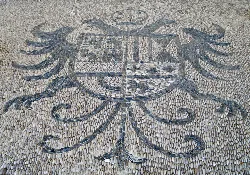
What is the Plaza de Valsequillo like?

The Plaza de Valsequillo serves as the town's central hub, featuring the Ayuntamiento and the church. Recently remodeled, it has a modern design with a mosaic of the town's coat of arms on the ground, replacing the previous lush greenery. It's a great spot to enjoy the local atmosphere.

Plaza de Valsequillo For visitors ›

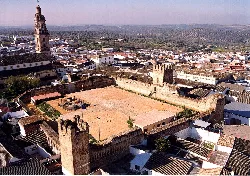
Aerial view of Bujalance castle with walls and central courtyard.
BujalanceCórdoba

What can you tell me about the Alcázar of Bujalance?

The Alcázar of Bujalance, built in 935 during the reign of Abd al-Rahman III, is a prime example of military architecture from the Muslim period in al-Ándalus. Originally named Burŷ al-Hanaš, it served as a fortress and has undergone several renovations, the last in 1512. Today, it hosts cultural events and is recognized as a historical monument, showcasing the town's rich heritage.

Alcázar For visitors ›

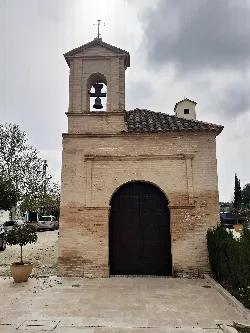
Small chapel with bell tower and cross in Bujalance, Córdoba.
BujalanceCórdoba

What is the significance of the Ermita de la Consolación in Bujalance?

The Ermita de la Consolación is an important religious site in Bujalance, reflecting the town's cultural heritage. It serves as a place of worship and community gatherings, showcasing local architectural styles. The chapel is a testament to the town's historical significance and its connection to the traditions of the region, making it a notable landmark for both residents and visitors.

Ermita de la Consolación For visitors ›

BujalanceCórdoba

What architectural styles are prominent in Bujalance?

Bujalance showcases a mix of architectural styles, heavily influenced by its Islamic heritage. The town's historical center features typical Andalusian architecture, with whitewashed buildings and narrow streets. Notable structures include the Alcázar and the Iglesia de Ntra. Sra de la Asunción, which reflect Gothic and Renaissance styles, preserving the town's rich cultural history.

For visitors ›

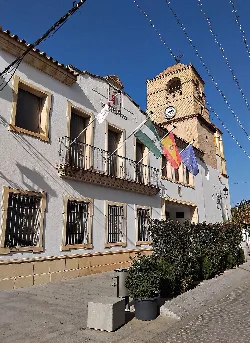
White building with flags and clock on the tower.
Villafranca de CórdobaCórdoba

What is the Casa consistorial in Villafranca de Córdoba?

The Casa consistorial, or town hall, in Villafranca de Córdoba is an important municipal building that reflects the town's architectural style. It features a beautiful façade and is located near the Torre del Reloj, making it a notable landmark in the town, often visited by locals and tourists alike.

Casa consistorial For visitors ›

Villafranca de CórdobaCórdoba

What is the significance of the Ermita de San Miguel?

The Ermita de San Miguel is a historic church in Villafranca de Córdoba, founded in the late 14th century. It features Gothic vaults and has undergone several renovations over the centuries. Today, it houses the Museo de Escultura y Artesanía Antonio Fernández 'El Carbonero', showcasing local art and craftsmanship.

Ermita de San Miguel For visitors ›

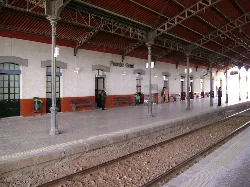
Platform of Puente Genil station with people and benches.
Puente GenilCórdoba

What does the Estación de ferrocarriles de Puente Genil look like?

The Estación de ferrocarriles de Puente Genil features a classic architectural style with distinct ironwork and spacious platforms. Although it now serves primarily as a freight station, its historical significance remains, reflecting the city's transport heritage and connectivity within the region.

Estación de ferrocarriles de Puente Genil For visitors ›

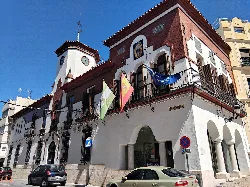
White building with clock and flags on the facade in Puente Genil
Puente GenilCórdoba

What is the architectural style of the Casa consistorial de Puente Genil?

The Casa consistorial, or town hall, of Puente Genil showcases a blend of architectural styles, reflecting the town's historical evolution. Its design features elements typical of the 18th and 19th centuries, with decorative facades and a prominent position in the town, symbolizing local governance and community identity.

Casa consistorial de Puente Genil For visitors ›

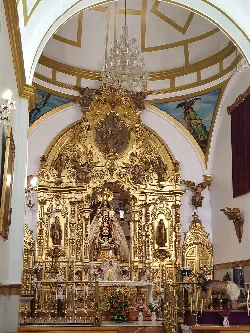
Golden religious altar with figures inside a church.
RuteCórdoba

What is the Retablo del Santuario de Nuestra Señora del Carmen?

The Retablo del Santuario de Nuestra Señora del Carmen is a significant religious altar located in Rute. It is dedicated to the Virgin of Carmen, who is the patron saint of the town. The retablo features intricate designs and is an important site for local worship and cultural events, reflecting the deep religious devotion of the community.

Retablo del Santuario de Nuestra Señora del Carmen For visitors ›

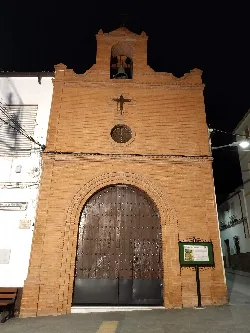
Brick church facade with wooden door and bell tower at the top.
RuteCórdoba

What can you tell me about the Ermita de la Vera Cruz?

The Ermita de la Vera Cruz is a charming chapel in Rute, known for its historical and architectural significance. It serves as a place of worship and community gathering, reflecting the town's cultural heritage. Visitors often appreciate its serene atmosphere and the beautiful surroundings, making it a popular spot for both locals and tourists.

Ermita de la Vera Cruz For visitors ›

Palma del RíoCórdoba

What are the main historical sites to visit in Palma del Río?

Palma del Río boasts several significant historical sites, including the Convento de Santa Clara, the Iglesia de la Asunción, and the Palacio de Portocarrero. The town's historical center, declared a cultural heritage site in 2002, also features remnants of its ancient walls and the castle-alcazaba, reflecting its rich architectural history.

For visitors ›

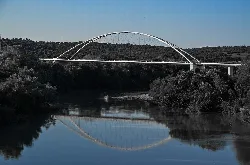
White arch bridge over the Guadalquivir river
Palma del RíoCórdoba

What is the significance of the Puente sobre el Guadalquivir?

The Puente sobre el Guadalquivir is an important modern bridge in Palma del Río, enhancing connectivity in the region. It symbolizes the town's development and infrastructure improvements, facilitating access to both Córdoba and Sevilla.

Puente sobre el Guadalquivir For visitors ›

Shell mosaic coat of arms on the facade of San Miguel Arcángel church.
Villanueva de CórdobaCórdoba

What is the significance of the Iglesia de San Miguel Arcángel?

The Iglesia de San Miguel Arcángel is a notable religious building in Villanueva de Córdoba, dating from the 16th to 18th centuries. It reflects the architectural styles of its time and serves as a central place of worship for the community. The church is also associated with the town's cultural identity and traditions.

Iglesia de San Miguel Arcángel For visitors ›

Villanueva de CórdobaCórdoba

What are some historical landmarks in Villanueva de Córdoba?

Villanueva de Córdoba features several historical landmarks, including the Iglesia de San Miguel Arcángel and the Casa consistorial from the 18th century. The town's architecture reflects its rich history and cultural heritage, making it an interesting place for history enthusiasts to explore.

For visitors ›

CabraCórdoba

What is the significance of the Vía Verde de la Subbética?

The Vía Verde de la Subbética is a scenic route that repurposes the old Tren del Aceite railway. It's popular for cycling and walking, offering stunning views of the Sierras Subbéticas. The route is ideal for outdoor enthusiasts looking to enjoy the natural landscape while learning about the region's history through the interpretation center at the old train station.

Vía Verde de la Subbética For visitors ›

CabraCórdoba

What is the architecture like in Cabra?

Cabra features a blend of architectural styles reflecting its rich history. The town showcases traditional Andalusian architecture, with whitewashed buildings, intricate tile work, and historic structures like the Ayuntamiento. The influence of various cultures, including Roman and Moorish, is evident in its diverse architectural landscape.

For visitors ›

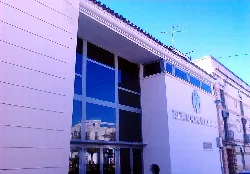
Modern facade of the municipal theater with large windows.
Montalbán de CórdobaCórdoba

What is the significance of the Teatro Municipal de Montalbán de Córdoba?

The Teatro Municipal de Montalbán de Córdoba is a modern venue inaugurated on January 23, 2011. It serves as a cultural hub, hosting theatrical performances, exhibitions, and film screenings. With a capacity of 209 seats, it provides a space for various community events and cultural activities, enhancing the local arts scene.

Teatro Municipal de Montalbán de Córdoba For visitors ›

Stone church tower with bell tower and dome in Pedroche.
PedrocheCórdoba

What can you tell me about the Torre de la iglesia de Pedroche?

The Torre de la iglesia de Pedroche is a prominent feature of the town, showcasing a mix of architectural styles. It stands as a historical landmark, constructed from local granite, which is a common building material in the region. This tower is part of the Iglesia del Salvador, which was built on the site of an ancient castle, reflecting the town's rich history.

Torre de la iglesia de Pedroche For visitors ›