Sights

3,246 questions

Higuera de CalatravaJaén

What are the main features of the Pilar Abrevadero?

The Pilar Abrevadero, also known as the 'pilar viejo,' dates back to the 16th century and is notable for its two water spouts—one providing fresh water and the other brackish. It has been a vital water source for the town and is recognized for its well-preserved structure, showcasing the historical importance of water supply in the region.
Pilar Abrevadero For visitors ›

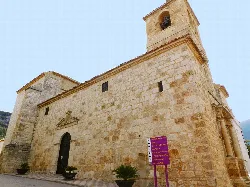
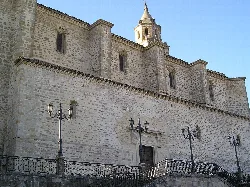
Lateral view of a stone church with windows and street lamps on the facade.
VillacarrilloJaén

What can you tell me about the Iglesia de Nuestra Señora de la Asunción?

The Iglesia de Nuestra Señora de la Asunción is a significant architectural landmark in Villacarrillo, designed by Andrés de Vandelvira. Construction began around 1540, and it features a mix of Gothic and early Renaissance styles. The church is known for its impressive tower, standing 56 meters tall, and its beautiful main entrance, the Puerta del Sol. It was declared a monument of historical and artistic interest in 1939.

Iglesia de Nuestra Señora de la Asunción For visitors ›

VillacarrilloJaén

What is the significance of the Plaza de España?

The Plaza de España is a historic and enigmatic spot in Villacarrillo, known for its association with the legend of San Juan de la Cruz. The square is surrounded by notable buildings, including the palacete of the comendador and the Palacio de Marcos de Pellón y Crespo, which house the community of Mercedarias del Santísimo Sacramento. It's a cultural hub for locals and visitors alike.

Plaza de España For visitors ›

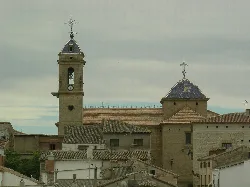
Bell tower and dome of the former Collegiate Church of Santiago in Castellar.
CastellarJaén

What can you tell me about the Colegiata de Santiago?

The Colegiata de Santiago is a significant monument in Castellar, known for its medieval architecture. It serves as a central point in the town, surrounded by rectilinear streets and houses of historical origin. This site reflects the rich cultural heritage of the area and is an important attraction for visitors interested in history and architecture.

Colegiata de Santiago For visitors ›

Sorihuela del GuadalimarJaén

What can I see in Sorihuela del Guadalimar?

Visitors to Sorihuela del Guadalimar can explore several historical sites, including the Iglesia parroquial de Santa Águeda, a Renaissance church with beautiful wooden ceilings. The Torreón árabe, a remnant of an Islamic fortress, offers a glimpse into the town's past. Additionally, the Plaza de los Caños is a lively spot for local festivities and gatherings.

For visitors ›

Fuensanta de MartosJaén

What is Fuensanta de Martos known for?

Fuensanta de Martos is a small municipality in the province of Jaén, Andalusia, with a rich agricultural economy, particularly known for olive cultivation. It also has a notable furniture industry. The town features historical sites, including the Iglesia de Nuestra Señora de la Fuensanta and the Torre del Algarrobo, reflecting its diverse cultural heritage.

For visitors ›

Fuensanta de MartosJaén

What is the Fuente de la Negra?

The Fuente de la Negra is a significant public fountain located near the Iglesia de Nuestra Señora de la Fuensanta. Its current design was chosen through a community vote, emphasizing its cultural importance. The fountain features a cubic structure with multiple arches and a small statue of the Virgin inside.

Fuente de la Negra For visitors ›

Fuensanta de MartosJaén

What is the architectural style of the Iglesia de Nuestra Señora de la Fuensanta?

The Iglesia de Nuestra Señora de la Fuensanta is built in a Renaissance style, dating back to the 16th century. It features a simple yet elegant design with a single nave, Doric columns, and a distinctive tower integrated into the structure, reflecting its historical significance.

Iglesia de Nuestra Señora de la Fuensanta For visitors ›

Fuensanta de MartosJaén

What are the main landmarks in Fuensanta de Martos?

Key landmarks in Fuensanta de Martos include the Iglesia de Nuestra Señora de la Fuensanta, the Fuente de la Negra, and the Torre del Algarrobo. Each site highlights the town's cultural and historical significance, offering insights into its rich heritage.

For visitors ›

Stone church with tower and simple facade in Jamilena.
JamilenaJaén

What can you tell me about the church in Jamilena?

The Iglesia parroquial de Nuestra Señora de la Natividad began construction in the 16th century under Emperor Charles V. Designed by architect Francisco del Castillo el Mozo, it was completed in the 17th century by Juan Sequero de la Matilla. The church follows a single-nave model typical of Jesuit architecture, featuring side chapels.

Iglesia de Jamilena For visitors ›

TorredonjimenoJaén

What historical sites should I visit in Torredonjimeno?

Key historical sites in Torredonjimeno include the 13th-century castle, the 16th-century Puente de San Sebastián, and the 17th-century Ayuntamiento. The old town has been declared a cultural heritage site, showcasing various churches and the Molino del Cubo, all reflecting the town's rich history.

For visitors ›

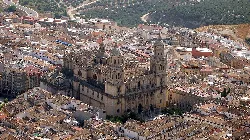
Aerial view of Jaén Cathedral with its towers and detailed facade.
JaénJaén

What can you tell me about Jaén Cathedral?

Jaén Cathedral is a significant Renaissance-style cathedral, with construction starting in 1570 and finishing in 1802. It is dedicated to the Assumption of the Virgin and houses the relic of the Holy Face, displayed every Friday. The cathedral showcases various artistic styles due to its lengthy construction period, with architect Andrés de Vandelvira being a notable figure in Andalusian Renaissance architecture.

Jaén Cathedral For visitors ›

JaénJaén

What are the Arab Baths in Jaén?

The Arab Baths in Jaén are among the largest preserved Islamic bathhouses in Spain, located beneath Villardompardo's Palace. Historically, they served as a purification space for visitors. Although no longer in use, these baths are a popular tourist attraction, offering insight into the city's Islamic heritage and architectural history.

Arab Baths For visitors ›

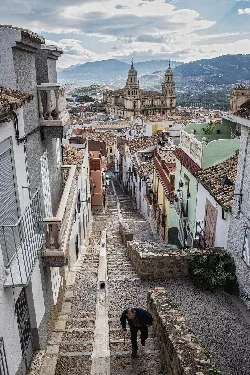
Steep street in the Jewish quarter of Jaén with cathedral and mountains in the background.
JaénJaén

What can you tell me about the Judería quarter?

The Judería quarter in Jaén is a historic area known for its narrow, winding streets and rich cultural heritage. It reflects the city's past, particularly during the time of Al-Andalus. Visitors can explore its charming architecture and learn about the Jewish community that once thrived in this part of the city.

Judería For visitors ›

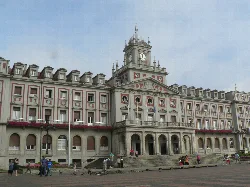
Town hall building with clock and stairs in Ferrol
FerrolA Coruña

What is the significance of the Palacio Municipal in Ferrol?

The Palacio Municipal, or City Hall, is a notable landmark in Ferrol, reflecting the city's historical importance. It serves as the administrative center and showcases impressive architecture, symbolizing the city's rich maritime history and its role as a naval hub. The building is often a focal point for local events and gatherings, making it a central piece of Ferrol's civic life.

Palacio Municipal For visitors ›

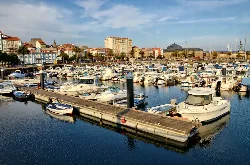
Several boats in Ferrol port with buildings and palm trees behind.
FerrolA Coruña

What can I see at Ferrol Port?

Ferrol Port is a bustling hub where visitors can see various boats docked, reflecting the city's ongoing maritime activities. The port is known for its depth and safety, making it an important location for both commercial and naval shipping. It's a great place for a leisurely stroll, enjoying views of the water and the surrounding cityscape.

Ferrol Port For visitors ›

Aircraft carrier Principe de Asturias on the sea with planes on deck.
FerrolA Coruña

What is the significance of the aircraft carrier Príncipe de Asturias?

The aircraft carrier Príncipe de Asturias was a significant vessel in the Spanish Navy, serving as a flagship. It represents Ferrol's long-standing naval heritage and its role in modern maritime defense. The ship was involved in various missions and exercises, showcasing the capabilities of the Spanish naval fleet.

Príncipe de Asturias For visitors ›

VimianzoA Coruña

What can I see at Pedra Cuberta?

Pedra Cuberta is notable for its megalithic structures, including some of the most characteristic dolmens in Galicia. It is also the site where the first cave paintings in the northwest of the Iberian Peninsula were discovered by Georg Leisner. The area is part of a proposed 'Parque do Megalitismo' to protect and promote these ancient monuments.

Pedra Cuberta For visitors ›

BriónA Coruña

What are the main attractions in Brión?

Brión offers a rich cultural landscape, including the historic Castillo de Altamira, which reflects its noble past. The region is also known for its beautiful natural scenery, with the rivers Sar and Tambre providing picturesque views. Additionally, the local churches, such as those in the various parishes, showcase architectural styles from different periods, making them interesting stops for visitors.

For visitors ›

BriónA Coruña

What historical sites should I visit in Brión?

In Brión, visitors should explore the remains of the Castillo de Altamira, which showcases the area's noble history. Additionally, the local churches, such as the one in Bastavales, reflect architectural styles from various historical periods and are worth a visit for their cultural significance.

For visitors ›

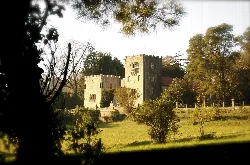
View of the Pazo de Meirás with its tower and gardens in Sada.
SadaA Coruña

What can you tell me about the Pazo de Meirás?

The Pazo de Meirás is a historic mansion located in Sada, known for its association with the writer Emilia Pardo Bazán and later with dictator Francisco Franco. This impressive building showcases architectural styles typical of the region and is surrounded by beautiful gardens, making it a notable landmark in the area.

Pazo de Meirás For visitors ›

SadaA Coruña

What is the significance of the Batería de Corbeiroa?

The Batería de Corbeiroa is a historic coastal defense battery built in the 18th century, located south of Sada's port. It served to protect the area and its fishing industries, representing the military significance of Sada during that period. Today, it stands as a reminder of the town's historical defenses.

Batería de Corbeiroa For visitors ›

VedraA Coruña

What is the significance of the Ponte Busacos?

Ponte Busacos is an important historical bridge in Vedra, dating back to Roman times. It served as a vital crossing point on ancient routes, linking various regions. The bridge's architecture and historical context highlight its role in facilitating trade and travel, making it a notable landmark within the municipality.

Ponte Busacos For visitors ›

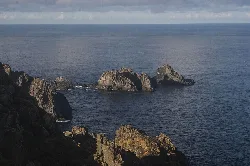
Rock formations in the sea seen from a cliff in Ortigueira.
OrtigueiraA Coruña

What are 'Os Tres Aguillóns'?

'Os Tres Aguillóns' refers to three prominent rocky peaks located east of Cabo Ortegal. These geological formations are significant landmarks in the area and are depicted in the town's coat of arms. They hold historical importance, as they were mentioned by ancient geographers and are a part of the natural landscape of Ortigueira.

Os Tres Aguillóns For visitors ›