Sights

3,246 questions

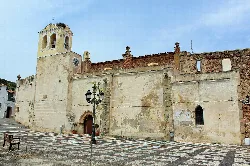
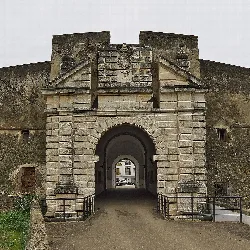
Stone gate with arch in Olivenza, with fortress walls and structure.
OlivenzaBadajoz

What can you tell me about the Ajuda Bridge in Olivenza?

The Ajuda Bridge, constructed in 1510 under King Manuel I of Portugal, is a historical landmark in Olivenza. It was built to connect the town with Elvas and has significant historical value, having been used during various military conflicts. Although it was destroyed in 1709, it remains a symbol of the town's rich heritage.
Ajuda Bridge For visitors ›

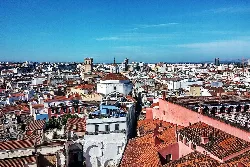
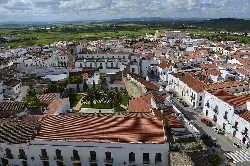
Aerial view of narrow streets and historic buildings in Olivenza.
OlivenzaBadajoz

What are some notable landmarks in Olivenza?

Olivenza is home to several notable landmarks, including the Church of Saint Mary of the Castle, the Holy Ghost Chapel, and the Saint Mary Magdalene Church, which showcases Portuguese Manueline architecture. The town's historical area is recognized for its cultural significance and beautiful landscape, making it a charming destination.

For visitors ›

Aerial view of narrow streets and historic buildings in Olivenza.
OlivenzaBadajoz

What is the story behind the Holy Ghost Chapel in Olivenza?

The Holy Ghost Chapel, or Capilla del Espíritu Santo, is a significant religious site in Olivenza. It reflects the town's historical ties to both Portuguese and Spanish cultures, serving as a place for local worship and community gatherings, embodying the spiritual heritage of the area.

Holy Ghost Chapel For visitors ›

OlivenzaBadajoz

Why is Olivenza considered a heritage site?

Olivenza is recognized as a heritage site due to its rich historical and architectural significance, which includes a blend of Gothic, Manueline, and Baroque styles. The town's unique history, marked by its Portuguese past and Spanish administration, contributes to its cultural value, attracting interest from historians and visitors alike.

For visitors ›

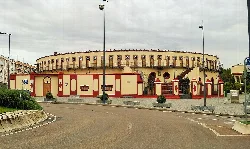
Almendralejo bullring, circular building with red and beige decorations.
AlmendralejoBadajoz

What is the Plaza de Toros de Almendralejo like?

The Plaza de Toros de Almendralejo, built in 1834 and remodeled in 1912, features a striking neomudéjar style. It has a unique design with a bodega beneath the stands, capable of holding a significant amount of wine. The plaza is an important cultural venue for bullfighting events in the region.

Plaza de Toros de Almendralejo For visitors ›

AlmendralejoBadajoz

What are the main churches in Almendralejo?

Almendralejo is home to several notable churches, including the Church of Nuestra Señora de la Purificación and the Parroquia de San Roque. The former features a blend of Gothic and Baroque styles, while the latter has historical significance as the town's patron saint. Both churches reflect the local architectural heritage.

For visitors ›

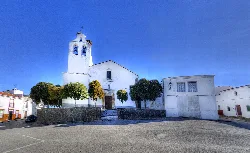
Square with white church and trees in Usagre, Badajoz.
UsagreBadajoz

What is the significance of the Iglesia de Nuestra Señora de Gracia in Usagre?

The Iglesia de Nuestra Señora de Gracia is the main Catholic church in Usagre, located in the archdiocese of Mérida-Badajoz. It was built on the remains of a Visigoth basilica, showcasing its historical importance. The church serves as a central place of worship and community gathering for the residents of Usagre.

Iglesia de Nuestra Señora de Gracia For visitors ›

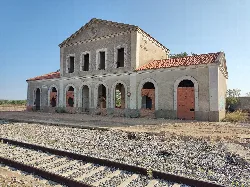
Train station building with arches and windows beside the tracks.
UsagreBadajoz

What is the old train station in Usagre like?

The old train station in Usagre, known as Estación de tren Usagre-Bienvenida, features a distinctive architectural style typical of early 20th-century railway buildings. Although it is no longer in operation, it serves as a reminder of the town's historical connections to the railway network.

Estación de tren Usagre-Bienvenida For visitors ›

CastilblancoBadajoz

What are the main streets or areas to explore in Castilblanco?

In Castilblanco, the main streets include Avenida de Extremadura and Calle de Francisco Naveso, which are the longest and widest. The southern part of the town features older neighborhoods with narrow, winding streets, reflecting its medieval origins.

For visitors ›

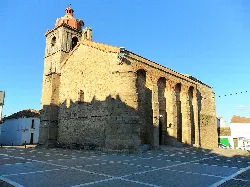
Parish church of Our Lady of the Assumption in Malpartida de la Serena.
Malpartida de la SerenaBadajoz

What can you tell me about the church in Malpartida de la Serena?

The church in Malpartida de la Serena is dedicated to Nuestra Señora de la Asunción and is the town's most notable monument. Built between the late 15th and early 16th centuries, it showcases a mix of late Gothic and early Renaissance styles. It features a single nave and a bell tower that suffered damage during the Spanish Civil War, necessitating reconstruction.

Iglesia parroquial de Nuestra Señora de la Asunción For visitors ›

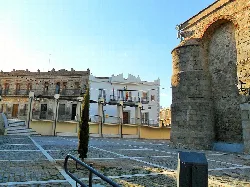
Square with buildings and a church in Malpartida de la Serena.
Malpartida de la SerenaBadajoz

What is the significance of the Plaza de España in Malpartida de la Serena?

Plaza de España is the heart of Malpartida de la Serena, featuring the prominent church of Nuestra Señora de la Asunción. This square serves as a central gathering place for community events and celebrations, reflecting the town's social and cultural life.

Plaza de España For visitors ›

Old church façade with bell tower in La Parra, Badajoz.
La ParraBadajoz

What can I see at the Iglesia parroquial de Nuestra Señora de la Asunción?

The Iglesia parroquial de Nuestra Señora de la Asunción features a blend of architectural styles, including Gothic and Mudéjar elements. Its construction began during the military occupation and saw significant expansions in the 15th century. Visitors can admire its intricate interior, unfinished tower, and historical significance as a former arciprestazgo.

Iglesia parroquial de Nuestra Señora de la Asunción For visitors ›

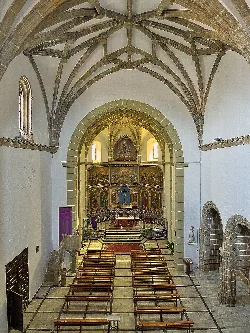
View of the interior of a church with vaults and a decorated altar.
Calera de LeónBadajoz

What is the significance of the Iglesia de Santiago Apóstol in Calera de León?

The Iglesia de Santiago Apóstol is a late Gothic church dating from the late 15th century. It features a unique architectural style with a single nave and several chapels. The church is notable for its intricate altarpiece, which depicts scenes from the battle of Tentudía and includes a statue of the Crucified Christ, showcasing the rich religious history of the area.

Iglesia de Santiago Apóstol For visitors ›

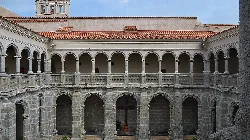
Cloister with stone arches and columns in Calera de León.
Calera de LeónBadajoz

What is the Conventual Santiaguista known for?

The Conventual Santiaguista, built in the late 15th century, served as a residence for the knights of the Order of Santiago. It features a stunning Renaissance-style cloister and was home to the Colegio de San Marcos de León. The building is recognized for its artistic stonework and historical significance, having been declared a National Historic-Artistic Monument in 1931.

Conventual Santiaguista For visitors ›

Gallery with paintings and a sculpture on display
Fregenal de la SierraBadajoz

What can I expect to see at the Museo de Arte Contemporáneo de Fregenal?

The Museo de Arte Contemporáneo de Fregenal features a permanent exhibition showcasing contemporary artworks. Visitors can explore various artistic styles and mediums, reflecting the cultural vibrancy of the region and its commitment to the arts.

Museo de Arte Contemporáneo de Fregenal For visitors ›

View of Badajoz city from Torre Espantaperros with buildings and blue sky.
BadajozBadajoz

What can I see from the Torre Espantaperros?

From the Torre Espantaperros, you can enjoy panoramic views of Badajoz and its surroundings. This historic tower, part of the Alcazaba fortress, offers a scenic perspective of the city’s landscape, showcasing its unique architecture and the Guadiana River. It's a great spot for photography and to appreciate the city’s historical significance.

Torre Espantaperros For visitors ›

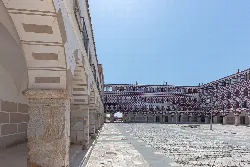
Arches and stone columns in Plaza Alta, Badajoz.
BadajozBadajoz

What is the Plaza Alta known for?

Plaza Alta is a central square in Badajoz, renowned for its unique architectural style and vibrant atmosphere. It features colorful buildings with traditional Extremaduran tiles and is a popular gathering place for locals and visitors alike. The square often hosts cultural events and markets, making it a lively spot in the city.

Plaza Alta For visitors ›

BadajozBadajoz

What can you tell me about the Cathedral of San Juan Bautista?

The Cathedral of San Juan Bautista in Badajoz, built in the 13th century, showcases a blend of architectural styles, including Gothic, Renaissance, and Plateresque. Originally a mosque, it was converted after the Christian conquest. The cathedral's imposing walls and unique windows reflect the city's tumultuous history and architectural diversity.

Cathedral of San Juan Bautista For visitors ›

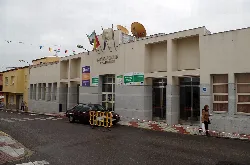
Building of the Palace of Culture in Calamonte with flags and people on the sidewalk.
CalamonteBadajoz

What can you tell me about the Palace of Culture in Calamonte?

The Palace of Culture in Calamonte serves as a community hub, hosting various cultural events and activities. It is a modern building that reflects the town's commitment to promoting arts and education. The architecture is functional and welcoming, making it a popular venue for local gatherings and celebrations.

Palace of Culture For visitors ›

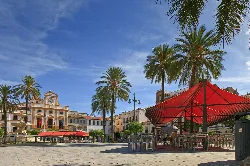
Square with palm trees, terraces, and historic building in Mérida.
MéridaBadajoz

What can I see at the Mayor Square in Mérida?

Mayor Square, or Plaza de España, is a vibrant hub in Mérida featuring beautiful architecture, including the Town Hall and the Conventual Santiaguista. The square is lined with palm trees and offers a variety of cafes and restaurants, making it a perfect spot to relax and enjoy the local atmosphere.

Mayor Square For visitors ›

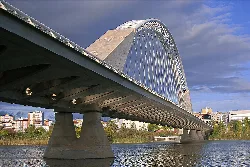
Large arch bridge over the Guadiana River in Mérida
MéridaBadajoz

What is the significance of the Lusitania Bridge?

The Lusitania Bridge is a modern architectural marvel that spans the Guadiana River. Completed in 1991, it symbolizes the blend of Mérida's rich historical heritage with contemporary design. The bridge is a popular spot for both locals and tourists, offering stunning views of the city.

Lusitania Bridge For visitors ›

MéridaBadajoz

What historical sites should I visit in Mérida?

Mérida is rich in historical sites, including the Roman Theatre, the Amphitheatre, and the Temple of Diana. The Archaeological Ensemble of Mérida, a UNESCO World Heritage site, showcases the city's Roman past and is a must-visit for history enthusiasts.

For visitors ›

Villafranca de los BarrosBadajoz

What can I see at the Santuario de Nuestra Señora de la Coronada?

The Santuario de Nuestra Señora de la Coronada is notable for its Baroque altar, which features a statue of the Virgin of Coronada. The sanctuary has a unique architectural design with a single vaulted nave and a choir with an 18th-century organ. It is also associated with a local miracle involving the ringing of bells without manual action.

Santuario de Nuestra Señora de la Coronada For visitors ›

Villafranca de los BarrosBadajoz

What is the significance of the Iglesia parroquial de Nuestra Señora del Valle?

The Iglesia parroquial de Nuestra Señora del Valle is an important religious site in Villafranca de los Barros, recognized as a cultural heritage site. It serves as a parish church and plays a central role in the community's religious activities, reflecting the town's historical and architectural significance.

Iglesia parroquial de Nuestra Señora del Valle For visitors ›