Sights

3,246 questions

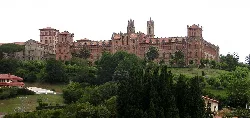
University building on a hill with trees and vegetation.
ComillasCantabria

What is the Universidad Pontificia de Comillas known for?

The Universidad Pontificia de Comillas is notable for its modernist architecture and historical significance. Originally located in Comillas, it has become a campus of the Universidad de Cantabria. The university is associated with influential ecclesiastical figures and is a key landmark in the town, showcasing designs by renowned artists.
Universidad Pontificia de Comillas For visitors ›

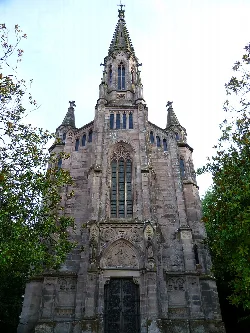
Front view of the chapel-mausoleum with Gothic details and a spire.
ComillasCantabria

What can you tell me about the Capilla-Panteón in Comillas?

The Capilla-Panteón, part of the Palacio de Sobrellano complex, is a significant historical and architectural site in Comillas. It features a unique design and is surrounded by a beautiful park. This chapel serves as a final resting place for notable figures and reflects the artistic styles prevalent in the town.

Capilla-Panteón For visitors ›

ComillasCantabria

What is the architectural style of buildings in Comillas?

Comillas is renowned for its eclectic architectural styles, particularly modernism. Notable buildings, like El Capricho designed by Gaudí, showcase unique designs that blend medieval and baroque influences, reflecting the town's rich artistic heritage.

For visitors ›

RiotuertoCantabria

What are the main sights to see in Riotuerto?

Riotuerto offers several notable sights, including the Portalada de Carlos III in La Cavada, which dates back to 1784, and the Church of Santa María Magdalena in Rucandio from 1740. The Real Fábrica de Cañones is also a cultural landmark, along with various historical houses and the picturesque landscapes shaped by the Miera River.

For visitors ›

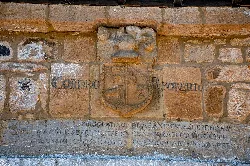
Coat of arms and plaque on an old house wall in Riotuerto.
RiotuertoCantabria

What is the significance of the Casa de los Cordero?

The Casa de los Cordero, located in the Barrio de Arriba, is a historical mansion dating back to the late 16th century. It was built from three medieval towers and reflects the architectural heritage of the region, showcasing the blend of historical influences and local craftsmanship.

Casa de los Cordero For visitors ›

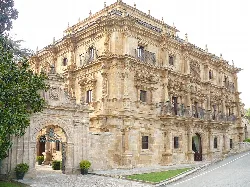
Stone palace with windows and balconies in Villacarriedo, Cantabria.
VillacarriedoCantabria

What is the Palacio de Soñanes known for?

The Palacio de Soñanes is a significant cultural landmark in Villacarriedo, recognized as a Bien de interés cultural since 1981. It is noted for its Baroque architecture, featuring a cubic shape and three stories, adorned with rich ornamental details. The palace showcases a mix of classical styles and is surrounded by gardens that include several protected trees.

Palacio de Soñanes For visitors ›

VillacarriedoCantabria

What is La Cajigona in Villacarriedo?

La Cajigona is a notable centenary oak tree located in one of the main squares of Villacarriedo. It is recognized for its impressive size and is included in the Regional Catalog of Singular Trees, making it a must-see for visitors interested in local natural heritage.

La Cajigona For visitors ›

LiendoCantabria

What can you tell me about the Playa de San Julián?

Playa de San Julián is a small beach measuring about 180 meters in length, located amidst steep coastal cliffs. It is the only beach accessible directly from the valley of Liendo. The area is known for its scenic beauty, and the beach is popular during the summer months, offering a unique landscape for visitors to enjoy.

Playa de San Julián For visitors ›

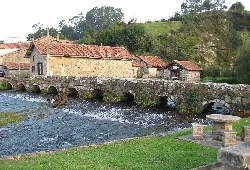
Stone bridge with nine arches over a river in Ruente, Cantabria.
RuenteCantabria

What can I see at the medieval bridge in Ruente?

The medieval bridge in Ruente features nine low, semi-circular arches and is a significant architectural landmark. It spans a river, showcasing traditional stone construction. The bridge offers picturesque views of the surrounding landscape and is a great spot for photography, making it a must-see for visitors exploring the area.

medieval bridge For visitors ›

RuenteCantabria

What are the main architectural styles in Ruente?

Ruente features a mix of architectural styles, including Renaissance houses and mountain-style casonas. Notable structures include the Casona de la Canal and the Palacio de Mier, which reflect the region's cultural heritage. The blend of Gothic and Neoclassical elements can also be observed in various buildings throughout the municipality.

For visitors ›

VillafufreCantabria

What are the main attractions in Villafufre?

Villafufre offers several notable attractions, including the Palacio de Ceballos, which has historical significance and is now located in Madrid. The local church, built in the 17th century, features a remarkable retablo. Additionally, the Rollo Heráldico de Villafufre and the surrounding natural beauty of the Pas-Miera region are also worth exploring.

For visitors ›

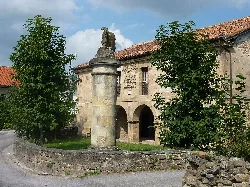
Stone heraldic pillar in Villafufre with trees and an old building.
VillafufreCantabria

What is the Rollo Heráldico de Villafufre?

The Rollo Heráldico de Villafufre is a historical monument located in Vega de Villafufre. It served as a symbol of local justice and authority in the past. This stone column is notable for its intricate carvings and represents the historical governance of the region.

Rollo Heráldico de Villafufre For visitors ›

VillafufreCantabria

What is the church like in Villafufre?

The church in Villafufre, built in the 17th century, features a simple yet elegant design with a wooden roof and a notable retablo from the early 18th century. It serves as a focal point for the community and reflects the area's architectural heritage.

For visitors ›

RasinesCantabria

What can you tell me about the church in Rasines?

The parish church of San Andrés in Rasines is a cultural heritage site and is recognized as a monument. It reflects the architectural style and history of the region, making it an important landmark for both residents and visitors interested in local culture and history.

church of San Andrés For visitors ›

RasinesCantabria

What are the notable local landmarks in Rasines?

Notable landmarks in Rasines include the church of San Andrés and the square bullring of the Santos Mártires, which is unique for its square shape. These sites are significant for their cultural and historical value, attracting both locals and visitors.

For visitors ›

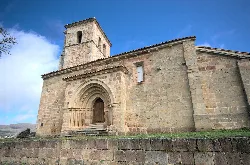
Stone church with tower and Romanesque arch in Valdeolea, Cantabria.
ValdeoleaCantabria

What is the Iglesia de Santa María la Real known for?

The Iglesia de Santa María la Real, located in Las Henestrosas de las Quintanillas, is notable for its Gothic paintings. This historical church is recognized as a monument and is part of the rich cultural heritage of Valdeolea, showcasing the region's artistic significance.

Iglesia de Santa María la Real For visitors ›

PeñarrubiaCantabria

What is the significance of the Torre del Pontón?

The Torre del Pontón, located in Linares, is a notable cultural heritage site in Peñarrubia. It dates back to the late Middle Ages and was part of a defensive system. Recently restored as a museum, it showcases the region's historical architecture and provides insight into the local nobility's past.

Torre del Pontón For visitors ›

PeñarrubiaCantabria

What are the main attractions in Peñarrubia?

Peñarrubia offers several attractions, including the dramatic Desfiladero de La Hermida, the historical Castillo de Piñeres, and the Torre del Pontón. Additionally, the natural beauty of the surrounding mountains and the opportunities for hiking and fishing make it a destination for outdoor enthusiasts.

For visitors ›

LogroñoLa Rioja

What are some must-see attractions in Logroño?

Logroño offers several notable attractions, including the Concatedral de Santa María de la Redonda, Iglesia de San Bartolomé, and the Museo de La Rioja. The Plaza del Mercado is also a vibrant area where many festivals take place. Don't miss the historic Bridge of Mantible, a Roman-era structure, and the beautiful Paseo del Príncipe de Vergara for a relaxing stroll.

For visitors ›

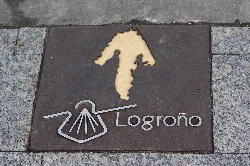
Metal plaque with shell symbol, arrow, and the word Logroño.
LogroñoLa Rioja

How does the Camino de Santiago relate to Logroño?

Logroño is an important stop on the Camino de Santiago, a historic pilgrimage route. The city has been a place of passage for pilgrims for centuries, making it a significant cultural and spiritual hub along this famous trail. Visitors can find markers and signs throughout the city indicating the route.

Camino de Santiago For visitors ›

LogroñoLa Rioja

What is the Plaza del Ayuntamiento known for?

Plaza del Ayuntamiento is notable for its modern Town Hall, designed by architect Rafael Moneo. This large plaza has hosted numerous public events, festivals, and concerts. During Christmas, it features a life-size nativity scene, making it a focal point for community gatherings throughout the year.

Plaza del Ayuntamiento For visitors ›

LogroñoLa Rioja

What is the significance of the Bridge of Mantible?

The Bridge of Mantible, located in the El Cortijo district, is a Roman-era structure recognized as a Bien de Interés Cultural. Its historical significance lies in its age and architectural style, reflecting the city's long-standing importance as a crossing point over the Ebro River.

Bridge of Mantible For visitors ›

CalahorraLa Rioja

What are some historical landmarks to visit in Calahorra?

Calahorra is rich in historical landmarks, primarily from its Roman past. Notable sites include the ruins of the Roman city Calagurris and the ancient cathedral of Santa María, which is built on the site of the martyrdom of its patron saints, San Emeterio and San Celedonio. The statue of La Matrona, commemorating the city's resistance during the siege by Pompey, is also significant.

For visitors ›

Panoramic view of Arnedo from the castle, with buildings and mountains in the background.
ArnedoLa Rioja

What can I see from the Castillo de Arnedo?

From the Castillo de Arnedo, visitors can enjoy panoramic views of the city and the surrounding landscape. The castle, perched on a hill, offers a historical perspective of the area, showcasing its strategic importance during medieval times. The ruins reflect the architectural styles from various periods, including Roman and Arab influences, making it a fascinating site for history enthusiasts.

Castillo de Arnedo For visitors ›