Sights

3,246 questions

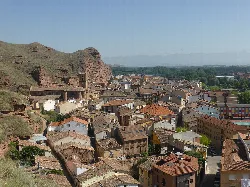
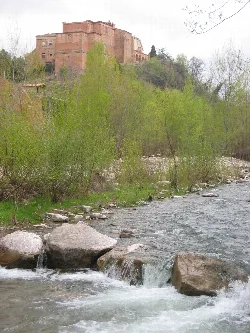
Monastery on a hilltop with river and green trees in foreground
ArnedoLa Rioja

What is the significance of the Monasterio de Vico?

The Monasterio de Vico, located about three kilometers from Arnedo, is significant for its historical and architectural value. Originally a medieval monastery, it now features a Gothic structure from the 16th century. It is home to Cistercian nuns and is a peaceful retreat, making it a notable site for visitors interested in religious history and architecture.
Monasterio de Vico For visitors ›

ArnedoLa Rioja

What can I find in the Museo del Calzado?

The Museo del Calzado in Arnedo showcases the history and evolution of footwear production in the region. Visitors can explore various exhibits that include traditional craftsmanship techniques, modern manufacturing processes, and historical footwear from different eras. The museum highlights Arnedo's importance in the footwear industry and its cultural significance.

Museo del Calzado For visitors ›

ArnedoLa Rioja

Are there any notable churches in Arnedo?

Yes, Arnedo features several notable churches, including the Iglesia de Santo Tomás, known for its Gothic architecture, and the Iglesia de San Cosme y San Damián, which boasts a beautiful Baroque altarpiece. The Iglesia de Santa Eulalia is also significant for its rich collection of Baroque paintings, making them important cultural landmarks in the city.

For visitors ›

ArnedoLa Rioja

What is the significance of the Cuevas de los Cien Pilares?

The Cuevas de los Cien Pilares are an important archaeological site in Arnedo, representing a unique aspect of the region's heritage. These caves, excavated under Cerro San Miguel, were once used as homes and storage spaces. They provide insight into the historical relationship between the inhabitants and their environment, making them a key attraction for visitors interested in history and anthropology.

Cuevas de los Cien Pilares For visitors ›

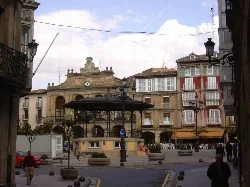
Square with old buildings, a kiosk in the center, and people walking.
HaroLa Rioja

What can I see in Plaza Mayor de Haro?

Plaza Mayor de Haro is the main square and a vibrant hub of the city, featuring a charming bandstand and surrounded by beautiful architecture. It's a great place to relax, enjoy local cafes, and soak in the atmosphere. The square often hosts events and gatherings, making it a lively spot for both residents and visitors.

Plaza Mayor de Haro For visitors ›

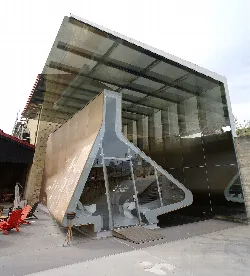
Modern glass and metal structure at Viña Tondonia Winery in Haro.
HaroLa Rioja

What is the significance of the Tondonia Winery Pavilion designed by Zaha Hadid?

The Tondonia Winery Pavilion, designed by renowned architect Zaha Hadid, is a modern architectural marvel in Haro. It serves as a visitor center for the Viña Tondonia Winery, showcasing the region's rich wine culture. The pavilion's innovative design contrasts beautifully with the traditional wineries, making it a must-see for architecture and wine enthusiasts alike.

Viña Tondonia Winery Pavilion For visitors ›

HaroLa Rioja

Are there any notable architectural landmarks in Haro?

Yes, Haro boasts several architectural landmarks, including the main facade of the Church of Santo Tomás, designed by Felipe Vigarny. The city's historic center is recognized as a historic-artistic ensemble, featuring numerous palaces and traditional buildings that reflect its rich architectural heritage.

For visitors ›

LarderoLa Rioja

What are the main attractions in Lardero?

Lardero is home to several notable attractions, including the Basilica of San Marcial, which features a stunning Rococo dome and beautiful frescoes. The Church of San Pedro, with its unique Neoclassical architecture, is also significant. Additionally, the town hosts various festivals, such as the San Pedro and San Marcial celebrations, which are popular among locals and visitors alike.

For visitors ›

Facade of San Marcial Basilica in Lardero with wooden doors and a small bell at the top.
LarderoLa Rioja

What is the significance of the Basilica of San Marcial?

The Basilica of San Marcial, built around 1716, is dedicated to the patron saint of Lardero. It features a single nave with a stunning Rococo dome adorned with frescoes. The church is an important religious site and hosts various local celebrations, making it a central part of the community's cultural identity.

Basilica of San Marcial For visitors ›

LarderoLa Rioja

What can you tell me about the Church of San Pedro?

The Church of San Pedro in Lardero began construction in the early 16th century and showcases Neoclassical architecture. It features a central nave with a unique octagonal dome and has undergone various renovations over the centuries, including significant work in the 18th and 19th centuries, making it a historical landmark in the town.

Church of San Pedro For visitors ›

Virgin of the Pillar chapel in Alfaro, with white walls and tiled roofs.
AlfaroLa Rioja

What is the Ermita de la Virgen del Pilar in Alfaro?

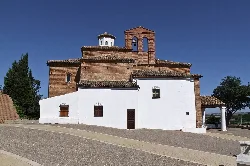
The Ermita de la Virgen del Pilar is a classical-style chapel located about 3 km from the town center of Alfaro. It is a significant religious site where locals gather on October 12 each year to purchase blessed cords, a tradition that highlights its cultural importance in the community.

Ermita de la Virgen del Pilar For visitors ›

San Francisco Convent with towers and sculptures in Alfaro.
AlfaroLa Rioja

What is the Colegiata de San Miguel Arcángel?

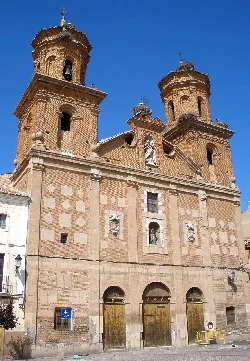
The Colegiata de San Miguel Arcángel is the largest church in La Rioja, built between the 16th and 17th centuries. It features a classic facade with twin towers and is known for its impressive interior, including numerous altarpieces and a significant stork colony on its roof, making it a vital landmark in Alfaro.

Colegiata de San Miguel Arcángel For visitors ›

Brick chapel facade with door and bell tower in Alfaro.
AlfaroLa Rioja

What is the significance of the Ermita de San Roque?

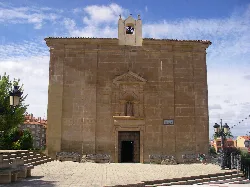
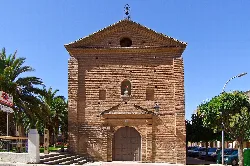
The Ermita de San Roque, built in the 17th century, is a Baroque-style chapel located in Alfaro. It is notable for its historical architecture and serves as a local religious site, although it is currently closed for renovations. Its design features a simple yet elegant facade typical of the period.

Ermita de San Roque For visitors ›

View of Nájera with houses and the monastery in the background.
NájeraLa Rioja

What can I see at the Monasterio de Santa María la Real?

The Monasterio de Santa María la Real features a blend of Gothic and Plateresque architecture. It was established as a royal pantheon and has significant historical importance. Visitors can explore its beautiful cloisters and the remains of the original structures, including the cave of the Virgin and various sepulchers. It was declared a National Monument in 1889, highlighting its cultural significance.

Monasterio de Santa María la Real For visitors ›

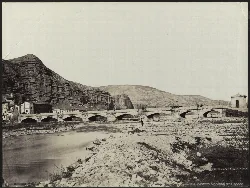
Nájera Bridge with arches and river in foreground.
NájeraLa Rioja

What can you tell me about the Puente de Nájera?

The Puente de Nájera is a historic bridge that connects different parts of the town. Its design reflects the architectural styles of the time it was built, contributing to the town's charm. The bridge also serves as a scenic spot for photos, offering views of the surrounding landscape and the Najerilla River, making it a notable landmark for visitors and residents alike.

Puente de Nájera For visitors ›

Santo Domingo de la CalzadaLa Rioja

What can I see at the Plaza del Santo?

Plaza del Santo is located in front of the cathedral and serves as the historical center of Santo Domingo de la Calzada. It was once home to important institutions like the hospital for pilgrims and the town hall. The plaza features the ancient Hospital of Peregrinos, founded by Santo Domingo, which has been transformed into a Parador de Turismo, adding to its cultural significance.

Plaza del Santo For visitors ›

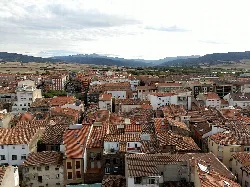
View of rooftops and streets of Santo Domingo de la Calzada with mountains in the background.
Santo Domingo de la CalzadaLa Rioja

What is the Torre de la Catedral and when was it built?

The Torre de la Catedral, a prominent feature of Santo Domingo de la Calzada, was constructed between 1767 and 1769. Standing at sixty-nine meters, it is the tallest tower in La Rioja and was designed to be more stable than previous towers that had collapsed. Its Baroque architecture makes it a significant landmark visible from afar.

Torre de la Catedral For visitors ›

Santo Domingo de la CalzadaLa Rioja

What is the Plaza de España like?

Plaza de España is the main square of Santo Domingo de la Calzada, located behind the cathedral. Unlike typical central plazas, it is situated at the northern edge of the town. Historically, it served as a market and bullring, and today features the Ayuntamiento and the Corregimiento building, showcasing its architectural heritage.

Plaza de España For visitors ›

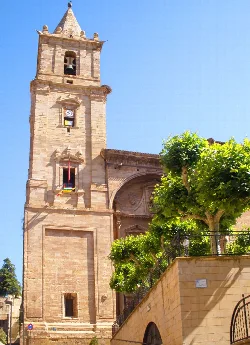
Brick tower of San Miguel Arcángel Church in Rincón de Soto.
Rincón de SotoLa Rioja

What can you tell me about the Iglesia de San Miguel Arcángel?

The Iglesia de San Miguel Arcángel is the most significant monument in Rincón de Soto. Constructed primarily in the first half of the 16th century, it features a brick structure with a nave, crucero, and several chapels. The church showcases various architectural styles, including Baroque elements from the 17th and 18th centuries. Notable features include intricate altarpieces and a baptismal font with a small retablo.

Iglesia de San Miguel Arcángel For visitors ›

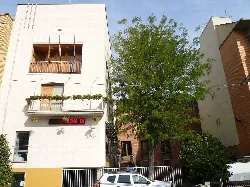
Town hall building with a large tree and a car on the street.
Rincón de SotoLa Rioja

What is the architectural style of the Ayuntamiento de Rincón de Soto?

The Ayuntamiento de Rincón de Soto features a modern architectural style, characterized by its clean lines and functional design. It serves as the municipal building, reflecting the town's contemporary development while still being integrated into the historical context of the area.

Ayuntamiento de Rincón de Soto For visitors ›

Church tower with bell tower and clock in Navarrete, La Rioja.
NavarreteLa Rioja

What can I see at the Iglesia de Santa María de la Asunción?

The Iglesia de Santa María de la Asunción, built in the late 16th century, features three naves and an impressive Baroque altarpiece. It stands as a central landmark in Navarrete, showcasing the town's historical and architectural significance.

Iglesia de Santa María de la Asunción For visitors ›

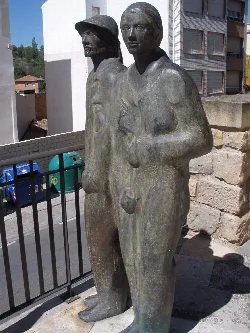
Sculpture of two human figures in Navarrete, La Rioja.
NavarreteLa Rioja

What is the significance of the Homenaje al Alfarero sculpture?

The Homenaje al Alfarero is a bronze and corten steel sculpture located on Cuesta del Caño. It honors the traditional craft of pottery in Navarrete and symbolizes the town's rich alfarería heritage, reflecting its cultural identity.

For visitors ›

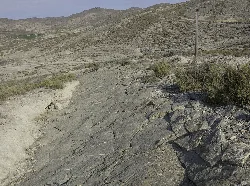
Sedimentary rocks at an archaeological site in Cervera del Río Alhama.
Cervera del Río AlhamaLa Rioja

What can you tell me about the Yacimiento de las Navillas?

Yacimiento de las Navillas is an archaeological site near Cervera del Río Alhama, declared a cultural heritage site on June 23, 2000. It features 305 dinosaur footprints, including tracks from both carnivorous and herbivorous species. The site is located on a hill near the Arroyo de Agua Vencejo and is known for its challenging access.

Yacimiento de las Navillas For visitors ›

Cervera del Río AlhamaLa Rioja

What are the notable historical buildings in Cervera del Río Alhama?

Cervera del Río Alhama features several historical buildings, including the 16th-century Iglesia de Santa Ana and the 15th to 17th-century Iglesia de San Gil. The Basilica of Nuestra Señora del Monte, built in the 16th and 17th centuries, houses a significant artwork attributed to Alonso Cano, making these sites culturally important.

For visitors ›