Sights

3,246 questions

Navascués/NabaskozeNavarre

What can you tell me about the Church of San Cristóbal?

The Church of San Cristóbal is a Gothic building from the 15th century, featuring a single nave and a modern crucero and cabecero. Its entrance has an ornate pointed arch, and inside, it boasts a baroque altarpiece and unique plateresque medallions. The church reflects the architectural evolution of the area and is a significant landmark in Navascués.
Iglesia parroquial de San Cristóbal For visitors ›

Navascués/NabaskozeNavarre

What is the significance of the Ermita de Santa María del Campo?

The Ermita de Santa María del Campo is a Romanesque church from the 12th century, notable for its unique canecillos depicting various figures. Once the parish church, it showcases architectural styles influenced by the Jacobean Romanesque. It is a cultural landmark, reflecting the historical roots of Navascués and its architectural heritage.

Ermita de Santa María del Campo For visitors ›

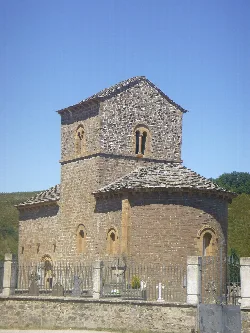
Stone church with two-level bell tower in Nabaskotze.
Navascués/NabaskozeNavarre

What is the Church in Nabaskotze like?

The Church in Nabaskotze is a significant historical site, showcasing Romanesque architecture. Its design reflects the stylistic influences of the period, and it serves as a cultural landmark for the community. The church is an important part of the local heritage, often visited by those interested in history and architecture.

Nuestra señora campo nabaskotze For visitors ›

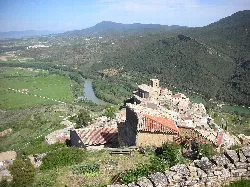
General view of Gallipienzo with the Aragón river and mountains in the background.
Gallipienzo/GalipentzuNavarre

What can I see from the church of San Salvador in Gallipienzo?

From the church of San Salvador, you can enjoy a stunning panoramic view of Gallipienzo and the surrounding landscape, including the beautiful Río Aragón flowing in the background. The elevated position of the church provides a unique vantage point to appreciate the village's picturesque setting against the backdrop of rolling hills and valleys.

church of San Salvador For visitors ›

Gallipienzo/GalipentzuNavarre

What can you tell me about the church of San Pedro in Gallipienzo?

The church of San Pedro, which became the parish church in 1640, features a façade similar to that of the older church of San Salvador. It underwent significant renovations in the late 18th century, but retains a notable retablo from 1629, showcasing the artistry of Juan de Berroeta.

church of San Pedro For visitors ›

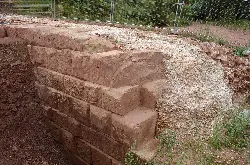
Stone wall with squared blocks at the Roman dam of Mues, Navarra.
MuesNavarre

What is the significance of the Roman dam in Mues?

The Roman dam in Mues, located in El Congosto, dates back to the 1st century AD. It is believed to have been part of an aqueduct supplying water to the ancient city of Calagurris. Excavations revealed well-preserved structures, including a wooden wheel and an inscribed bronze piece.

Roman dam For visitors ›

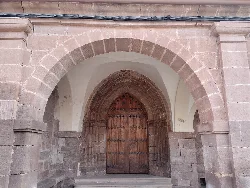
Stone arch and wooden door of a church in Mues.
MuesNavarre

What is the Church of Santa Eugenia like?

The Church of Santa Eugenia in Mues, originally built in the 13th century, exhibits Gothic elements and has undergone several renovations. The current structure includes a central nave and a distinctive tower completed in 1746, showcasing a blend of architectural styles over the centuries.

Santa Eugenia For visitors ›

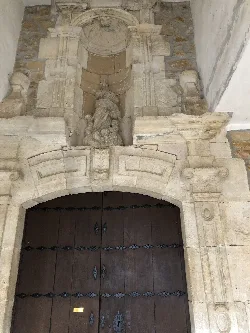
Wooden door with stone arch and sculpture above.
ZúñigaNavarre

What can you tell me about the Church of Santa María?

The Church of Santa María in Zúñiga is a Gothic-Renaissance structure from the 16th century. It features a two-tram nave and a beautifully decorated main altar. Notable interior elements include medieval baptismal fonts and a Baroque retablo, showcasing significant artistic styles of its time.

Church of Santa María For visitors ›

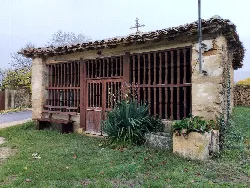
Small stone and wood chapel in Zúñiga, Navarra, with surrounding plants.
ZúñigaNavarre

What is the Ermita del Santo Cristo like?

The Ermita del Santo Cristo is a small rectangular building made of stone, featuring a wooden grill at its entrance. Inside, it houses a Crucified Christ from the early 17th century, making it a quaint yet significant religious site for the community of Zúñiga.

Ermita del Santo Cristo For visitors ›

ZúñigaNavarre

What can you tell me about the murals in Zúñiga?

Zúñiga features impressive murals created by local residents, symbolizing community unity. One mural represents the transition of the Vasco-Navarro Railway to a Vía Verde, while another showcases the village's cultural heritage. These artworks have contributed to Zúñiga winning beautification awards.

For visitors ›

TirapuNavarre

What is the architectural style of the Church of the Purísima Concepción?

The Church of the Purísima Concepción in Tirapu, built between 1591 and 1609, features a Renaissance architectural style. It has a Latin cross layout and is supported by exterior buttresses. The main altar is decorated in a Romanist style, showcasing the artistic influences of the period.

For visitors ›

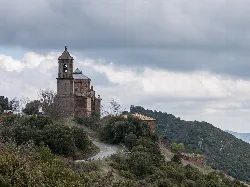
Basilica of San Gregorio Ostiense on a hill in Sorlada, Navarre, with a winding road in front.
SorladaNavarre

What is the Basilica of San Gregorio Ostiense known for?

The Basilica of San Gregorio Ostiense is renowned for its baroque and rococo architecture, featuring a Latin cross layout and a striking interior that creates a dramatic atmosphere. It dates back to the 11th century, originally starting as an ermita, and became a significant socio-religious center in Navarra from the 16th to the 18th centuries. It was voted one of the 10 Wonders of Navarra in 2008.

Basilica of San Gregorio Ostiense For visitors ›

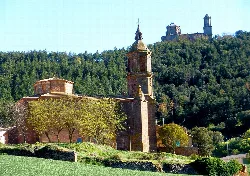
Church of Santa Cecilia and basilica in Sorlada, Navarra, with castle on hill.
SorladaNavarre

What is the Iglesia de Santa Cecilia like?

The Iglesia de Santa Cecilia is a medieval church located at the edge of Sorlada. It features a Latin cross layout, with significant renovations carried out in the 16th and 18th centuries. The interior is adorned with a notable retablo from the late 16th century, showcasing early Romanesque artistry.

Iglesia de Santa Cecilia For visitors ›

SorladaNavarre

Can you tell me about the Ermita de Nuestra Señora de la Guarda?

The Ermita de Nuestra Señora de la Guarda is situated on a nearby mountain, featuring a rectangular layout with a flat roof. It houses a rococo retablo and an image of the Virgin, signifying its importance as a local religious site. Despite its modern construction, it retains historical significance in the area.

Ermita de Nuestra Señora de la Guarda For visitors ›

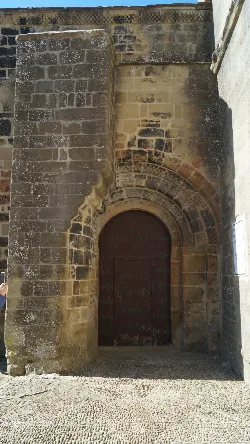
Door of the church with a stone arch and decorative details in Petilla de Aragón.
Petilla de AragónNavarre

What is the significance of the Iglesia de San Millán Abad?

The Iglesia de San Millán Abad is a notable Gothic church from the 13th century, featuring a unique single nave and intricate stonework. Its architecture includes sexpartite vaults and a Romanesque portal adorned with five archivolts. The church houses a significant crucifix from the 14th century and has undergone restoration efforts to preserve its historical value, making it a key landmark in Petilla de Aragón.

Iglesia de San Millán Abad For visitors ›

Petilla de AragónNavarre

What are the ermitas around Petilla de Aragón?

Petilla de Aragón is home to several ermitas, including the Ermita de la Virgen de la Caridad and the Ermita de San Antonio, which hosts a pilgrimage on May 10. These small chapels are integral to the local religious culture, often serving as sites for community gatherings and celebrations throughout the year.

For visitors ›

Orreaga-RoncesvallesNavarre

What can I see at the Colegiata de Santa María?

The Colegiata de Santa María is a stunning example of Gothic architecture in Roncesvalles. It features intricate designs and houses a revered statue of the Virgin from the 14th century. The church has undergone several restorations due to past fires, and its interior showcases a blend of Gothic and Baroque elements, making it a must-visit for architecture enthusiasts.

Colegiata de Santa María For visitors ›

Orreaga-RoncesvallesNavarre

What can you tell me about the Ermita de San Salvador de Ibañeta?

The Ermita de San Salvador de Ibañeta is located at the Ibañeta Pass, an important historical site since the 11th century. The current building, constructed in 1964, stands on the site of an earlier hermitage and hospital for pilgrims. It serves as a reminder of the area's rich history and its significance in the pilgrimage tradition.

Ermita de San Salvador de Ibañeta For visitors ›

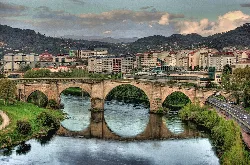
Stone Roman bridge over the river in Ourense, with buildings and mountains in the background.
OurenseOurense

What is the Roman bridge in Ourense known for?

The Roman bridge, also known as Puente Mayor, is a significant historical landmark in Ourense. It features Roman pillars and has been reconstructed multiple times throughout history. This bridge has played a crucial role in the city's development, serving as a vital commercial route since the Middle Ages. Its impressive architecture makes it a popular spot for visitors and locals alike.

Roman bridge For visitors ›

Gardens with pathways, bushes, and a fountain in Ourense.
OurenseOurense

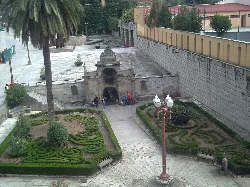
What is the significance of Las Burgas in Ourense?

Las Burgas are famous thermal springs in Ourense, known for their hot water that reaches temperatures between 60 and 68 °C. These springs have historical importance and are a key attraction for visitors seeking wellness experiences. The area around Las Burgas features beautiful gardens and facilities for relaxation, making it a popular spot for both locals and tourists.

Las Burgas For visitors ›

OurenseOurense

Are there any notable historical buildings in Ourense?

Yes, Ourense is home to several notable historical buildings, including the 12th-century Cathedral of San Martín, which features a stunning portico. Other significant sites include the cloister of San Francisco and various churches like the Santísima Trinidad. The city's old quarter is also undergoing restoration, highlighting its rich architectural heritage.

For visitors ›

OurenseOurense

What is the Casco Vello in Ourense?

Casco Vello is the historic center of Ourense, known for its charming streets and significant monuments. This area includes the Cathedral of San Martín, the Plaza Mayor, and the Concello. It is a vibrant neighborhood where visitors can explore the city's history, enjoy local cuisine, and experience the cultural life of Ourense.

Casco Vello For visitors ›

San Benito Church and crucifix in Allariz, with tower and cross.
AllarizOurense

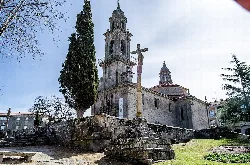
What can you tell me about the Iglesia de San Benito?

The Iglesia de San Benito is a prominent baroque church located in Allariz. Construction began in 1770, and it features a distinct proportion of elements, including a lantern and bell tower. The church is situated in the Campo da Barreira, making it a notable landmark in the area.

Iglesia de San Benito For visitors ›

AllarizOurense

What is the Casa-Torre de Castro Ojea?

The Casa-Torre de Castro Ojea is a historic building in Allariz, featuring a tower that dates back to the early 16th century. Its architecture includes three bodies surrounding the tower, and the facade reflects Baroque style from 1748. It represents the town's noble heritage and architectural diversity.

Casa-Torre de Castro Ojea For visitors ›