Sights

3,246 questions

FrómistaPalencia

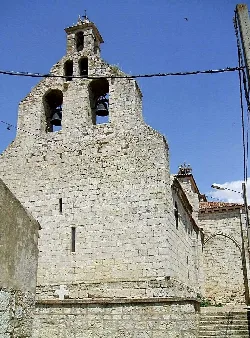
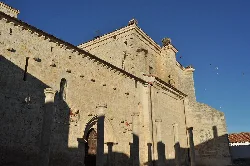
Are there any notable churches in Frómista?

Yes, Frómista is home to several notable churches, including the Iglesia de San Martín de Tours, a Romanesque masterpiece from the 11th century, and the Iglesia de Santa María del Castillo, known for its Gothic architecture and historical significance.
For visitors ›

FrómistaPalencia

What are the main attractions for tourists in Frómista?

Tourists in Frómista can explore its rich historical heritage, including the Monasterio de San Martín and the unique Canal de Castilla. The town also offers picturesque landscapes and is a stop along the Camino de Santiago, attracting pilgrims and visitors alike.

For visitors ›

Stone tower with bells and blue sky in Monzón de Campos.
Monzón de CamposPalencia

What can I expect to see at the Iglesia de El Salvador?

The Iglesia de El Salvador is a notable landmark in Monzón de Campos, characterized by its unique architectural style. Visitors can appreciate its historical significance, as it reflects the local culture and religious heritage. The church is a central part of community life and often hosts local events and celebrations.

Iglesia de El Salvador For visitors ›

Fuentes de ValdeperoPalencia

What can I see at the Museo Teófilo Calzada?

The Museo Teófilo Calzada showcases personal items of its namesake, D. Teófilo Calzada, and other cultural artifacts. The museum consists of three rooms: one with computers and internet access, another for talks and conferences, and a third for exhibitions, making it a cultural hub for the community.

Museo Teófilo Calzada For visitors ›

Church and walls of Fuentes de Valdepero under a blue sky.
Fuentes de ValdeperoPalencia

Can you tell me about the church in Fuentes de Valdepero?

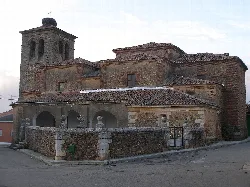
The Iglesia Ntra. Sra. de la Antigua is a significant landmark, built in the 13th century and later renovated. It features a single nave with impressive stonework, arches, and various altarpieces from different periods, showcasing a blend of architectural styles and artistic elements, making it a cultural treasure.

Iglesia Ntra. Sra. de la Antigua For visitors ›

Fuentes de ValdeperoPalencia

What is the architectural style of the Ermita de San Pedro?

The Ermita de San Pedro, built in the early 13th century, showcases late Romanesque architecture. It features a square chapel with a ribbed vault and three naves supported by columns, along with a bell gable, reflecting the historical and cultural significance of the site.

Ermita de San Pedro For visitors ›

Facade of Santa Ana church with tower and cross in Cevico de la Torre.
Cevico de la TorrePalencia

What can you tell me about the Church of Santa Ana?

The Church of Santa Ana, built in the 17th century, features a central nave with a transept. It originally had a main altarpiece, of which only images of San Joaquín, Santa Ana, and a Crucified remain. The sacristy showcases ornate baroque plasterwork.

Iglesia de Santa Ana For visitors ›

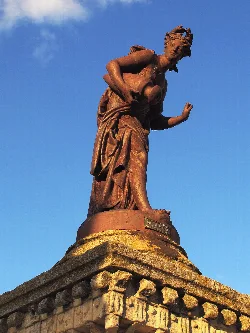
Sculpture of a woman with a jar, in Cevico de la Torre.
Cevico de la TorrePalencia

What is the significance of the statue called La Samaritana?

La Samaritana, also known as the Ninfa de la fuente, is a notable iron sculpture created in 1903 by French sculptor Albert Carrier Belleuse. It was cast in France and is part of a series with similar sculptures located in various places, including Mexico.

Escultura La Samaritana For visitors ›

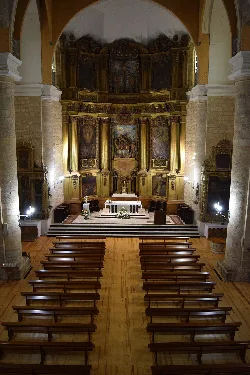
Interior of a church with an ornate altar and wooden pews.
Cevico de la TorrePalencia

What are the main features of the Church of San Martín?

The Church of San Martín, built in the late 16th century, is a Renaissance-style temple situated on a hill, accessed by a grand stone staircase. It features a striking interior with a major altarpiece created between 1666 and 1670, showcasing significant religious artworks.

Iglesia de San Martín For visitors ›

La PerníaPalencia

What are the main historical landmarks in La Pernía?

La Pernía boasts several historical landmarks, including the Iglesia de San Salvador in San Salvador de Cantamuda, known for its Romanesque architecture. Other notable sites are the Abadía de Lebanza and various traditional churches scattered throughout the region.

For visitors ›

La PerníaPalencia

What can you tell me about the local architecture in Lebanza?

Lebanza features traditional architecture that reflects the region's cultural heritage. The buildings often showcase local stonework and designs that blend harmoniously with the surrounding landscape, contributing to the area's charm.

Lebanza For visitors ›

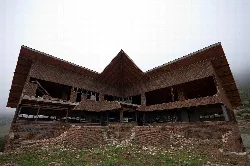
Wood and brick building on a mountain with V-shaped structure.
BrañoseraPalencia

What is the story behind the abandoned building in El Golobar?

The abandoned building in El Golobar was intended to be a Parador de Turismo and a ski station, initiated during the oil crisis of the 1970s. Due to budget cuts and the economic downturn, the project was never completed, leaving the structure in a state of neglect.

El Golobar For visitors ›

BrañoseraPalencia

What can you tell me about the Church of Santa Eulalia?

The Church of Santa Eulalia in Brañosera features a blend of Romanesque and 18th-century architecture. It retains its original southern wall and bell tower, while its notable entrance is adorned with intricate carvings, showcasing the town's historical and architectural heritage.

Church of Santa Eulalia For visitors ›

Prádanos de OjedaPalencia

What are the main attractions in Prádanos de Ojeda?

Prádanos de Ojeda features several notable attractions, including the Iglesia Parroquial, a significant romanesque-renacentist church dedicated to San Cristóbal, and the charming Plaza del Corazón de Jesús, which serves as a community gathering spot. Additionally, the Ermita de San Pedro and the scenic Cerrilla area are popular for their historical and cultural significance.

For visitors ›

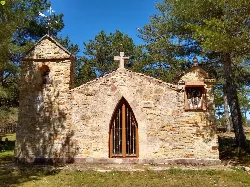
Small stone hermitage with bell tower and cross on top, surrounded by trees.
Prádanos de OjedaPalencia

What is the Ermita de San Pedro like?

The Ermita de San Pedro is a small chapel located in the Plaza del Corazón de Jesús. It serves as a place for worship and community gatherings, reflecting the local religious culture and providing a serene space for reflection.

Ermita de San Pedro For visitors ›

Prádanos de OjedaPalencia

What is the Fuente Palacios?

The Fuente Palacios is a vital water source for Prádanos de Ojeda, providing water for both residents and livestock. This spring also irrigates nearby fields, and its historical significance is highlighted by the old stone channel that once served as a watering place for animals.

Fuente Palacios For visitors ›

Quintanilla de OnsoñaPalencia

What are the main attractions in Quintanilla de Onsoña?

Quintanilla de Onsoña offers a glimpse into rural Spanish life with its traditional architecture and scenic surroundings. Notable attractions include the local palomares, which are unique pigeon houses. The area is also close to the river Carrión, providing opportunities for nature walks and fishing.

For visitors ›

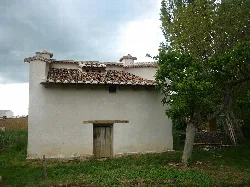
Dovecote with tiled roof and adobe wall in Quintanilla de Onsoña.
Quintanilla de OnsoñaPalencia

What is the significance of the palomar in Quintanilla de Onsoña?

The palomar, or pigeon house, is a traditional structure found in Quintanilla de Onsoña, reflecting the agricultural heritage of the region. These buildings were historically used for raising pigeons, which were an important source of food and a means of communication. Today, they are a cultural landmark.

Palomar en Quintanilla de Onsoña For visitors ›

Stone church with bell tower and stone wall at the entrance in Pino del Río.
Pino del RíoPalencia

What can you tell me about the Iglesia de San Pedro?

The Iglesia de San Pedro features a mix of masonry and stonework, with a prominent tower and a portico. Inside, it has three naves adorned with 18th-century altarpieces and sculptures from the 15th to 16th centuries. A notable feature is a sundial from 1608 on the tower, reflecting its rich historical and architectural heritage.

Iglesia de San Pedro For visitors ›

Small hermitage with stone walls and tiled roof in Pino del Río.
Pino del RíoPalencia

What is the Ermita de la Virgen del Nido like?

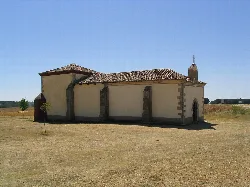
The Ermita de la Virgen del Nido, located 2.5 km east of Pino del Río, is built of stone and masonry with a single rectangular nave. Inside, it houses a richly dressed image of the Virgin with Child, likely from the 17th century. The site hosts an annual pilgrimage, attracting many visitors for its cultural significance.

Ermita de la Virgen del Nido For visitors ›

Pino del RíoPalencia

Where can I find good photo spots in Pino del Río?

Pino del Río offers numerous picturesque locations for photography. Notable spots include the Obelisco, the Plaza Mayor with its charming stone fountain, and the scenic areas around the Canal de Iberdrola, where you can capture beautiful waterfalls and natural landscapes.

For visitors ›

Villalcázar de SirgaPalencia

What can you tell me about the Iglesia de Santa María la Blanca?

Iglesia de Santa María la Blanca is a temple-fortress built by the Templars in the late 12th century. It showcases a blend of Romanesque and Gothic styles. The church was never fully completed, but it features intricate sculptures and a significant history, including being the burial site of Infante Felipe, brother of Alfonso X. It remains a notable landmark on the Camino de Santiago.

Iglesia de Santa María la Blanca For visitors ›

Villalcázar de SirgaPalencia

What is the Palomar del Camino?

The Palomar del Camino is a museum space in Villalcázar de Sirga, dedicated to local history and culture. It serves as a point of interest for visitors looking to learn more about the traditions and heritage of the area, particularly in relation to the Camino de Santiago.

Palomar del Camino For visitors ›

Church of San Pedro, stone building with bell tower in Itero de la Vega.
Itero de la VegaPalencia

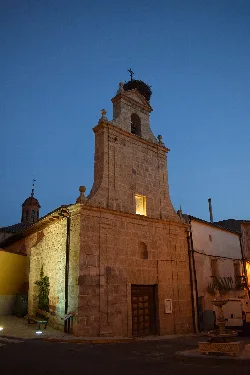
What can you tell me about the Iglesia de San Pedro?

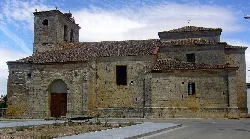
The Iglesia de San Pedro is a parish church in Itero de la Vega, originally constructed in the 13th century and later expanded in the 16th and 17th centuries. It features three naves, a Baroque altarpiece, and Gothic elements. The church is notable for its beautiful architecture and historical significance.
Iglesia de San Pedro For visitors ›