Sights

3,246 questions

Itero de la VegaPalencia

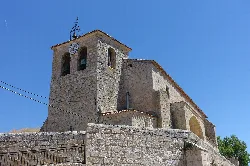
What is the significance of the Puente Fitero?

The Puente Fitero is a historic bridge built during the Middle Ages, crucial for communication along the Camino de Santiago. Constructed under the reign of Alfonso VI of León, it features eleven arches and spans the Pisuerga River, symbolizing the town's historical importance.
Puente Fitero For visitors ›

Itero de la VegaPalencia

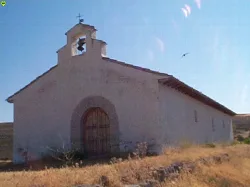
What is the Ermita de Nuestra Señora de la Piedad like?

The Ermita de Nuestra Señora de la Piedad is a small Gothic church located on the outskirts of Itero de la Vega. Originally built in the 13th century, it features a single nave and unique architectural elements, showcasing the historical evolution of the area.

Ermita de Nuestra Señora de la Piedad For visitors ›

San Román Church with clock tower and bell tower in Cobos de Cerrato.
Cobos de CerratoPalencia

What can you tell me about the Iglesia de San Román?

The Iglesia de San Román is the parish church of Cobos de Cerrato, built in the early 16th century. It features a single nave with a flat ceiling and showcases beautiful Plateresque and Renaissance altarpieces, including depictions of saints and biblical scenes. The church has undergone restoration, enhancing its historical significance.

Iglesia de San Román For visitors ›

Small white chapel with bell tower and wooden door in a rural setting.
Cobos de CerratoPalencia

What is the Ermita de Nuestra Señora del Río Franco?

The Ermita de Nuestra Señora del Río Franco is a chapel dedicated to the Virgin Mary, located in Cobos de Cerrato. This site is significant for local religious practices and community gatherings, reflecting the village's cultural heritage. It offers a peaceful environment for visitors seeking spiritual reflection.

Ermita de Nuestra Señora del Río Franco For visitors ›

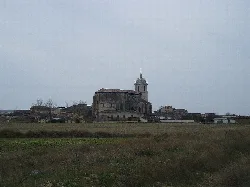
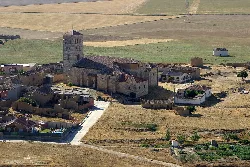
Landscape with church and houses in Támara de Campos, Palencia.
Támara de CamposPalencia

What can I see in the village of Támara de Campos?

Visitors to Támara de Campos can explore its charming streets and historical sites, including the Iglesia de San Hipólito el Real and the remains of the medieval wall. The village's architecture reflects its medieval past, providing a picturesque setting for a leisurely stroll.

For visitors ›

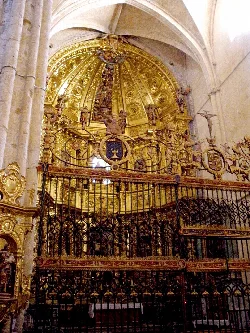
View of the gilded and decorated main altar in San Hipólito el Real church.
Támara de CamposPalencia

What is the significance of the Iglesia de San Hipólito el Real?

The Iglesia de San Hipólito el Real is a key landmark in Támara de Campos, notable for its historical and architectural value. Built in the 14th century, it showcases beautiful Gothic elements and is classified as a Bien de Interés Cultural, highlighting its importance in the region's heritage.

Iglesia de San Hipólito el Real For visitors ›

Landscape with church and houses in Támara de Campos, Palencia.
Támara de CamposPalencia

What is the architectural style of the buildings in Támara de Campos?

The architecture in Támara de Campos features a mix of medieval styles, with many houses showcasing traditional designs. The village retains a medieval atmosphere, with notable structures like the Iglesia de San Hipólito and remnants of its ancient walls.

For visitors ›

Stone tower with arched windows in Villasila de Valdavia.
Villasila de ValdaviaPalencia

What is the Church of San Pelayo like in Villasila de Valdavia?

The Church of San Pelayo is a notable landmark in Villasila de Valdavia. It features a distinct architectural style typical of the region, characterized by its stone structure and historical significance. The church reflects the local heritage and serves as a focal point for the small community, which has a rich history dating back to the 12th century.

Church of San Pelayo For visitors ›

ValdeolmillosPalencia

What can you tell me about the Ermita de la Virgen del Olmo?

The Ermita de la Virgen del Olmo, dating back to the 18th century, is dedicated to the Virgin of the Elm. Celebrated on September 8, it is associated with various miracles, including healing and crop protection. The chapel features a painted scene depicting a miracle, emphasizing its cultural and religious significance in the community.

Ermita de la Virgen del Olmo For visitors ›

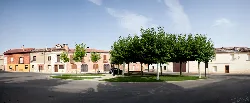
Square with trees and houses in Valdeolmillos.
ValdeolmillosPalencia

What is the Plaza del Pueblo like in Valdeolmillos?

The Plaza del Pueblo serves as a central gathering place in Valdeolmillos. It features trees and benches, providing a pleasant environment for residents and visitors to relax. This communal space often hosts local events and is a focal point of village life.

Plaza del pueblo For visitors ›

San Román de la CubaPalencia

What can you tell me about the church in San Román de la Cuba?

The church of San Juan Bautista, built in the 17th century, features a single nave and baroque altarpieces. It has undergone several renovations, including repairs after a fire. Inside, it houses significant religious artifacts, including a silver cross from the 17th century.

Iglesia de San Juan Bautista For visitors ›

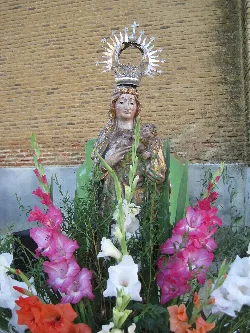
Statue of the Virgin with crown and halo, surrounded by pink, white, and orange flowers.
San Román de la CubaPalencia

What is the significance of the Virgen del Barrio Arriba in San Román de la Cuba?

The Virgen del Barrio Arriba is an important religious figure in San Román de la Cuba, reflecting the community's devotion. Statues like hers are often central to local festivals and religious events, symbolizing cultural heritage and spiritual identity.

Virgen del Barrio Arriba For visitors ›

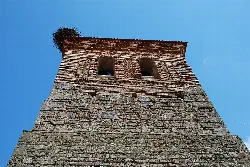
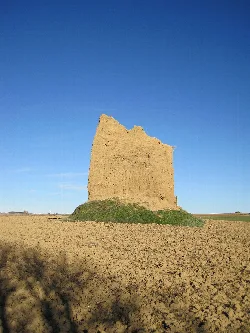
Old church tower in a field with blue sky.
San Román de la CubaPalencia

What is the old tower of San Román?

The old tower of San Román, known for its historical significance, represents the area's architectural heritage. It is a remnant of the past, likely serving as a defensive structure, and is a point of interest for those exploring the town's history.

antigua torre de la iglesia de San Román For visitors ›

Church with tower in the center of the image in Torremormojón.
TorremormojónPalencia

What can you tell me about the church in Torremormojón?

The church in Torremormojón is dedicated to Santa María del Castillo. It features a mix of Romanesque and Gothic architecture, with a notable late Romanesque tower. The church has undergone various renovations since the 12th century and is adorned with beautiful altarpieces, including a significant one from the 16th century. It has been declared a historical-artistic monument, highlighting its cultural importance.

Iglesia de Santa María del Castillo For visitors ›

TorremormojónPalencia

What is the castle in Torremormojón like?

The castle of Torremormojón, although in a semi-ruined state, is located on a hill and was built in the mid-15th century. It has a rich history, serving as a strategic military site. The castle is known as the 'star of Campos' due to its prominent position overlooking the surrounding landscape. It was declared a historical-artistic monument in 1878.

Castillo de Torremormojón For visitors ›

Lomas lookout tower in Palencia, with blue sky and flags at the top.
LomasPalencia

What can you tell me about the Torre-mirador in Lomas?

The Torre-mirador in Lomas is a square tower over sixteen meters high, located near the Church of San Cristóbal. Built in 2011, it serves as a tourist attraction and offers panoramic views of the surrounding landscape and its avifauna. This structure is part of the ornithological route of the ZEPA Camino de Santiago, making it a significant spot for birdwatching.

Torre-mirador For visitors ›

VigoPontevedra

What are the main attractions in Vigo?

Vigo boasts several attractions, including the Co-cathedral of Santa María, the historic Casco Vello, and the Celtic Castro ruins. Museums like the Museum of Contemporary Art (MARCO) and the Museum of the Sea showcase the city's cultural heritage. Additionally, the scenic Cíes Islands, part of the Atlantic Islands of Galicia National Park, are accessible from the port, offering natural beauty and outdoor activities.

For visitors ›

PontevedraPontevedra

What is Pontevedra known for?

Pontevedra is renowned for its urban planning and pedestrian-friendly design, especially in its historic center. It has received multiple awards for its sustainable development and urban mobility initiatives, making it one of the most accessible cities in Spain. The city's charm lies in its medieval squares, religious buildings, and the scenic Ría de Pontevedra.

For visitors ›

PontevedraPontevedra

What can I see at the Church of the Pilgrim Virgin?

The Church of the Pilgrim Virgin is a major symbol of Pontevedra, notable for its unique scallop-shaped floor plan. This Baroque church is located in the Place of the Pilgrim Virgin and is a significant site for both tourists and pilgrims, reflecting the city's rich religious heritage.

Church of the Pilgrim Virgin For visitors ›

PontevedraPontevedra

What is the Ravachol Parrot?

The Ravachol Parrot is a beloved symbol of Pontevedra, represented by a statue located in the city center. This quirky landmark has become a part of the city's identity, reflecting its cultural charm and serving as a popular photo spot for both residents and visitors.

Ravachol Parrot For visitors ›

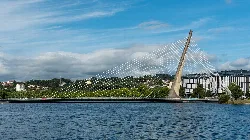
Cable-stayed bridge in Pontevedra.
PontevedraPontevedra

What is the significance of the Tirantes Bridge?

The Tirantes Bridge, a modern cable-stayed bridge completed in 1995, is a striking landmark in Pontevedra. It connects various parts of the city and enhances the scenic views along the Ría de Pontevedra, symbolizing the city's blend of historical and contemporary architecture.

Tirantes Bridge For visitors ›

RedondelaPontevedra

What are the main landmarks in Redondela?

Redondela is known for its two prominent railway viaducts, the Viaducto de Madrid and the Viaducto de Pontevedra, both constructed in the 19th century. These structures are significant cultural landmarks and contribute to the town's identity as the 'Villa de los Viaductos'. They showcase impressive engineering and historical importance, attracting visitors interested in architecture and history.

For visitors ›

Cangas de MorrazoPontevedra

What are the main attractions in Cangas de Morrazo?

Cangas de Morrazo is known for its stunning coastline, featuring 38 beaches, including Playa de Rodeira, which is the most popular. The area also offers historical sites like the remains of ancient castros and cultural events such as the Canjazz international jazz festival. Additionally, the nearby Cíes Islands, part of the Atlantic Islands National Park, are a significant draw for nature lovers.

For visitors ›

Town hall building of Ponteareas with clock and flags.
PonteareasPontevedra

What is the Casa Consistorial de Ponteareas?

The Casa Consistorial de Ponteareas serves as the town hall and is a notable example of local architecture. It reflects the historical significance of the municipality and is a central point for administrative activities. The building is characterized by its elegant facade and is surrounded by palm trees, contributing to the aesthetic appeal of the town square.

Casa Consistorial de Ponteareas For visitors ›