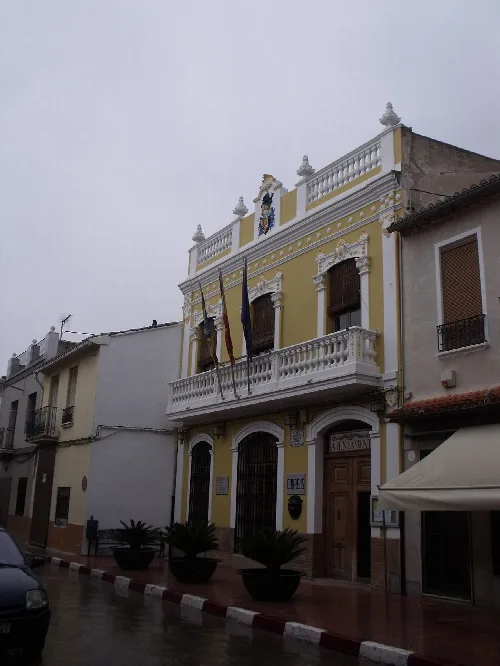
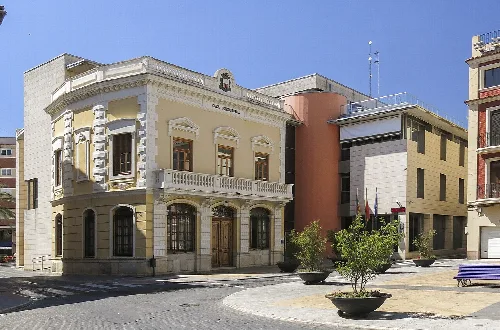
What are the main attractions in L'Alcúdia?
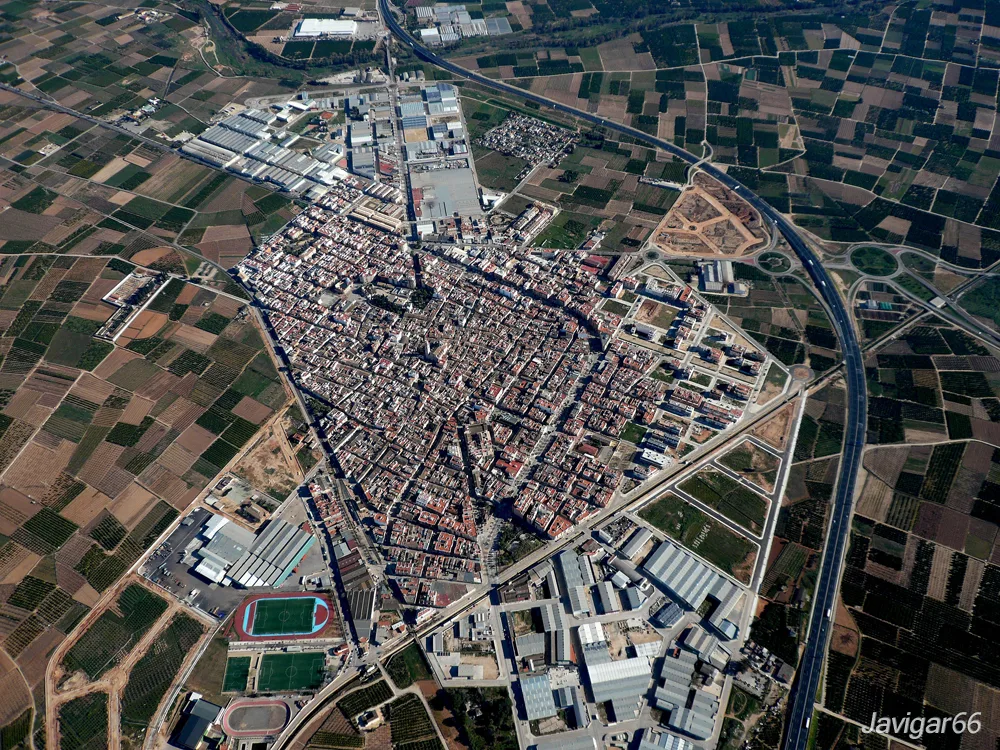
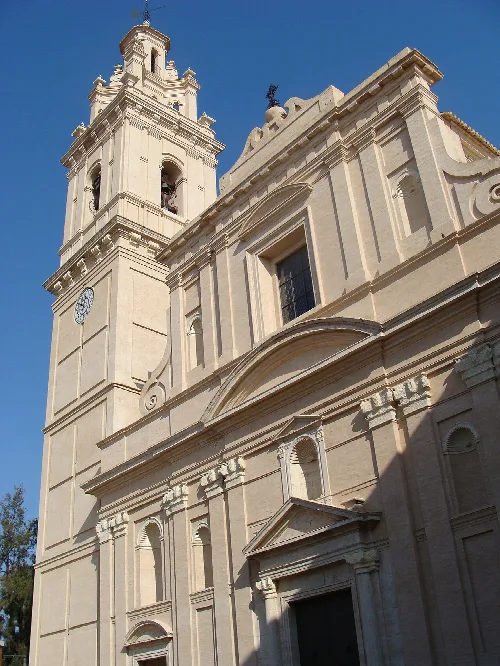
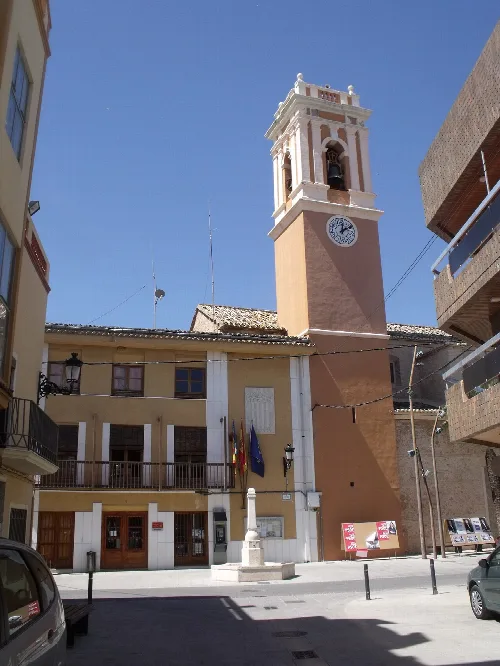
L'Alcúdia boasts several attractions, including the impressive Church dedicated to San Andrés, known for its neoclassical architecture and beautiful frescoes. The ruins of the Convent de Santa Bárbara offer a glimpse into the town's history. Additionally, the Olivo Bimilenario is a notable living monument, and the acueducto La Mota is significant for its historical irrigation importance.
Sights
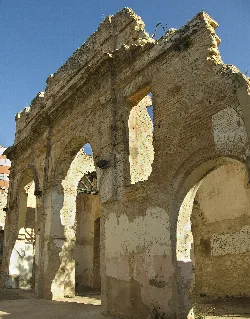
What is the history behind the Convent de Santa Bárbara?
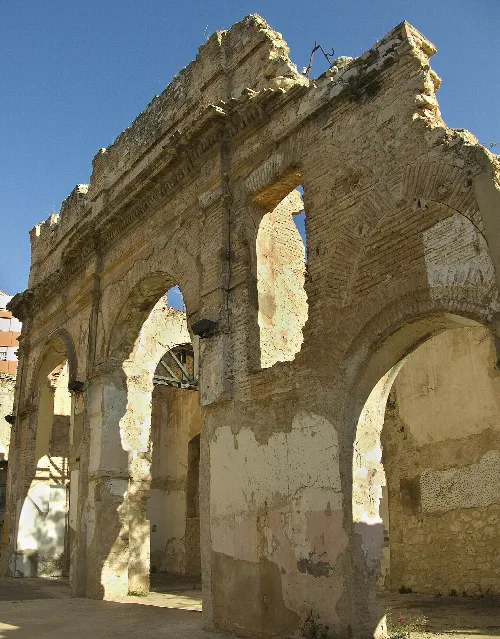
The Convent de Santa Bárbara was founded in 1600 by Ángela de Montagut for the Franciscan order. Today, only the ruins remain, but ongoing restoration efforts by the town aim to preserve this historical site. Its location near the calvario adds to its significance in the community's heritage.
History
Convent de Santa Bárbara
How did L'Alcúdia get its name?
The name L'Alcúdia is derived from Arabic, meaning 'The Collado.' This reflects the town's historical roots, as it was known as Alcudia de Carlet since the 18th century. The name has evolved over time, with official recognition of the Valencian version occurring in 1982.
History
For residents
What is the significance of the Olivo Bimilenario?
The Olivo Bimilenario, planted on San Andrés day in 1993, is a monumental olive tree located at the intersection of Avenida Antoni Almela and CV 50. Weighing 12,000 kg at the time of planting, it symbolizes the agricultural heritage of L'Alcúdia and serves as a landmark for residents and visitors alike.
Sights
Olivo Bimilenario
What are the main events in L'Alcúdia?
L'Alcúdia hosts several significant events, including the fiestas in honor of the Virgen del Oreto from September 1-8, featuring a traditional procession. Additionally, the Bienal Muestra Internacional de Danza takes place every two years, showcasing various dance groups from around the world.
Festivals & events
What is the local economy of L'Alcúdia like?
L'Alcúdia's economy has transitioned from traditional agriculture, primarily citrus production, to include various industries. While citrus farming has declined, new agricultural practices and industrial developments have emerged, creating a balance between agriculture, industry, and services in the local economy.
Living there
For residents
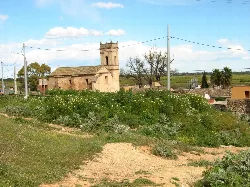
What is the architectural style of the Church in Montortal?
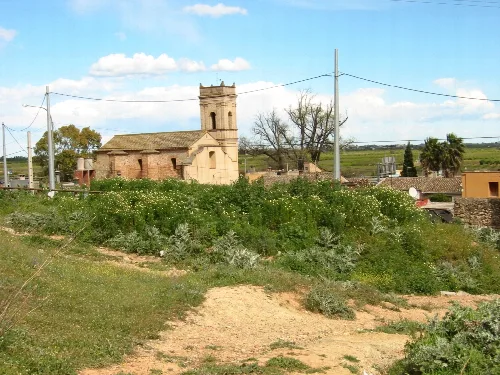
The Church in Montortal showcases a blend of traditional Valencian architecture, characterized by its simple yet elegant design. It serves as a focal point for the local community and reflects the cultural heritage of the area.
Sights
Church in Montortal
How does L'Alcúdia celebrate its patron saint?
The celebration of L'Alcúdia's patron saint, the Virgen del Oreto, includes a vibrant week of festivities from September 1-8. The highlight is a grand procession on September 7, featuring traditional dance groups and culminating in a public reading of the Bula Pontificia.
Festivals & events
What are the main transportation options in L'Alcúdia?
L'Alcúdia is well-connected by road, with the A-7 Mediterranean highway and CV-50 facilitating access to nearby towns. Additionally, there is a train station on the Valencia to Villanueva de Castellón line, providing convenient public transport options for residents and visitors.
Getting there
For residents
What is the significance of the acueducto La Mota?
The acueducto La Mota, built in 1842, is crucial for irrigation in L'Alcúdia. It channels water from the Acequia Real de Júcar to the agricultural lands, highlighting the town's historical reliance on irrigation for its farming practices. This structure is a testament to the town's agricultural heritage.
History
acueducto La Mota For residents
 espana.net