What is the history behind the Iglesia de Santa María in Ontinyent?
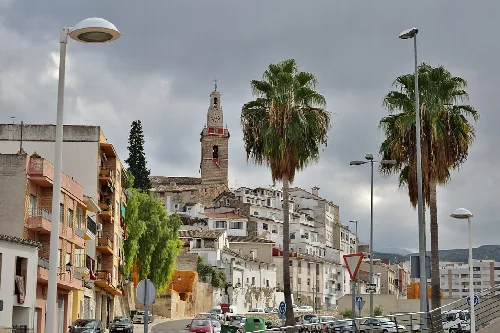
The Iglesia de Santa María, dedicated to the Assumption of Our Lady, showcases a mix of architectural styles, including Romanesque, Gothic, and Renaissance. It features a notable altar with 19 paintings by José Segrelles and has the tallest bell tower in the Valencian Community at 72 meters. The church is also home to a sepulcher of a captain from the conquest of the town.
History
Iglesia de Santa María

What can I do at Pou Clar in Ontinyent?
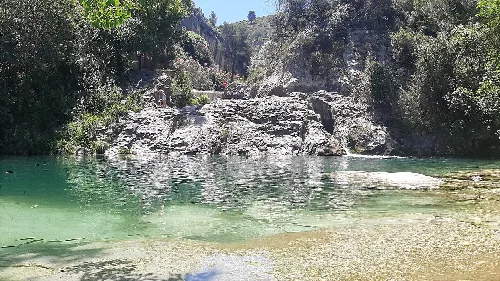
Pou Clar is a natural monument located at the town's entrance, known for its beautiful rock formations and clear waters. It's a popular spot for locals, especially in summer, where visitors can enjoy swimming and relaxing by the natural pools formed by the river. The scenic surroundings make it a great place for picnics and nature walks.
Nature
Pou Clar
How do I get to Ontinyent by train?
Ontinyent has a train station that is part of the Renfe Media Distancia line, specifically the Valencia-Játiva-Alcoy route. This makes it convenient for travelers coming from Valencia or nearby towns. The station connects well with intercity transport, ensuring easy access to the municipality.
Getting there
What are the main events during the Moros y Cristianos festival?
The Moros y Cristianos festival in Ontinyent is celebrated in August, featuring spectacular parades and reenactments of historical battles between Moors and Christians. Key events include the Entradas, where both factions showcase their costumes, and Las Embajadas, a dramatic representation of the conflict. This festival is a highlight of the local cultural calendar.
Festivals & events
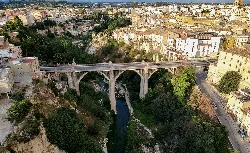
What is the significance of the Puente de Santa María in Ontinyent?
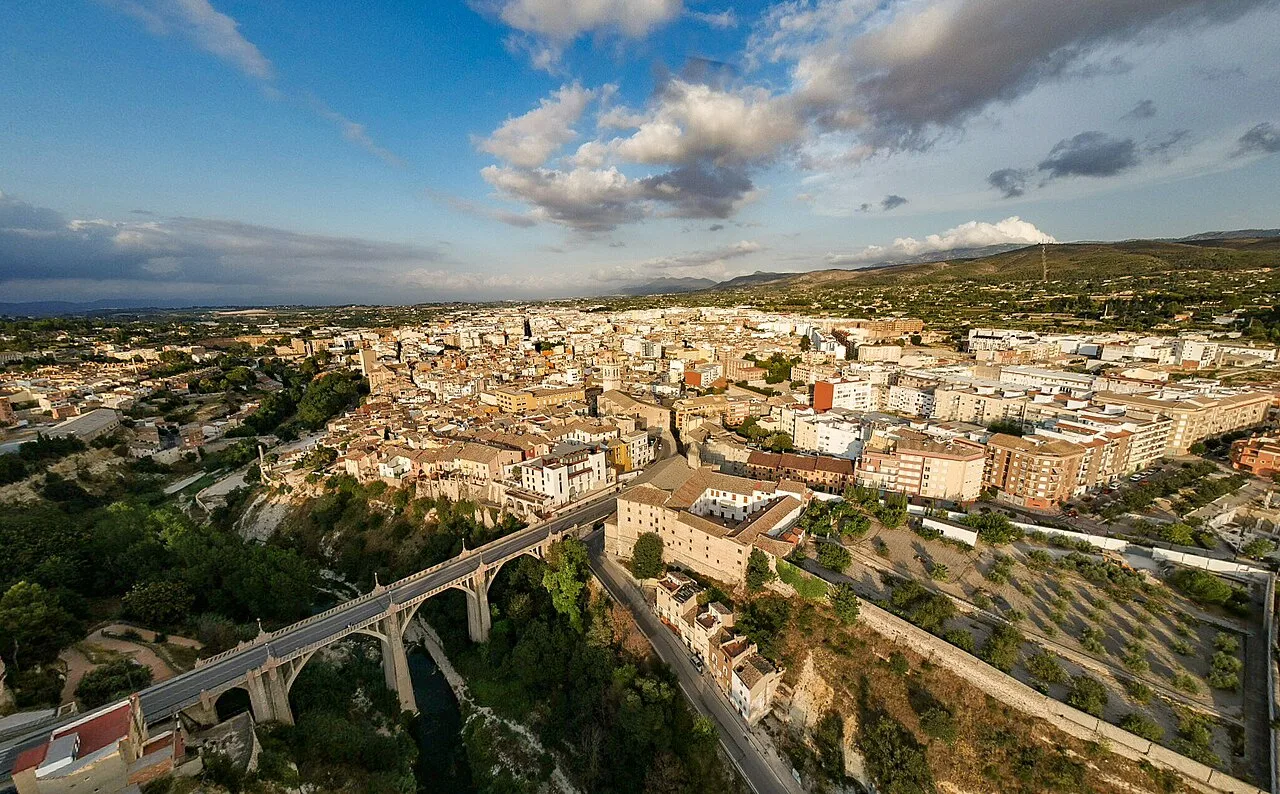
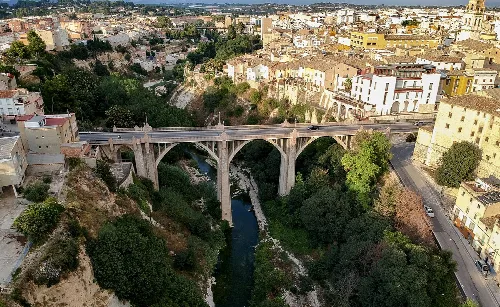
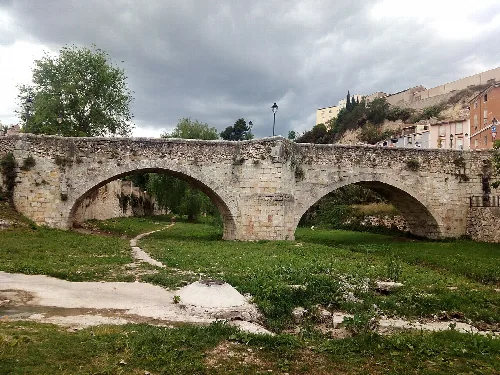
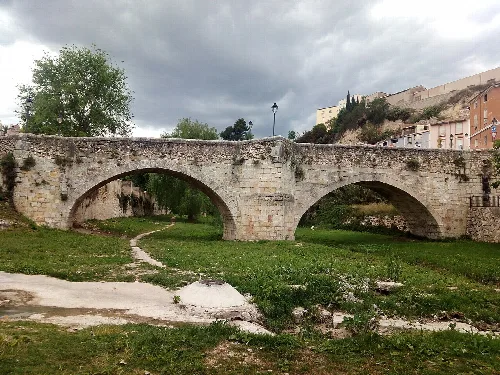
The Puente de Santa María is an important engineering structure that connects the city center with a populous neighborhood. It spans the Clariano River and is notable for its historical significance and architectural design. The bridge enhances connectivity in the area and is a popular spot for photographs.
Sights
Puente de Santa María
What are the local dishes I should try in Ontinyent?
When in Ontinyent, be sure to try local specialties such as arroz al horno (oven-baked rice), paella negra (black paella with meat and artichokes), and morcilla de cebolla (blood sausage). For dessert, enjoy monjàvines, a sweet baked pastry, and the region's unique melón de oro, a type of melon.
Food & drink
What are the living conditions like in Ontinyent?
Ontinyent offers a blend of urban and rural living with a population of around 37,012. The town has good access to amenities, including schools, healthcare, and cultural activities. The local economy is primarily industrial, particularly in textiles, but also has a strong agricultural base, making it a balanced place to live.
Living there
For residents
What is the weather like in Ontinyent throughout the year?
Ontinyent experiences a typical Mediterranean climate with warm summers, where temperatures can exceed 35°C, and mild winters that may occasionally see frost. Spring and autumn are generally warm, making it a pleasant destination year-round, though snow is rare and not a regular occurrence.
Nature
What historical sites can I visit in Ontinyent?
In addition to the Iglesia de Santa María, Ontinyent boasts several historical sites including the Convento de Carmelitas, the Puente Viejo, and the remains of the medieval castle. Each site reflects the town's rich history from the Roman period through the Islamic and Christian conquests, offering a glimpse into its cultural heritage.
Sights
Are there any unique traditions in Ontinyent?
Yes, Ontinyent has several unique traditions, particularly during its festivals. The Canto de los Ángeles, a cherished piece of ancient Valencian music, is performed annually, and the town celebrates the Canto de la Sibila during Advent. These events highlight the local cultural heritage and community spirit.
Festivals & events
For residents
 espana.net