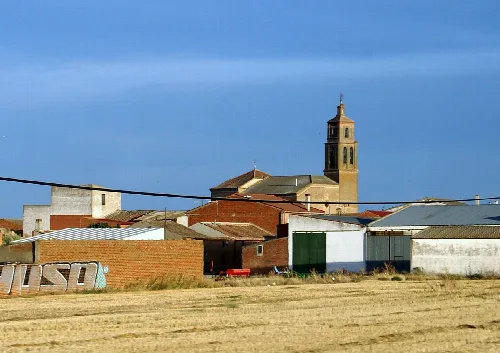
Moraleja de las Panaderas is a small municipality located in the province of Valladolid, within the autonomous community of Castile and León. Characterized by its rich historical ties to the nearby Medina del Campo and its traditional agricultural economy, it has a population of just 42 residents.
02Geography
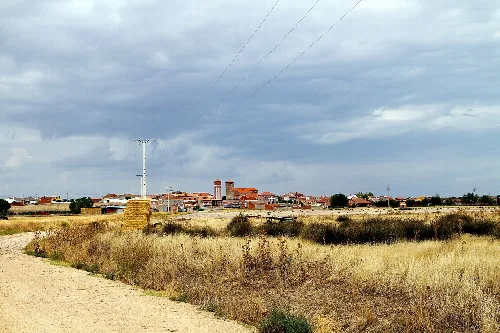
Moraleja de las Panaderas is situated between Olmedo and Medina del Campo, bordered by Pozal de Gallinas and Calabazas to the north, and Gomeznarro and San Vicente del Palacio to the south. The municipality covers an area of 15.34 km², nestled between the Campiñas del Sur del Duero and Tierra de Pinares landscapes, which are characterized by extensive pine forests.
Nearby towns
Pozal de Gallinas, Calabazas, Gomeznarro, San Vicente del Palacio, La Zarza, Medina del Campo
Pine species
Pino albar, Pino negral
03History
The earliest known reference to Moraleja de las Panaderas dates back to 1250, indicating its historical significance. Throughout the centuries, it has been closely linked to Medina del Campo, evolving from a village within its jurisdiction to a place of realengo during the reign of the Catholic Monarchs.
1250 First documented mention of Moraleja.
12th century Part of the Community of villa and tierra of Medina del Campo.
15th century Transition to realengo under royal authority.
18th century Continued as a village without obtaining the title of villa.
19th century Population peaked at 106 inhabitants.
Discover Moraleja de las Panaderas, a small municipality in Valladolid with a rich history and agricultural roots.
04Economy
Historically, the economy of Moraleja de las Panaderas has relied on agriculture and livestock. Wheat, barley, and legumes were commonly cultivated, with the introduction of pine plantations in the late 19th century contributing to the local economy.
Main crops Wheat, barley, oats, legumes
Pine cultivation Started in the late 19th century
Livestock Cattle, mules, donkeys, sheep
Modernization Machinery introduced in the 1960s
Emigration Many residents moved to industrial cities and abroad in the 20th century.
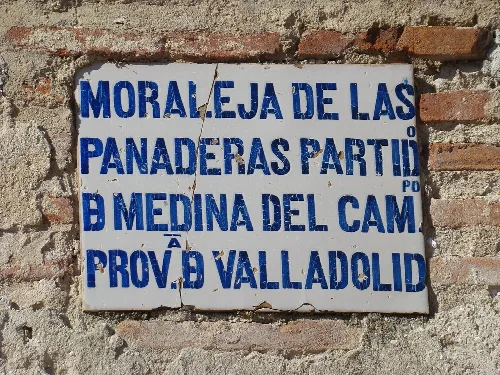
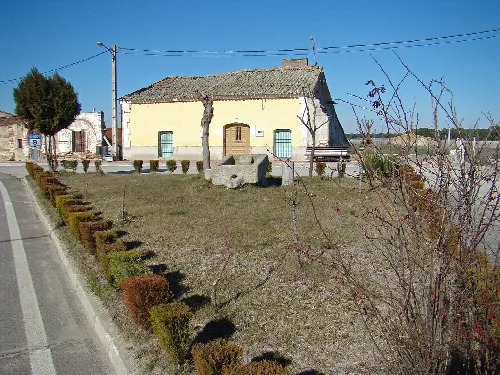
Tile plaque in Moraleja de las Panaderas indicating its former jurisdiction of Medina del Campo.Traditional house in Moraleja de las Panaderas with an old well in the garden.
05Culture and Heritage
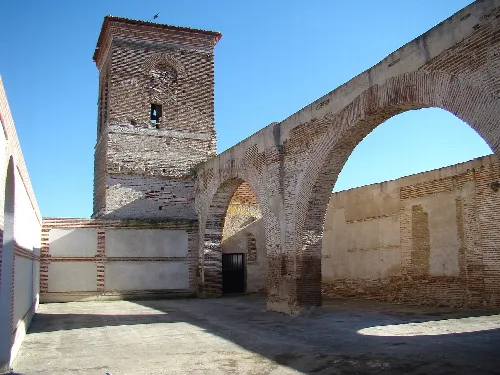
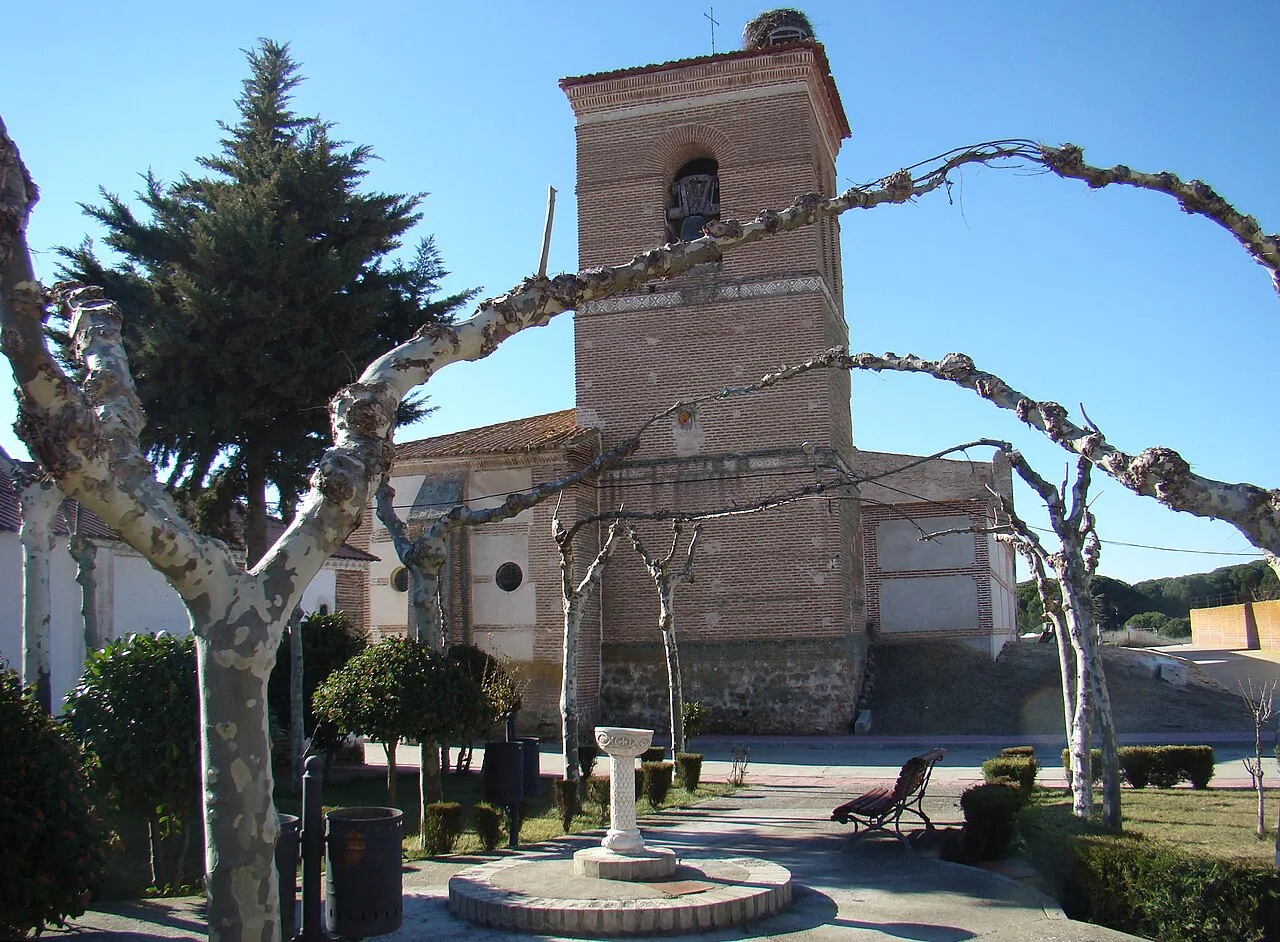
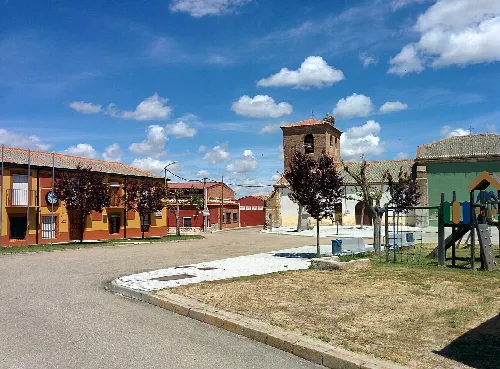
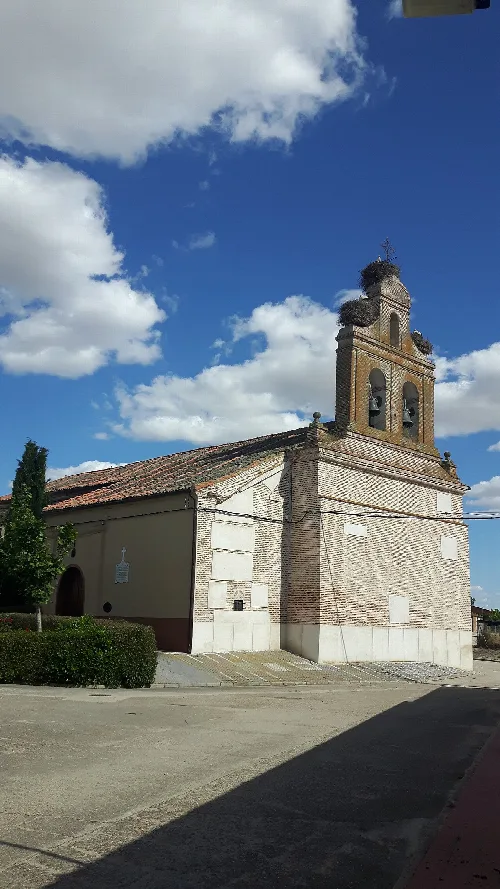
Moraleja de las Panaderas celebrates its patron saint, San Boal, on May 20, with festivities that include religious ceremonies and traditional games. The village also has historical remnants, notably the ruins of the church of San Boal, which once housed significant religious artifacts.
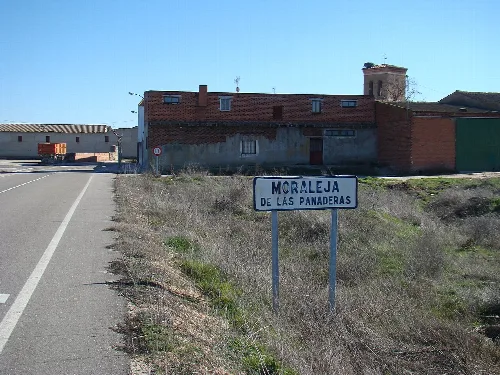
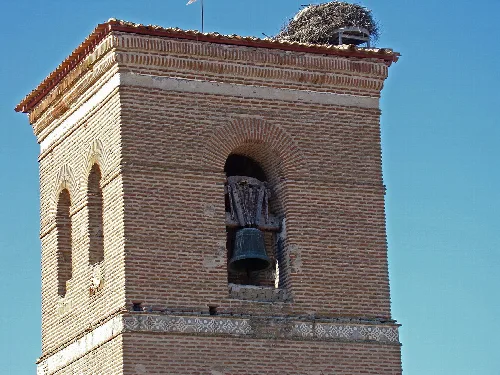
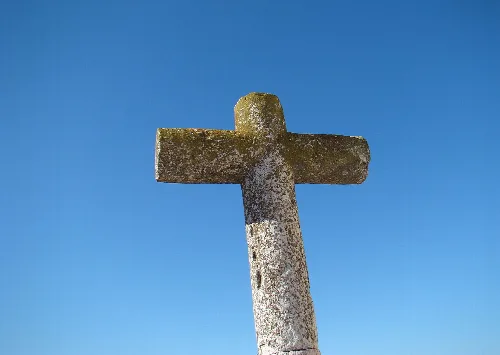
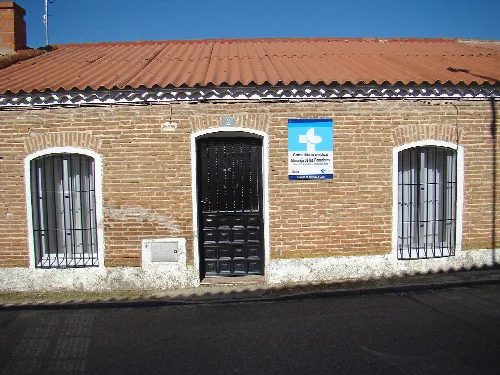
Arrival sign to Moraleja de las Panaderas in Valladolid province.Bell tower of San Boal church in Moraleja de las Panaderas, Valladolid.Ruins of the Church of San Boal in Moraleja de las Panaderas, with a tower and brick arches.Stone cross in Moraleja de las Panaderas, in front of the vanished Santa Ana chapel.Medical consultation building on Calle de la Iglesia in Moraleja de las Panaderas, Valladolid.
Frequently asked questions
What is the significance of the church in Moraleja de las Panaderas?
The church of San Boal is a significant landmark in Moraleja de las Panaderas, although it is now in ruins. It features a preserved tower and remnants of its structure. Historically, it housed religious artifacts and served as a community worship site. The church's deterioration began in the 1960s, leading to its eventual collapse, but efforts have been made to consolidate its ruins.
What are the main economic activities in Moraleja de las Panaderas?
The economy of Moraleja de las Panaderas has traditionally relied on agriculture and livestock. Key crops include wheat, barley, and legumes, with a focus on the candeal variety of wheat. Additionally, pine cultivation has played a role in the local economy, particularly for resin extraction until the 1960s when synthetic alternatives became available.
What is the history behind the name Moraleja de las Panaderas?
The name Moraleja de las Panaderas likely relates to the historical presence of numerous bread ovens in the nearby areas, particularly due to the demand for bread during fairs in Medina del Campo. The term 'panaderas' reflects the significance of bread-making, which was predominantly a female occupation in the region.
What can you tell me about the public fountain in the village?
The public fountain in Moraleja de las Panaderas was installed in 1981 and is located in front of the church of San Boal. It serves as a reminder of the village's historical reliance on communal water sources and has become a notable feature of the village's landscape.
Are there any local festivals in Moraleja de las Panaderas?
Yes, Moraleja de las Panaderas celebrates its patron saint, San Boal, on May 20. The festivities include religious ceremonies, special meals, and various games. Additionally, a smaller celebration occurs on July 26 for Santa Ana, featuring similar activities. These events foster community spirit and cultural heritage.
What is the population of Moraleja de las Panaderas?
As of 2025, Moraleja de las Panaderas has a population of 42 residents. This small community reflects the village's rural character and historical significance within the province of Valladolid.
What are the main roads leading to Moraleja de las Panaderas?
Moraleja de las Panaderas is primarily accessed via the Carretera de Medina, which connects it to nearby towns. This road has historically been crucial for the village's development, linking it to the larger community of Medina del Campo.
What is the old well in Moraleja de las Panaderas used for?
The old well in Moraleja de las Panaderas was historically a vital water source for residents. It is located at the end of the street named Calle del Pozo and served the community until 1989, when modern water supply systems were established.
What is the significance of the sign indicating Moraleja de las Panaderas' historical jurisdiction?
The sign in Moraleja de las Panaderas indicates that the village once belonged to the jurisdiction of Medina del Campo. This reflects the historical administrative ties and governance structure that influenced the village's development over the centuries.
What type of architecture is typical in Moraleja de las Panaderas?
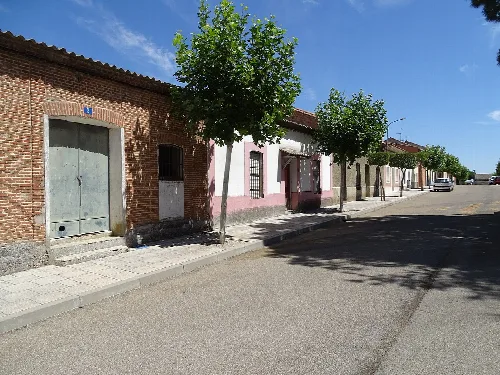
The traditional architecture in Moraleja de las Panaderas is characterized by single-story houses with simple designs. These homes typically feature a central entrance, flanked by windows, and often include a backyard or corral for livestock, reflecting the village's agricultural lifestyle.
 espana.net