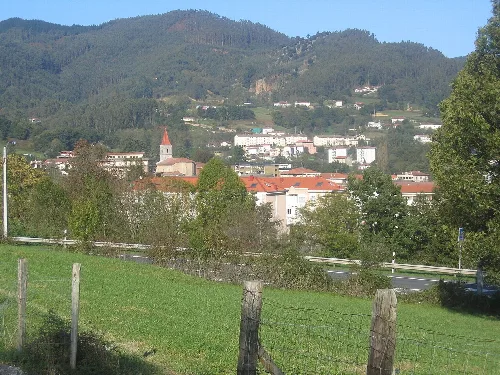
Muskiz is a municipality located in the province of Biscay, within the Basque Country of Spain. Known for its rich history and industrial heritage, it is part of the Gran Bilbao comarca and features a blend of natural landscapes and urban development.
02Geography
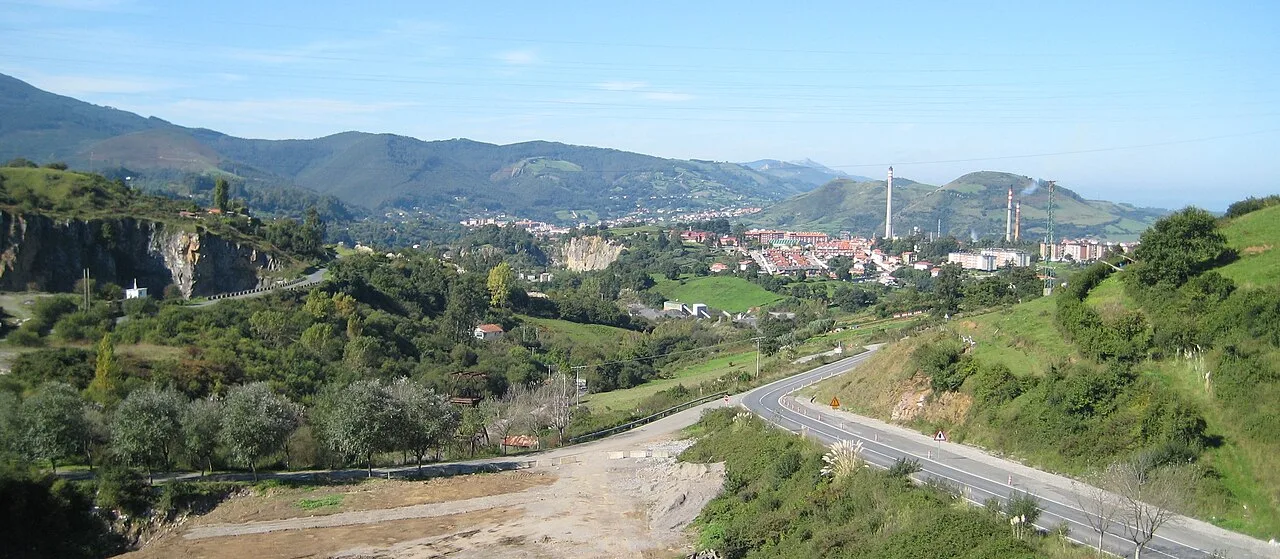
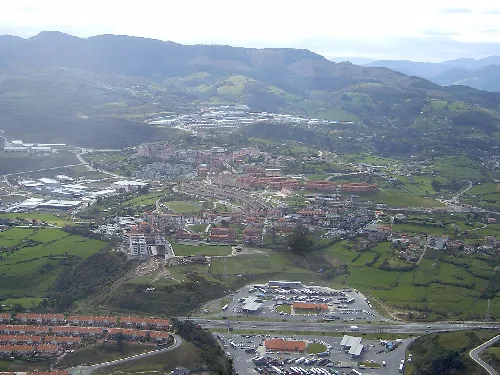
Muskiz is situated in the Gran Bilbao comarca, approximately 20 kilometers from the provincial capital. The municipality lies within the Somorrostro valley, shaped by the Barbadún River, which flows into the Cantabrian Sea at Pobeña. The area features notable elevations, including the peak Mello, which rises to 629 meters, and the protected natural space of the Barbadún estuary, recognized as a Special Conservation Area.
Distance to the coast
Approximately 20 km
Patron saint
San Juan Bautista
Festival dates
San Juan Bautista (June 24), Agricultural and Livestock Fair (third Sunday in September)
03History
Muskiz's historical roots trace back to Roman times, with references to iron mining in the region. The first documented mention of the Somorrostro valley, of which Muskiz is part, dates back to 1068. The establishment of the parish of San Julián marked the beginning of Muskiz's significance in the Middle Ages, with feudal lords controlling the area and constructing notable structures like the castle of Muñatones.
1068 First written mention of the Somorrostro valley.
1212 Donation of the church of San Julián to Sancho Ortiz Marroquín.
1260 Construction of the castle of Muñatones.
1873-1876 Battles of Somorrostro during the Carlist Wars.
1936-1937 Bombing and military actions during the Spanish Civil War.
Muskiz is a municipality in Biscay, Basque Country, known for its historical significance and industrial heritage.
04Economy and Daily Life
Historically, Muskiz's economy has been closely tied to iron mining and metallurgy, particularly during the 19th century when a mining boom transformed the region. The local population engaged in various industries, including shipbuilding and fishing, with significant commercial activity centered around iron production. The establishment of transport infrastructure, such as railways, facilitated further economic development.
Main economic activities Iron mining, shipbuilding, fishing.
Transport infrastructure Railways, roads connecting to nearby municipalities.
Population growth Driven by mining and industrial opportunities.
Historical industries Furnaces and ironworks in the region.
Local governance Municipal council overseeing economic activities.
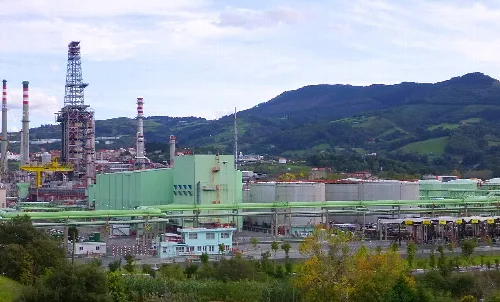
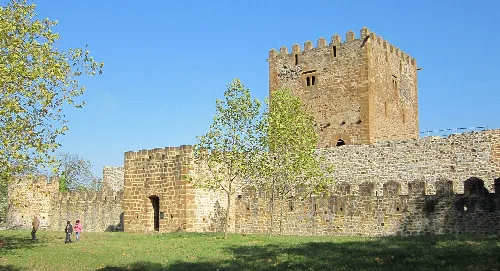
Facade and main entrance to San Martín de Muñatones Castle in Muskiz, Vizcaya, with stone walls and a tower.Somorrostro refinery (Petronor) in Muskiz, with green mountains in the background.
05Demographics and Transportation
Muskiz has a population of 7,465 residents, with several neighborhoods contributing to its demographic diversity. The municipality is well-connected through various transportation options, including highways, bus services, and a railway station that links it to Bilbao.
Population 7465
Main neighborhoods San Juan de Musques, Pobeña, La Rigada, San Julián.
Major roads A-8, BI-734, BI-2701.
Bus services Multiple lines connecting to Bilbao and surrounding areas.
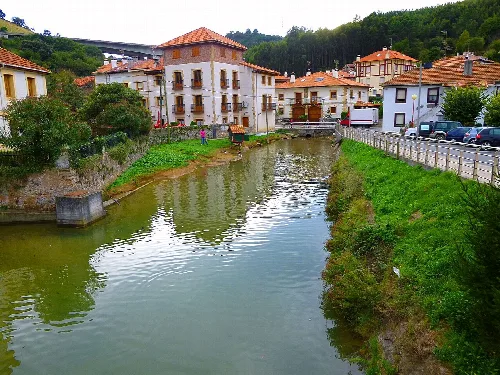
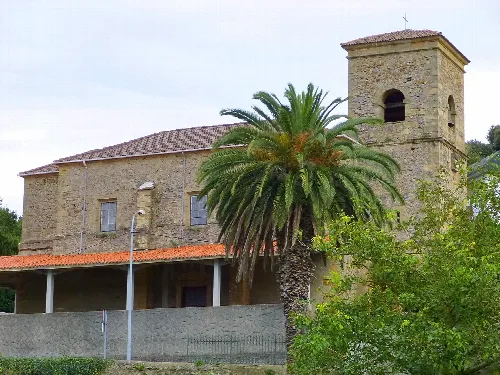
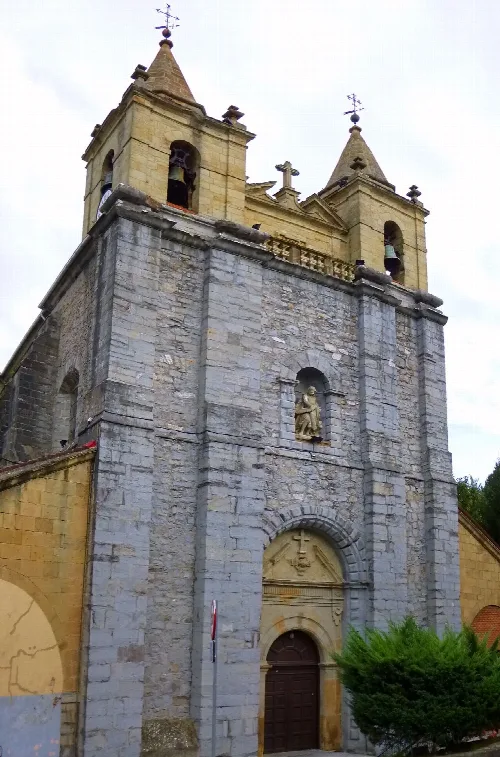
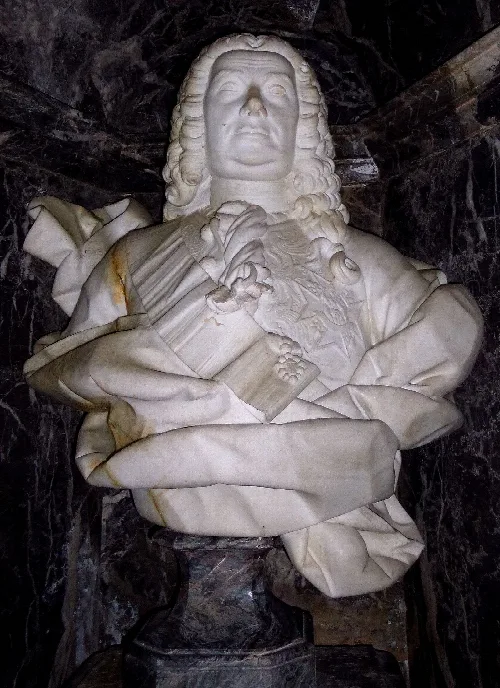
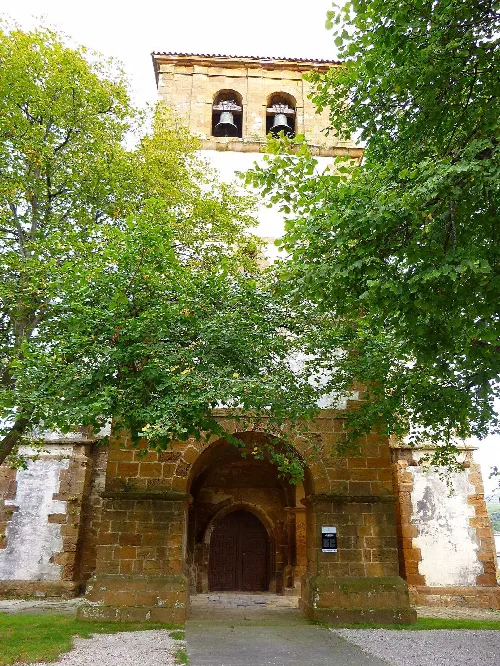
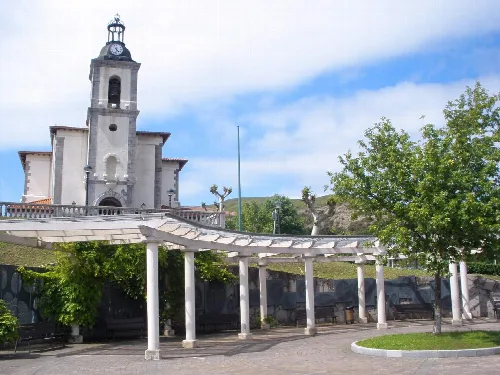
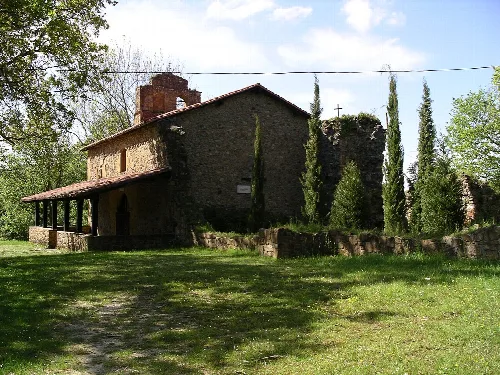
View of the river running through Pobeña, Muskiz, with traditional houses and greenery around.San Nicolás de Bari church in Pobeña, Muskiz, with a palm tree in the foreground.Church of San Juan Bautista in Muzkiz, with stone facade and pinnacled towers.Bust of Sebastián de la Cuadra y Llarena in the Church of San Juan Bautista in Muskiz, Vizcaya.San Julián Church in Muskiz, Vizcaya, with its arched entrance and visible bell tower among the trees.
Frequently asked questions
What can you tell me about the Castillo de San Martín de Muñatones?
The Castillo de San Martín de Muñatones, located in Muskiz, is a significant historical structure built around 1260 by Juan López de Salazar. It was later rebuilt in the 15th century and remains well-preserved today. This castle served as a center of power for the Salazar family, who played a crucial role in the region's medieval history.
What is the significance of the ría del Barbadún in Muskiz?
The ría del Barbadún is a protected natural space in Muskiz, designated as a Zone of Special Conservation within the Natura 2000 network. It plays a vital role in the local ecosystem and is significant for its biodiversity. The river also historically served as a transport route for goods, especially iron, contributing to the area's economic development.
To reach Muskiz from Bilbao, you can take the Renfe Cercanías train from Bilbao-Abando to Muskiz. Alternatively, several Bizkaibus lines connect the two locations, providing convenient public transport options for visitors.
Muskiz hosts several vibrant festivals throughout the year. The main celebration is the Fiesta Patronal of San Juan Bautista on June 24. Other notable events include the agricultural and livestock fair on the third Sunday of September and local festivities in various neighborhoods, such as San Julián in January and Virgen del Socorro in Pobeña in September.
Muskiz has a population of approximately 7,465 residents. This number reflects the community's growth and development over the years, influenced by its historical significance and industrial activities.
What is the history behind the mining industry in Muskiz?
Muskiz has a rich history tied to the mining industry, particularly iron extraction. The area was known for its abundant iron ore, which was exploited since Roman times. In the 19th century, the mining boom transformed Muskiz, leading to significant population growth and industrial development, as well as social changes due to labor conditions.
Pobeña is a picturesque neighborhood in Muskiz, located along the ría del Barbadún. It features charming streets and a scenic waterfront, making it a lovely spot for walks. The area is also known for its beach, Playa de la Arena, which is popular for relaxation and water activities.
Pico Mello is the highest mountain in Muskiz, reaching an elevation of 629 meters. Located to the southwest of the municipality, it offers stunning views of the surrounding landscape. The peak is popular among hikers and nature enthusiasts looking to explore the natural beauty of the Basque Country.
What historical events took place in Muskiz during the Carlist Wars?
During the Carlist Wars in the 19th century, Muskiz was a significant battleground due to its strategic location. The area witnessed several battles, and the population faced considerable hardship, including bombings. These events led to changes in local governance and the eventual establishment of the municipality of San Julián de Muskiz.
Muskiz offers a variety of local delicacies that reflect the Basque culinary tradition. Visitors should try traditional dishes such as bacalao a la vizcaína (cod in a Basque sauce) and regional cheeses. Additionally, local seafood, especially from the nearby ría del Barbadún, is highly recommended.
 espana.net