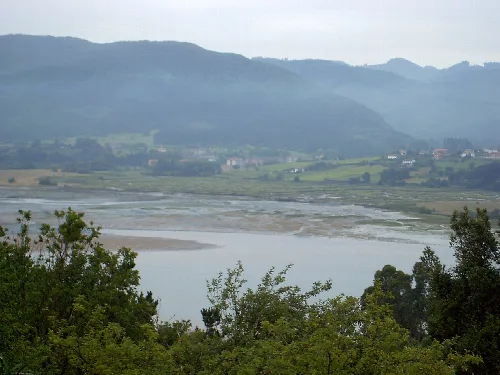
What is the history behind the founding of Errigoiti?
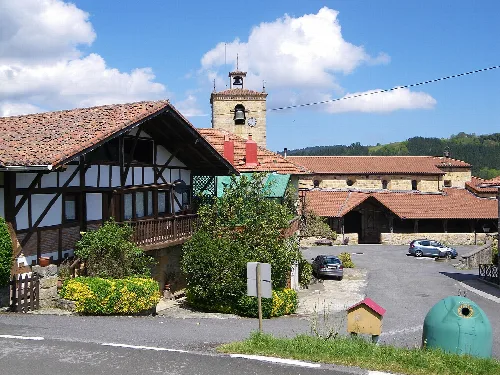
Errigoiti, officially known as Rigoitia, was founded in 1376 to protect the route connecting the valleys of Oca and Butrón. It was established by the lord of Biscay, Don Juan de Castilla, and served to create a small urban center organized along medieval lines. Its origins are linked to the anteiglesia of Santa María de Idoibalzaga, reflecting its historical significance in the region.
History
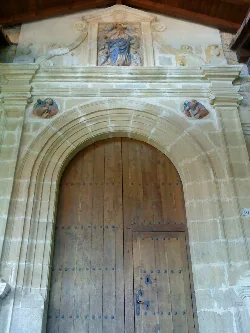
What can you tell me about the church of Santa María de Idoibaltzaga?
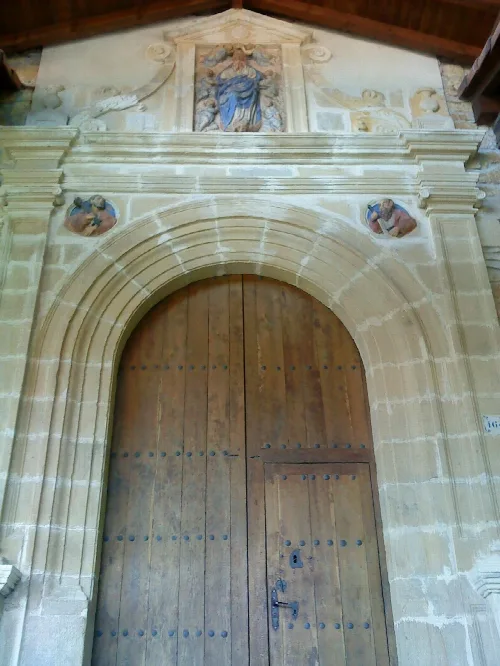
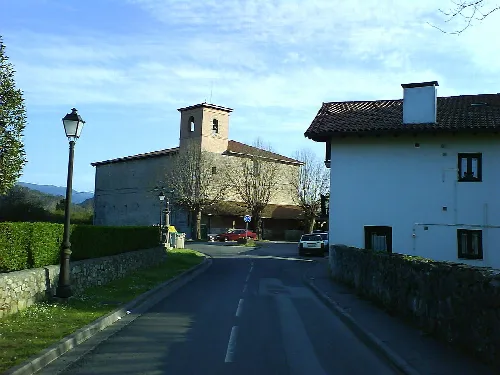
The church of Santa María de Idoibaltzaga is the parish church of Errigoiti, located on a hill at 296 meters above sea level. Dating back to the 16th century, it features a neoclassical interior and a distinctive Renaissance-style façade. The church is part of a religious complex that includes a cemetery and the humilladero of San Antonio, creating a unique cultural site.
Sights
Iglesia de Santa María de Idoibaltzaga
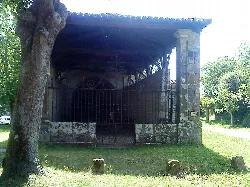
What is the Humilladero de San Antonio?
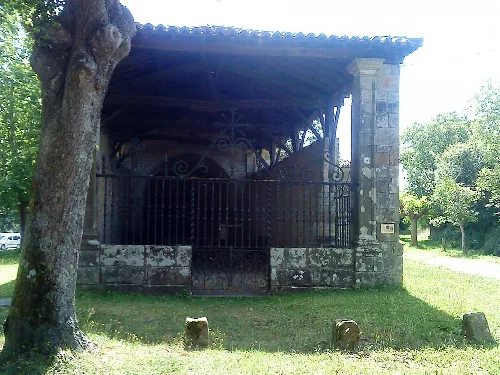
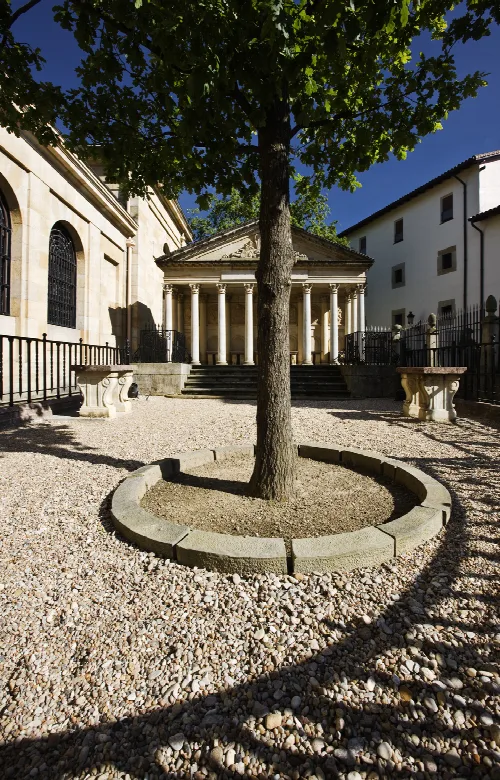
The Humilladero de San Antonio is a baroque structure from the 18th century located next to the church of Santa María de Idoibaltzaga. It features a rectangular plan with a large entrance and is dedicated to Saints Anthony of Padua and Anthony the Great. The site hosts various processions, including those for Palm Sunday and Corpus Christi, making it a significant local landmark.
Sights
Humilladero de San Antonio
What are the main festivities in Errigoiti?
Errigoiti celebrates several local festivals, with the most notable being in honor of San Antonio de Padua on June 13 and San Isidro Labrador on May 15. Each neighborhood also holds its own celebrations, such as San Bartolomé on August 19 in Uria and San Juan on June 24 in Metxikas, reflecting the community's vibrant cultural traditions.
Festivals & events
What is the natural environment like in Errigoiti?
Errigoiti is situated within the Urdaibai Biosphere Reserve, characterized by its lush vegetation typical of the Cantabrian slope. The area is home to deciduous forests with oaks and beeches, interspersed with pastures for livestock. The municipality's topography includes rounded hills and small streams that nourish the rivers Butrón and Oca, enhancing its natural beauty.
Nature
What are the main transportation options to get to Errigoiti?
Errigoiti is accessible via the BI-3213 road, which connects Guernica and Munguía. The nearby town of Guernica offers a narrow-gauge train station on the Euskotren line, providing further connectivity to Bilbao and other regions. This makes it relatively easy to reach Errigoiti from larger urban centers.
Getting there
What is the significance of the name 'Errigoiti'?
The name 'Errigoiti' comes from the Basque phrase 'herri goitia,' meaning 'the village above.' This reflects its elevated position in relation to the surrounding valleys. The official name was adopted on March 10, 1986, highlighting the area's cultural heritage and connection to the Basque language.
History
For residents
Are there any local delicacies to try in Errigoiti?
While specific dishes from Errigoiti are not detailed, the Basque Country is known for its rich culinary traditions. Visitors can enjoy local specialties such as pintxos, fresh seafood, and traditional Basque desserts. Exploring local eateries will provide a taste of the region's flavors and culinary heritage.
Food & drink
What is the population of Errigoiti?
As of the 2025 census, Errigoiti has a population of 499 inhabitants. This small, predominantly rural community is part of the Biscay province in the Basque Country, contributing to its close-knit atmosphere and local traditions.
Living there
For residents
What are the neighborhoods in Errigoiti?
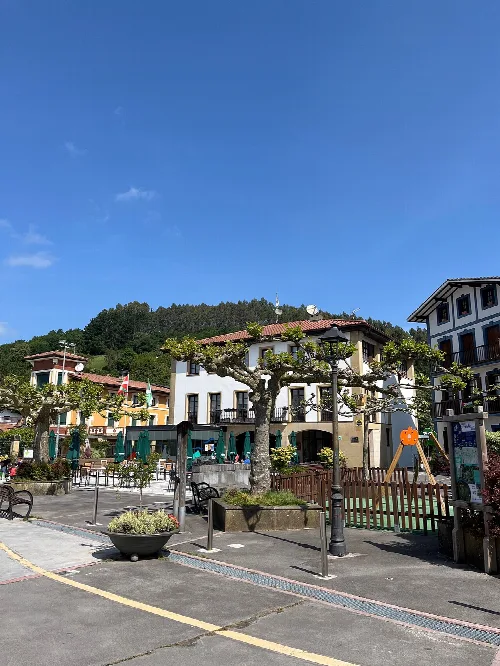
Errigoiti consists of several neighborhoods, including Uria, Eleizalde-Olabarri, Metxikas, and Atxikas-Rekalde. Each neighborhood has its own character and population, contributing to the overall diversity of the municipality. The main urban area is in Uria, which serves as the historical center of the town.
Living there
For residents
 espana.net