What is the significance of the Verraco in Toro?
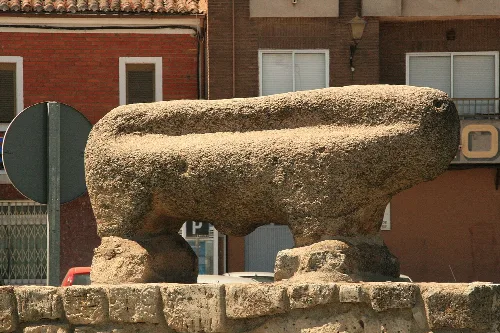
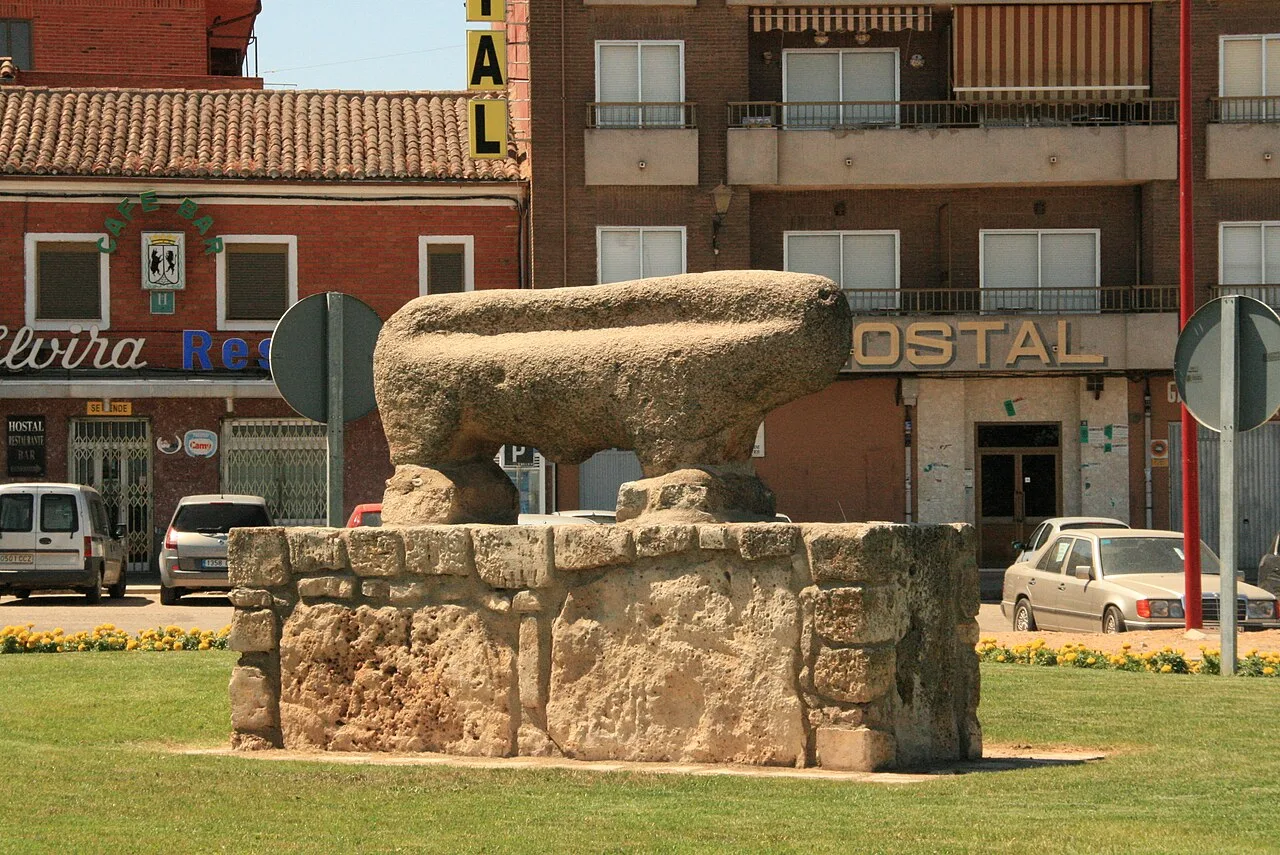
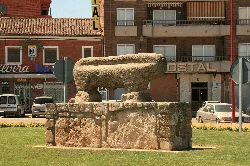
The Verraco is a significant historical symbol in Toro, believed to be an ancient stone bull that gave the town its name. This celtiberian sculpture represents the town's rich heritage and is a key element in its coat of arms. It reflects the area's early settlement and cultural history, making it a notable landmark for visitors.
History
Verraco
What can you tell me about the Torre del Reloj in Toro?
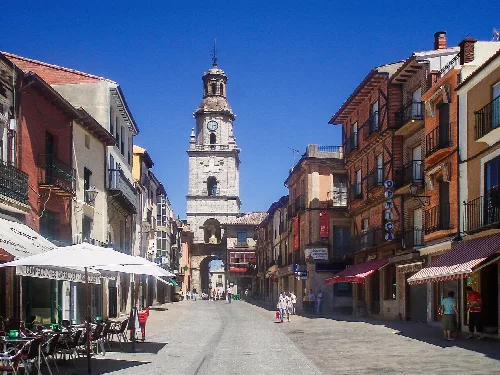
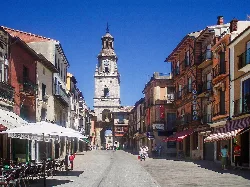
The Torre del Reloj is an iconic clock tower located in the city center of Toro. It serves as a prominent landmark and reflects the historical architecture of the area. This structure is part of the urban landscape that showcases Toro's rich cultural heritage and its evolution over the centuries.
Sights
Torre del Reloj
What is the climate like in Toro?
Toro experiences a Mediterranean continental climate, characterized by long, cold winters and short, hot summers. Temperatures can drop as low as -11 °C in winter and rise to 37 °C in summer. The area receives limited rainfall, averaging about 350-400 mm annually, which contributes to significant temperature fluctuations between day and night.
Nature
For residents
Are there any local festivals in Toro?
Yes, Toro hosts several local festivals, with the Ferias y Fiestas de San Agustín being particularly notable. This festival, celebrated in August, features various events and activities that reflect the town's cultural traditions and community spirit. It’s a vibrant time for both residents and visitors to enjoy the local culture.
Festivals & events
What types of food is Toro known for?
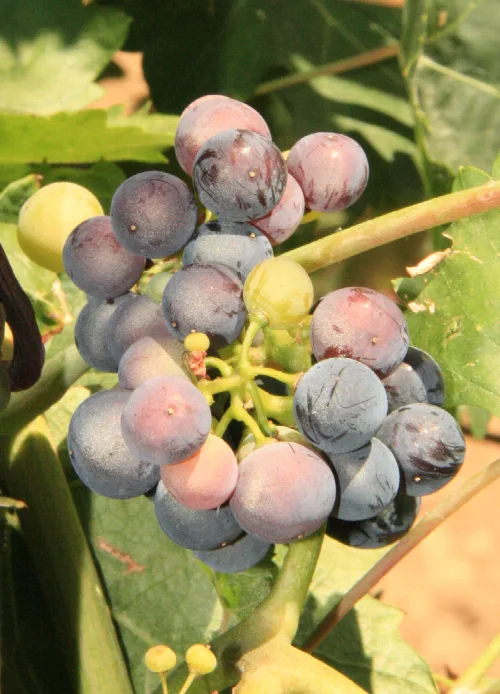
Toro is renowned for its high-quality wines, particularly those protected by the Denominación de Origen Toro. The region's viticulture is a significant part of its culinary identity, and visitors can enjoy local dishes paired with these exceptional wines. Traditional Spanish cuisine is also prevalent, featuring local ingredients and flavors.
Food & drink
What is the history behind the name 'Toro'?
The name 'Toro' is often associated with the bull, but its etymology traces back to 'Campu Gothorum,' meaning 'field of the Goths.' This reflects the town's ancient roots and its historical significance, particularly during the periods of celtiberian and visigothic settlements.
History
For residents
What outdoor activities can I enjoy in Toro?
Toro offers various outdoor activities, particularly around the river Duero, which runs through the municipality. Visitors can enjoy hiking, wine tours through the vineyards, and exploring protected natural areas like the LIC 'Riberas del río Duero.' These activities allow for an appreciation of the region's natural beauty and biodiversity.
Nature
How is the local economy in Toro?
Toro's economy is primarily driven by agriculture, particularly viticulture, with a strong emphasis on wine production. The region's fertile lands support various crops, contributing to the local economy. Additionally, the town has seen growth in trade and some industrial activities, reflecting its evolving economic landscape.
Living there
For residents
What are the main historical sites to see in Toro?
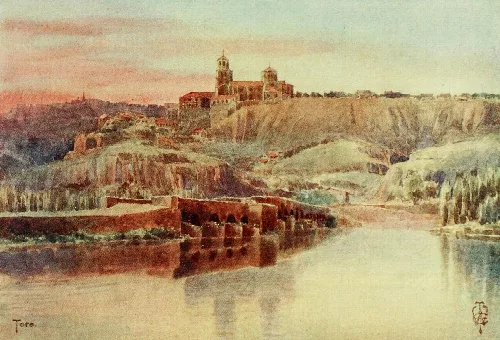
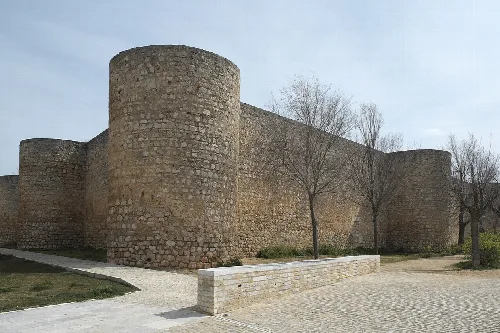
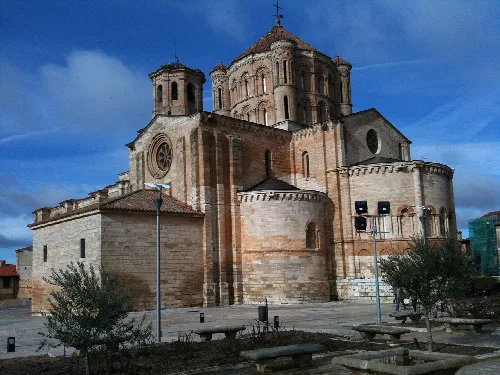
Key historical sites in Toro include the Colegiata de Santa María la Mayor, which showcases remarkable architecture, and the ancient city walls that reflect the town's medieval past. The Torre del Reloj and the Verraco are also essential landmarks, each representing different aspects of Toro's rich history.
Sights
What is the population of Toro?
Toro has a population of approximately 8,336 residents. This relatively small population contributes to the town's close-knit community atmosphere, making it an appealing place for both residents and visitors seeking a more intimate experience of Spanish culture.
Living there
For residents
 espana.net