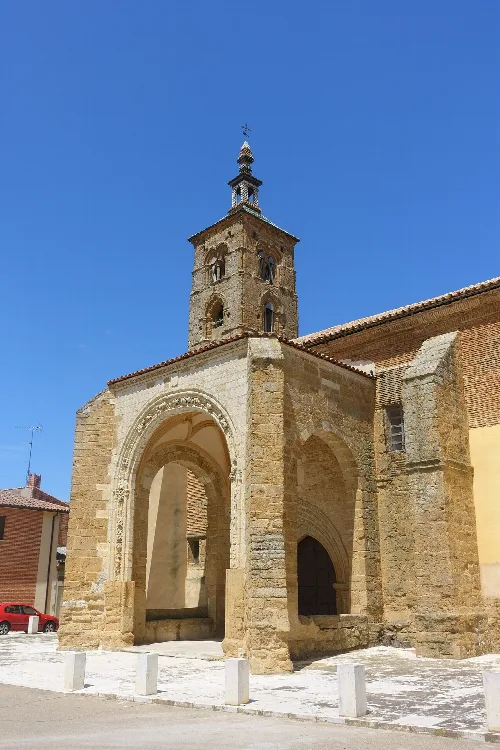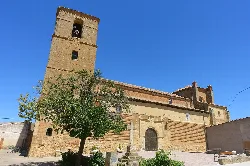
What is the Iglesia de la Asunción de Nuestra Señora like?
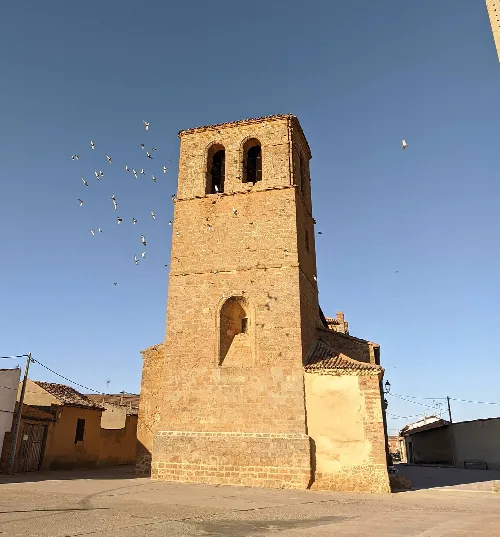
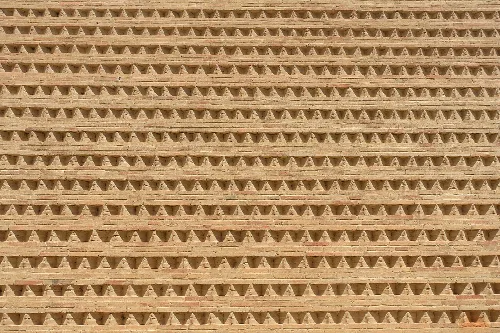
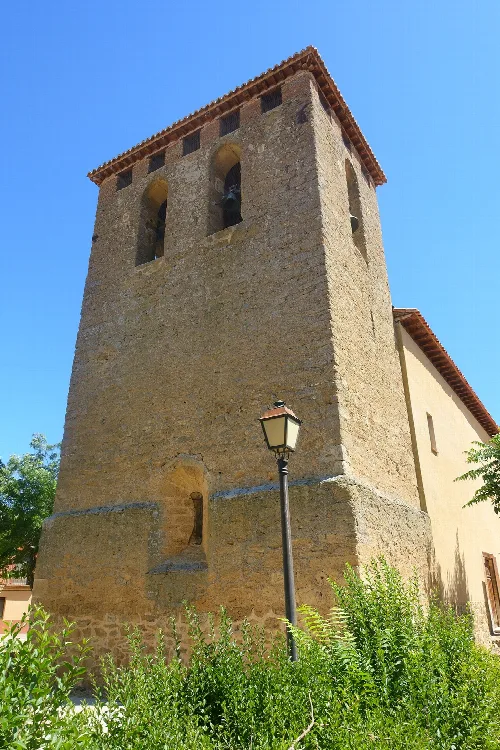
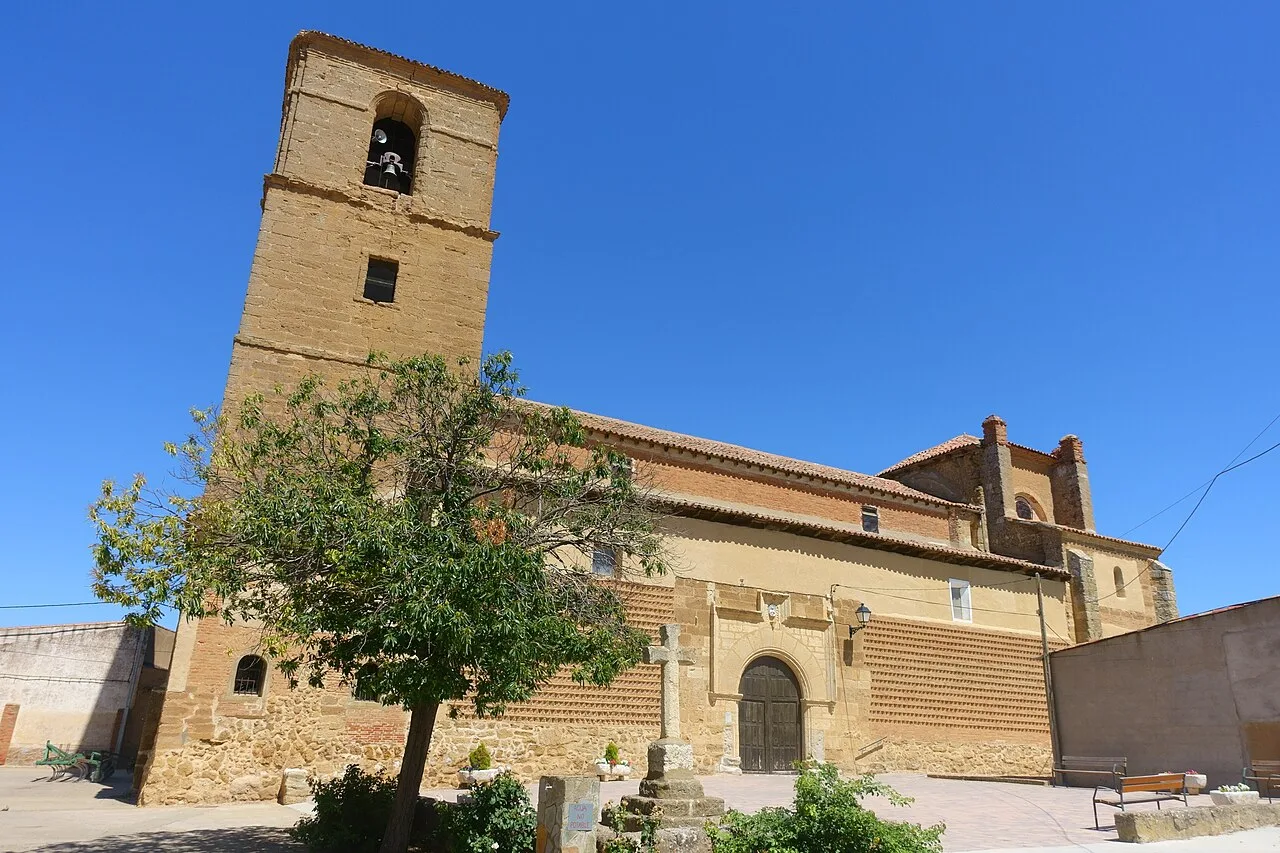
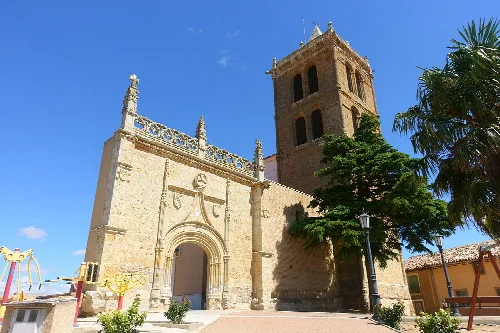
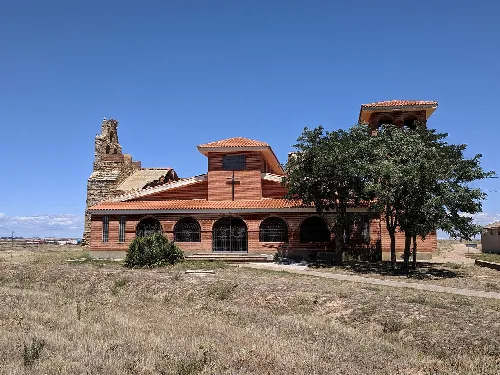
The Iglesia de la Asunción de Nuestra Señora features a blend of Renaissance and Gothic architectural styles. It has a stone tower and a brick structure, with a notable Rococo altarpiece inside. Originally built in the 12th century, it underwent reconstruction after a fire in the 16th century. The church has a rectangular base and houses five spacious naves, making it a significant landmark in Villamayor de Campos.
Sights
Iglesia de la Asunción de Nuestra Señora
How did Villamayor de Campos get its name?
Villamayor de Campos derives its name from its location in the Tierra de Campos region of Zamora. The term 'Villamayor' suggests a larger settlement or village, reflecting its historical significance as a center during repopulation efforts in the 9th century. The name has remained consistent throughout its history, emphasizing its enduring presence in the area.
History
For residents
What can you tell me about the Virgen del Socastro?
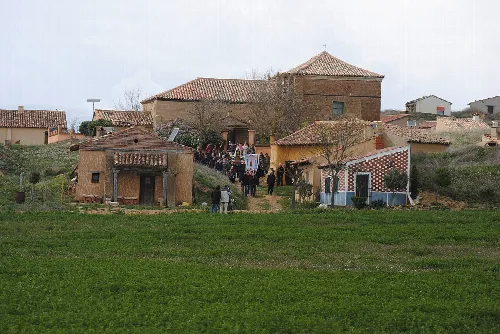
The Virgen del Socastro is a significant religious figure in Villamayor de Campos, believed to have been discovered in the 11th or 12th century. Two main images are venerated today: one in the parish and another in the hermitage. The original image has undergone restoration, and both versions inspire devotion among the locals, especially during the Romería celebrated in June.
Festivals & events
Virgen del Socastro
What is the significance of the Romería de la Virgen del Socastro?
The Romería de la Virgen del Socastro takes place on the first Sunday of June, marking a traditional pilgrimage. The image of the Virgin is brought down from her hermitage to the parish, followed by a festive gathering where locals enjoy food and drinks in the bodegas. This event reflects the community's deep-rooted religious and cultural traditions.
Festivals & events
Romería de la Virgen del Socastro
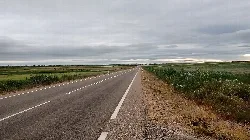
What is the landscape like around Villamayor de Campos?
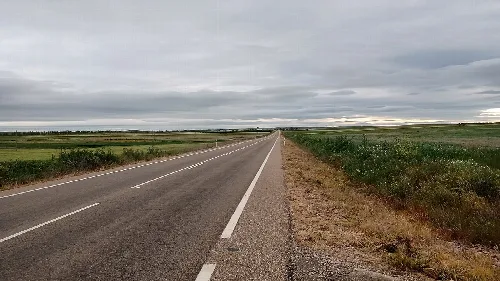
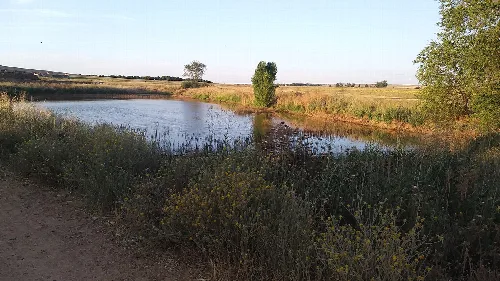
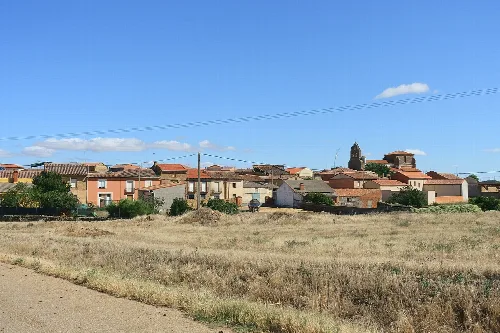
The landscape around Villamayor de Campos is characterized by flat, expansive fields typical of the Tierra de Campos region. The area is traversed by the Valderaduey River, which adds to its natural beauty. The surroundings are ideal for agriculture and are dotted with traditional bodegas, creating a picturesque rural setting.
Nature
What historical sites are there in Villamayor de Campos?
Villamayor de Campos is rich in history, with remnants from Roman times and medieval structures. Key sites include the Iglesia de la Asunción de Nuestra Señora and the Iglesia de San Esteban Protomártir, which features a unique Mudéjar ceiling. The area also has archaeological sites from ancient settlements, reflecting its long-standing significance.
History
For residents
What is the Semana Cultural Gebres?
Semana Cultural Gebres is a cultural event in Villamayor de Campos that features a variety of activities for all ages. It culminates in the Fiestas de San Roque, celebrated on August 15 and 16. This week-long celebration fosters community spirit and showcases local traditions, making it a highlight of the year.
Festivals & events
Semana Cultural Gebres
What types of food are popular in Villamayor de Campos?
Villamayor de Campos offers traditional Castilian cuisine, which includes hearty dishes like stews, roasted meats, and local cheeses. The region's agricultural background means fresh ingredients are often used. Local bodegas may also produce wines that complement the local fare, reflecting the area's culinary heritage.
Food & drink
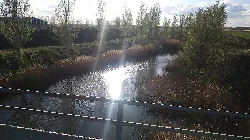
Is there a river near Villamayor de Campos?
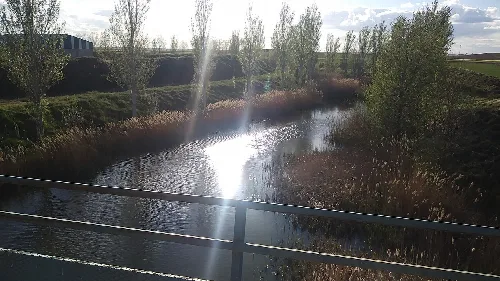
Yes, the Valderaduey River flows through the southern part of Villamayor de Campos. This river is significant for the local ecosystem and has historically supported agriculture in the region. It also provides a scenic backdrop for the surrounding landscapes, enhancing the area's natural beauty.
Nature
For residents
What is the Iglesia de San Esteban Protomártir known for?
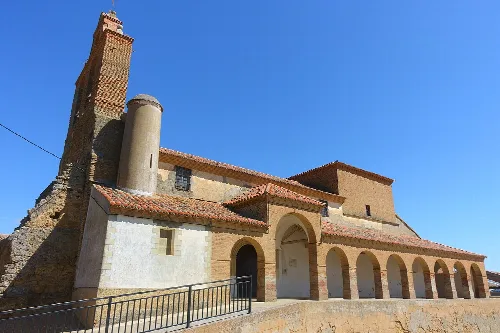
The Iglesia de San Esteban Protomártir is notable for its Mudéjar-style ceiling, which dates back to the 16th century. This church serves as a center for the interpretation of traditional carpentry, showcasing the region's unique architectural heritage. It highlights the craftsmanship that characterizes many local churches in the area.
Sights
Iglesia de San Esteban Protomártir
 espana.net