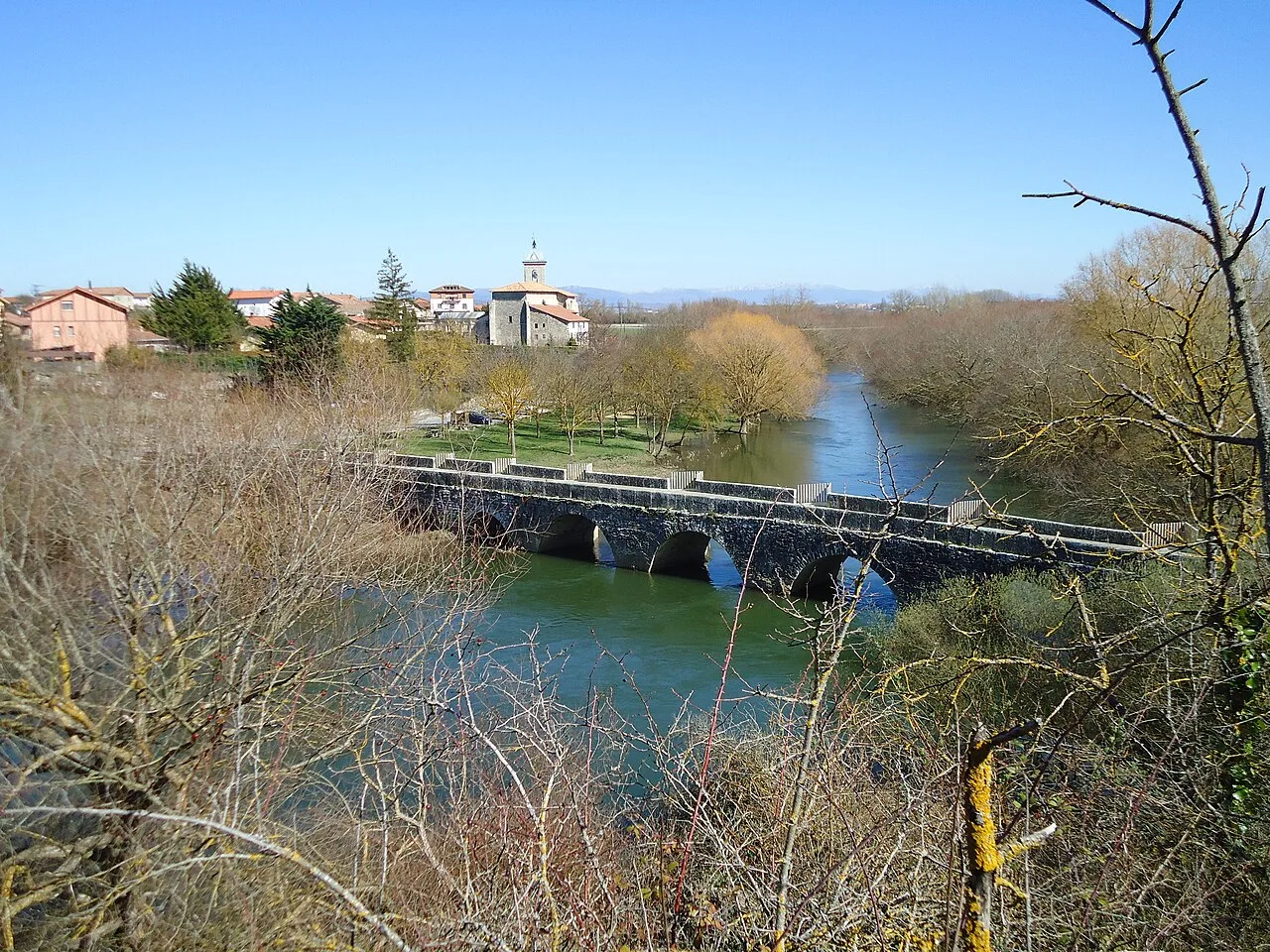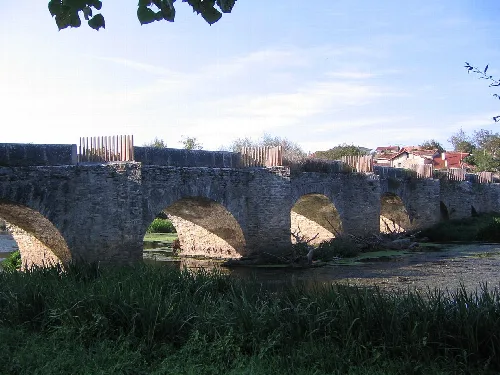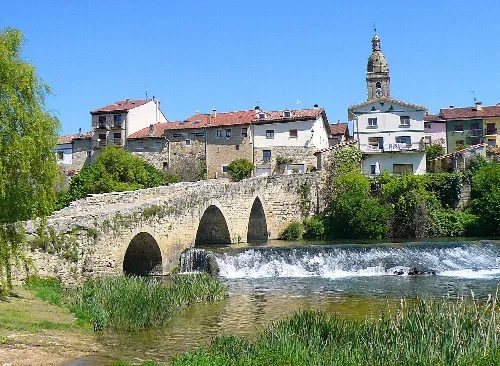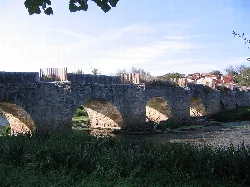
What is the significance of the Roman bridge in Trespuentes?
The Roman bridge in Trespuentes is historically significant as it likely connected the area to the ancient city of Veleia. Its name, Transpontem, translates to 'behind the bridge' in Latin, indicating its role in facilitating movement between settlements during Roman times. This bridge is a testament to the region's rich historical heritage and architectural prowess.
History
Puente romano de trespuentes
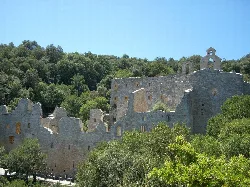
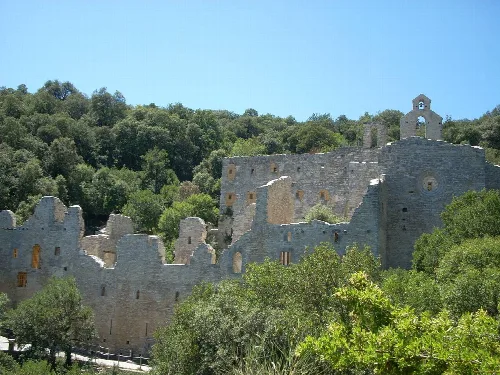
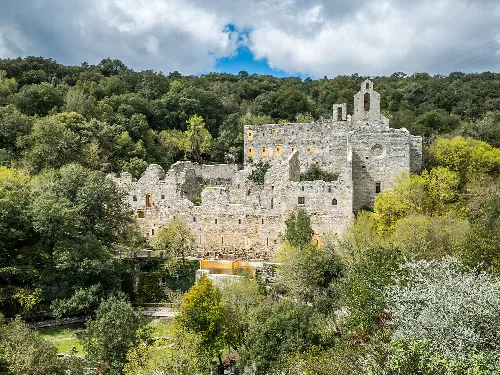
What can I see in the ruins of the Santa Catalina Botanical Garden?
The ruins of the Santa Catalina Botanical Garden offer a glimpse into the area's historical significance and natural beauty. Visitors can explore the remnants of the convent that once stood there, surrounded by lush greenery. The site is a peaceful spot for nature lovers and those interested in the region's botanical history.
Nature
Jardín Botánico de Santa Catalina
What events take place during the San Juan festivities in Montevite?
During the San Juan festivities in Montevite, celebrated around June 24, a variety of events are organized, including musical performances, sports activities, and gastronomic events. The community comes together to enjoy these festivities, making it a vibrant time for both locals and visitors.
Festivals & events
Montevite
What historical events occurred during the War of Independence in Iruña de Oca?
During the War of Independence, Iruña de Oca saw significant military activity, particularly with British troops under Wellington. The area, including the bridges of Víllodas and Trespuentes, played a strategic role, as these locations were crucial for controlling access across the Zadorra River against French forces.
History
For residents
What is the story behind the name Iruña de Oca?
Iruña de Oca derives its name from the fusion of two municipalities: Iruña and Nanclares de la Oca, which occurred in 1976. The name 'Iruña' is believed to mean 'the good city' in Euskera, while 'de Oca' references the Templars who settled in the region during the Middle Ages, known as Tierra de la Oca.
History
For residents
What are the main attractions in Iruña de Oca?
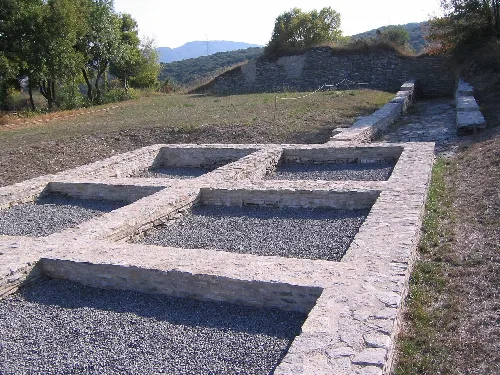
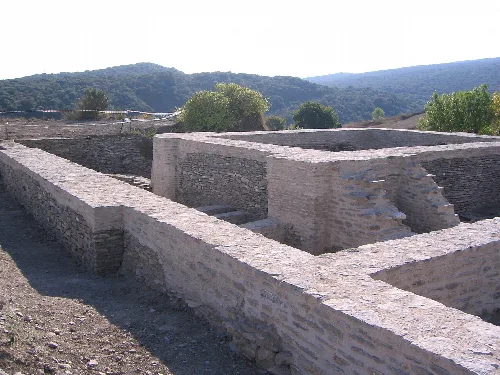
Iruña de Oca features several attractions, including the historical ruins of Iruña-Veleia, the Roman bridge in Trespuentes, and the remnants of the Santa Catalina convent. These sites reflect the rich cultural and historical tapestry of the area, making it an interesting destination for history enthusiasts.
Sights
How does Iruña de Oca celebrate Carnival?
Iruña de Oca celebrates Carnival with a lively parade in Nanclares, featuring music and costumes. Participants can join in the festivities, competing for prizes for the best costumes and performances. The celebration culminates in the traditional 'Entierro de la Sardina,' where a sardine is humorously 'buried' in a symbolic funeral.
Festivals & events
What is the significance of the Bendición de las Peras in Nanclares?
The Bendición de las Peras is a unique tradition in Nanclares during the patronal festivities, where the local priest blesses pears during mass. The pears are then distributed to attendees, symbolizing community spirit and agricultural heritage, highlighting the region's connection to its agricultural practices.
Festivals & events
Nanclares de la Oca For residents
What kind of food can I expect during the cultural festivals in Iruña de Oca?
During the cultural festivals in Iruña de Oca, visitors can enjoy a variety of local dishes at the gastronomic fair. Residents from different regions of Spain prepare traditional meals, offering a taste of their culinary heritage. This event not only promotes local cuisine but also fosters community spirit and charity.
Food & drink
Is Iruña de Oca well-connected for commuting to nearby cities?
Yes, Iruña de Oca is well-connected for commuting, situated near the A-1 motorway and crossed by several regional roads. It also has a train station on the Madrid-Irún line, making it convenient for residents to access nearby cities like Vitoria, enhancing both travel and daily commuting options.
Practical
For residents
 espana.net