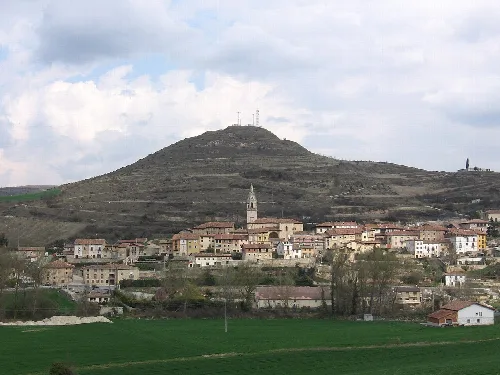
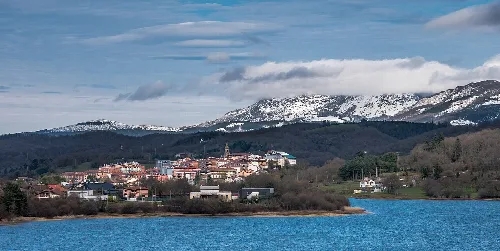
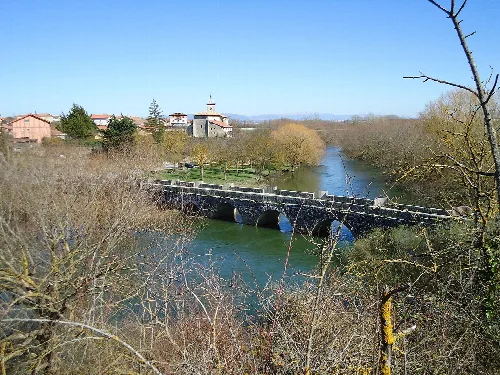
Vitoria-Gasteiz is the capital of the Basque Country and the province of Álava, located in northern Spain. Known for its rich history, green spaces, and vibrant cultural scene, it is a city that blends medieval heritage with modern urban development.
02Geography
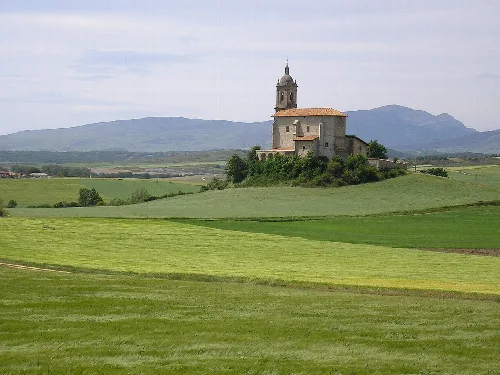
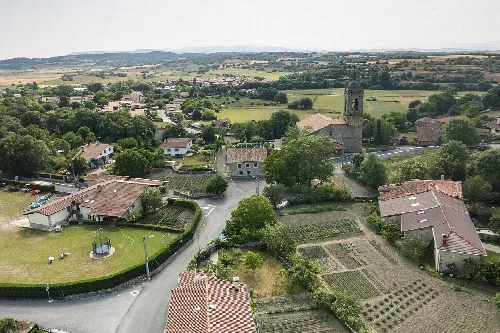
Vitoria-Gasteiz is situated in the Basque Country, surrounded by agricultural lands and comprising 63 villages. The city is located at an elevation of 525 meters, providing a unique landscape characterized by its proximity to the mountains and extensive green areas. The urban layout reflects its historical significance, with a medieval core that has evolved over centuries.
Patron saint
Virgen Blanca
Climate
Oceanic (Köppen Cfb)
03History
The origins of Vitoria-Gasteiz can be traced back to the Visigoth king Liuvigild, who founded Victoriacum in 581 AD. The modern city was established in 1181 by Sancho the Wise as Nova Victoria, evolving from earlier settlements. Over the centuries, it has witnessed significant events, including the Battle of Vitoria during the Peninsular War, which played a crucial role in ending French control in Spain.
581 AD Foundation of Victoriacum by King Liuvigild.
1181 Establishment of Nova Victoria by Sancho the Wise.
1813 Battle of Vitoria during the Peninsular War.
1980 Vitoria-Gasteiz designated as the seat of the Basque Autonomous Community.
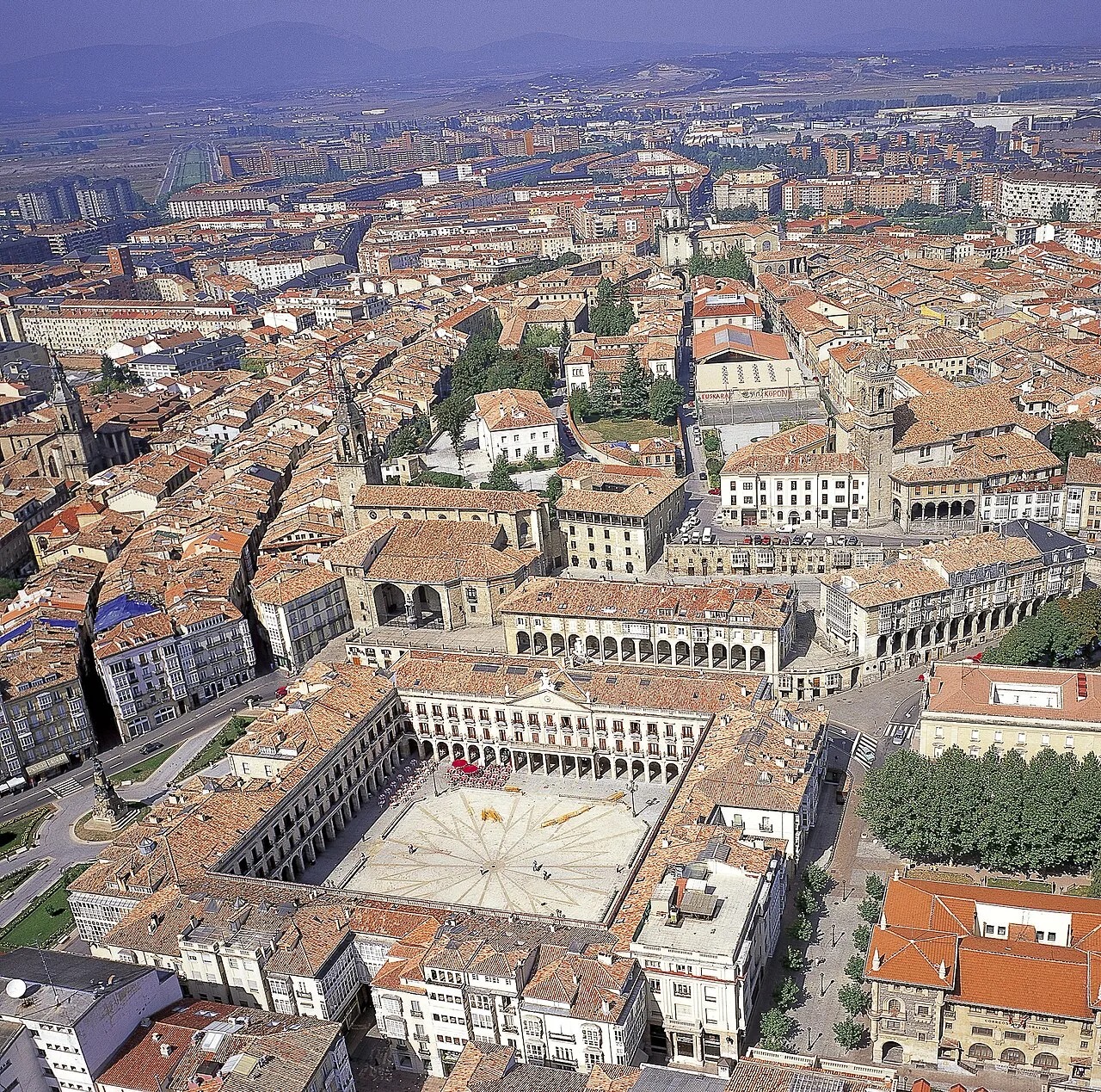
Vitoria-Gasteiz, the capital of the Basque Country, is known for its rich history and green spaces.
04Culture and Attractions
Vitoria-Gasteiz boasts a rich cultural heritage, featuring numerous historical sites and modern attractions. The city is home to two cathedrals, the Cathedral of Santa Maria and the Cathedral of María Inmaculada, alongside various museums and parks. Festivals such as the Azkena Rock Festival and the Virgen Blanca Festivities highlight the city's vibrant cultural scene.
Cathedral of Santa Maria 14th-century Gothic building undergoing restoration.
Cathedral of María Inmaculada 20th-century Gothic Revival style cathedral.
Fournier Museum of Playing Cards Showcases the history of playing card manufacturing.
Basque Museum of Contemporary Art (Artium) Features a significant collection of contemporary art.
Plaza de la Virgen Blanca Central square commemorating the Battle of Vitoria.
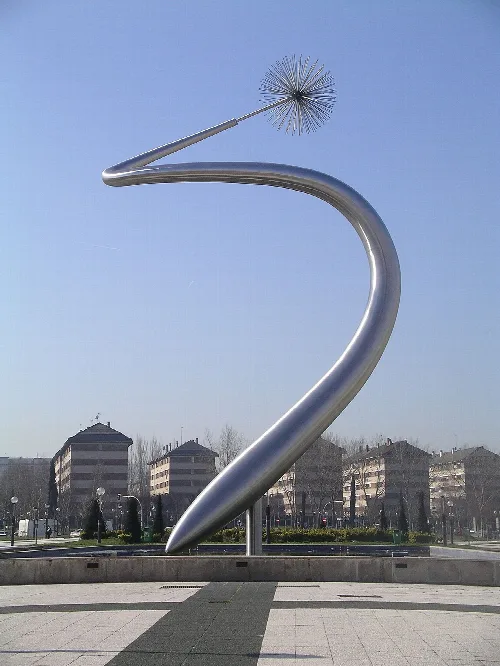
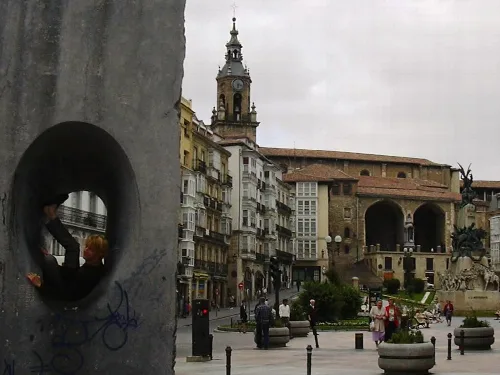
Modern sculpture on Avenida Portal de Foronda depicting a flower with a curved stem and a dandelion-shaped sphere.View of Vitoria's main square with historic buildings and the church in the background.
05Economy
The economy of Vitoria-Gasteiz is diverse, with a strong emphasis on manufacturing and logistics. Major companies such as Mercedes-Benz and Michelin have operations in the city, contributing to its economic growth. The city is also recognized for its commitment to sustainability, having been awarded the title of European Green Capital in 2012.
European Green Capital Awarded in 2012 for sustainability efforts.
06Transport
Vitoria-Gasteiz is well-connected by various modes of transport, including road, rail, and air. The city features a comprehensive public transport system, including buses and trams. Additionally, Vitoria Airport serves as a significant hub for cargo traffic and offers passenger services.
Public transport City bus service (TUVISA) and tram network (Euskotren).
Road connections N-622 and A-1 motorways connect to major cities.
Rail services Main stop on the Madrid–Hendaye railway.
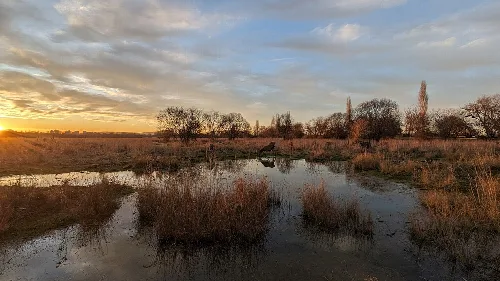
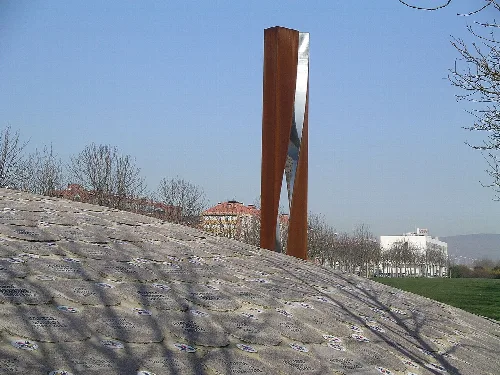
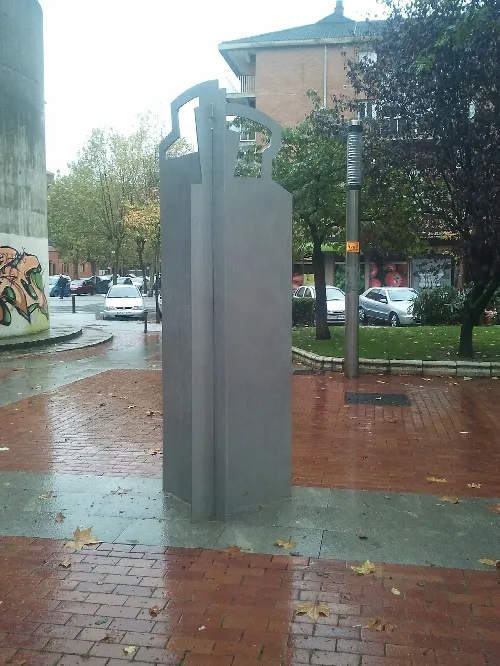
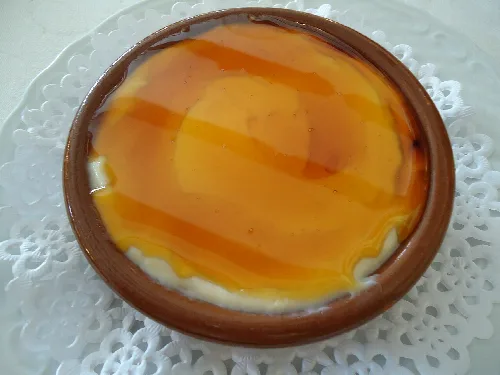
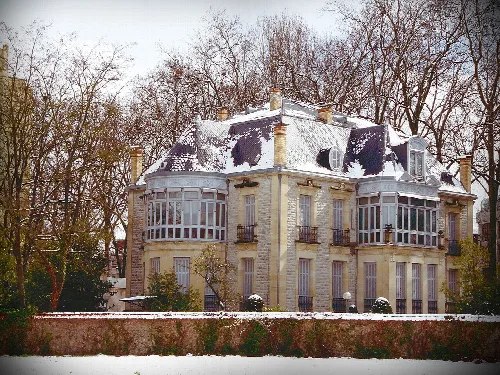
Sunset at Salburua wetland with deer in Vitoria-Gasteiz, Basque Country.Tribute to terrorism victims on Avenida Portal de Foronda in VitoriaSteel sculpture in front of San Francisco Church in Vitoria, titled 'Arrazoiaren Indarra' from 2013.Goxua, a traditional dessert from Vitoria, with layers of cream, sponge cake, and caramel in a ceramic bowl.Zulueta Palace, built in 1902-1903 in historicist style, home to the Sancho el Sabio Foundation library in Vitoria.
Frequently asked questions
What are some must-see attractions in Vitoria-Gasteiz?
Vitoria-Gasteiz boasts several notable attractions, including the Cathedral of Santa Maria, known for its Gothic architecture and historical significance. The Plaza de la Virgen Blanca features a monument commemorating the Battle of Vitoria. Additionally, the Basque Museum of Contemporary Art (Artium) showcases important contemporary artworks, while the Fournier Museum of Playing Cards highlights the city's unique card manufacturing heritage.
What is the significance of the Virgen Blanca Square?
Virgen Blanca Square is a central hub in Vitoria-Gasteiz, commemorating the Battle of Vitoria with a prominent monument. The square connects various historic streets and serves as a gathering place for locals and visitors alike. It is surrounded by charming architecture and is a key location during local festivities, making it a vibrant part of the city's cultural life.
Can you tell me about the Cathedral of Santa Maria?
The Cathedral of Santa Maria, also known as the Old Cathedral, is a 14th-century Gothic structure that has undergone various restorations. It features impressive chapels with artworks from renowned artists like Rubens. The cathedral's architectural curiosities have attracted global attention, and it offers guided tours showcasing recent archaeological findings, making it a highlight for visitors.
What outdoor activities can I enjoy in Vitoria-Gasteiz?
Vitoria-Gasteiz is known for its extensive green spaces and parks, particularly the Salburua wetlands, which are great for birdwatching and nature walks. The city's green ring connects parks like Zabalgana and Gamarra, providing opportunities for cycling, jogging, and leisurely strolls. The area is perfect for those who enjoy outdoor activities while experiencing the city's natural beauty.
How did Vitoria-Gasteiz earn the title of European Green Capital?
Vitoria-Gasteiz was awarded the title of European Green Capital in 2012 due to its commitment to sustainable urban development, extensive green public areas, and policies promoting biodiversity. The city ensures that all residents live within 300 meters of green spaces, highlighting its efforts to integrate nature into urban life and improve the quality of life for its inhabitants.
The Azkena Rock Festival is a popular music event held annually in Vitoria-Gasteiz, typically in June. It features a diverse lineup of rock artists and bands, attracting music lovers from across the region. The festival showcases both established and emerging talent, creating a vibrant atmosphere filled with live performances and cultural activities.
Vitoria-Gasteiz has a rich history marked by significant events, such as its founding by King Sancho the Wise in 1181 and the pivotal Battle of Vitoria in 1813 during the Peninsular War. The city has also experienced political changes, including its capture during the Spanish Civil War. These events have influenced its development and cultural heritage over the centuries.
Judizmendi, meaning 'mountain of the Jews' in Basque, is the site of a historical Jewish cemetery in Vitoria-Gasteiz. Established in 1492, the town council vowed to preserve it, making it unique in Spain. The cemetery's significance was commemorated with a monument in 2004, honoring the city's commitment to remembering its Jewish heritage amidst historical challenges.
What are some local dishes to try in Vitoria-Gasteiz?
Vitoria-Gasteiz offers a variety of local dishes that reflect Basque cuisine. Notable options include pintxos, small snacks typically enjoyed with drinks, and traditional dishes like bacalao al pil-pil (cod in a garlic and olive oil sauce) and txangurro (spider crab). The city's culinary scene is vibrant, with many restaurants and bars showcasing regional flavors.
Public transport in Vitoria-Gasteiz includes a city bus service operated by TUVISA, featuring multiple lines that connect various parts of the city. Additionally, a tram network operated by Euskotren enhances accessibility. The city's transport system is designed to facilitate easy movement for residents and visitors, making it convenient to explore Vitoria-Gasteiz.
 espana.net