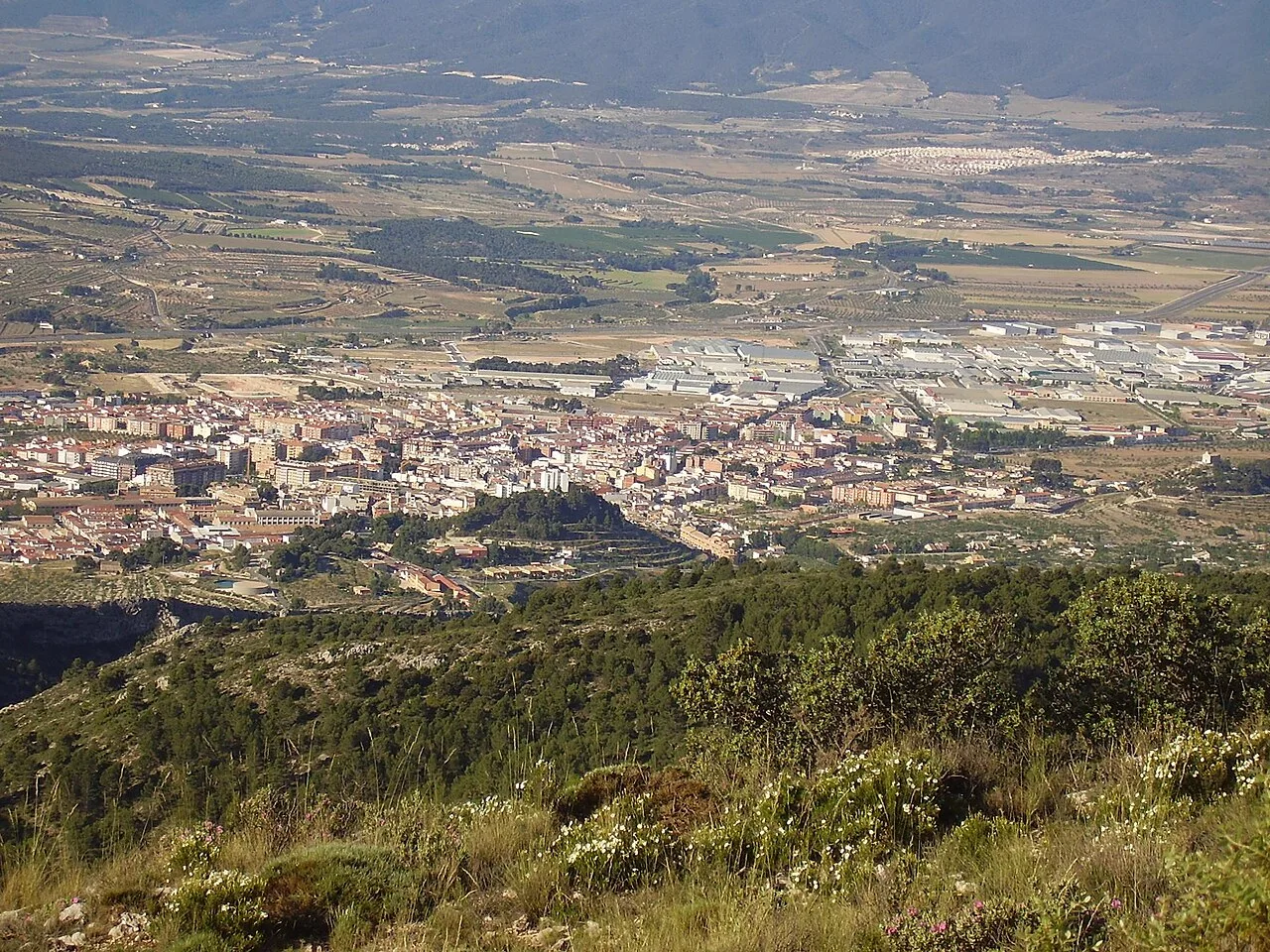
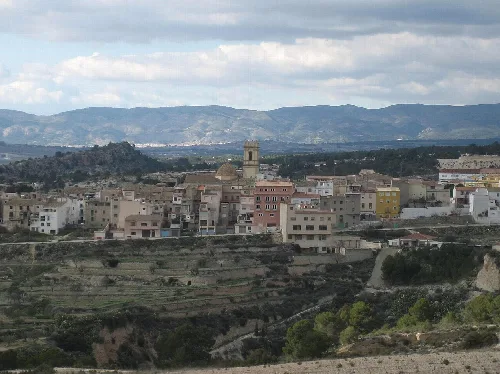
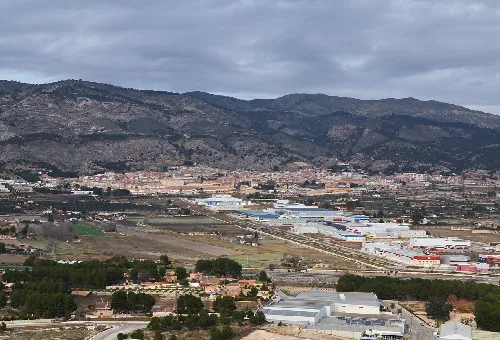
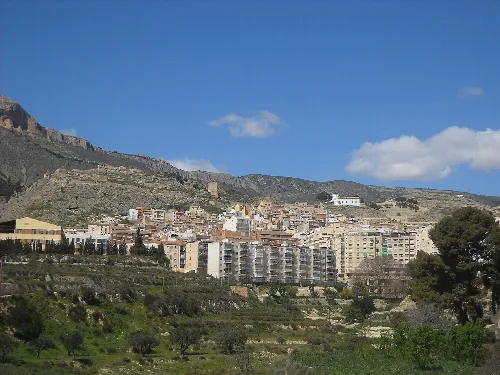
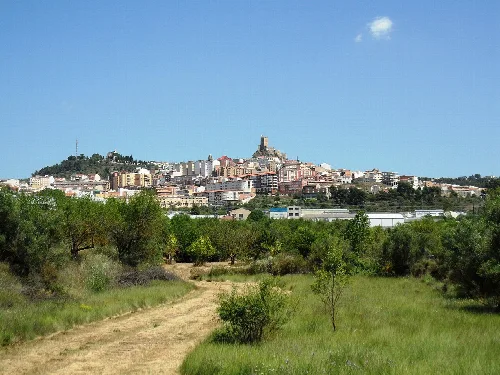
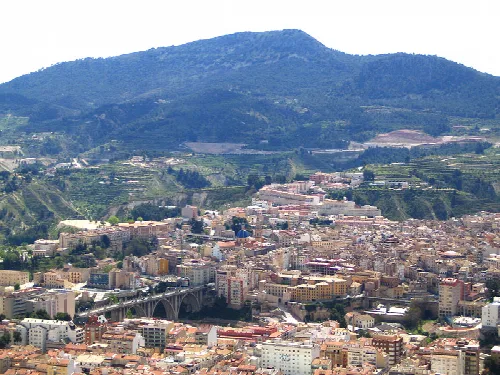
Ibi is a municipality located in the province of Alicante, within the Valencian Community of Spain. Known for its rich industrial heritage, particularly in toy manufacturing, Ibi is also characterized by its scenic mountainous surroundings and vibrant cultural traditions.
02Geography
Ibi is situated at an elevation of 816 meters, making it one of the highest municipalities in Alicante. It lies in the Hoya de Castalla region, bordered by several mountain ranges, including the Sierra de Biscoi and the Menejador peak, which reaches 1356 meters. The town is also located near the Monnegre River basin, with remnants of historical watercourses like the Rambla Gavarnera and Les Caixes.
Patron saint
San Miguel
Climate
Mediterranean with continental influences
Average annual temperature
12.8 °C
Average annual precipitation
400 mm
03History
Ibi's history dates back to the Iberian period, with archaeological sites revealing its ancient past. The town was officially established in the 17th century, evolving from a collection of small settlements during the Reconquista. Over the centuries, it has seen various cultural influences and significant events, including its recognition as a university by Philip II in 1578.
Iberian period Settlement in the territory of Contestania, with notable archaeological sites.
17th century Officially recognized as a villa.
1578 Declared a University by Philip II.
War of Spanish Succession Gained titles of Noble, Fiel, and Leal for loyalty to Felipe V.
20th century Growth driven by the toy industry, peaking in the 1970s.
Ibi, a municipality in Alicante, is renowned for its toy industry and rich cultural heritage amidst scenic mountains.
04Economy
Ibi's economy has historically been rooted in agriculture, but it has transitioned to a more industrial focus, particularly in toy manufacturing. The town was once a hub for ice production, which laid the groundwork for its later industrial developments. Today, Ibi is known for its diverse industrial base, including sectors like metal treatment and plastics.
Main industries Toy manufacturing, metal treatment, plastics.
Historical industry Ice production.
Number of companies Over 550.
Industrial area More than 2.5 million square meters.
Employment Over 6000 people employed in industry.
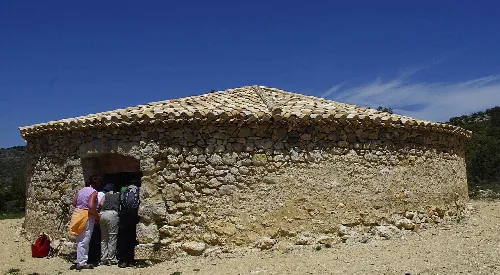
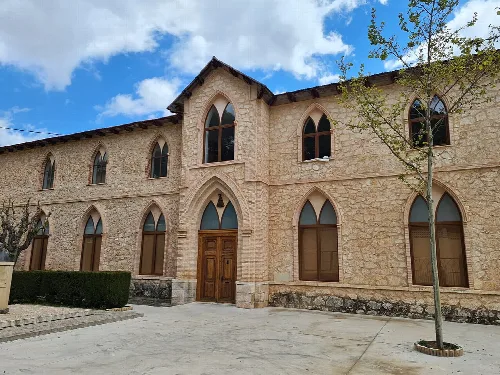
Pozo de Nieve del Canyo in Ibi, a stone structure used for storing snow.Patronato building in Ibi with stone walls and Gothic windows.
05Cultural Heritage
Ibi boasts a rich cultural heritage, reflected in its festivals, museums, and architectural landmarks. The town is particularly famous for its annual Moros y Cristianos festival, which celebrates its historical legacy. Additionally, Ibi is home to several museums that showcase its toy industry and local biodiversity.
Museo Valenciano del Juguete Focuses on the history of toys in Spain.
Museo del Videojuego Arcade Vintage Features a collection of arcade games and retro consoles.
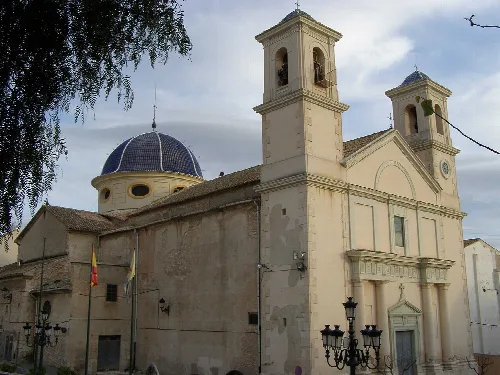
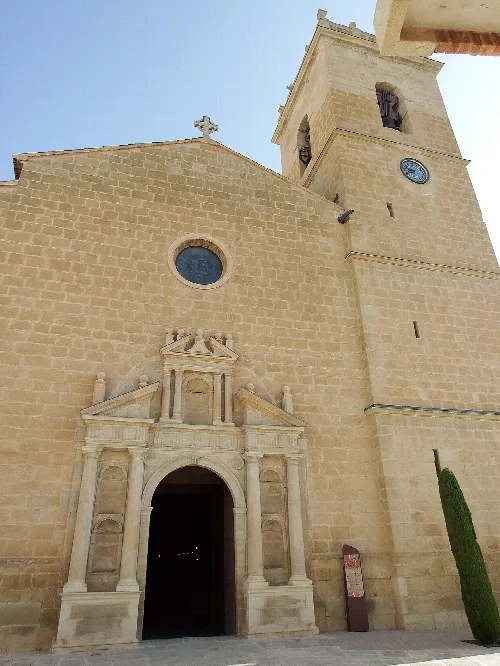
Iglesia parroquial de la Transfiguración Architectural landmark with historical significance.
Monument to the Reyes Magos Unique monument dedicated to the Three Wise Men.
Festivals Moros y Cristianos, Fiesta de los Heladeros, Romería de San Pascual.
06Demographics
Ibi has a population of approximately 24,500 residents. The demographic trends have shifted over the years, with significant growth during the industrial boom in the late 20th century. Recent years have seen a gradual recovery in population after a period of decline.
Current population 24,500 (2025 estimate).
Population growth Tripled from 1960 to 1981.
Historical peak 24,113 in 2009.
Recent trends Slow recovery in the 2020s.
Ageing population Contributing to gradual decline in previous years.
07Tourism and Attractions
Ibi offers a variety of attractions for visitors, including natural parks, cultural sites, and unique festivals. The town's mountainous landscape provides opportunities for outdoor activities, while its museums and historical buildings reflect its rich heritage.
Barranco de los Molinos Natural area with historical significance.
Hotel del Juguete Themed hotel celebrating the toy industry.
Casa Gran Historical building housing the Museum of Festivities.
Ermita de San Vicente Cultural site with a rich history.
Festivals Diverse celebrations reflecting local traditions.
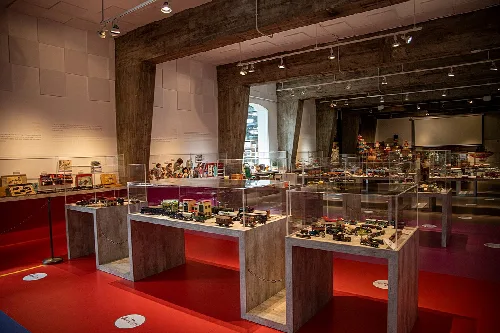
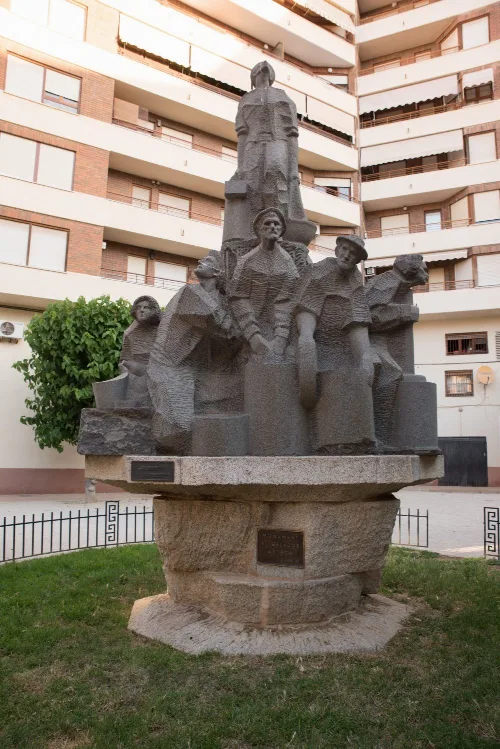
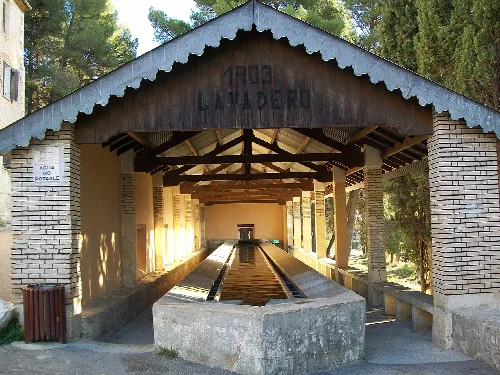
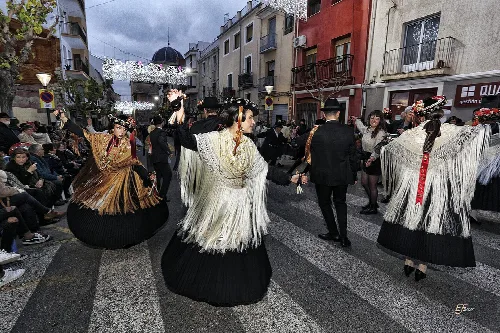
Interior of the Valencian Toy Museum of Ibi with displays of vintage toys in glass cases.Monument in Ibi dedicated to ice workers, featuring human figures and a dog in an urban setting.Laundromat in Ibi, a covered structure with traditional washbasins in Alicante.Traditional dance during Ibi's festivals with women in traditional costumes and men on the street.Church of the Transfiguration of the Lord in Ibi, Alicante, with its dome and towers on a cloudy day.
Frequently asked questions
What are the main attractions in Ibi?
Ibi is known for its rich history and cultural attractions, including the Museo Valenciano del Juguete, which showcases the town's toy-making heritage. The Patronato de Ibi is another notable site, reflecting local architectural styles. Additionally, the natural surroundings offer opportunities for hiking and exploring the nearby mountains, making it a great destination for nature lovers and families alike.
What is the history of the Museo Valenciano del Juguete?
The Museo Valenciano del Juguete in Ibi highlights the town's legacy as a center for toy manufacturing, particularly during the mid-20th century. It features a collection of toys produced by local companies, showcasing the evolution of the industry and its significance to Ibi's economy and culture. This museum is a must-visit for those interested in the history of play and craftsmanship.
What is the significance of the Pozo de Nieve del Canyo?
The Pozo de Nieve del Canyo is a historic snow well in Ibi, reflecting the town's past ice industry. Built to store snow, it was used for ice production, which was essential before modern refrigeration. This structure is a testament to Ibi's industrial heritage and offers insight into how local communities adapted to their environment for economic purposes.
Ibi is surrounded by beautiful natural landscapes, ideal for outdoor activities. The nearby mountains, including the Menejador peak, offer hiking trails with stunning views of the Hoya de Castalla. The area is rich in Mediterranean vegetation, making it perfect for nature walks and exploring local flora and fauna. There are also designated hiking routes organized by the local government.
Ibi has a Mediterranean climate with continental influences due to its altitude of 816 meters. Winters are cool with occasional frost and snow, while summers are warm and dry. The average annual temperature is around 12.8 °C, with most rainfall occurring in autumn and spring. This climate supports a diverse range of outdoor activities throughout the year.
In Ibi, you can enjoy traditional Valencian cuisine, including dishes like paella, which is famous throughout the region. Local specialties may include various rice dishes, fresh seafood, and seasonal vegetables. Additionally, the town's history in ice production means you might find unique desserts made with local ice creams and sorbets, perfect for warm days.
Living in Ibi offers a blend of industrial and natural environments. The town has a strong community feel, with access to essential services like healthcare and education. Its industrial base provides job opportunities, particularly in manufacturing and services. Additionally, the surrounding nature offers a peaceful lifestyle with plenty of outdoor activities, making it appealing for families and individuals alike.
Ibi hosts several local festivals throughout the year, reflecting its cultural heritage. Notably, the Fiestas de San Miguel in September features parades, music, and traditional dances. The town also celebrates the Festival of the Three Kings in January, which includes a vibrant parade. These events are great opportunities to experience local customs and community spirit.
The Patronato de Ibi is an important cultural and historical building in the town. It serves as a center for various community activities and events, showcasing Ibi's architectural heritage. The building's design reflects the local style and history, making it a key landmark for both residents and visitors interested in the town's cultural identity.
Ibi's economy is primarily industrial, with a significant focus on manufacturing, particularly in the toy industry, which flourished in the mid-20th century. Although the toy sector has declined, the town has diversified into other industries such as plastics and metal treatment. Agriculture also plays a role, with local farms producing almonds and olives, contributing to the economy.
 espana.net