What are some interesting places to visit in Banyeres de Mariola?
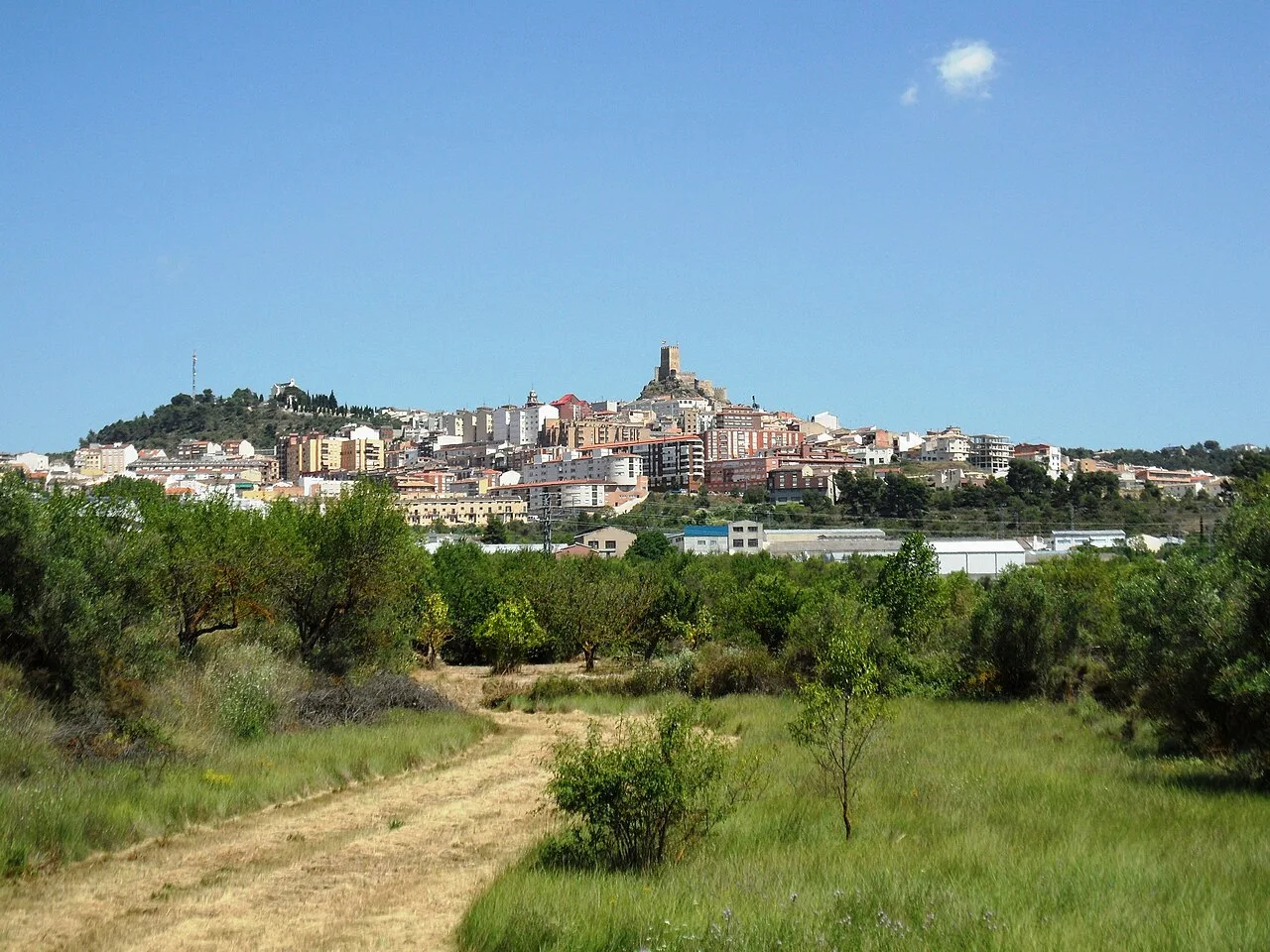
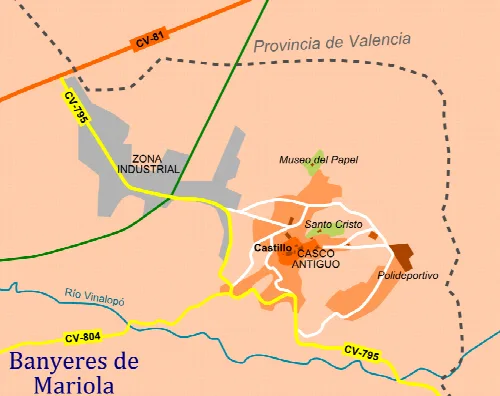
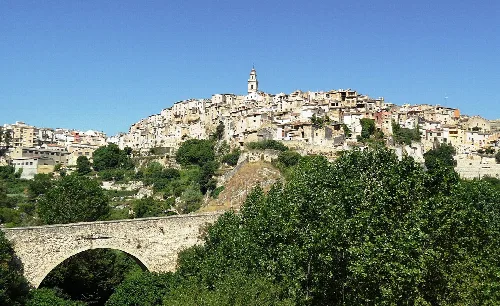
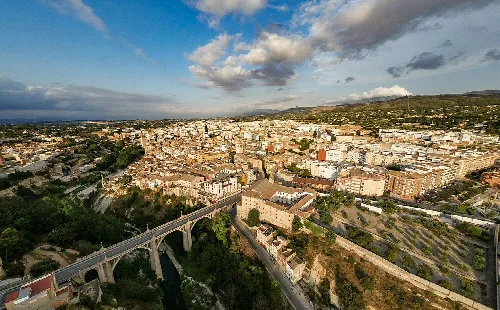
Banyeres de Mariola offers a variety of attractions including the Castle, which dates back to the 12th century, and the Museo Valenciano del Papel, located in Villa Rosario Park. Additionally, the town features beautiful natural sites like the Font del Cavaller and the scenic views from the surrounding mountains.
Sights
Can you tell me about the history of the Castle in Banyeres de Mariola?
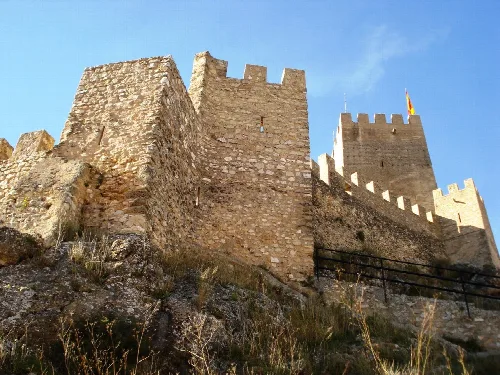
The Castle of Banyeres de Mariola is of Arab origin, built in the 12th century. It has a unique polygonal design and features a notable 17-meter high Torre del Homenaje. The castle played a significant role during the Spanish Succession War and was declared a Cultural Interest Site (BIC) in 1985.
History
Castle
What is the significance of the Moros y Cristianos festival?
The Moros y Cristianos festival in Banyeres de Mariola is celebrated from April 22 to 25 in honor of San Jorge, the town's patron. It is recognized as a National Tourist Interest event, showcasing the town's rich cultural heritage through parades and reenactments.
Festivals & events
What can I expect to find at the Museo Valenciano del Papel?
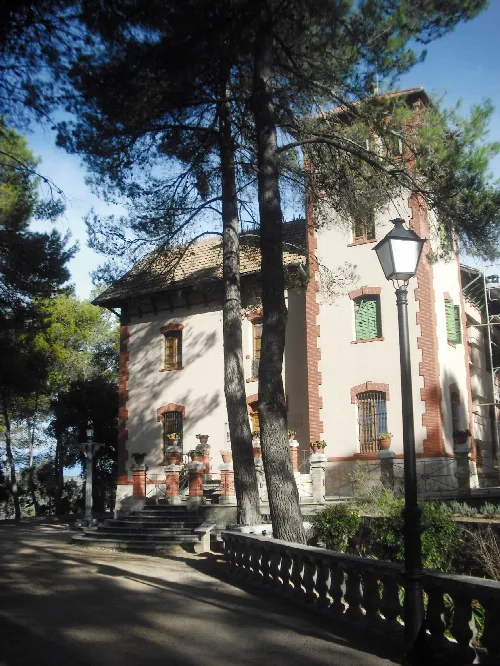
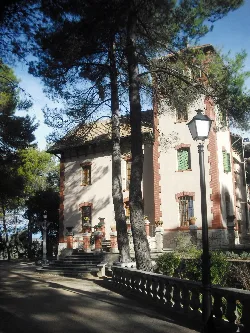
The Museo Valenciano del Papel showcases the traditional process of paper-making. It features various artifacts, including 1300 booklets of cigarette paper, historical filigree, and models of old mills. The museum is located in Villa Rosario Park, providing a unique insight into the local industrial history.
Sights
Museo Valenciano del Papel
What types of food are popular in Banyeres de Mariola?
Banyeres de Mariola is known for its traditional dishes such as 'arròs i conill' (rabbit rice), 'olla de penques', and various types of stews. The local drink, 'herbero', made from herbs found in the nearby Sierra Mariola, is also a popular specialty.
Food & drink
How does the climate affect living in Banyeres de Mariola?
Banyeres de Mariola experiences a Mediterranean continental climate, characterized by cold winters and warm summers. The altitude influences temperatures, making nights pleasant even in summer. Residents enjoy a varied climate, which can affect outdoor activities and lifestyle choices.
Living there
For residents
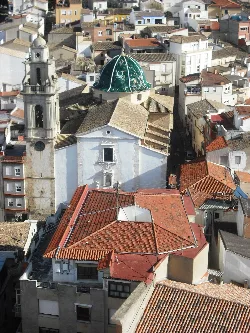
What is the history behind the Iglesia de la Misericordia?
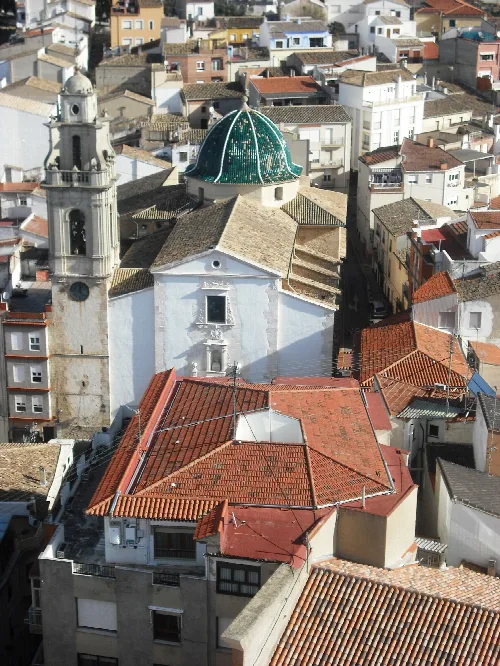
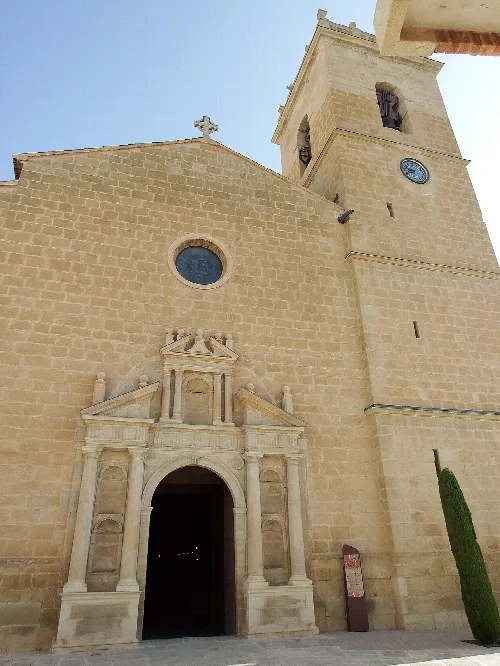
The Iglesia de la Misericordia began construction in 1734 and is designed in a Corinthian Baroque style. It suffered significant damage during the Spanish Civil War, leading to the restoration of many of its images and altarpieces afterward, reflecting the town's resilience and historical depth.
History
Iglesia de la Misericordia
What outdoor activities can I do in Banyeres de Mariola?
Banyeres de Mariola is surrounded by beautiful natural landscapes, making it ideal for hiking and exploring. Visitors can enjoy trails in the nearby Sierra de Mariola, visit the Font del Cavaller, or relax in Villa Rosario Park, which also houses the Museo Valenciano del Papel.
Nature
What is the significance of the statue of Jaime I in Banyeres de Mariola?
The statue of Jaime I, installed on October 9, 2022, honors the king who contributed to the founding of Banyeres by donating the castle. This bronze sculpture serves as a reminder of the town's historical roots and its connection to significant historical figures.
Sights
statue of Jaime I
How has the population of Banyeres de Mariola changed over time?
Banyeres de Mariola has seen significant demographic changes, with a population of about 400 in 1646, growing to 7347 by 2025. The population fluctuated due to agricultural and industrial expansions, particularly in the 18th and 19th centuries, reflecting economic shifts in the region.
History
For residents
 espana.net