Rafal is a municipality located in the Valencian Community, specifically in the province of Alicante. Known for its agricultural heritage and vibrant local festivals, it is a small town with a rich historical background.
02Geography
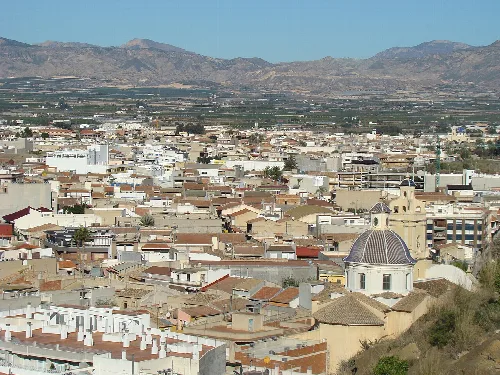
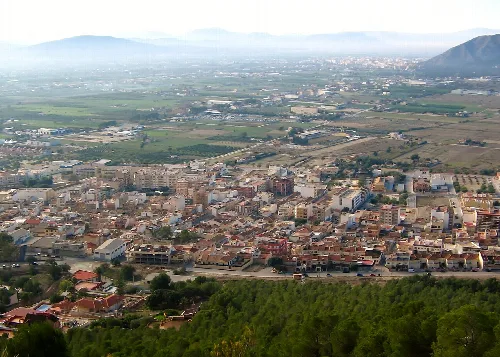
Rafal is situated on the left bank of the Segura River, surrounded entirely by the municipality of Orihuela. It is well connected to nearby towns such as Orihuela, Guardamar del Segura, and Torrevieja through local roads, making it accessible from the A-7 highway.
03History
The history of Rafal dates back to ancient times, with evidence of human activity in the region since the Middle Paleolithic. The area underwent significant changes during the Romanization, leading to agricultural advancements and the establishment of settlements.
Romanization Introduction of irrigation and agricultural techniques.
Muslim Rule Known as Rahal Al-Wazir, it became a populated area with improved irrigation techniques.
Christian Reconquest In 1265, the land was redistributed among Christian families after the expulsion of Muslims.
Marquisate of Rafal Established in the 16th century, it became a significant landholding.
Demographic Changes The population evolved from a mix of Christian and Muslim origins.
Rafal is a municipality in Alicante, known for its agricultural roots and vibrant festivals honoring the Virgen del Rosario.
04Economy
The economy of Rafal has traditionally relied on agriculture, particularly the cultivation of crops and the production of vegetable preserves. This agricultural foundation has shaped the local community and its way of life.
Main economic activities
Agriculture and vegetable preserves.
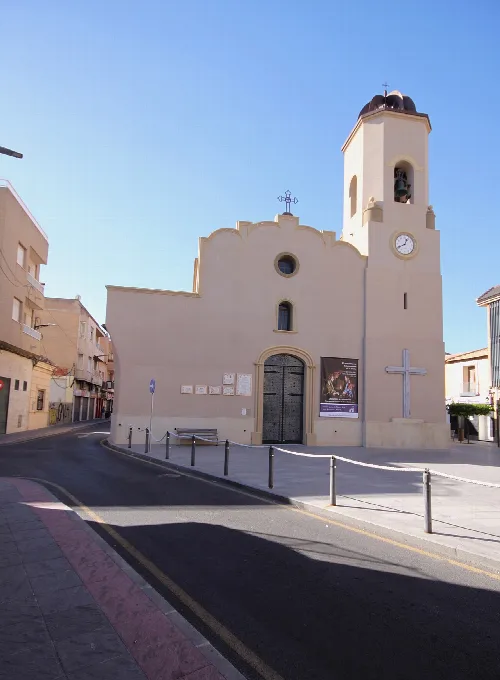
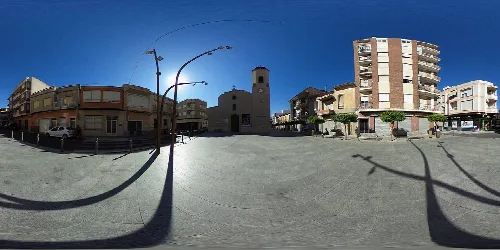
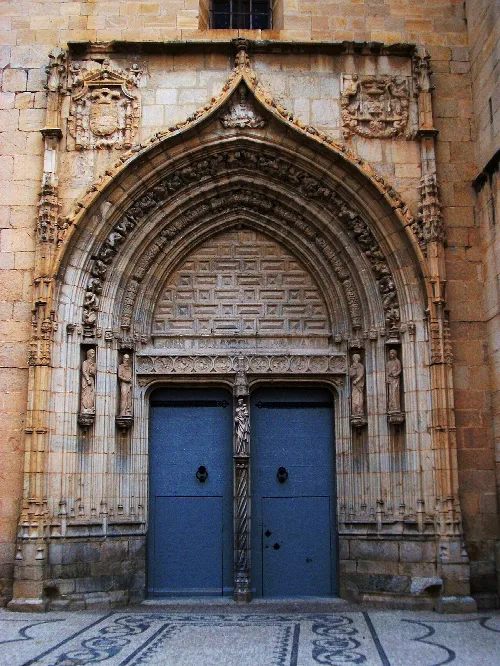
The church in Rafal, with its tower and clock, on a sunny day in Alicante.Panoramic view of Francisco Martínez Morales 'Paco el Bueno' Square and church in Rafal, Alicante.
05Cultural Heritage
Rafal is home to several notable buildings, including the Iglesia de Nuestra Señora del Rosario, which has undergone multiple renovations since its construction began in 1639. This church is a significant architectural landmark and a center for local religious life.
Iglesia de Nuestra Señora del Rosario Constructed starting in 1639, it features various artistic elements.
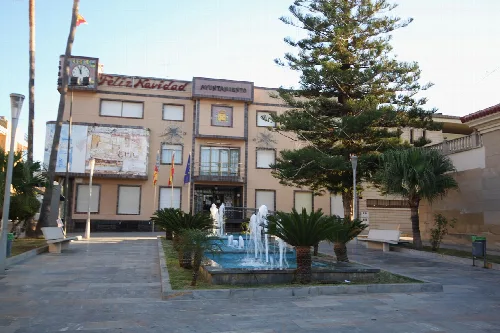
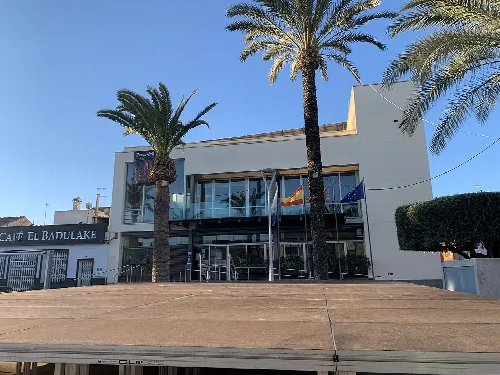
Town Hall Built in 1993, serving as the administrative center.
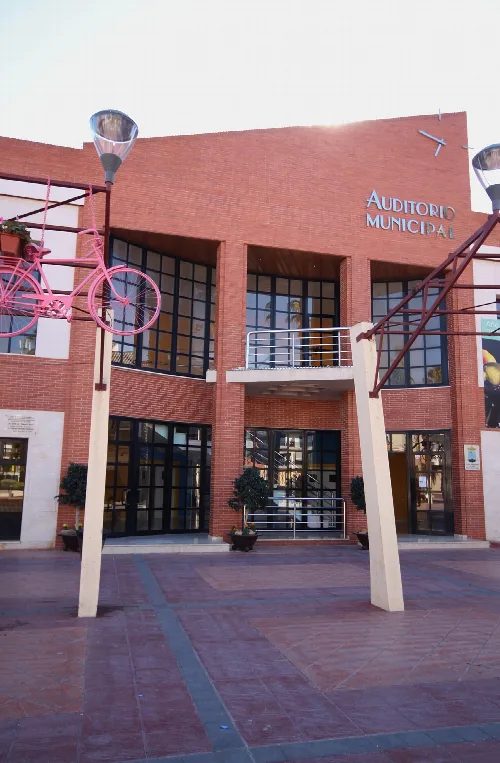
Municipal Auditorium Constructed in 1999, hosting various events.
06Festivals
The patronal festivals in Rafal are dedicated to the Virgen del Rosario, celebrated with a series of events starting in June and culminating on October 7. The festivities include a variety of activities that engage the community and attract visitors.
Festival Duration From late August to October 7.
Key Activities Concerts, cultural exhibitions, and traditional processions.
First Mascletá Organized in 2007 in honor of the Virgen del Rosario.
Community Involvement Includes local residents and visitors in various events.
07Administration and Politics
Rafal has experienced various political changes throughout its history, particularly during the transition to democracy in the late 20th century. The local government has seen different parties in power, reflecting the evolving political landscape.
First democratic elections Held in 1979.
Notable mayors Gaspar Torres Gilabert, Joaquín Arques Verdú, and Francisco Bernabeu Sarmiento.
Recent political challenges Economic difficulties leading to significant emigration.
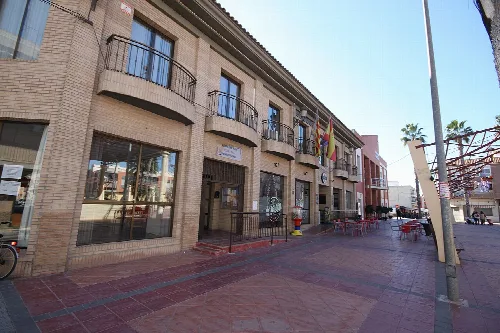
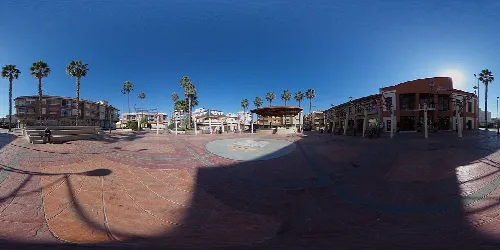
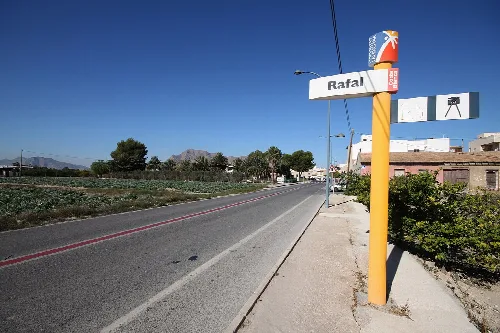
Rafal town hall in Alicante with brick facade and balconies on the upper floor.The municipal auditorium of Rafal, a modern brick building with large windows and colorful decoration.Panoramic view of Plaza de España with the auditorium and town hall in Rafal, Alicante.Access sign to Rafal in Alicante province with mountain background and clear sky
Frequently asked questions
How do I get to Rafal from Alicante?
To reach Rafal from Alicante, you can take the A-7 motorway, which connects to the CV-900 and finally leads you to the CV-911. This route provides a straightforward drive to this charming municipality in the province of Alicante.
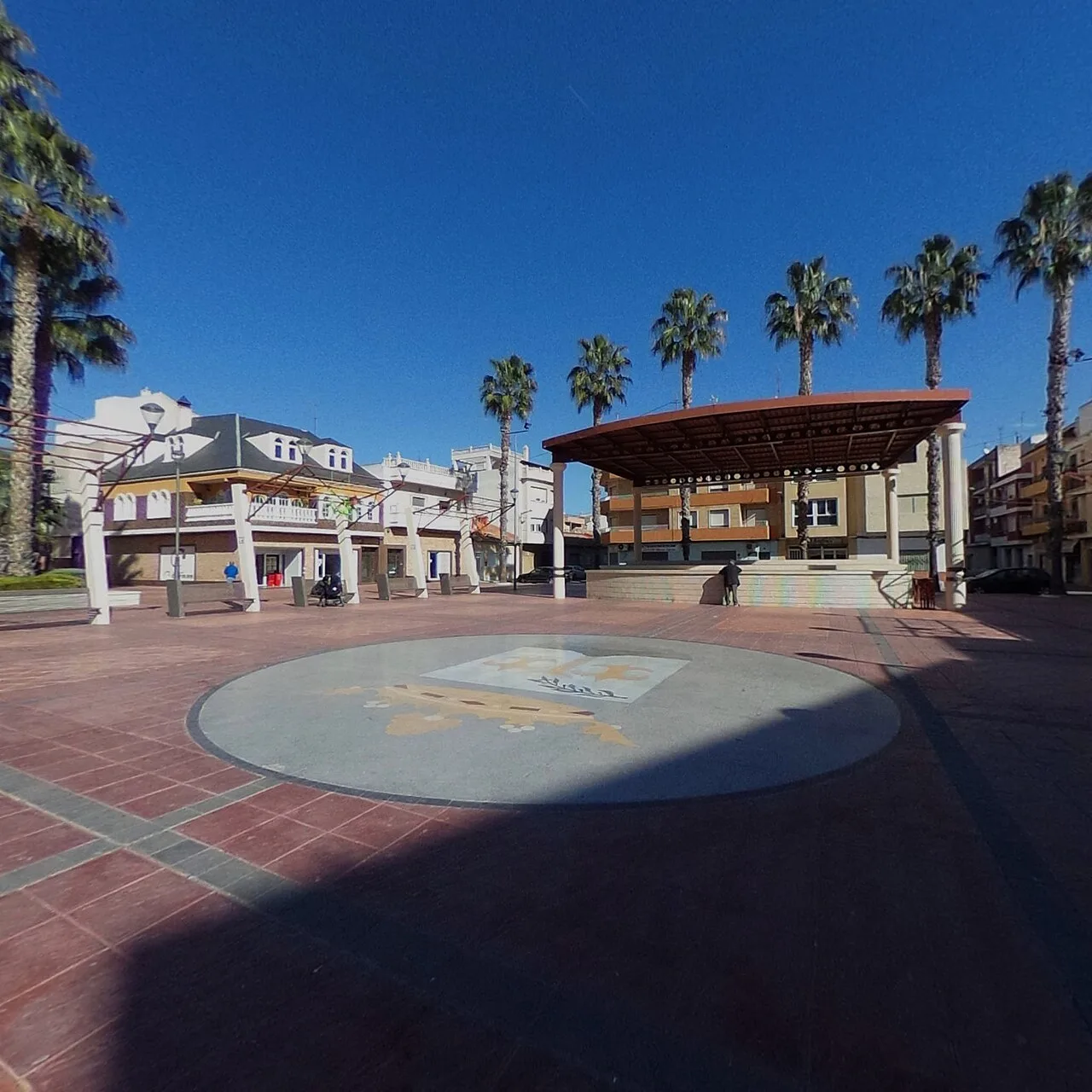
The Templete de música is a charming music pavilion located in Plaza de España, serving as a cultural hub for performances and gatherings. It's a lovely spot to relax and enjoy local events, showcasing the community's vibrant spirit.
Rafal has a rich history dating back to the Roman period and later under Muslim rule as Rahal Al-Wazir. The area saw significant agricultural development and repopulation during the Reconquista, evolving into the municipality it is today.
Yes, Rafal features a notable church, which reflects the town's historical architecture. It has undergone several phases of construction, with the first phase completed in 1640, showcasing the town's deep-rooted religious heritage.
What is the Plaza Francisco Martínez Morales known for?
Plaza Francisco Martínez Morales, often referred to as 'Paco el Bueno', is a central square in Rafal. It serves as a community gathering space and is surrounded by local shops and the church, making it a lively area for residents and visitors alike.
Rafal offers a variety of traditional Valencian cuisine, including dishes like paella and tapas. Local restaurants often feature seasonal ingredients, showcasing the region's agricultural heritage and culinary traditions.
Rafal hosts several local events throughout the year, including traditional festivals that celebrate its cultural heritage. These events often feature music, dance, and local cuisine, providing a great way to experience the community's spirit.
Rafal has a population of approximately 4,849 residents. This small yet vibrant community is characterized by its friendly atmosphere and strong local ties, making it a pleasant place to live or visit.
The name Rafal evolved from its original designation, Rahal Al-Wazir, reflecting its historical Arabic roots. Over time, the name transformed linguistically, leading to the current name, which signifies the town's rich cultural heritage.
What facilities are available in the town hall of Rafal?
The Ayuntamiento, or town hall, serves as the administrative center of Rafal. It provides various public services and resources for residents, making it an essential part of the community's governance and daily life.
 espana.net