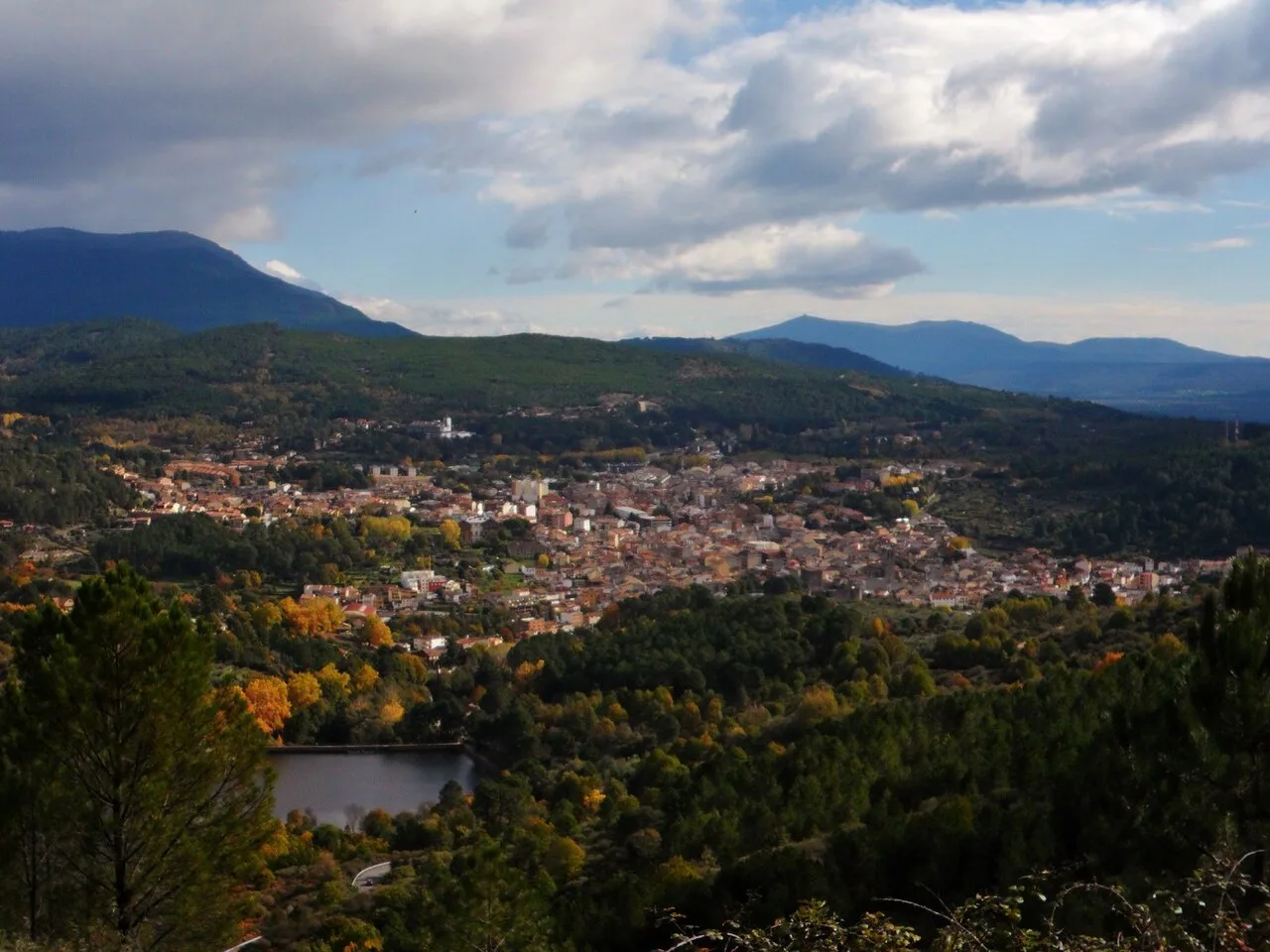
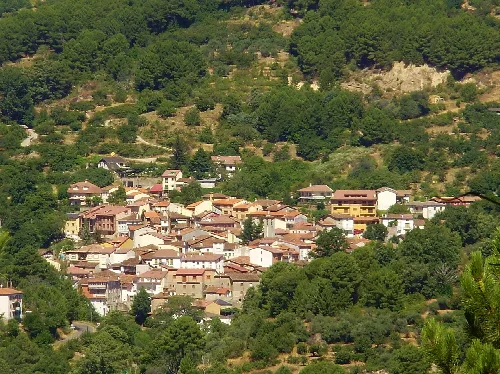
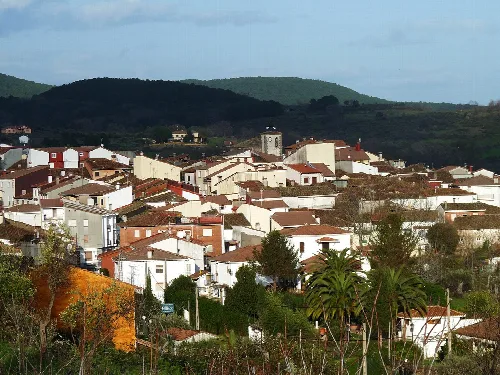
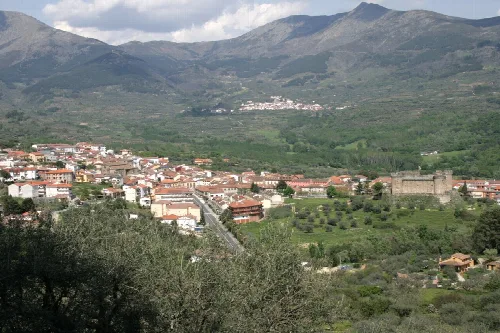
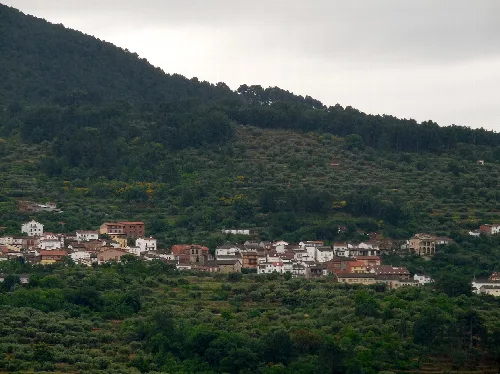
Arenas de San Pedro is a municipality located in the province of Ávila, within the autonomous community of Castile and León. Known for its rich history and natural beauty, it serves as the capital of the Valle del Tiétar comarca and is surrounded by the protected area of the Sierra de Gredos Regional Park.
02Geography
Arenas de San Pedro is situated in the southern part of Ávila province, approximately 81 km from the provincial capital. The municipality features a diverse elevation range, with the highest point being La Mira peak at 2343 m above sea level, while the town itself is at 510 m. The area includes several pedanías such as Hontanares, La Parra, and Ramacastañas.
Highest point
La Mira (2343 m)
Lowest elevation
510 m
Protected area
Sierra de Gredos Regional Park
Main river
Tiétar
03History
The origins of Arenas de San Pedro date back to the Middle Ages when it was founded by settlers from an earlier settlement. It gained the title of villa in 1393 during the reign of Enrique III of Castile. The town has a rich historical narrative, including its role as a lordship and its connections to notable figures such as the infante Luis Antonio de Borbón.
1393 Granted the title of villa by Enrique III.
18th century Home to the infante Luis Antonio de Borbón and artists like Goya.
1809 Population burned by French troops during the War of Independence.
1946 Granted city status.
1964 Caves of Águila opened to the public.
Arenas de San Pedro is a historic municipality in Ávila, Castile and León, known for its natural beauty and rich cultural heritage.
04Cultural Heritage
Arenas de San Pedro boasts several historical landmarks, including the Castillo del Condestable Dávalos, a Gothic fortress, and the neoclassical Palacio del Infante Don Luis de Borbón. The town's architecture reflects its rich history, with structures dating back to the 14th century.
Castillo del Condestable Dávalos Gothic fortress built between 1393 and 1423.
Palacio del Infante Don Luis Neoclassical palace constructed between 1780 and 1783.
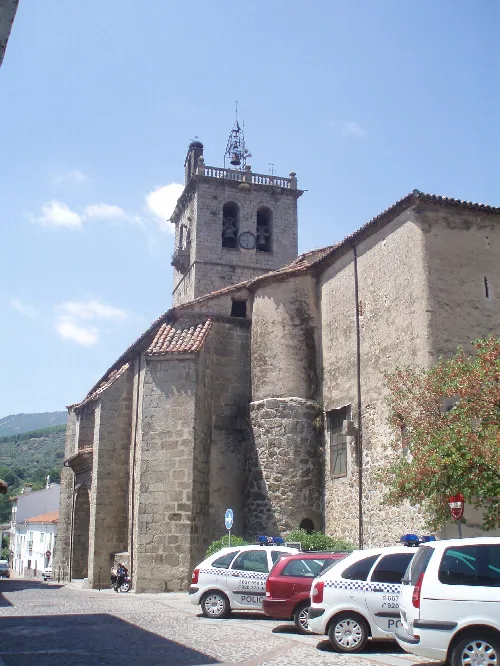
Iglesia de Nuestra Señora de la Asunción Gothic church built in the late 14th century.
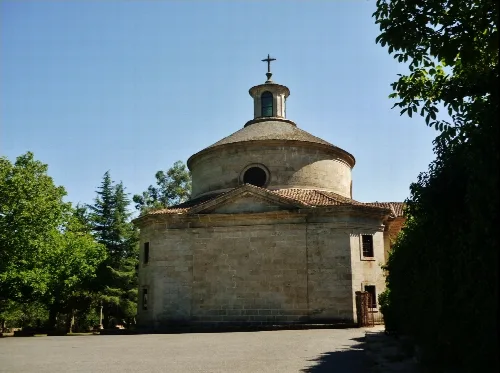
Santuario de San Pedro de Alcántara Monastery built in the 18th century.
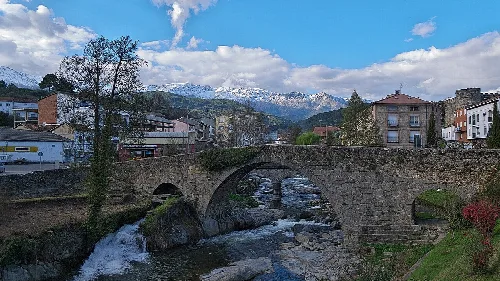
Puente de Aquelcabos Medieval bridge used for transhumance.
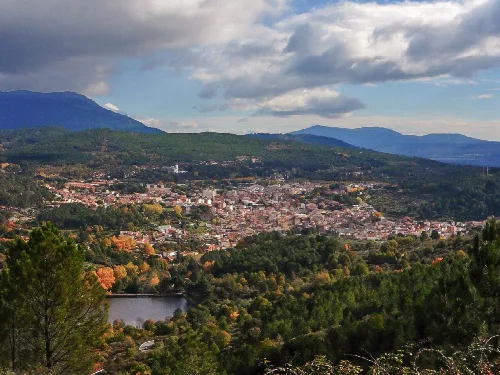
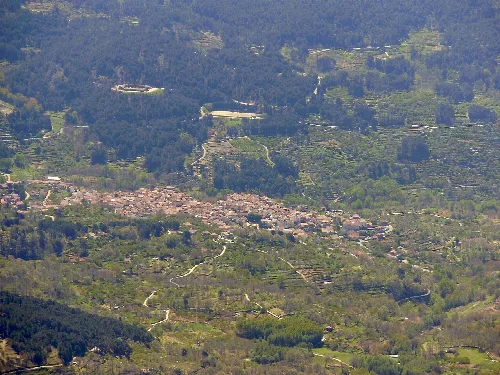
Exterior view of the Church of Ntra. Sra. de la Asunción in Arenas de San Pedro, with its tower and cars in the foregroundPanoramic view of Arenas de San Pedro from Lancharón, with mountains and forests in the background.
05Economy
The economy of Arenas de San Pedro is primarily driven by the tertiary sector, particularly tourism, which has seen significant growth in recent decades. The town serves as a commercial hub for the surrounding comarca, with various businesses catering to both locals and visitors.
Tourism Major economic driver, especially in summer.
Agriculture Olive cultivation and fruit trees.
Industry Limited, primarily construction.
Commercial establishments 206 businesses, including restaurants and bars.
Unemployment rate 17.0% of the active population in 2011.
06Natural Environment
The natural landscape surrounding Arenas de San Pedro is characterized by its rich biodiversity and scenic beauty, being part of the Sierra de Gredos Regional Park. The area is home to various rivers and natural swimming spots, making it a popular destination for outdoor activities.
Caves of Águila Located 9 km from the town, featuring stalagmites.
Natural pools Swimming areas along the Arenal River.
Pelayos Swimming area at the Pelayos River gorge.
Arbillas Swimming area along the Arbillas River.
Flora and fauna Includes species like Capra pyrenaica and various tree types.
07Festivals and Traditions
Arenas de San Pedro celebrates its patron festivals in honor of Virgen del Pilar and San Pedro de Alcántara, reflecting the town's cultural heritage and community spirit. These events attract both residents and visitors, highlighting local traditions.
Fiesta de la Virgen del Pilar Celebrated on September 8.
Fiesta de San Pedro de Alcántara Celebrated on October 19.
Cultural events Include various local traditions and activities.
Tourist influx Significantly increases during festival periods.
Community participation High involvement from local residents.
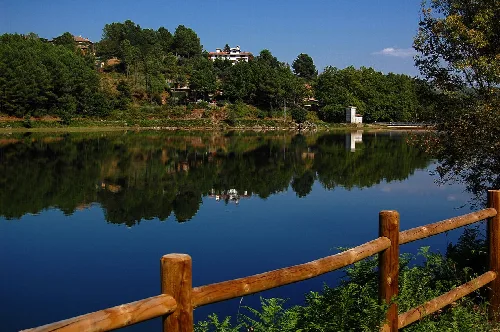
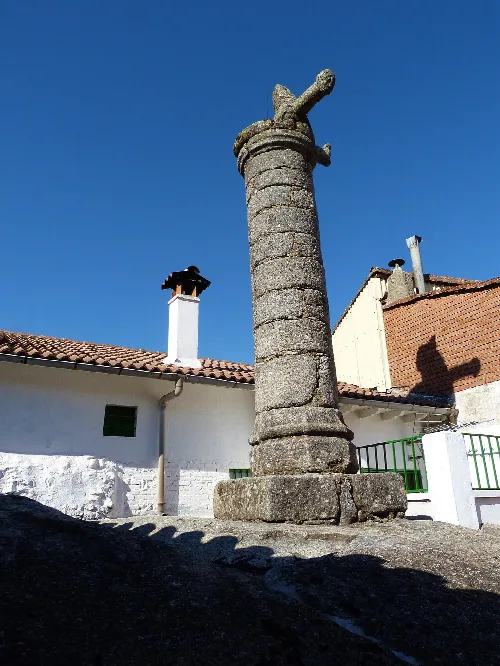
Portrait of Ventura Rodríguez with a dark background and a table with documents, in a classical style.View of the Arenas de San Pedro reservoir with trees and houses on the hills.San Pedro de Alcántara Sanctuary in Arenas de San Pedro, with its dome and cross at the top.Aquelcabo Bridge, a Roman bridge from the 14th or 15th century, over the Arenal River in Arenas de San Pedro.Judicial Pillar of Arenas de San Pedro, a stone column with a sculpture on top.
Frequently asked questions
What can you tell me about the Iglesia de Nuestra Señora de la Asunción?
The Iglesia de Nuestra Señora de la Asunción is a prominent church in Arenas de San Pedro. It features a mix of architectural styles, reflecting its long history. The church was built during the late medieval period and has undergone various renovations over the centuries. It's an important cultural landmark for the town, showcasing beautiful artwork and serving as a center for local religious activities.
What are the main natural attractions near Arenas de San Pedro?
Arenas de San Pedro is surrounded by stunning natural landscapes, including the Sierra de Gredos, which offers hiking and outdoor activities. Notable attractions include the Cuevas del Águila, known for their impressive stalagmites, and several natural swimming areas along the rivers Arenal and Arbillas. These sites provide opportunities for relaxation and enjoying the area's rich biodiversity.
What is the history behind the name Arenas de San Pedro?
The name Arenas de San Pedro has its origins in the Middle Ages. Initially called Arenas de las Ferrerías de Ávila, it referred to the sandy formations near watercourses. The addition of 'San Pedro' came in the 17th century, honoring the local saint, Fray Pedro de Alcántara, who lived in the area and was canonized later.
Are there any local festivals in Arenas de San Pedro?
Yes, Arenas de San Pedro celebrates several local festivals. The patron saint festivities are held in honor of the Virgen del Pilar on September 8 and San Pedro de Alcántara on October 19. These events feature traditional music, dance, and various cultural activities that reflect the town's heritage and community spirit.
Arenas de San Pedro experiences a Mediterranean continental climate, characterized by hot, dry summers and cold, wet winters. The average annual temperature ranges between 10 and 15 °C, with the coldest month averaging around 6 °C and the warmest reaching up to 28 °C. The area receives significant rainfall, particularly in winter, making it lush and green.
What is the significance of the Pantano de Arenas de San Pedro?
The Pantano de Arenas de San Pedro, constructed in 1975, serves as the main water supply for the town. It has a capacity of 10 hm³ and is located less than 1 km from the urban center. This reservoir plays a crucial role in managing the local water resources, especially during the dry summer months.
What historical landmarks can I visit in Arenas de San Pedro?
Arenas de San Pedro is home to several historical landmarks, including the Castillo de la Triste Condesa and the Roman bridge known as Puente de Aquelcabos. These sites reflect the town's rich history and architectural heritage, offering visitors a glimpse into its past and the influence of various cultures over the centuries.
What types of trees are common in Arenas de San Pedro?
The forests around Arenas de San Pedro are primarily composed of various tree species, including pines (Pinus pinaster, Pinus sylvestris), chestnuts (Castanea sativa), and oaks (Quercus pyrenaica). The region's diverse flora contributes to its natural beauty and ecological significance, making it a great spot for nature lovers.
How did Arenas de San Pedro develop during the Middle Ages?
During the Middle Ages, Arenas de San Pedro began as a settlement founded by earlier inhabitants. It gained the title of villa in 1393 under King Enrique III of Castile. The area became significant for its agricultural and mining activities, evolving into a center of local governance and culture throughout the medieval period.
As of 2025, Arenas de San Pedro has a population of approximately 6,460 residents. This makes it the most populated municipality in the surrounding area, contributing to its vibrant community life and local culture.
 espana.net