What is the significance of the Rollo Justicia in Pedro Bernardo?
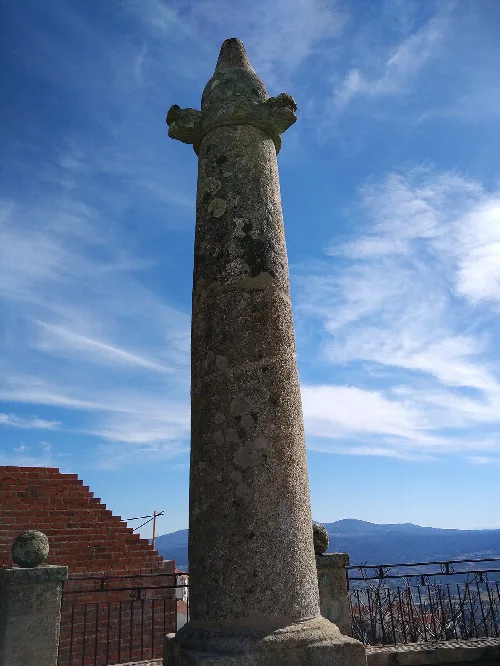
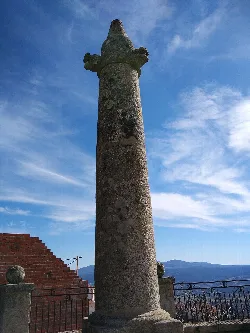
The Rollo Justicia is a historical monument located in Pedro Bernardo, symbolizing the town's status as a villa since it was granted this title in 1679. This monolithic structure, built in 1693, represents the judicial autonomy of the municipality and is an important part of its heritage, reflecting the historical governance of the area.
History
Rollo Justicia
What can I see from the viewpoints in Pedro Bernardo?
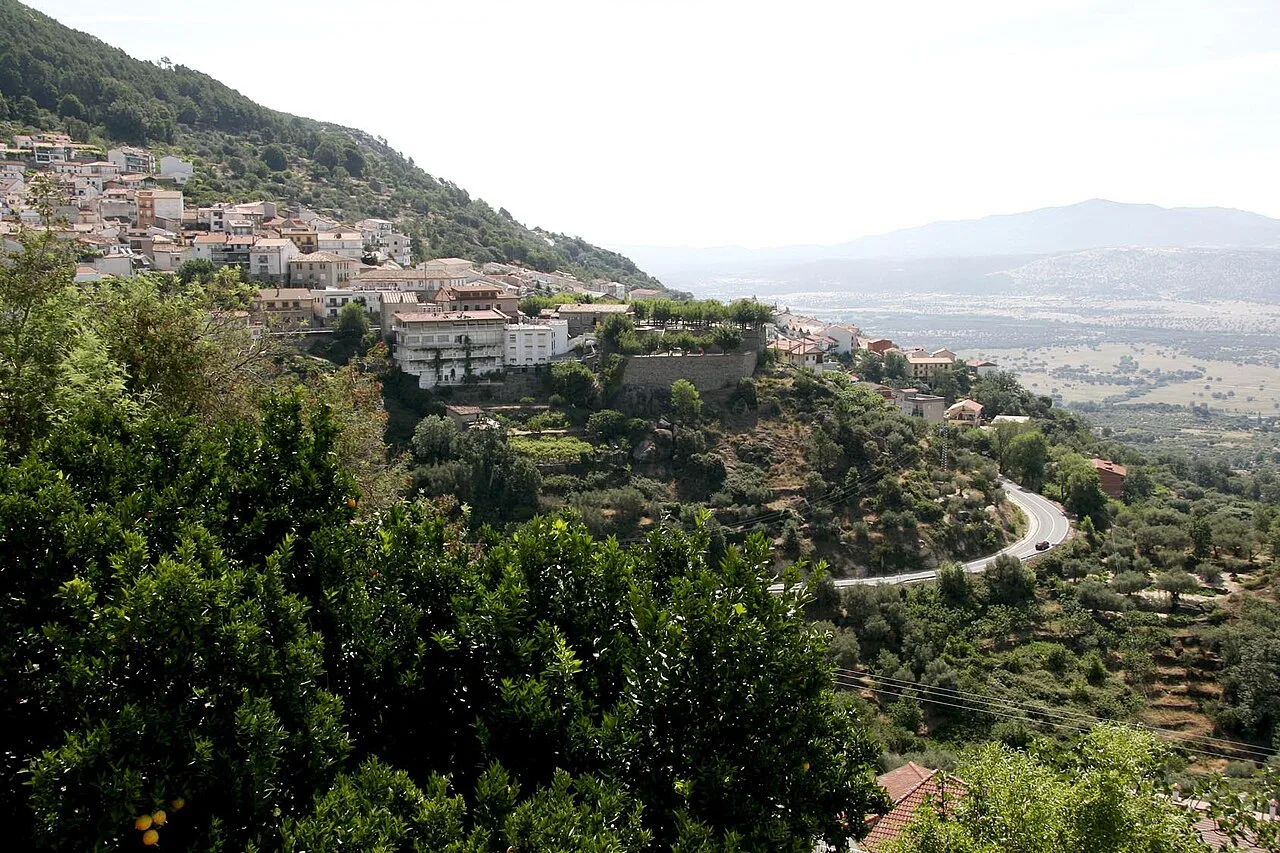
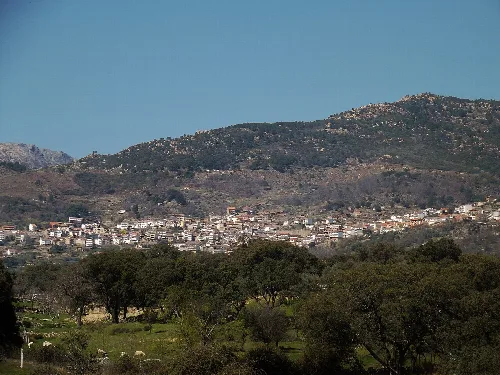
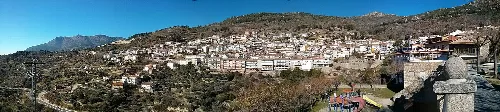
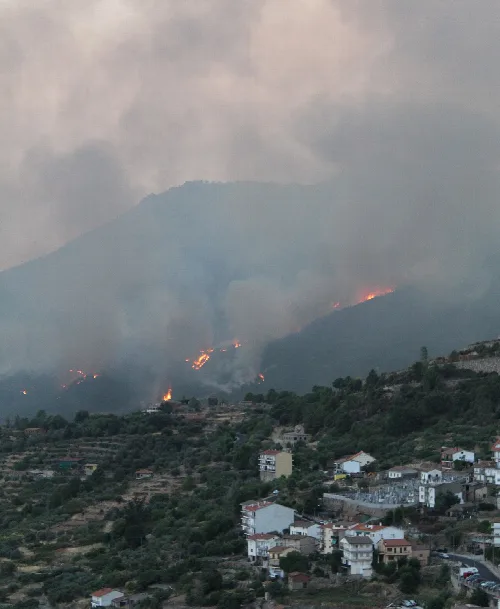
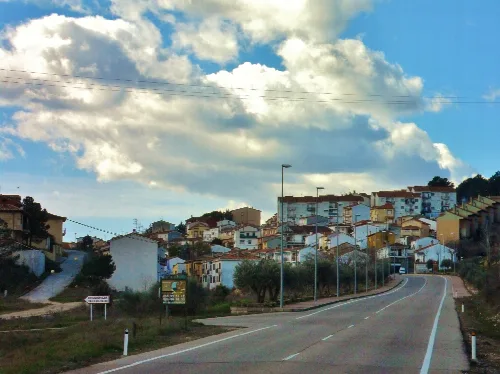
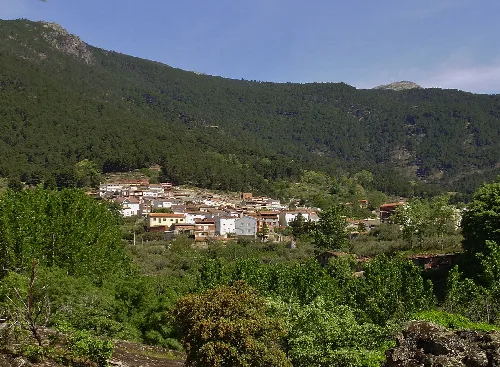
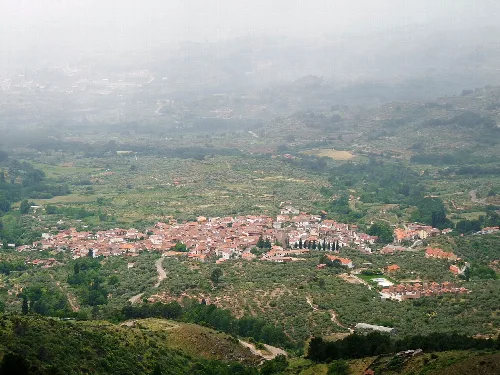
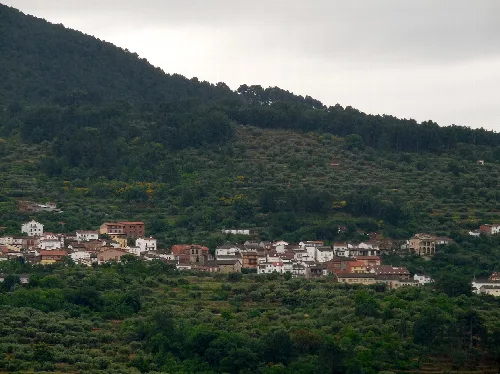
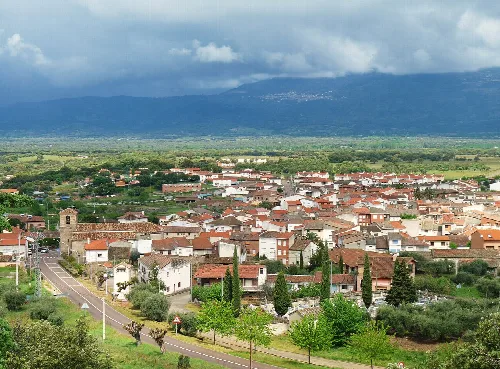
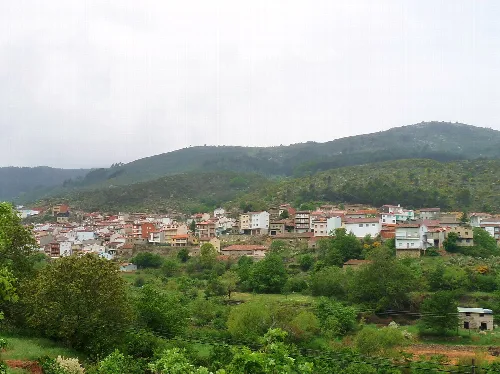
Pedro Bernardo is known as the Mirador or Balcón del Tiétar due to its stunning viewpoints. From these locations, visitors can enjoy breathtaking views of the Tiétar Valley, the Sierra de San Vicente, and even the Montes de Toledo. It's a perfect spot for nature lovers and photographers looking to capture the beauty of the landscape.
Nature
What are the main agricultural products of Pedro Bernardo?
Pedro Bernardo's agriculture thrives due to its fertile soil and microclimatic conditions. Key products include figs, especially the 'cuello de dama' variety, olives for high-quality olive oil, and various fruits like kiwi, oranges, and almonds. The region's diverse agriculture reflects its rich natural resources and traditional farming practices.
Food & drink
For residents
What is the history behind the name Pedro Bernardo?
The name Pedro Bernardo likely originated from a reconciliation between two leaders, Pedro Fernández and Bernardo Manso, during the 15th century. Historical references to the area date back to the 14th century, and it was officially recognized as a villa in 1679, marking its administrative independence from Mombeltrán.
History
For residents
What is the main church in Pedro Bernardo?
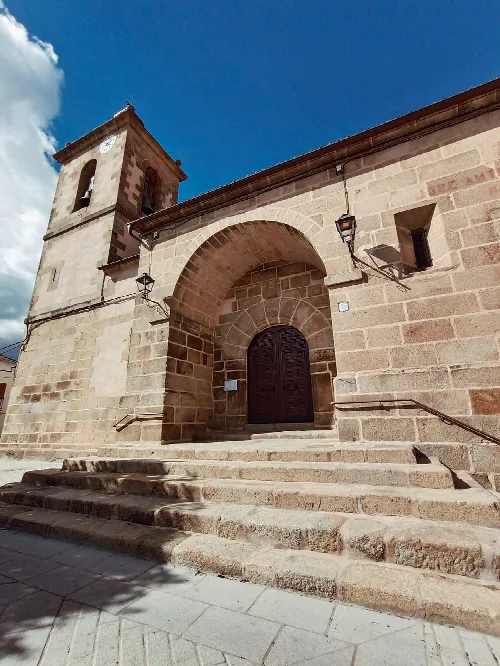
The main church in Pedro Bernardo is the Iglesia de San Pedro Advíncula, built in the 18th century over an earlier structure. It features a simple design and houses various religious images from the 17th and 18th centuries. The church is a significant landmark, reflecting the town's cultural and religious heritage.
Sights
Iglesia de San Pedro Advíncula
What are the main events celebrated in Pedro Bernardo?
Pedro Bernardo hosts several traditional events throughout the year, including the Hoguera de Quintos on January 1, the Vítor de San Sebastián on January 20, and the patronal fiestas for San Roque in August. These celebrations feature local customs, food, and community gatherings, showcasing the town's vibrant culture.
Festivals & events
What can you tell me about the Museo Etnográfico in Pedro Bernardo?
The Museo Etnográfico de Pedro Bernardo, opened in 2003, showcases the traditional lifestyle and crafts of the region. It features exhibits on local agriculture, craftsmanship, and domestic life. Although not currently open to the public, it holds significant historical artifacts that reflect the town's cultural heritage.
Sights
Museo Etnográfico
How did Pedro Bernardo develop economically in the 18th century?
The 18th century marked a period of economic growth for Pedro Bernardo, driven by an increase in population and migration. The establishment of various industries, including oil and flour mills, contributed to this development. The town became known for its craftsmanship, particularly in spoon-making, which was a vital part of its economy.
Living there
For residents
What is the significance of the Parque del Rollo in Pedro Bernardo?
The Parque del Rollo is a notable park in Pedro Bernardo, featuring a balcony that offers panoramic views of the surrounding landscape. It includes a bust of Arturo Duperier, a local physicist, and the Rollo Justicia, emphasizing the town's historical significance and providing a recreational space for residents and visitors alike.
Sights
Parque del Rollo
What types of crafts are traditionally made in Pedro Bernardo?
Pedro Bernardo has a rich tradition of craftsmanship, particularly in the production of wooden spoons and other wooden items, earning its residents the nickname 'cuchareros.' Although many traditional crafts have declined, some artisans still create leather products and wooden sculptures, keeping the local craftsmanship alive.
Food & drink
For residents
 espana.net