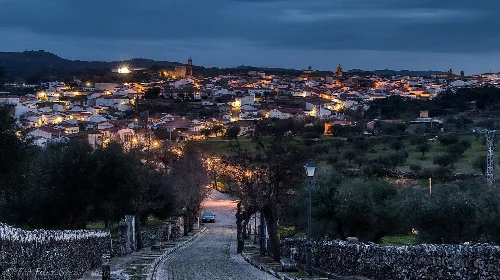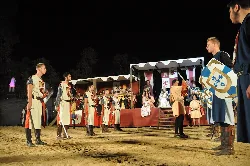
What is the Festival Medieval «Villa de Alburquerque» all about?
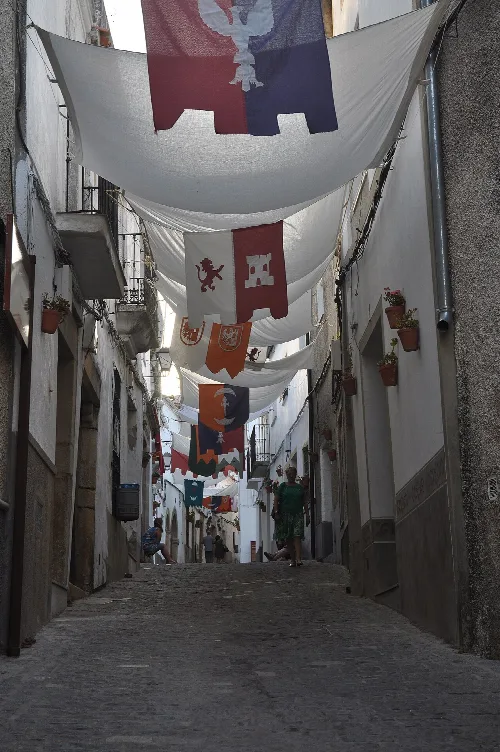
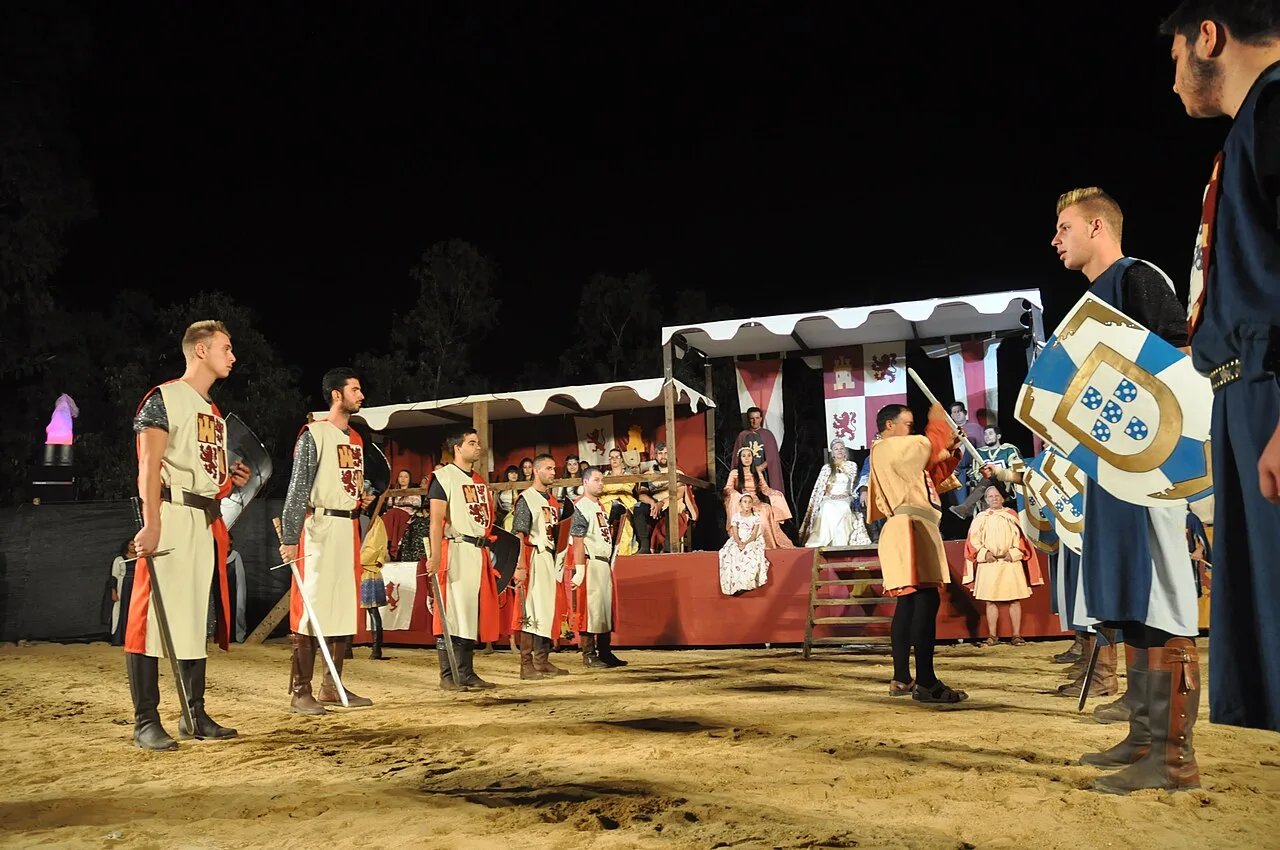
The Festival Medieval «Villa de Alburquerque» is the most important celebration in the town, held in the second half of August. It features theater performances, parades, tournaments, and other medieval-themed activities, allowing visitors to immerse themselves in the historical atmosphere. The town is beautifully decorated, attracting thousands of visitors who enjoy its heritage, gastronomy, and culture.
Festivals & events
What can you tell me about the Castillo de Luna?
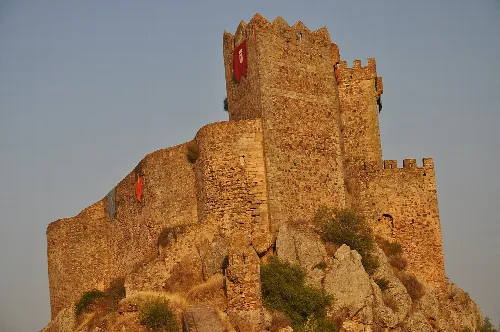
The Castillo de Luna is a prominent medieval fortress located on a hill overlooking Alburquerque. Constructed in the late Middle Ages, it was built by Álvaro de Luna, a notable figure in Spanish history. The castle is a significant landmark, recognized for its historical importance and architectural features, and was declared a national monument in 1924.
Sights
Castillo de Luna
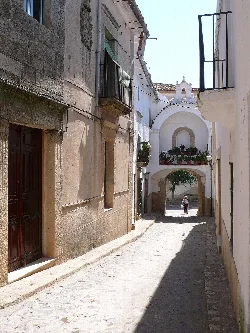
What is the significance of the Puerta de la Villa?
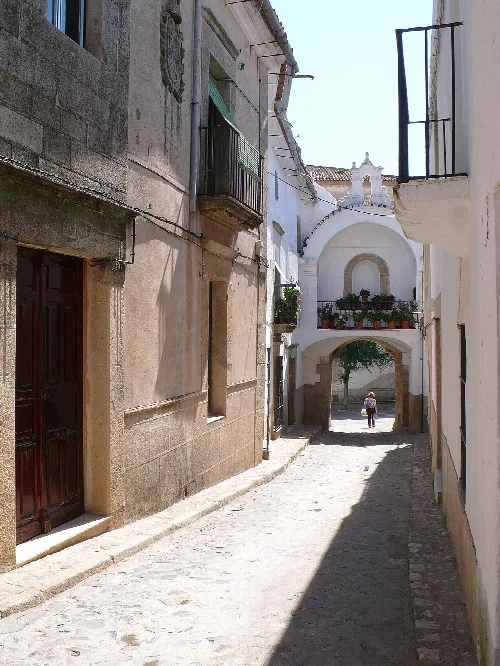
The Puerta de la Villa is the main access point to the walled town of Alburquerque. It features a square tower and an arch adorned with the coat of arms of Alonso Sánchez. This historic gate is located near the Church of San Mateo and serves as a prominent feature of the town's medieval architecture.
Sights
Puerta de la Villa
What are the main products of Alburquerque's gastronomy?
Alburquerque is renowned for its high-quality traditional charcuterie, particularly products made from Iberian pork. Notable dishes include jamón, lomo al ajillo, and various local pastries like perrunillas and empanadas. The town also features seasonal offerings such as wild asparagus and game meat, making its cuisine diverse and appealing.
Food & drink
How is the population of Alburquerque?
Alburquerque has a population of approximately 4,928 residents, according to the 2025 census. This small town is characterized by its rich history and community spirit, with a blend of modern living and historical heritage that attracts both locals and visitors.
Living there
For residents
What historical events shaped Alburquerque?
Alburquerque's history is marked by its strategic location, leading to conflicts with Portugal and a series of conquests during the Middle Ages. The town was captured and recaptured multiple times, particularly during the Christian Reconquista. This tumultuous past has left a rich architectural and cultural legacy that is still evident today.
History
For residents
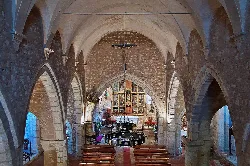
What is the Iglesia de Santa María del Mercado like?
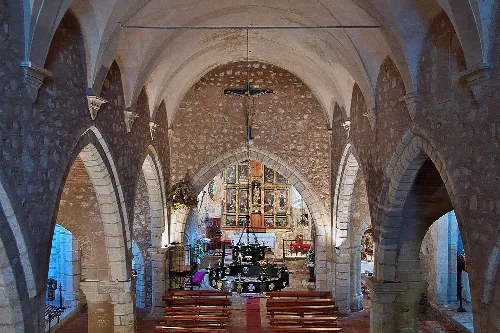
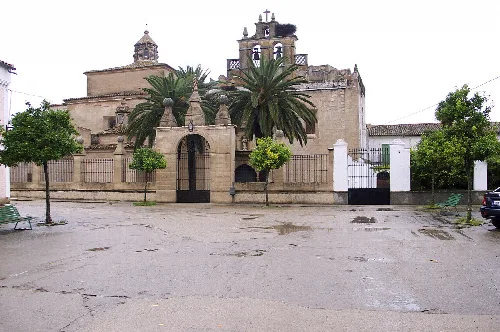
The Iglesia de Santa María del Mercado is located within the town's walls, built between the 13th and 15th centuries, with Baroque additions from the 18th century. It houses the Christ of Amparo, a significant artistic piece. The church is a key part of Alburquerque's historical and cultural identity.
Sights
Iglesia de Santa María del Mercado
What outdoor activities can I enjoy in Alburquerque?
Alburquerque offers various outdoor activities, including hiking along its numerous trails and enjoying the natural beauty of the Sierra de San Pedro. The area is ideal for sports such as cycling and horseback riding, with well-maintained paths that cater to both locals and visitors looking to explore the landscape.
Nature
What is the significance of the Semana Santa celebrations in Alburquerque?
The Semana Santa celebrations in Alburquerque feature a living passion play, where locals reenact the life and passion of Jesus Christ. This event highlights the town's commitment to preserving its cultural traditions, with processions that take place through the medieval streets, particularly notable on Holy Tuesday.
Festivals & events
What is the history behind the name Alburquerque?
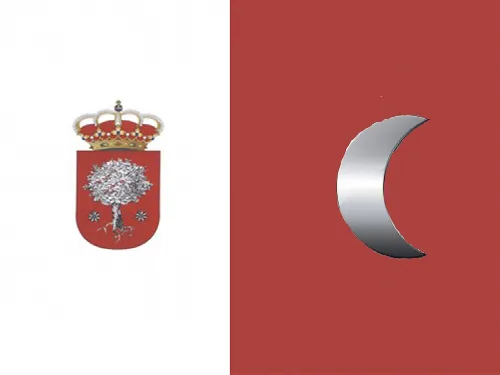
The name Alburquerque comes from the Latin 'albus quercus', meaning 'white oak' or 'country of cork oaks', reflecting the area's abundant cork trees. This name is also shared with cities in America and the Philippines, establishing a unique connection between them and the town in Extremadura, Spain.
History
For residents
 espana.net