What can you tell me about the Calella Lighthouse?
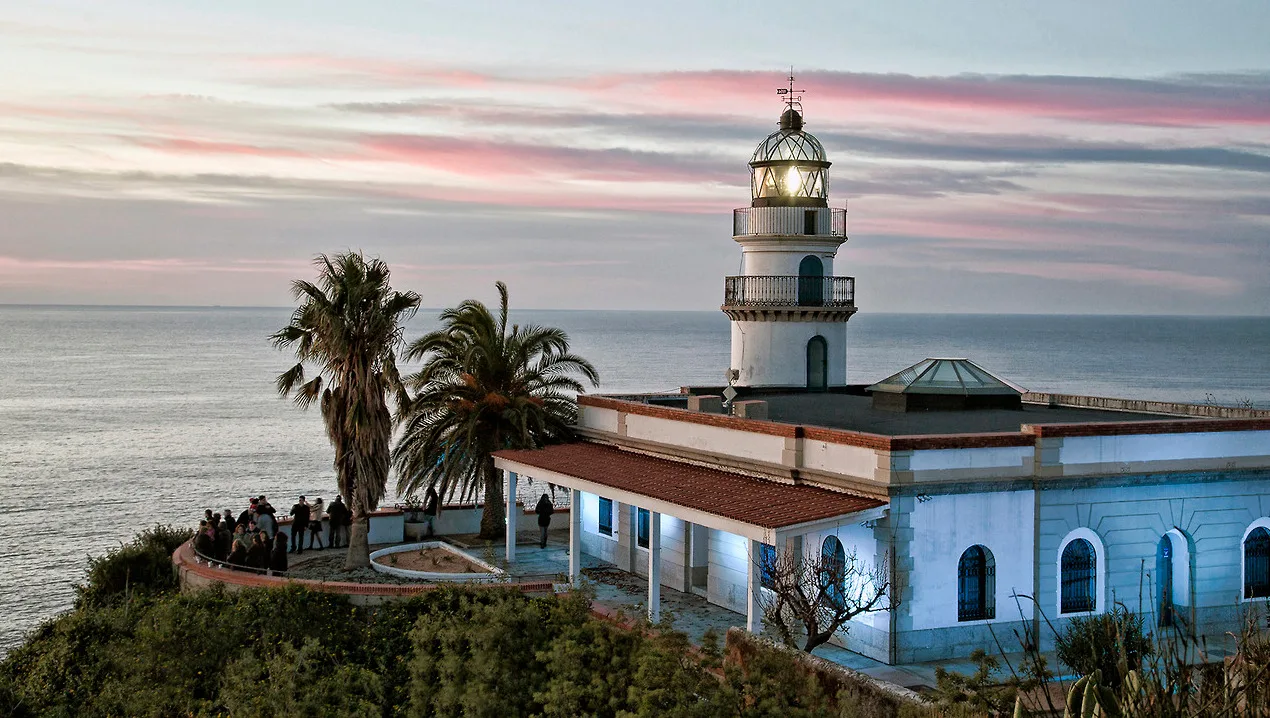
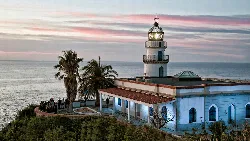
The Calella Lighthouse, inaugurated in 1859, is a prominent symbol of the city. It was built on the site of an old medieval tower and originally featured an olive oil light lantern. Over the years, the lighthouse has undergone several modifications. Since 2011, it houses the Calella Lighthouse Interpretation Center, which explains its communication history and significance to the surrounding area.
Sights
Calella Lighthouse
What are some historical sites to visit in Calella?
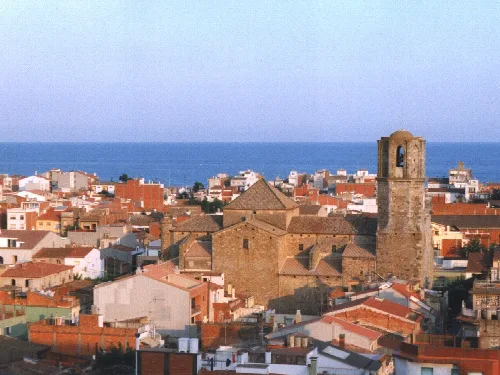
Calella has several historical sites, including the ruins of a Roman villa located near the Sant Jaume Hospital. Additionally, the Parish Church of Santa Maria and Sant Nicolau, consecrated in 1564, showcases Baroque architecture. The town also features Can Galceran and Can Salvador de la Plaça, both of which reflect the architectural heritage of the 14th to 16th centuries.
History
What is the beach like in Calella?
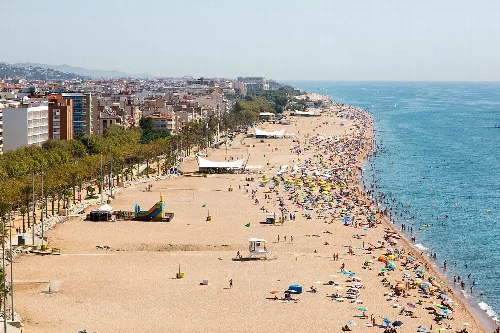
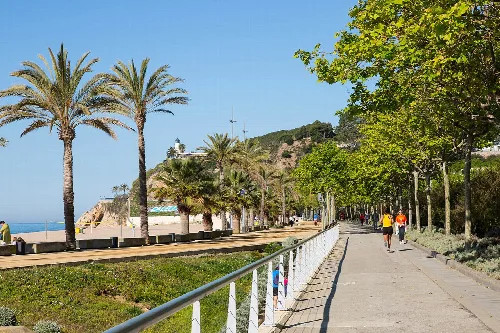
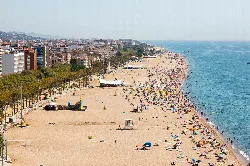
Calella boasts a beautiful beach that spans approximately 3 km along the Mediterranean coast. It is a popular destination for both locals and tourists, offering a lively atmosphere with sunbathing, swimming, and various water sports. The beach is lined with amenities, making it an ideal spot for relaxation and family activities during the summer months.
Nature
Platja de Calella
Are there any parks in Calella?
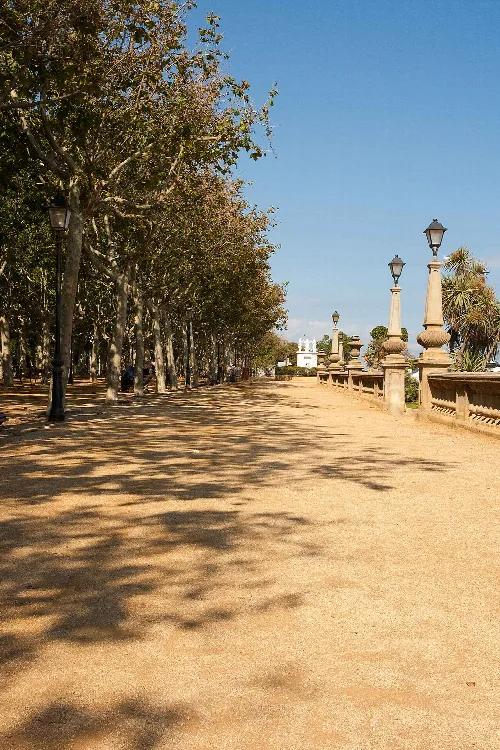
Yes, Parc Dalmau is a notable green area in Calella, designed in the late 1920s. It features botanical paths, La Font dels Lleons, and hosts various cultural events, including L’Aplec de la Sardana. The park also contains an air raid shelter built in 1937, which is now a cultural site reflecting the town's history during the Civil War.
Nature
Parc Dalmau
What festivals does Calella celebrate?
Calella hosts several vibrant festivals throughout the year, including L’Aplec de la Sardana, a traditional Catalan dance held every first Sunday in June. The Festa Major Petita on June 16 honors local patrons, while the Festa Major de la Minerva on September 23 celebrates the town's heritage. Other events include a Beer Festival in October and various cultural fairs.
Festivals & events
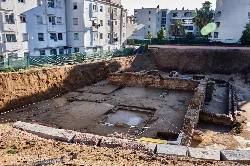
What is the significance of the ruins of Roman buildings in Calella?
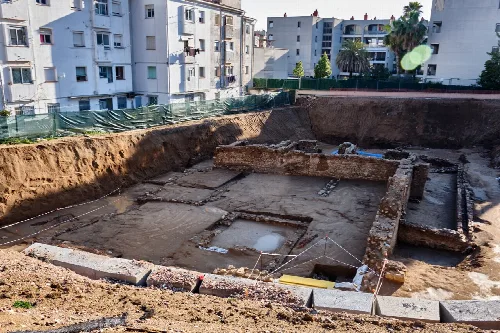
The ruins of Roman buildings in Calella, located near the Hospital Sant Jaume, date back to the Romanization period from the 1st century BC. These remains provide insight into the agricultural lifestyle of the time, showcasing the historical importance of Calella as a coastal settlement connected by Roman roads to Barcelona.
History
Ruïnes d'edificis romans de Calella
What are the main shopping areas in Calella?
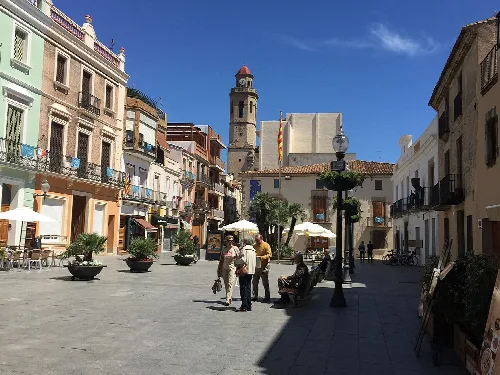
Calella features a central pedestrian and commercial area that serves as a vibrant shopping hub. It includes a diverse mix of over 1000 shops, ranging from modern boutiques to traditional establishments. The municipal market, open from Tuesday to Saturday, also offers a variety of local products, enhancing the shopping experience.
Living there
For residents
How does tourism impact Calella's economy?
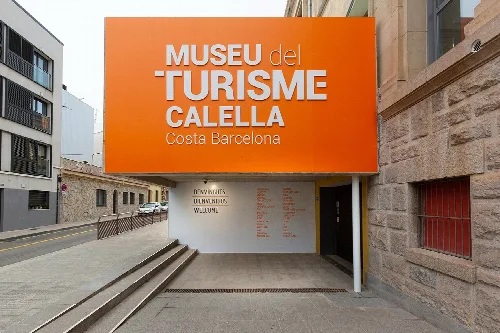
Tourism is a vital part of Calella's economy, significantly contributing to its growth and development. The town attracts around 250,000 tourists annually, particularly during the summer months. This influx supports local businesses, including shops, restaurants, and accommodations, and has led to a shift towards family and sports tourism in recent years.
Food & drink
For residents
What is the history of the Parish Church of Santa Maria and Sant Nicolau?
The Parish Church of Santa Maria and Sant Nicolau was granted independence as a parish in 1525. Construction began in 1539 and was completed in 1564. The church features a Baroque façade and a stone altarpiece from the 16th century, highlighting its architectural significance and role in the community's religious life.
History
Parish Church of Santa Maria and Sant Nicolau For residents
What is the story behind 'La Llopa' in Calella?
The story of 'La Llopa' (the she-wolf) in Calella dates back to around 1920 when a local resident claimed to have seen a wolf. This led to a search, resulting in the killing of a wolf dog. The tale has since become a humorous local legend, with residents of nearby towns mockingly referring to Calella as 'Calella, la Llopa.'
History
For residents
 espana.net