What is the Rambla de Modolell like?
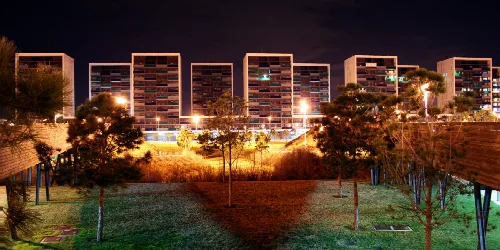
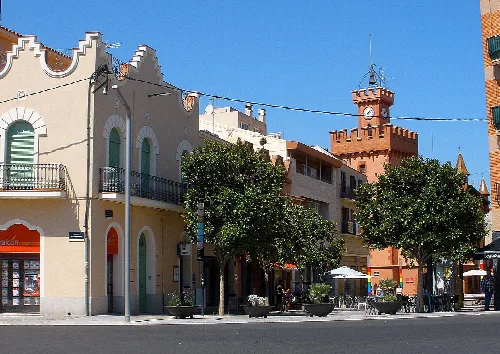
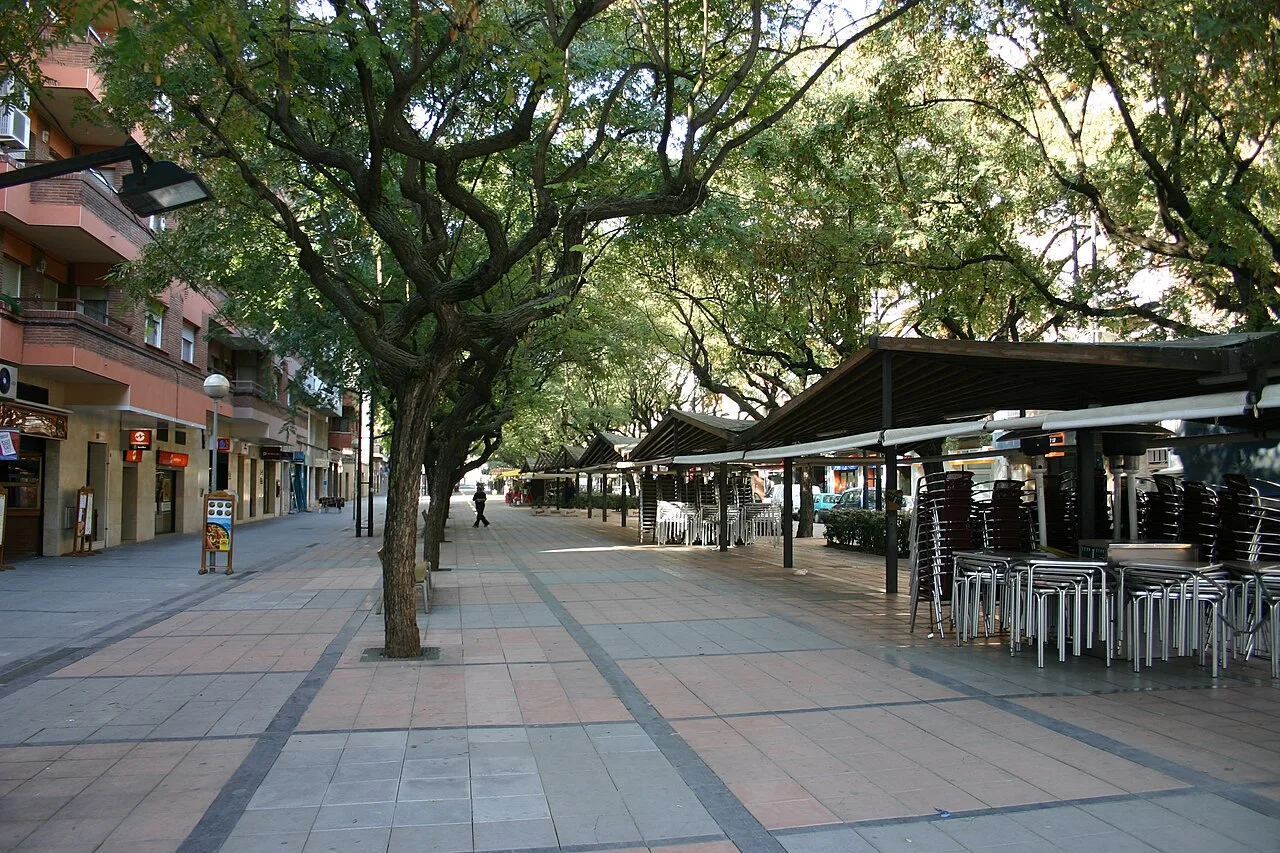
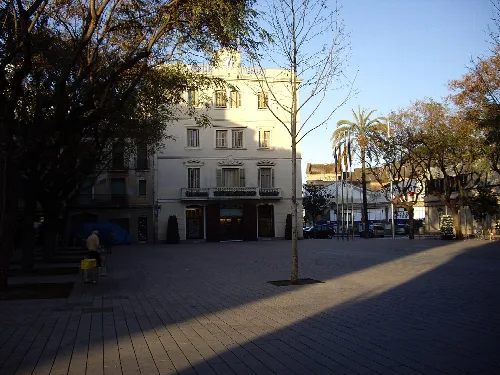
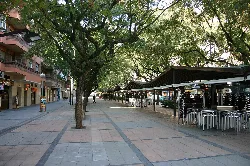
Rambla de Modolell is a vibrant area in Viladecans, known for its tree-lined streets and outdoor seating. It's a popular spot for locals to enjoy a leisurely stroll or relax at cafés and restaurants. The ambiance is lively, making it an ideal place for socializing and enjoying the local atmosphere.
Sights
Rambla de Modolell
What historical significance does the Torre Roja have?
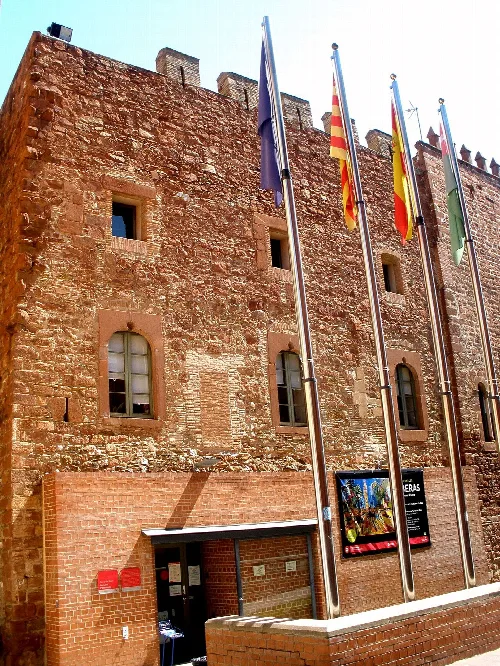
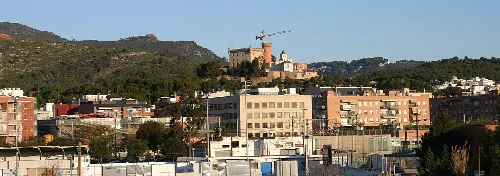
The Torre Roja is a medieval fortified mansion dating back to the 13th century. It reflects the feudal history of Viladecans and has undergone various renovations over the years. This landmark offers insights into the region's architectural evolution and its historical significance during the medieval period.
History
Torre Roja
What are the main industries in Viladecans today?
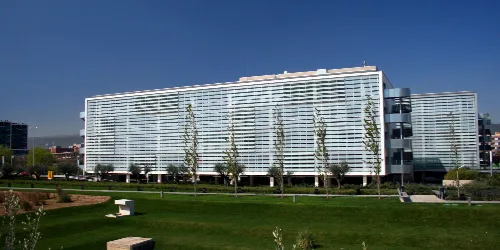
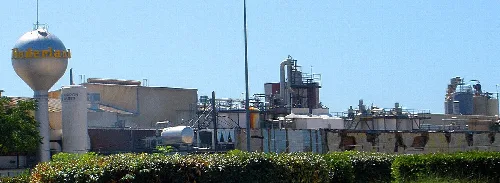
Viladecans has transitioned from an agricultural village to a city with a strong industrial base. Key industries include metallurgy, food production, and chemical manufacturing. The establishment of the Viladecans Business Park has further boosted local economic development, attracting various businesses to the area.
Living there
For residents
Is there a shopping center in Viladecans?
Yes, Viladecans features the Vilamarina shopping center, which opened on April 23, 2009. This two-story center hosts well-known brands and various restaurants, making it a popular destination for shopping and dining among residents and visitors alike.
Practical
Vilamarina
What can you tell me about the history of the church of Santa María de Sales?
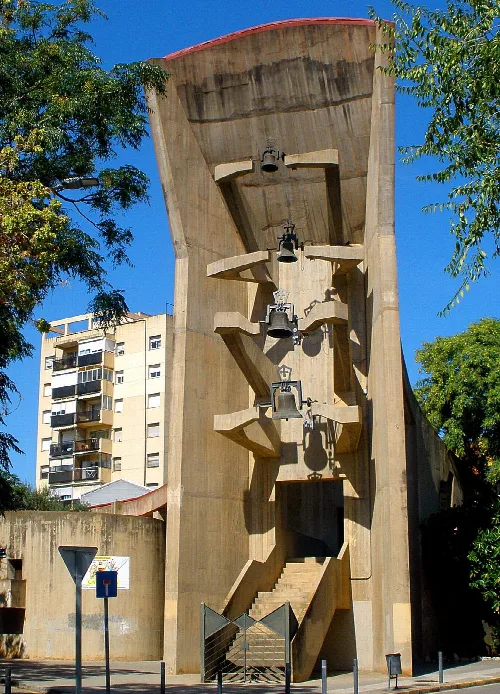
The church of Santa María de Sales has undergone significant changes over time, especially after the Spanish Civil War. Originally built in a different era, it reflects the architectural styles and historical events that have shaped Viladecans. Today, it stands as a testament to the town's resilience and cultural heritage.
History
church of Santa María de Sales
What outdoor activities are available in Viladecans?
Viladecans offers various outdoor activities, particularly in its parks and green spaces. Residents and visitors can enjoy walking, jogging, or cycling along designated paths. The proximity to the Llobregat Delta also provides opportunities for birdwatching and exploring natural habitats.
Nature
For residents
What is the significance of the Casa de la Vila?
The Casa de la Vila, which houses the town hall, is a notable example of modernist architecture in Viladecans. Built in 1882, it features neogothic elements and serves as a central point for local governance and community events, reflecting the town's historical and cultural identity.
History
Casa de la Vila For residents
Are there any notable sports teams in Viladecans?
Yes, Viladecans has several sports teams, particularly in athletics, baseball, basketball, and rugby. The Club Béisbol Viladecans is historically significant in baseball, while the Club Atletismo Viladecans represents the town in athletics. These teams contribute to the local sports culture and community engagement.
Festivals & events
For residents
How has Viladecans changed over the years?
Viladecans has experienced significant demographic and economic growth, especially in the 20th century. Transitioning from a primarily agricultural community to an industrial city, it has attracted many immigrants and developed modern infrastructure, including the Viladecans Business Park and improved transportation links.
History
For residents
What transportation options are available in Viladecans?
Viladecans offers various transportation options, including a Renfe train station that connects to Barcelona and surrounding areas. The city also has a network of urban and interurban buses. Recent improvements have made these transport services more accessible, although challenges remain in connectivity, especially to the airport.
Getting there
 espana.net