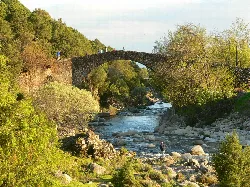
What can you tell me about the Puente de Alardos?
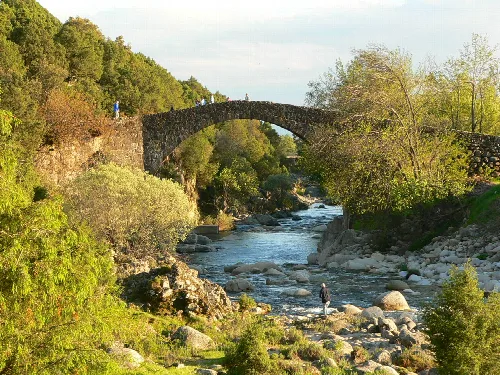
The Puente de Alardos is a Romanesque bridge located at Alardos gorge, connecting Madrigal de la Vera and Candeleda. Although it is often referred to as a Roman bridge, it actually dates back to the 18th century. It serves as a picturesque landmark in the area, surrounded by natural beauty and a popular spot for visitors.
Sights
Puente de Alardos
What is the history of Madrigal de la Vera?
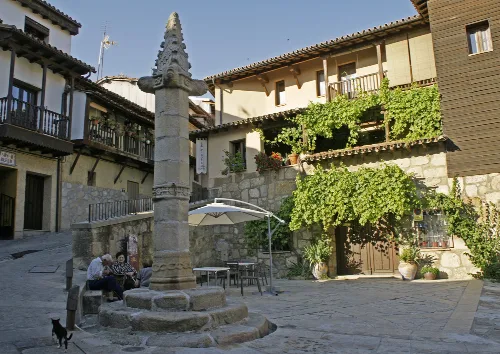
Madrigal de la Vera has a rich history, originally known as Madrigalejo. It was part of Plasencia until gaining independence in the 19th century. The town's strategic location and abundant water sources contributed to its growth, especially noted during the 1960s when the population peaked at around 3,000 residents.
History
For residents
What are the main agricultural products in Madrigal de la Vera?
Agriculture is a key part of the economy in Madrigal de la Vera, with a significant portion of the population engaged in farming. The region is known for its production of pimentón (paprika), as well as crops like tobacco and peppers. Goat farming is also prominent, with local cheese being a popular specialty.
Food & drink
For residents
What are some popular festivals in Madrigal de la Vera?
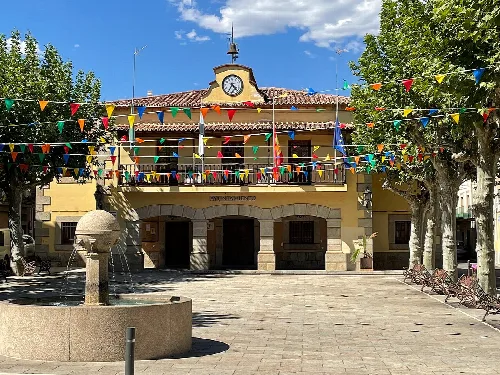
Madrigal de la Vera hosts several vibrant festivals, including Semana Santa, which features traditional processions, and the summer festivities in September. Another notable event is Las Luminarias on December 7, where locals gather to light bonfires, celebrating with food and drinks in a communal atmosphere.
Festivals & events
What is the climate like in Madrigal de la Vera?
Madrigal de la Vera enjoys a climate that is more oceanic than Mediterranean, characterized by lush greenery and abundant water. Average temperatures range between 15 to 16 °C, and the area receives significant rainfall, making it a picturesque location year-round, often referred to as 'Galicia chica.'
Nature
What are the main transportation options in Madrigal de la Vera?
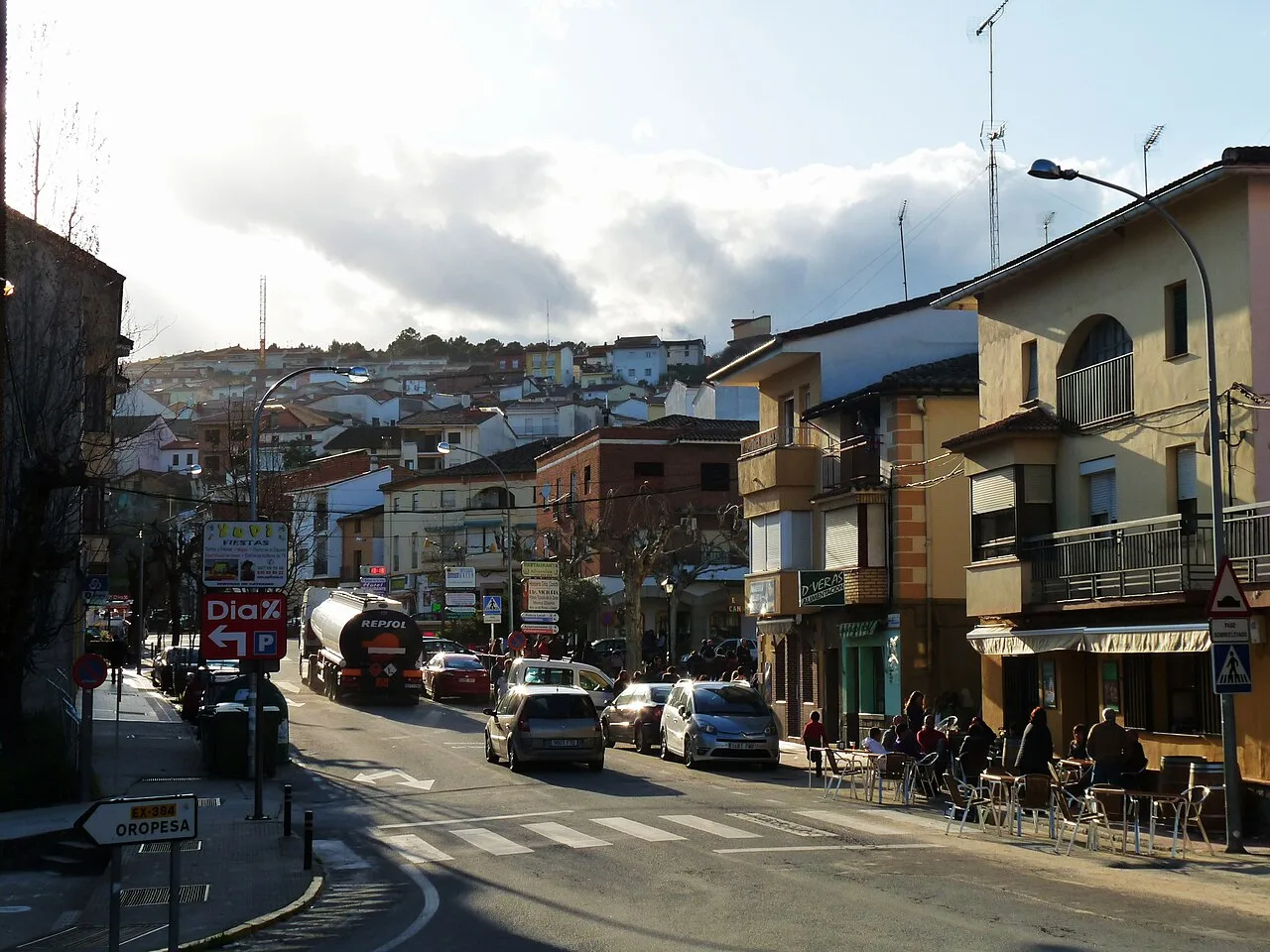
Transportation in Madrigal de la Vera is primarily facilitated by the EX-203 road, which connects to Plasencia and other municipalities in the region. The EX-384 road also provides access to the Autovía del Suroeste, enhancing connectivity for residents and visitors alike.
Getting there
For residents
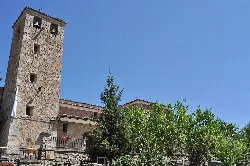
What is the significance of the Iglesia de San Pedro Apóstol?
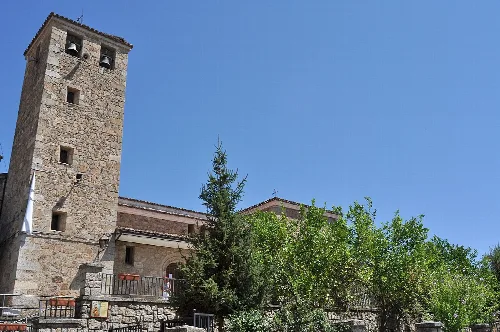
The Iglesia de San Pedro Apóstol is the main Catholic church in Madrigal de la Vera, located in the archdiocese of Mérida-Badajoz. This church is an important cultural and religious landmark, reflecting the town's historical roots and serving as a community gathering place for worship and events.
Sights
Iglesia de San Pedro Apóstol
What does the landscape around Madrigal de la Vera look like?
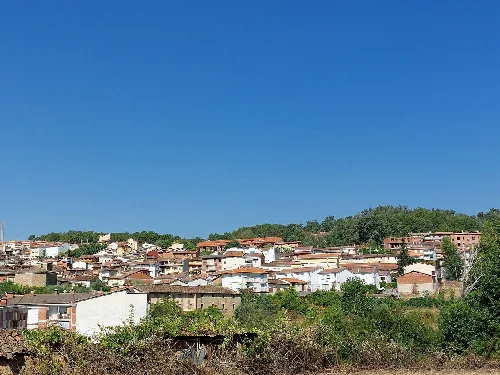
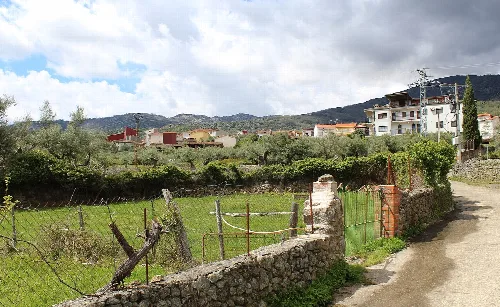
The landscape surrounding Madrigal de la Vera is characterized by steep hills covered in low scrub and lush pastures. The area features dense forests, well-tended gardens, and the picturesque views of the Sierra de Gredos, making it an ideal spot for nature lovers and outdoor activities.
Nature
Are there any local specialties to try in Madrigal de la Vera?
When visiting Madrigal de la Vera, be sure to try local specialties such as migas, a traditional dish made from breadcrumbs, and cabrito, a goat dish. The region is also known for its high-quality pimientos and products from local matanzas, or traditional pig slaughtering events.
Food & drink
What is the population trend in Madrigal de la Vera?
Madrigal de la Vera has experienced a gradual decline in population since its peak of around 3,000 residents in the 1960s. As of 2025, the population stands at approximately 1,536, reflecting broader demographic trends in rural areas of Spain.
Living there
For residents
 espana.net