What is the Pozo Tremeo?
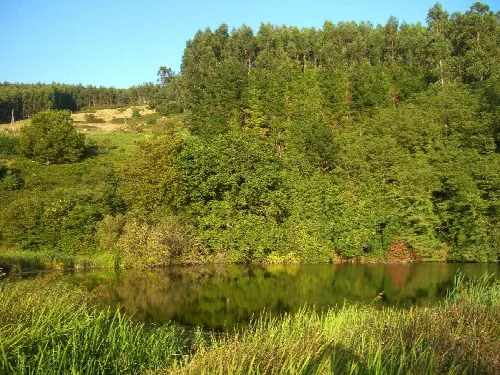
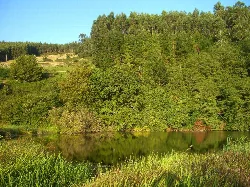
Pozo Tremeo is a natural lake located in Rumoroso, Polanco, with a depth of 11 meters. It is notable for its unique geomorphological features and rich biodiversity. Historically, locals used it as a weather predictor, and its mysterious depth has sparked various legends. The lake was rehabilitated in 2002 through a project led by naturalist Jesús García Díaz, enhancing its ecological significance.
Nature
Pozo Tremeo
What can you tell me about the history of Polanco?
Polanco has a rich history dating back to prehistoric times, with archaeological findings from the Saja River area. The area was significant during Roman times, featuring the Agrippa road. The first mention of Polanco appears in 1026, and it later became part of the marquisate of Santillana. The port of Requejada gained importance in the 17th and 18th centuries for trade.
History
What are the main local festivals in Polanco?
Polanco hosts several local festivals, including San José on March 19 in Requejada, San Bernabé on June 11 in Rinconeda, and San Pedro Apóstol on June 29 in Rumoroso. Additionally, the San Pedro Advíncula festival takes place from July 31 to August 1 in Polanco, showcasing the community's vibrant traditions and celebrations throughout the year.
Festivals & events
How is Polanco connected to the writer José María de Pereda?
José María de Pereda, a notable Cantabrian writer, was born in Polanco in 1833. His works, particularly "El sabor de la tierruca," reflect the local culture and landscapes. Pereda's childhood home in La Cochera is preserved, and he is celebrated as a significant figure in the town's literary heritage, being named Hijo Predilecto in 2001.
History
For residents
What is the significance of the port of Requejada?
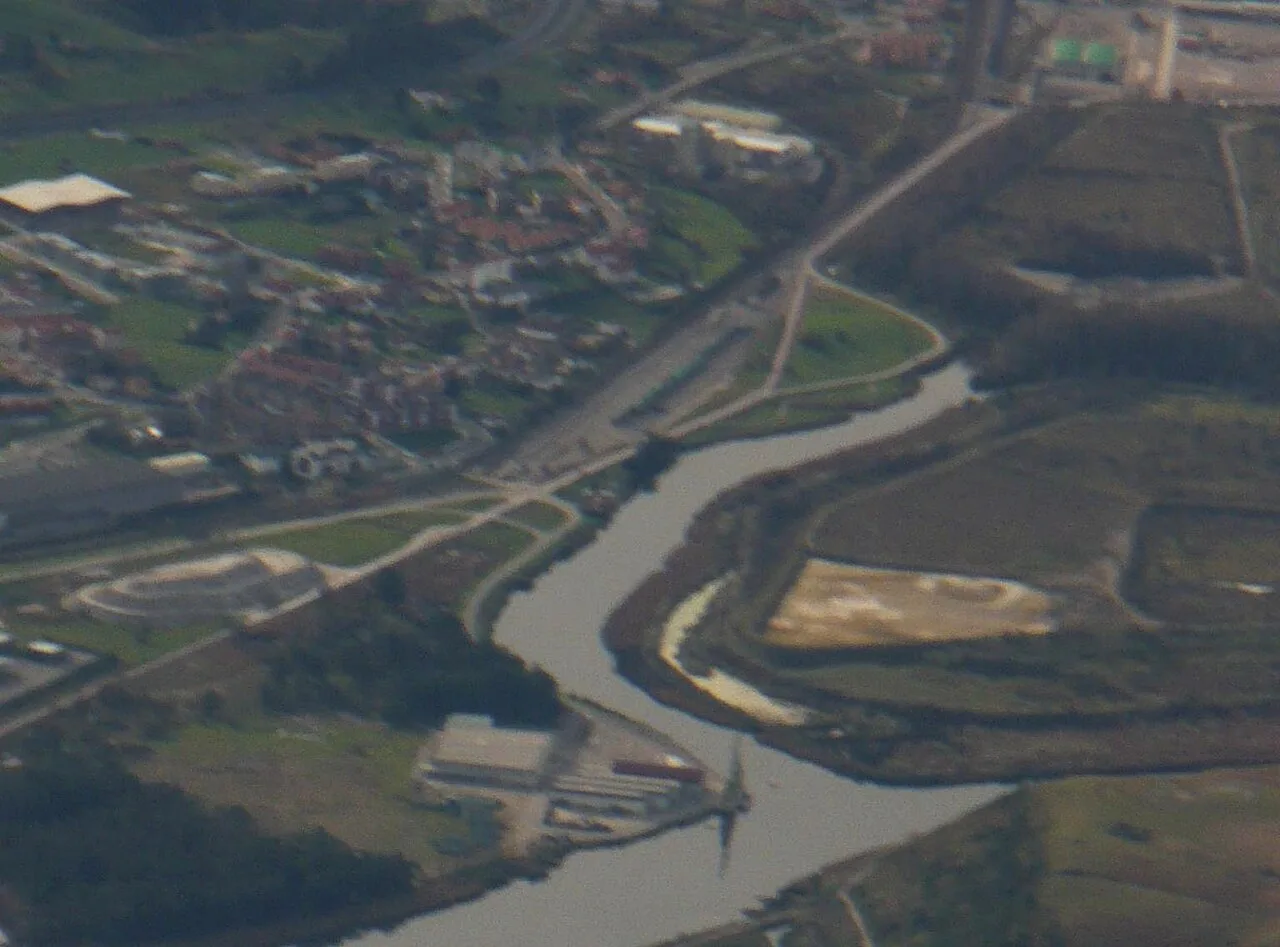
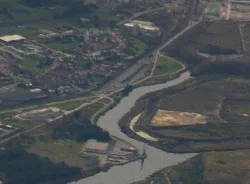
The port of Requejada is vital for the industries in nearby Torrelavega, particularly for companies like Sniace and Solvay. Historically, it facilitated the export of wheat from Castilla and the import of iron during the 17th and 18th centuries. Today, it continues to play an essential role in the local economy and transportation.
Practical
Requejada For residents
What kind of climate does Polanco have?
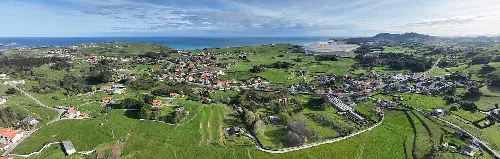
Polanco experiences an Atlantic climate characterized by mild temperatures and moderate rainfall throughout the year. This climate supports its lush prairies and diverse flora and fauna, making it a pleasant environment for both residents and visitors. The proximity to the coast also influences the weather patterns in the area.
Nature
For residents
Are there any notable landmarks in Polanco?
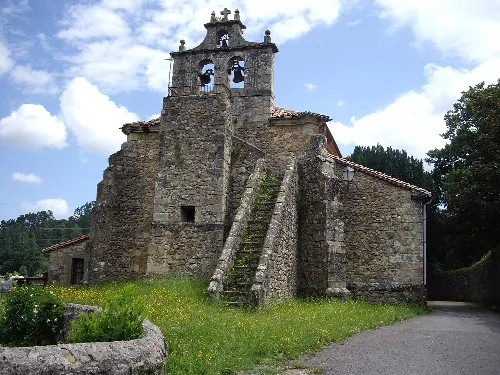
Polanco features several notable landmarks, including the church of San Pedro Ad Víncula, which was rebuilt in the 1940s after being destroyed during the Spanish Civil War. Additionally, the preserved homes of José María de Pereda showcase the town's literary history. The Casona de Díaz Cacho in Mar is another significant building reflecting the region's architectural heritage.
Sights
What are the main economic activities in Polanco?
Polanco's economy is primarily driven by the tertiary sector, with 51.9% of the population engaged in services. While traditional agriculture continues, only 3.4% of residents work in the primary sector. The industrial sector also plays a significant role, employing 27.7% of the population, largely due to companies like Solvay operating in the area.
Living there
For residents
How can I get to Polanco?
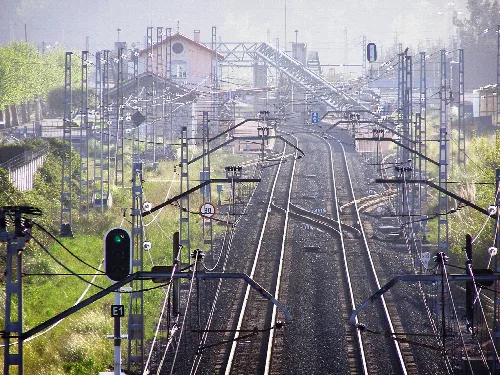
Polanco is well-connected by transportation, featuring the Autovía A-67 that runs through the municipality. It also has two FEVE train stations located in Requejada and Mar, providing easy access to the surrounding areas. The port in Requejada further enhances its connectivity, making it accessible for both residents and visitors.
Getting there
What is the local cuisine like in Polanco?
Polanco's cuisine reflects traditional Cantabrian flavors, often featuring local ingredients such as seafood, meats, and dairy products. Dishes may include fresh fish, stews, and regional cheeses. The area's agricultural background also influences its culinary offerings, making it a delightful experience for food enthusiasts visiting the region.
Food & drink
 espana.net