This file is a work by Takashi kurita.Please, credit this: Álvaro C.E.
I would appreciate being notified (acantos30hotmail.com) if you use my work outside Wikimedia
More of my work can be found in my personal gallery, CC BY-SA 3.0
Daimiel
Castilla–La Mancha
17,722Population
438 km²Area
627 mElevation
13250Postal code
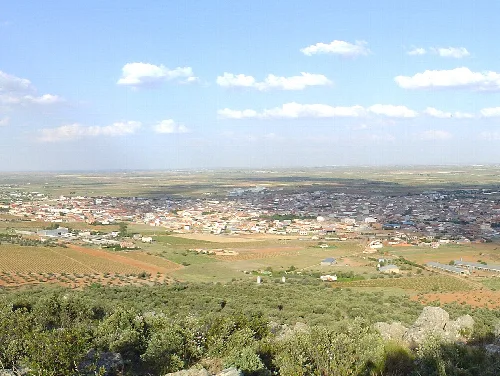
Daimiel is a municipality located in the province of Ciudad Real, Castilla-La Mancha. Known for its agricultural and industrial significance, it is also home to the Tablas de Daimiel National Park, a vital wetland area.
02Geography
Daimiel is situated in the La Mancha region, approximately 31 km from Ciudad Real. The municipality features a predominantly flat terrain, with minor elevations such as Las Cabezas and Cenaoscuras. The area is traversed by the rivers Guadiana and Azuer, and includes several lagoons, enhancing its natural beauty.
Elevation range
610 m to 658 m
Nearby national park
Tablas de Daimiel
03History
Daimiel has a rich history, with evidence of settlement dating back to 2450 BC at the Motilla del Azuer archaeological site. The town was granted city status in 1887. Throughout its history, Daimiel has been influenced by various cultures, including the Romans and Moors, and has played a significant role during the Reconquista.
2450 BC Evidence of settlement at Motilla del Azuer.
711 AD Invasion by Moors.
1212 AD Territory passed to Christian control after the Battle of Las Navas de Tolosa.
1887 Granted city status by María Cristina.
1936-1939 Significant role during the Spanish Civil War.
Daimiel, a municipality in Ciudad Real, is known for its agriculture, industry, and the nearby Tablas de Daimiel National Park.
04Economy
The economy of Daimiel is primarily based on agriculture, with viticulture being the most significant sector. The region is known for its production of Airén grapes, while dairy farming also plays a crucial role. Additionally, the textile and construction industries contribute to the local economy.
Main agricultural product
Airén grapes
Percentage of land for viticulture
95%
Dairy production for sale
80%
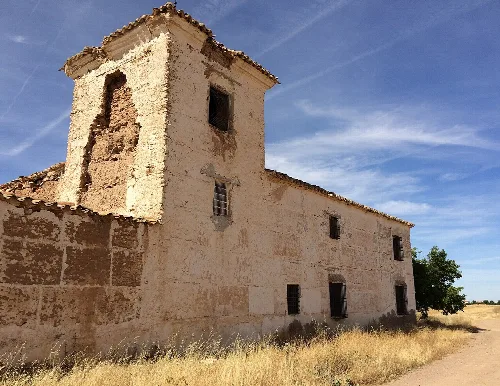
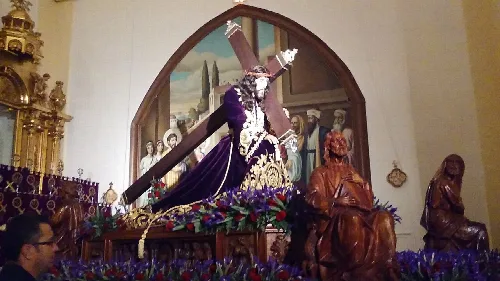
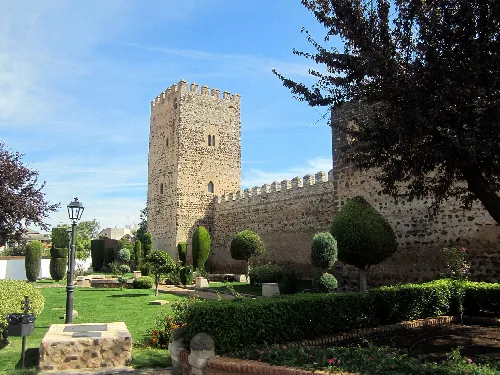
Current state of Venta de Borondo with threat of ruin in tower and roofs in DaimielOur Father Jesus Nazarene in the Church of La Paz before Holy Friday procession in Daimiel.
05Cultural Heritage
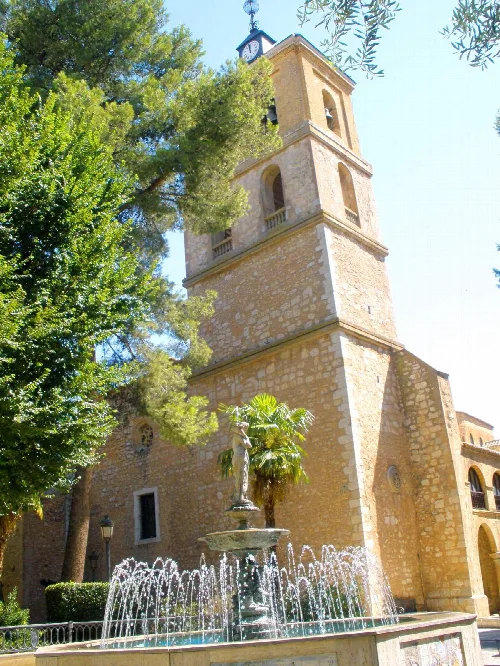
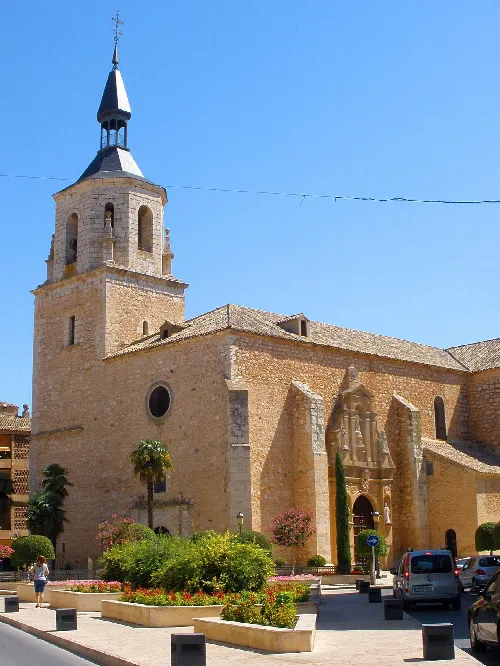
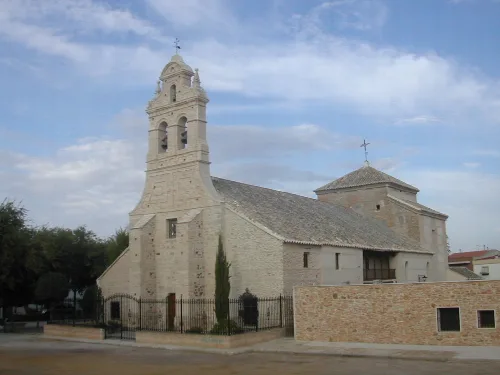
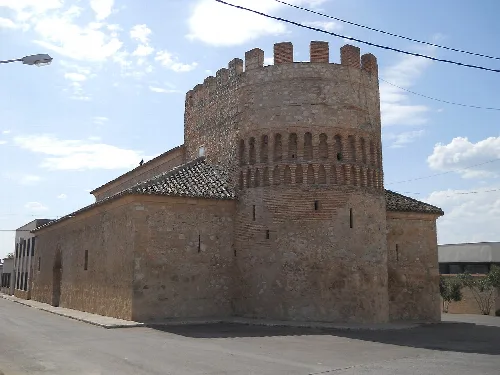
Daimiel boasts several notable historical buildings, including the Gothic-style church of Santa María la Mayor and the church of San Pedro Apóstol. The town also features the convent of Nuestra Señora de la Victoria and various hermitages, reflecting its rich architectural heritage.
Church of Santa María la Mayor Gothic origins, significant historical renovations.
Church of San Pedro Apóstol Constructed in the 16th century.
Convent of Nuestra Señora de la Victoria Founded in the mid-17th century.
Ermita de la Virgen de La Paz First patron saint of Daimiel.
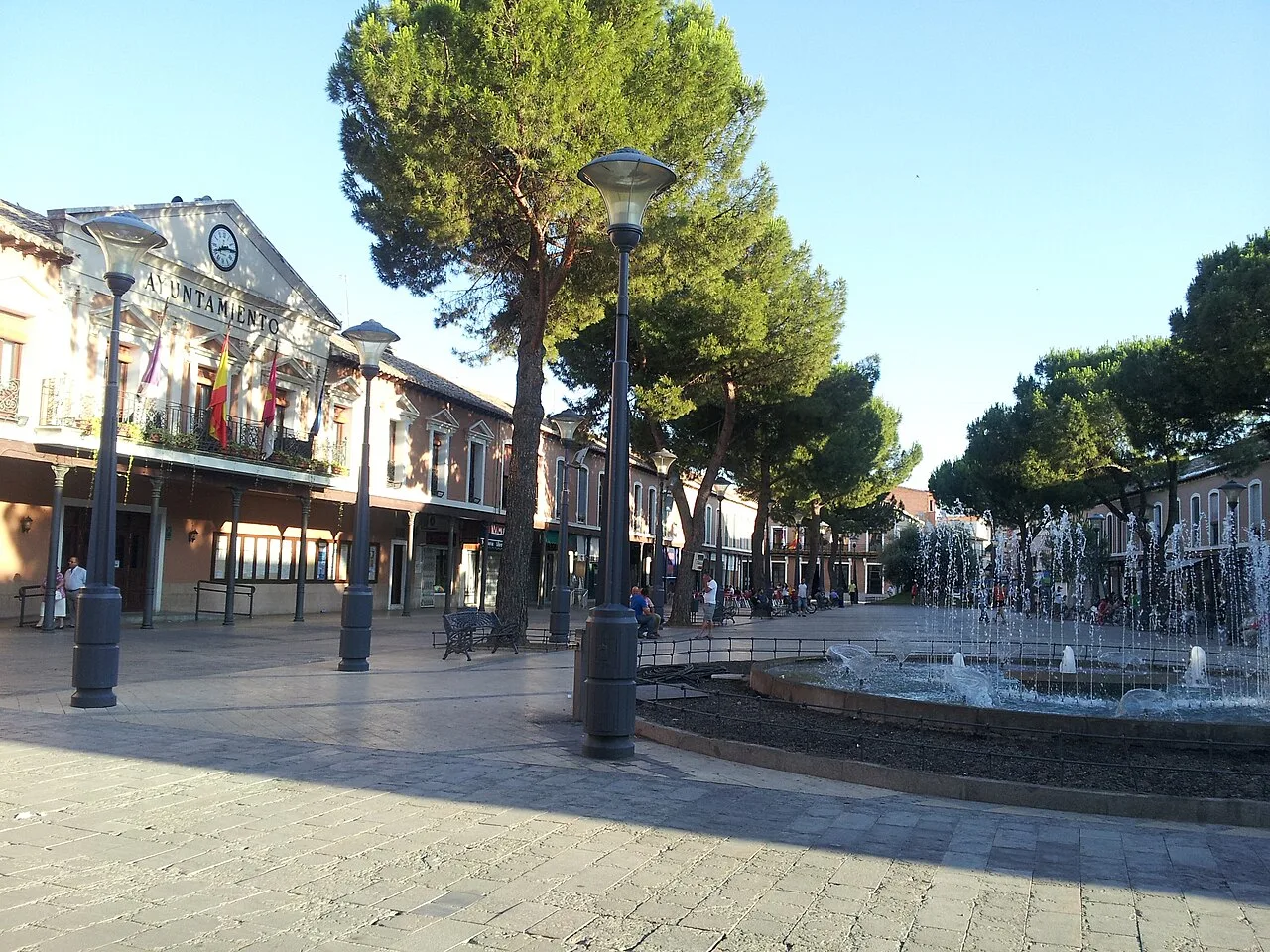
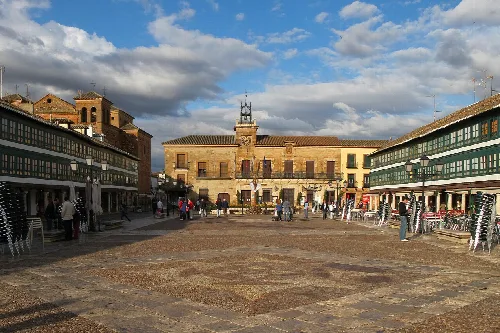
Plaza de España Cultural and social hub of the town.
06Festivals
Daimiel hosts a variety of festivals throughout the year, including the Carnival, which has roots dating back to 1657. Other significant celebrations include Semana Santa, the Feria de Daimiel, and the Festival of the Olive, showcasing the town's vibrant cultural traditions.
Carnival Celebrated with parades and traditional music.
Semana Santa Declared Regional Tourist Interest in 2002.
Feria de Daimiel Takes place from August 31 to September 5.
Festival of the Olive Held in November around the Olivo Milenario.
Day of the Sartén Celebrated in June with traditional dishes.
07Demographics
Daimiel has a population of 17,722 residents. The demographic trends have shown fluctuations, with a notable decline in the mid-20th century, followed by a gradual recovery in recent decades, largely due to immigration.
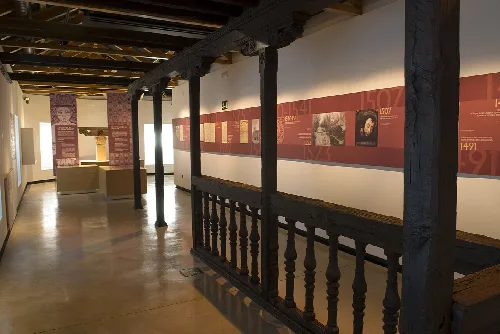
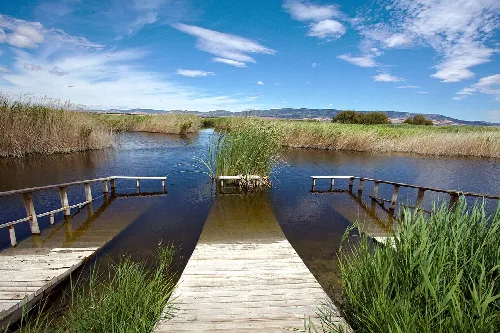
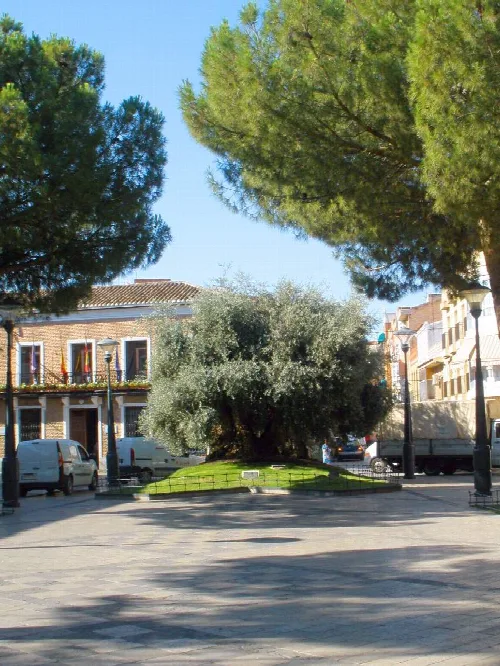
16th-century Mudejar Renaissance gallery in Daimiel with wooden beams and historical display.Wooden dock at the Tablas de Daimiel, with water and plants around under a blue sky with clouds.The Plaza de España in Daimiel with an ancient olive tree in the center.Santa María la Mayor church and the Fountain of Fortune in Daimiel, Ciudad Real, with trees and fountain in the foreground.San Pedro Apóstol Church in Daimiel features its facade and tower on a sunny day.
Frequently asked questions
What can you tell me about the Plaza de España in Daimiel?
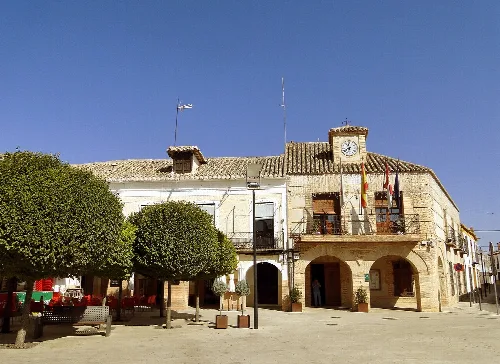
Plaza de España is a central square in Daimiel, featuring the Ayuntamiento (town hall) and a millenary olive tree. It's a popular spot for locals and visitors alike, often serving as a gathering place for events and social activities. The square reflects the town's charm and is surrounded by shops and cafes, making it a pleasant area to explore.
Venta de Borondo is a historical site in Daimiel, known for its urgent need for restoration due to the risk of ruin. It was once an important stop along Roman roads and has significant archaeological value. The site reflects the region's rich history and the architectural styles of its time, making it a point of interest for those exploring Daimiel's past.
What is Nuestro Padre Jesús Nazareno, and when is it celebrated?
Nuestro Padre Jesús Nazareno is a significant religious figure in Daimiel, prominently featured during Semana Santa (Holy Week). The statue is displayed in the Church of La Paz before its procession on Good Friday. This event is a key part of the local Easter celebrations, attracting many participants and spectators.
What are the main agricultural products of Daimiel?
Daimiel is primarily known for its agricultural sector, with viticulture being the most significant. The Airén grape variety dominates local vineyards, comprising 95% of the total area. Historically, the region was also known for its millet production. The local economy benefits from both agriculture and livestock, with dairy production being notable.
What is the significance of the Tablas de Daimiel National Park?
The Tablas de Daimiel National Park is a vital wetland area recognized as a biosphere reserve and an important ecological site under the Ramsar Convention. It serves as a habitat for diverse flora and fauna, particularly migratory birds. The park is crucial for conservation efforts and offers recreational opportunities for visitors.
How has the population of Daimiel changed over the years?
Daimiel's population has seen significant fluctuations over the years. Starting the 20th century with over 11,000 residents, it peaked in the 1950s before experiencing a decline until the 1990s. Recently, there has been a slow recovery, with a current population of 17,722 as of 2025, reflecting a trend of immigration and demographic growth.
What architectural styles can be seen in the church of Santa María la Mayor?
The church of Santa María la Mayor showcases a mix of architectural styles, primarily Gothic from the 14th century, with later modifications by the Order of Calatrava. Its notable features include a fortified structure, a variety of doors with different arch styles, and a richly decorated interior, reflecting the historical significance of the site.
What is the role of the local government in Daimiel?
Daimiel's local government is led by an elected mayor, currently Leopoldo Sierra from the Partido Popular. The municipal council consists of representatives from various political parties, ensuring that local governance reflects the community's diverse interests. The government is responsible for managing local services, development, and community welfare.
Daimiel hosts several notable festivals, with Semana Santa being one of the most significant. This Holy Week celebration features processions and religious events, particularly highlighting the figure of Nuestro Padre Jesús Nazareno. Other local festivities also reflect the town's cultural heritage and community spirit throughout the year.
What is the historical importance of the Motilla del Azuer?
Motilla del Azuer is an archaeological site in Daimiel, dating back to 2450 B.C. It represents one of the oldest settlements in the province and is significant for its fortified structure and water well. This site is emblematic of the Motilla Culture and offers insight into early human settlement and community organization in the region.
 espana.net