What can you tell me about the history of Peñarroya-Pueblonuevo?
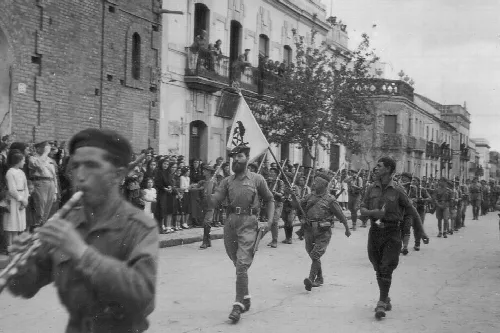
Peñarroya-Pueblonuevo has its origins in the 19th century, stemming from the mining boom in the region. Originally two separate municipalities, Peñarroya and Pueblonuevo del Terrible merged in 1927. The area experienced significant economic growth due to mining and industry, reaching over 25,000 inhabitants at its peak. However, by the mid-20th century, the decline of mining led to a population decrease and economic challenges.
History
What is the significance of the Museo Geológico-Minero?
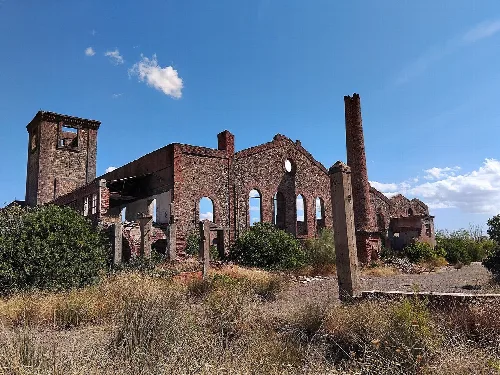
The Museo Geológico-Minero is a key cultural site in Peñarroya-Pueblonuevo, established by Francisco Orden Palomino. Located in the old Yutera factory, it showcases a diverse collection of minerals and geological artifacts, including a meteorite. The museum serves as an educational resource on Spain's geological history and is considered one of the best of its kind in the country.
Sights
Museo Geológico-Minero
What are the main natural features around Peñarroya-Pueblonuevo?
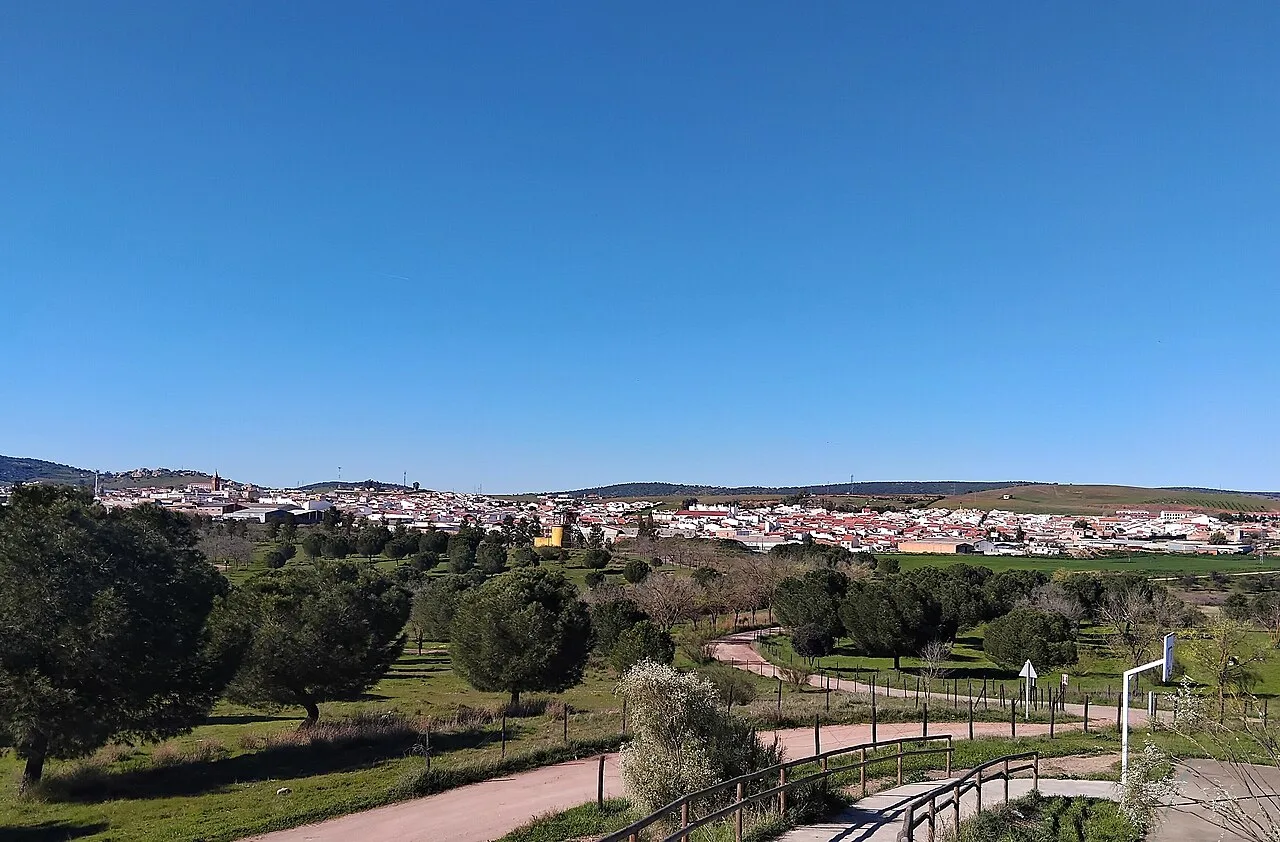
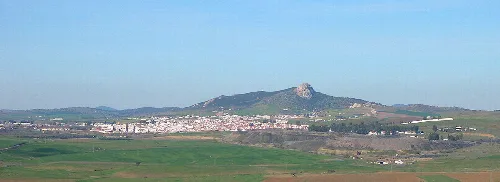
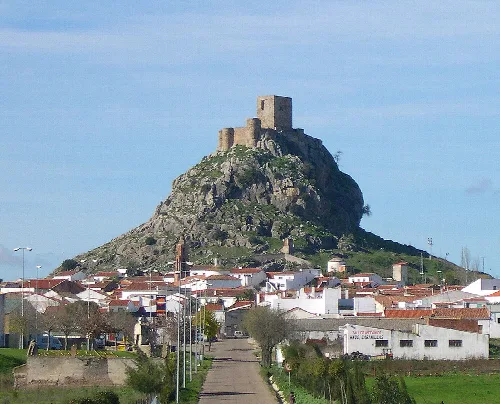
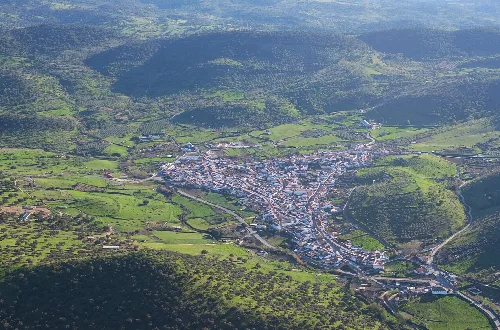
Peñarroya-Pueblonuevo is situated in the Valle del Guadiato, surrounded by the Sierra Morena to the north and the Guadiato River to the south. The landscape features varying altitudes, with the highest point being Cerro Alcornocosa at 794 meters. The area also includes the Sierra Boyera reservoir, which adds to its natural beauty.
Nature
What is the Barrio Francés like?
The Barrio Francés features houses built for the directors of the Sociedad Minera y Metalúrgica de Peñarroya, showcasing a French architectural style. The area is characterized by large gardens, wooden fences, and spacious interiors. While some houses maintain their original structure, others have been replaced with modern constructions.
Living there
Barrio Francés For residents
What can I expect from the local cuisine in Peñarroya-Pueblonuevo?
Local cuisine in Peñarroya-Pueblonuevo reflects traditional Andalusian flavors. Expect dishes featuring fresh vegetables, meats, and seafood, often prepared with olive oil. Tapas are popular, providing a variety of small plates to sample. Seasonal ingredients are commonly used, offering a taste of the region's agricultural bounty.
Food & drink
What events are celebrated in Peñarroya-Pueblonuevo?
Peñarroya-Pueblonuevo hosts various cultural events throughout the year, including traditional festivals that celebrate local heritage. The Real Centro Filarmónico Guadiato y Sierra contributes to the cultural scene with performances that highlight the region's musical traditions, including zarzuelas and folk music.
Festivals & events
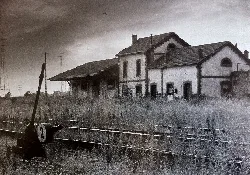
What is the significance of the old train station in Peñarroya-Pueblonuevo?
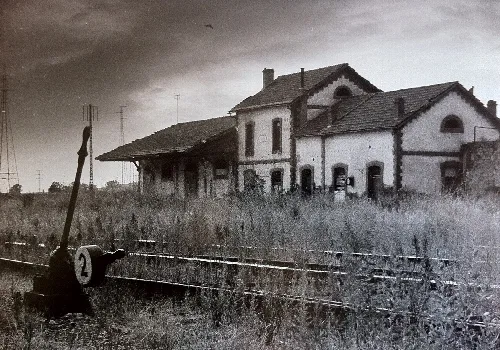
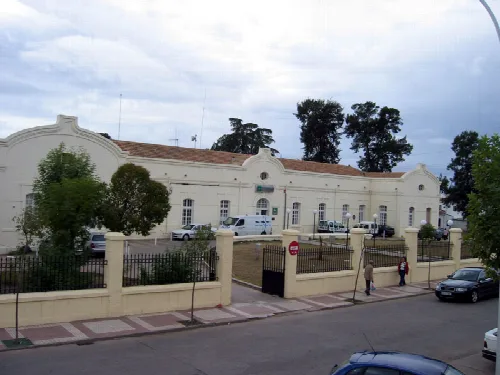
The old train station in Peñarroya-Pueblonuevo was part of the railway line connecting the town with Puertollano. It played a crucial role during the mining boom, facilitating transportation of goods and workers. Today, it stands as a historical reminder of the town's industrial past and the importance of rail transport in its development.
Sights
Estacion Peñarroya
How has the population of Peñarroya-Pueblonuevo changed over time?
Peñarroya-Pueblonuevo's population has seen significant fluctuations. Originally thriving due to mining, the population peaked at over 25,000 in the early 20th century. However, after the decline of the mining industry in the mid-20th century, the population decreased to around 10,244 as of 2025, reflecting the town's economic challenges.
History
For residents
What are the main educational facilities in Peñarroya-Pueblonuevo?
Peñarroya-Pueblonuevo offers various educational facilities, including private schools, primary education institutions, and secondary education institutes. These schools provide a range of programs, including Bachillerato and vocational training, catering to the educational needs of the community.
Practical
For residents
What are the main architectural highlights in Peñarroya-Pueblonuevo?
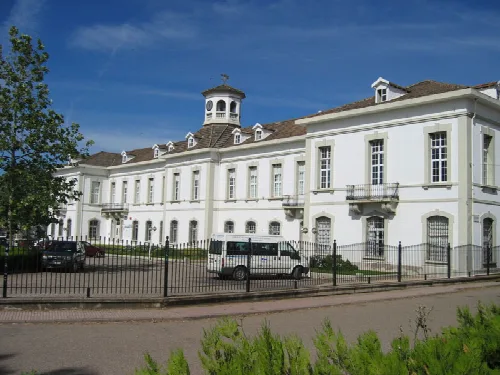
Peñarroya-Pueblonuevo boasts a rich architectural heritage, including industrial buildings from its mining past and residential areas like the Barrio Francés. Notable structures include the Milton Livesey College, showcasing neoclassical French design. The town's blend of historical and modern architecture reflects its evolving identity.
Sights
 espana.net