What is the history behind the Iglesia de Nuestra Señora de la Asunción?
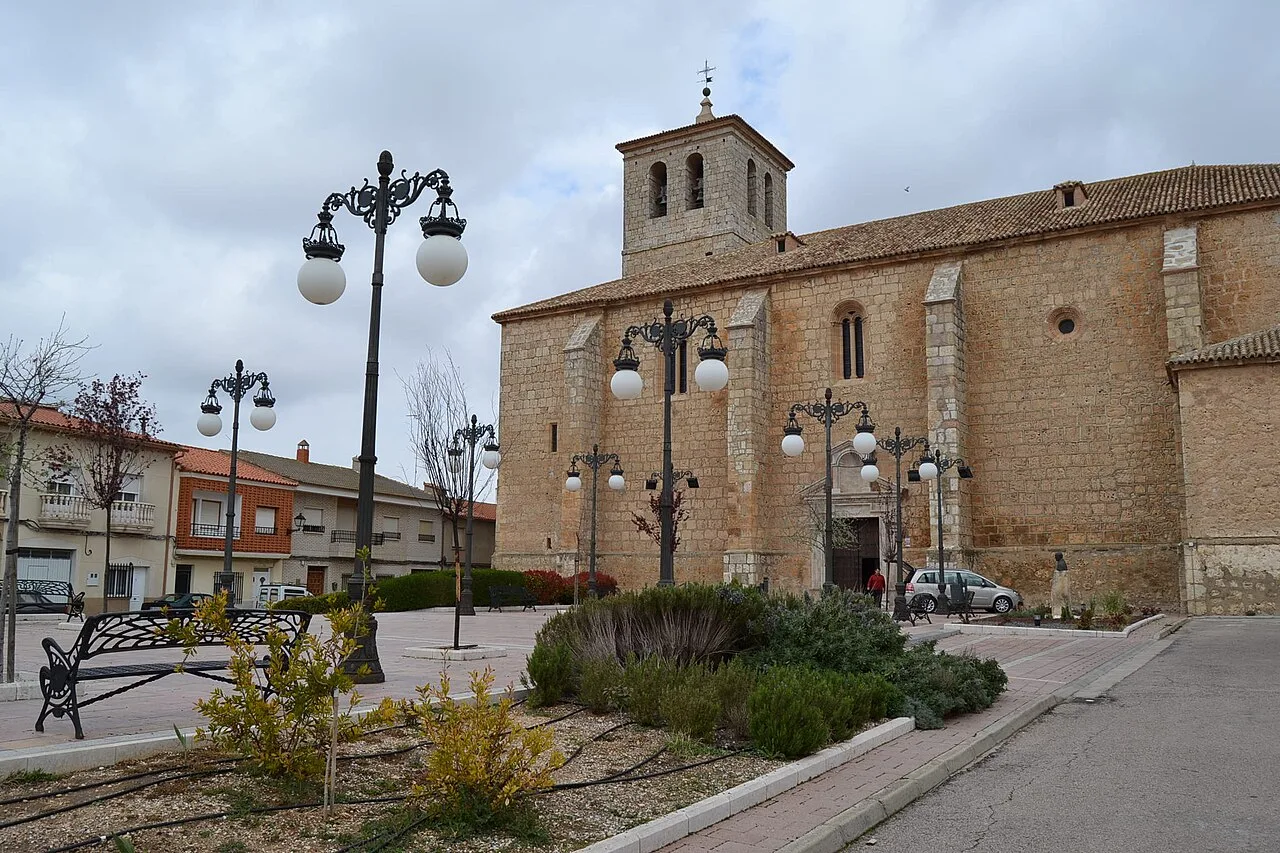
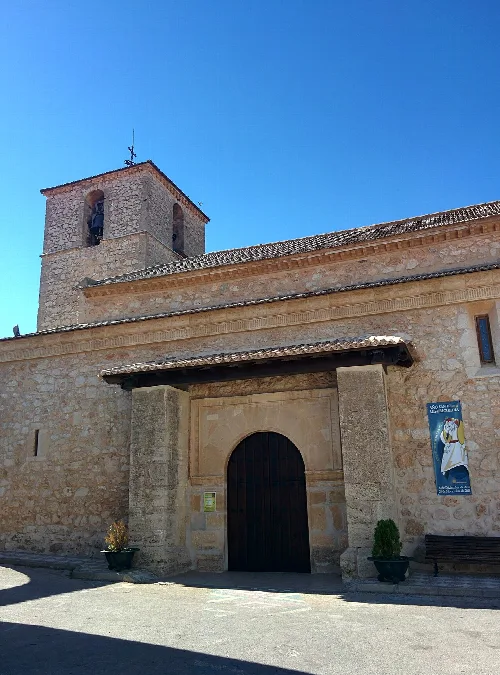
The Iglesia de Nuestra Señora de la Asunción features a blend of late Gothic and early Renaissance styles. Its construction began in May 1583, with a notable tower completed in 1776. The church has three naves and was built by skilled stonemasons, with significant renovations occurring between 1792 and 1854. It served as a burial site for local nobility, reflecting its historical importance to the community.
History
Iglesia de Nuestra Señora de la Asunción
What can you tell me about the Puente del Rey?
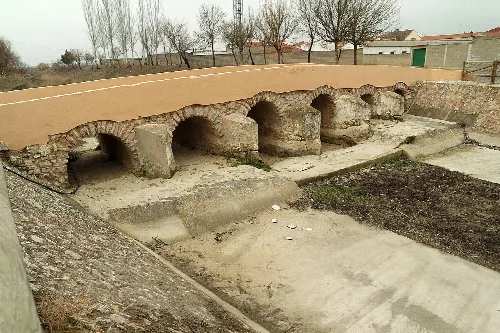
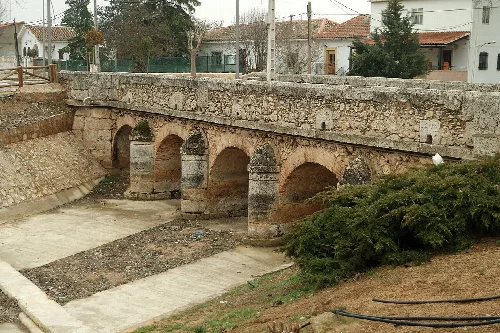
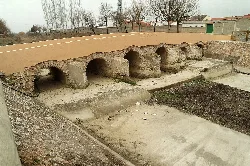
The Puente del Rey is a medieval bridge dating back to the 11th and 12th centuries, making it one of the oldest in Cuenca. Constructed primarily of rough stone, it showcases a mix of masonry and stonework. Its name derives from the visit of Carlos V in 1541, marking its significance in local history. The bridge reflects the engineering techniques of its time and remains a historical landmark.
History
Puente del Rey
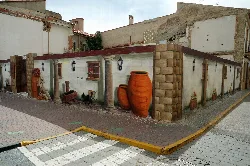
What is the Ruta de Arte Urbano in El Provencio?
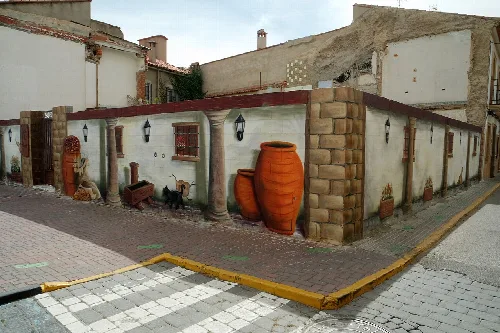
The Ruta de Arte Urbano is a vibrant project that features over 50 murals throughout El Provencio, inspired by the local Feria Internacional del Cómic. This initiative, in collaboration with the Asociación Mancha Colors, enhances the town's cultural landscape and has gained recognition as one of Spain's significant urban art routes. Each mural reflects themes from the comic world, adding color and creativity to the town.
Sights
Ruta de Arte Urbano
How do the locals celebrate the Fiesta de San Antón?
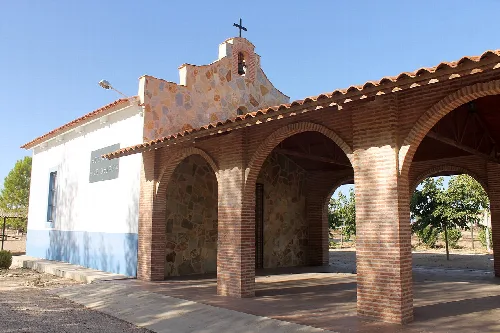
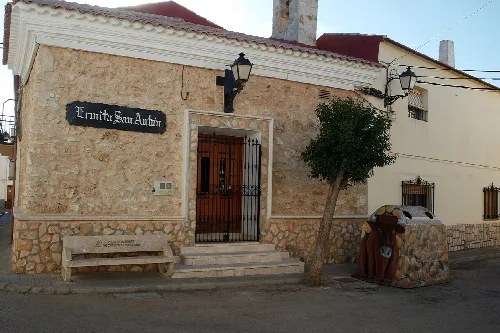
The Fiesta de San Antón, held on January 17, features a lively procession from the hermitage to the church, followed by traditional games and contests. Participants enjoy activities like chocolate tasting and sack races. The next day, the community returns the saint to the hermitage, where attendees receive a classic 'puñao' filled with snacks like peanuts and sweets, fostering a sense of community and tradition.
Festivals & events
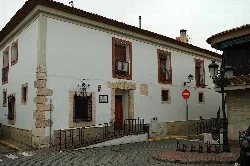
What is the significance of the Pósito Real in El Provencio?
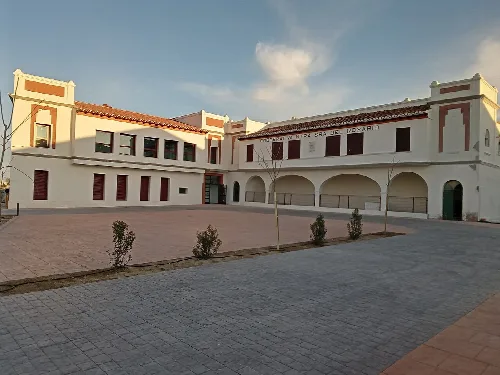
The Pósito Real, first mentioned in 1752, served as a granary for the town. Although it fell into disrepair and was repurposed as a warehouse, it underwent restoration to become a versatile community space. Its history reflects the agricultural roots of El Provencio and its evolution over time, symbolizing the town's resilience and adaptability in preserving its heritage.
History
Pósito Real For residents
Are there any notable natural areas near El Provencio?
Yes, the Monte Jareño is a notable natural area near El Provencio, contrasting with the typical landscape of vineyards in the region. This area is characterized by its dense pine forests and diverse wildlife, making it a great spot for nature lovers and birdwatchers, especially since it serves as a stopover for various migratory birds due to its abundant underground water sources.
Nature
For residents
What types of food are popular in El Provencio?
El Provencio's cuisine reflects its agricultural heritage, featuring local products such as garlic, sunflowers, and various vegetables. Traditional dishes often include hearty stews and roasted meats, particularly during local festivals. The community also celebrates the 'Jornadas sobre la Matanza del Cerdo,' showcasing the preparation of pork and related delicacies, preserving culinary traditions.
Food & drink
For residents
What is the architectural style of the houses in El Provencio?
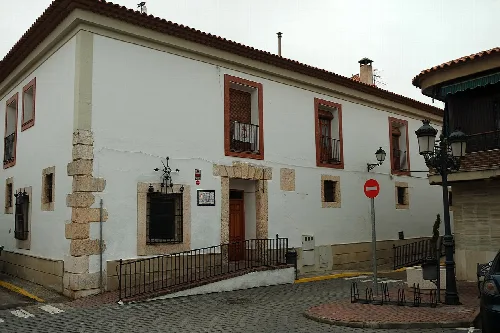
The architecture in El Provencio showcases traditional Manchega styles, characterized by dark-colored beams and whitewashed walls. Many houses feature balconies and distinctive doors, with some retaining historical elements like 'ventanillas' to let in light. The layout often includes a separate entrance for the home and the courtyard, reflecting the practical design of rural living.
Living there
For residents
What events take place during the Semana Santa in El Provencio?
Semana Santa in El Provencio is marked by a rich tradition of processions and religious observances. The earliest recorded brotherhood dates back to 1452. Today, several brotherhoods participate, including those of the Santísimo Sacramento and San Juan. The community gathers to honor their faith, showcasing a blend of historical significance and local culture through these solemn celebrations.
Festivals & events
How has El Provencio's population changed over the years?
El Provencio currently has a population of 2,327 residents, as of 2025. Historically, the population has fluctuated, with records indicating around 1,332 inhabitants in the mid-19th century. The town's demographic trends reflect broader shifts in rural Spain, influenced by economic changes and migration patterns, yet it retains a strong sense of community.
Living there
For residents
 espana.net