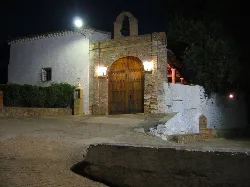
What can I see at the Ermita de la Piedad in Mira?
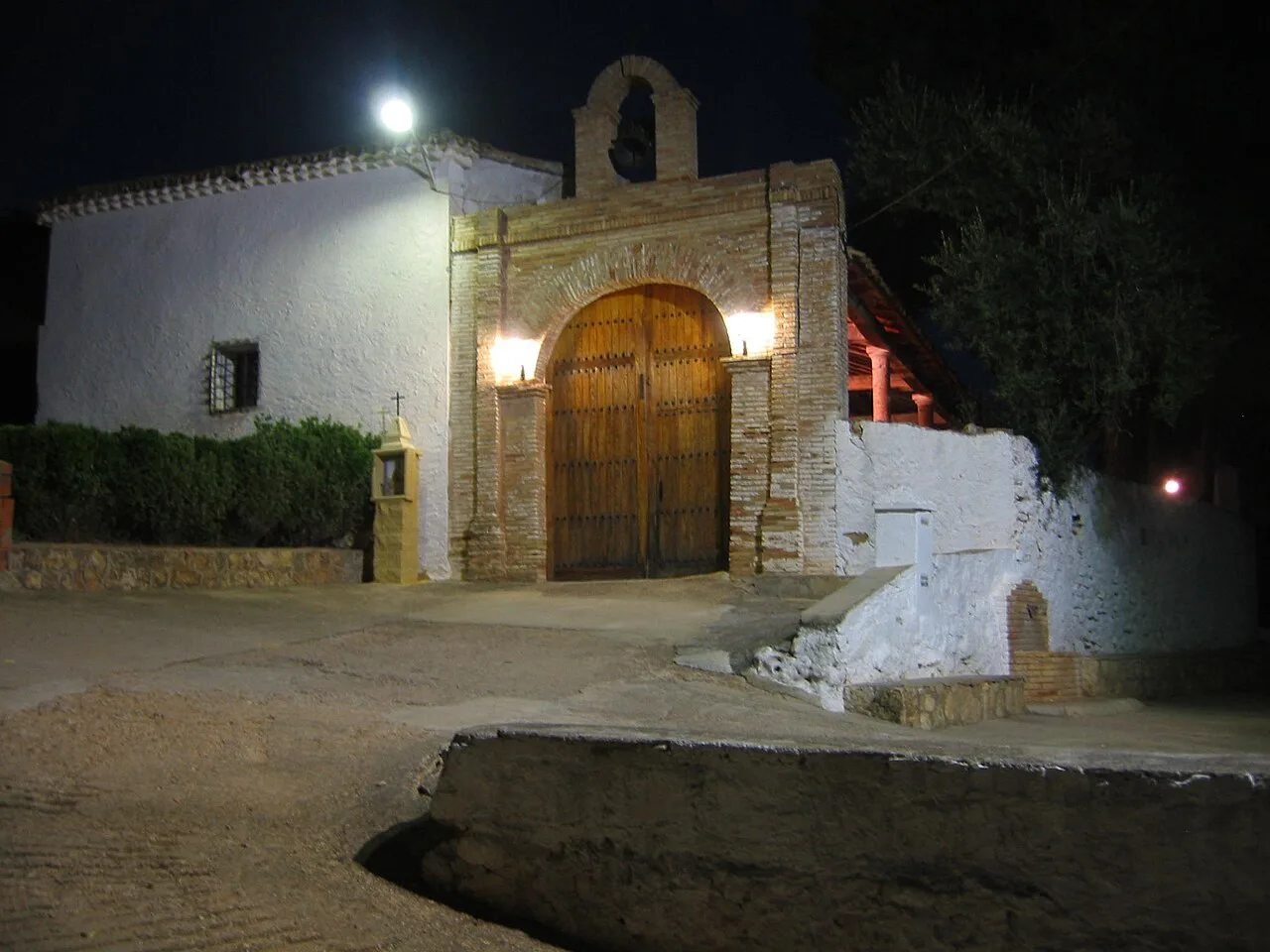
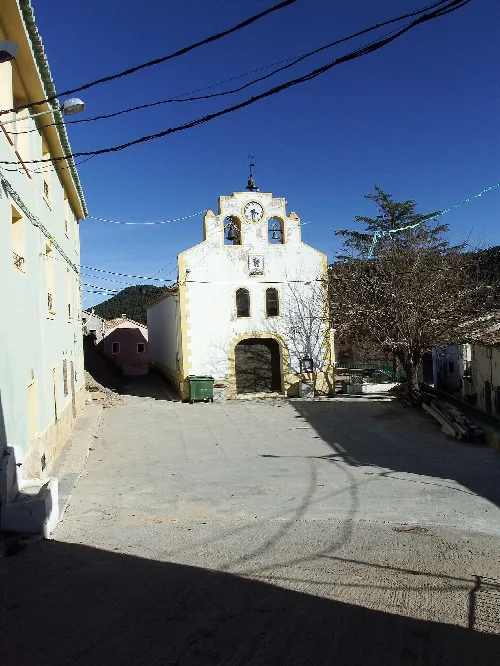
The Ermita de la Piedad, dating back to the 16th century, features a single nave built with lime and stone. Notable for its lateral corridor supported by Tuscan columns, it has a brick arch entrance and a small bell tower. This charming structure is located just north of the village, along the path leading to the river Ojos de Moya.
Sights
Ermita de la Piedad
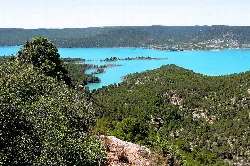
What activities can I do at the Embalse de Contreras?
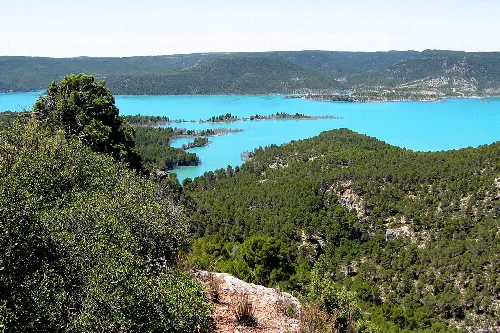
The Embalse de Contreras, constructed in 1972, offers a range of recreational activities. Visitors can enjoy swimming, fishing, and various water sports in its beautiful turquoise waters. The surrounding area is also ideal for hiking and appreciating the natural scenery of the region.
Nature
Embalse de Contreras
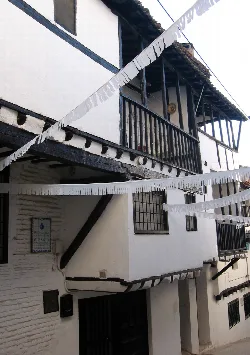
What is the history of the Casa de Antón Martín?
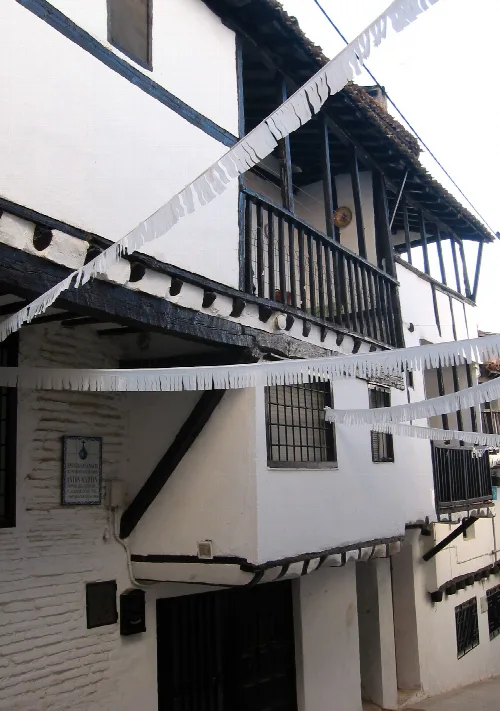
The Casa de Antón Martín is significant as the birthplace of Antón Martín, a notable figure in Mira's history. He was a follower of San Juan de Dios and founded several hospitals in Madrid. The house showcases traditional serrana architecture, with wooden balconies and typical features of the region.
History
Casa de Antón Martín
How is the climate in Mira?
Mira experiences a continental climate, characterized by warm summers and cold winters, with Mediterranean influences. This climate supports diverse vegetation, including various pine species and Mediterranean shrubs, making it a unique area for both agriculture and natural beauty.
Nature
For residents
What are the main crops grown in Mira?
The economy of Mira is primarily agricultural, with significant cultivation of vineyards, almond trees, fruit trees, and olive groves. Additionally, cereals like wheat and barley are grown, along with abundant vegetable gardens near the river Ojos de Moya, which irrigates the fields.
Food & drink
For residents
What is the significance of the Cueva Santa?
The Cueva Santa, located in the Serranía Baja, is a historical site that has served as a sanctuary since the 14th century. It hosts a pilgrimage every second Sunday in May, combining religious ceremonies with communal festivities, making it an important cultural event for the locals.
Festivals & events
Cueva Santa
Can you tell me about the San Antón festival in Mira?
San Antón is celebrated on January 16th with bonfires throughout the village. Residents gather around the fires to enjoy grilled food. The following day features a mass and procession, honoring the patron saint, and includes festivities organized by the local wine cooperative.
Festivals & events
What are the main historical events in Mira's past?
Mira's history includes the conquest of its castle from the Moors in 1219 and its transition from a dependency of Requena to a villa with its own jurisdiction in the 16th century. The village faced challenges during the Napoleonic invasions and the Spanish Civil War, leading to significant demographic changes.
History
For residents
What is the local economy like in Mira?
Mira's economy is largely based on agriculture, with cooperatives managing the production and sale of wine and olive oil. Additionally, there is a long-established ceramics business that employs many locals, contributing to the town's economic stability and cultural identity.
Living there
For residents
What can you tell me about the local wildlife in the Hoces del río Mira?
The Hoces del río Mira is home to a rich variety of wildlife, including deer, wild boars, and various bird species such as imperial eagles and griffon vultures. This unique ecosystem is characterized by its lush vegetation and serves as an important habitat for many animals native to the region.
Nature
Hoces del río Mira
 espana.net