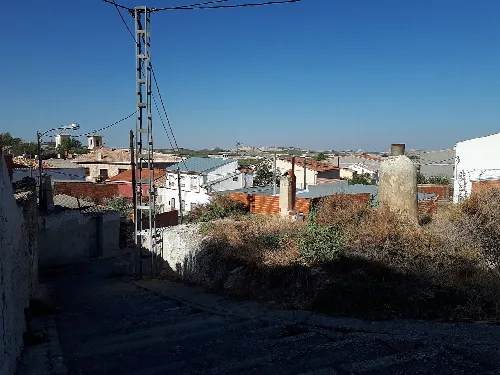
Tarancón is a municipality located in the province of Cuenca, within the autonomous community of Castilla–La Mancha. Known for its rich history and cultural heritage, it features a blend of agricultural and industrial economy, along with various local festivals and traditions.
02Geography
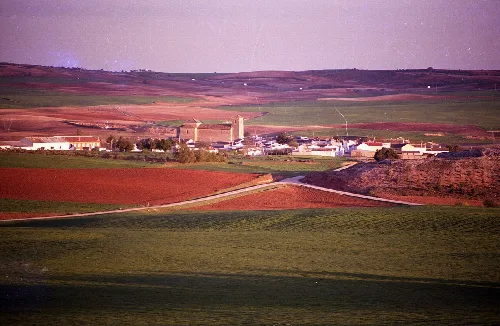
Tarancón is strategically situated in the central part of Spain, bordering the provinces of Toledo, Guadalajara, and Madrid. This location contributes to its significant population density, which is more than double that of the provincial capital. The municipality is characterized by a steppe climate, with annual rainfall averaging around 242 mm, primarily occurring in autumn and spring.
Climate
Steppe climate with hot, dry summers and cold winters.
Annual rainfall
Approximately 242 mm.
Geographical borders
North: Belinchón; Northeast: Huelves; East: Tribaldos and Villarrubio; South: Fuente de Pedro Naharro; West: Santa Cruz de la Zarza.
03History
The area of Tarancón has been inhabited since ancient times, initially by Celtiberians and later by Romans, who left significant archaeological remains. The town was officially established in 1403 when it was granted a municipal government. Over the centuries, it evolved from an agricultural community to a more industrialized economy, particularly in the 20th century.
1403 Establishment of the municipal government by Lorenzo Suárez de Figueroa.
1537 Granted villazgo status by King Carlos I.
1921 Awarded the title of Noble Ciudad.
1949 Explosion at a munitions depot resulted in numerous casualties.
2016 Last public-funded bullfighting event held.
Explore Tarancón, a historic municipality in Cuenca, Castilla–La Mancha, known for its culture, economy, and local festivals.
04Cultural and Recreational Facilities
Tarancón boasts a variety of cultural and recreational facilities, including sports complexes, auditoriums, and parks. The Circuito de velocidad Dani Rivas hosts motorcycle and kart racing events, while the municipal pools and sports centers cater to various athletic activities. Cultural venues include the municipal auditorium and several museums.
Circuito de velocidad Dani Rivas Motorsport circuit for racing and karting.
Auditorio municipal Auditorium with a capacity for 500 people.
Museo de arte contemporáneo Exhibits contemporary art and photography.
Centro Escénico San Isidro Venue for large events and concerts.
Parque Reina María Cristina Park hosting summer concerts and community events.
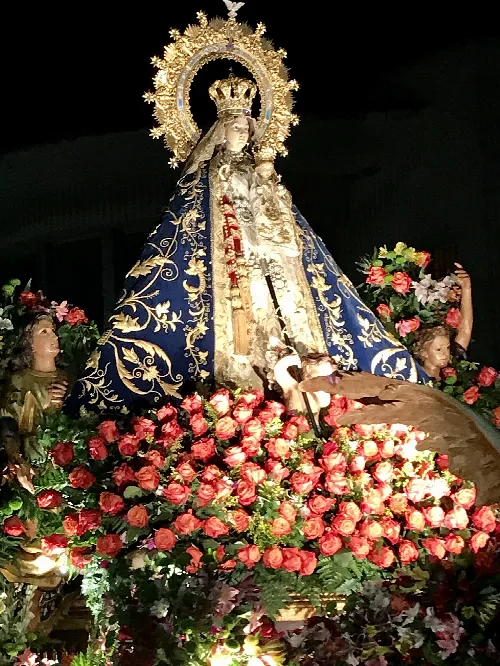
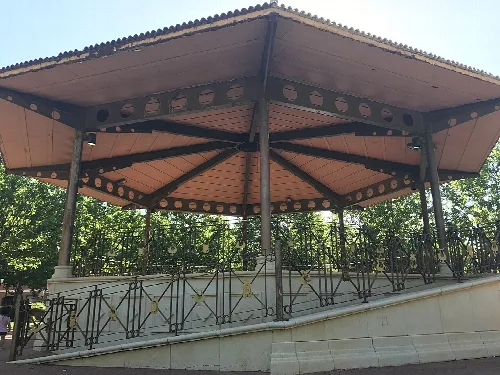
Virgin of Riánsares, patroness of Tarancón, decorated with flowers during a procession.Music pavilion in Tarancón with iron structure and wooden roof, surrounded by trees.
05Economy
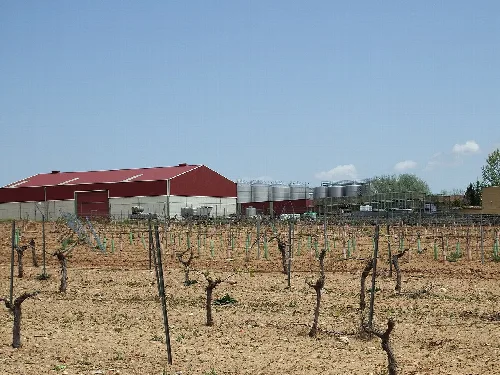
Historically reliant on agriculture and livestock, Tarancón's economy has shifted towards industry and services since the 1960s. The construction sector gained prominence in the early 21st century but has since declined, with the service sector now being the most significant part of the local economy.
Main economic sectors Services, industry, agriculture.
Notable companies Incarlopsa, major employer in the region.
Average income €20,896 per year (2016).
Industrial zones Two industrial parks located in the municipality.
Media presence Includes Cadena Ser and Cadena Dial.
06Festivals and Gastronomy
Tarancón celebrates various local festivals, with the most notable being the patronal festivities in honor of the Virgen de Riánsares, held from September 7 to 13. The town's gastronomy reflects its agricultural heritage, featuring traditional dishes and local products.
Fiestas patronales September 7-13 in honor of Virgen de Riánsares.
Fiesta Yeyé Celebration of 1960s culture, held annually.
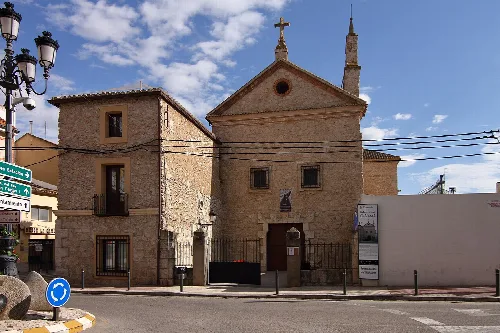
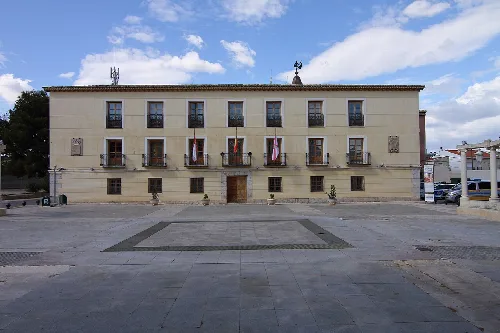
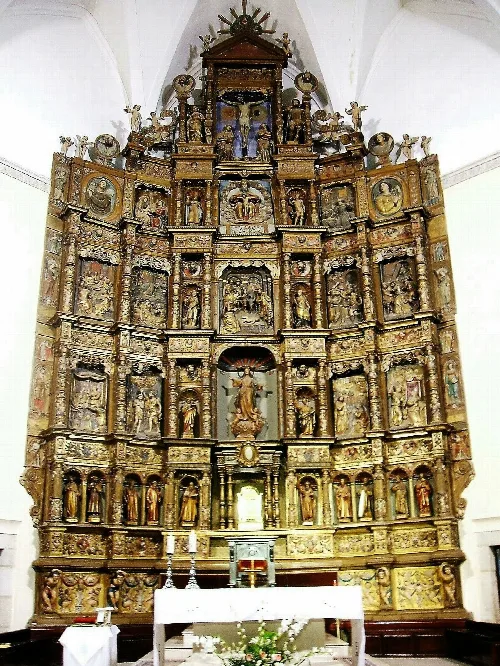
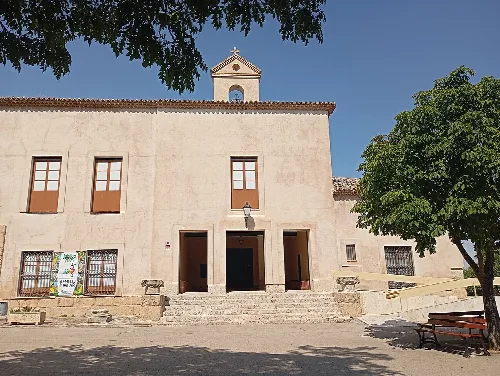
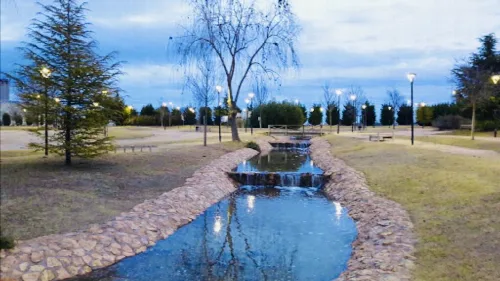
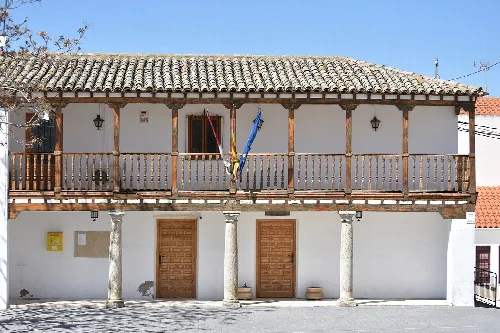
Facade of the Franciscan convent in Tarancón, with a stone wall and a cross at the top.The Palace of the Duke of Riánsares, the town hall, in the Town Hall Square of Tarancón.Main altarpiece of the Church of Our Lady of the Assumption in Tarancón, with multiple carved religious figures in gold wood.Sanctuary Virgen de Riánsares in Tarancón, with its simple facade and access staircase.View of the river in the Youth Park in Tarancón, with trees and lit lampposts at dusk.
Frequently asked questions
What's the history behind the Iglesia de Nuestra Señora de la Asunción?
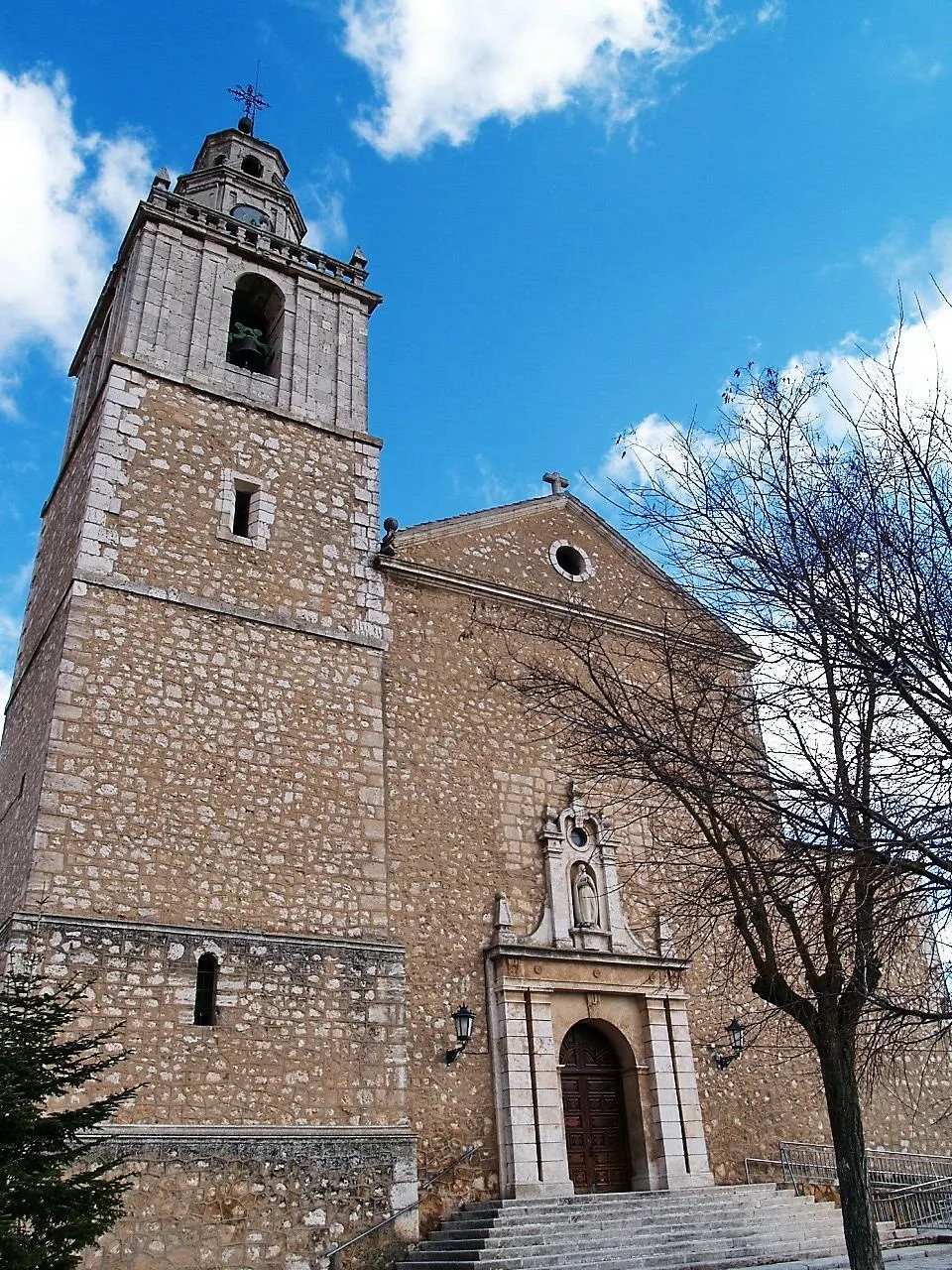
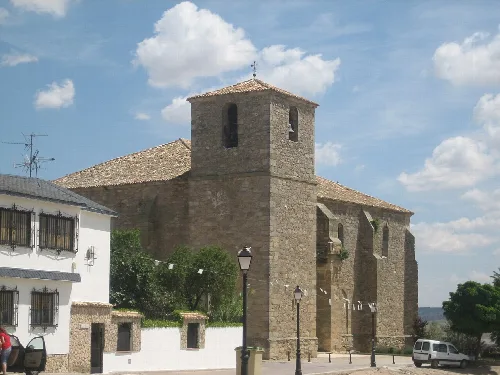
The Iglesia de Nuestra Señora de la Asunción dates back to the 16th century and features a stunning plateresque altarpiece. It is located in the oldest part of Tarancón, known as El Castillejo. The site may have housed a temple since the 13th century, with the first church likely built in the 15th century in a Gothic style.
What can you tell me about the Virgen de Riánsares?
The Virgen de Riánsares is the patron saint of Tarancón, celebrated during the town's patronal festivities from September 7 to 13. The festivities include traditional events like the Galopeo and a grand procession on September 8, where the Virgen is paraded through the streets, accompanied by music and local residents.
What is the Templete de música in Tarancón used for?
The Templete de música in Tarancón serves as a venue for outdoor concerts and cultural events. It is a charming structure located in a park, providing a lovely setting for community gatherings and performances, enhancing the town's cultural life.
Is there a significant historical event associated with Tarancón?
Yes, a tragic event occurred on July 26, 1949, when an explosion at a military munitions depot killed 26 people and injured many others. A monument stands in the area to commemorate the victims, marking a significant moment in the town's history.
What are the main economic activities in Tarancón?
Tarancón's economy has traditionally been based on agriculture and livestock. However, since the 1960s, industrial and service sectors have gained prominence. Today, the service sector is the most significant, supported by logistics companies due to the town's strategic location.
Tarancón experiences a steppe climate, characterized by hot, dry summers and cold winters. Annual precipitation averages around 242 mm, mainly occurring in autumn and spring, with summer temperatures often reaching close to 40 degrees Celsius.
Key attractions in Tarancón include the Iglesia de Nuestra Señora de la Asunción, the Virgen de Riánsares sanctuary, and the historic Arco de la Malena. The town also features parks and cultural venues like the Casa de Cultura and the Museo de arte contemporáneo.
Tarancón is accessible by bus and train. The town has a bus station with interurban lines connecting to nearby cities. Although the train service was discontinued in 2022, the AVE line passes close to Tarancón, enhancing its connectivity.
What is the significance of the Arco de la Malena?
The Arco de la Malena is a historical arch that served as an entrance to the town's former fortified walls, dating back to the 11th century. It now stands as a notable landmark leading to the Iglesia de Nuestra Señora de la Asunción, reflecting Tarancón's rich history.
Yes, Tarancón features several parks, including the Parque Ferial, which hosts local fairs and has facilities like playgrounds and green spaces. The Parque de la Juventud also offers recreational areas and is ideal for family outings.
 espana.net