What is the history behind the name Tribaldos?
The origin of the name Tribaldos is uncertain. Historical documents, including the Relaciones Topográficas of Felipe II, mention that the name has remained unchanged and its origin is unknown. Some sources suggest it may derive from the Latin word 'tribulus', referring to a thorny plant that was once common in the area, indicating the vegetation that surrounded the village.
History
What are the main agricultural products in Tribaldos?
Tribaldos is primarily an agricultural community. The main crops include cereals and sunflowers, with some areas dedicated to olive groves. There are also small gardens and melons cultivated for personal consumption. However, the area has seen a decline in natural vegetation due to agricultural practices and lack of care.
Food & drink
For residents
What can you tell me about the climate in Tribaldos?
Tribaldos has a continental Mediterranean climate characterized by hot summers and moderately cold winters. The average temperature is around 12.9°C, with extremes that can drop below -5°C in winter and exceed 35°C in summer. Annual precipitation averages 474 mm, with irregular rainfall patterns that can affect agriculture.
Nature
What is the significance of the Battle of Uclés in relation to Tribaldos?
The Battle of Uclés, fought on May 30, 1108, is significant as it involved Christian troops led by Alfonso VI against Almoravid forces. Part of the battle took place near Tribaldos, where troops camped. Historical accounts indicate that the area was a strategic point during this conflict, influencing the region's history.
History
What is the white building on the hill in the photo?
The white building on the hill in the photo is the hermitage of Santa Ana, located at an altitude of 879 meters. It offers panoramic views of the surrounding landscape and is a notable landmark in Tribaldos, reflecting the village's cultural and historical significance.
Sights
hermitage of Santa Ana
What types of wildlife can be found around Tribaldos?
The wildlife in Tribaldos mainly consists of species typical of agricultural areas, such as rabbits and partridges. During certain times of the year, it is possible to observe cranes, foxes, and even wild boars. The area's agricultural landscape supports a limited but diverse fauna.
Nature
For residents
Are there any local festivals in Tribaldos?
The reference material does not specify local festivals in Tribaldos. However, like many small towns in Spain, it may celebrate traditional events related to local patron saints or agricultural cycles. Visitors may find unique cultural experiences during local gatherings or seasonal celebrations.
Festivals & events
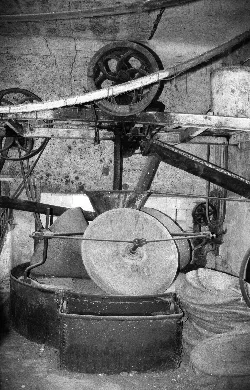
What is the historical importance of the San José oil factory in Tribaldos?
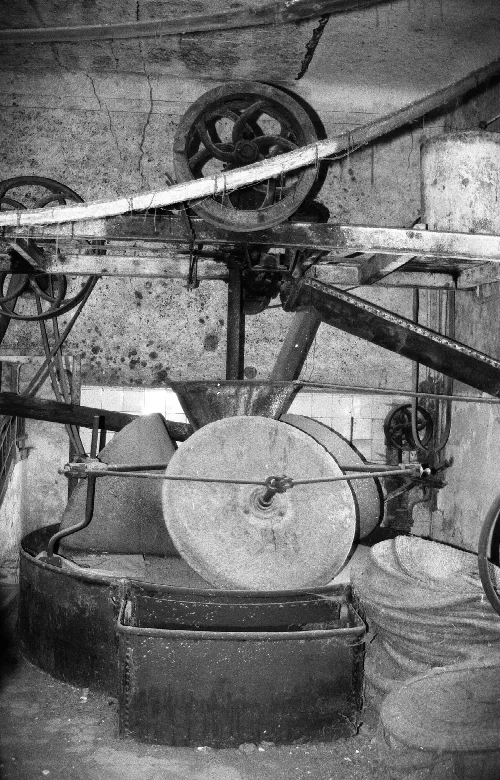
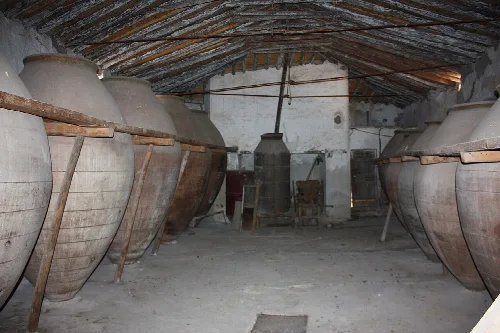
The San José oil factory, inaugurated in 1912 by the Morillas family, played a significant role in the local economy until its closure in 1957. It marked the introduction of modern agricultural practices and infrastructure, including water supply improvements, contributing to the village's development.
History
San José oil factory For residents
How has the population of Tribaldos changed over the years?
Tribaldos has experienced significant demographic changes, peaking at 779 inhabitants in 1900. Since then, the population has steadily declined, particularly after the Spanish Civil War, with current estimates at around 101 residents. The aging population and emigration have contributed to this trend.
Living there
For residents
What are the main features of the landscape around Tribaldos?
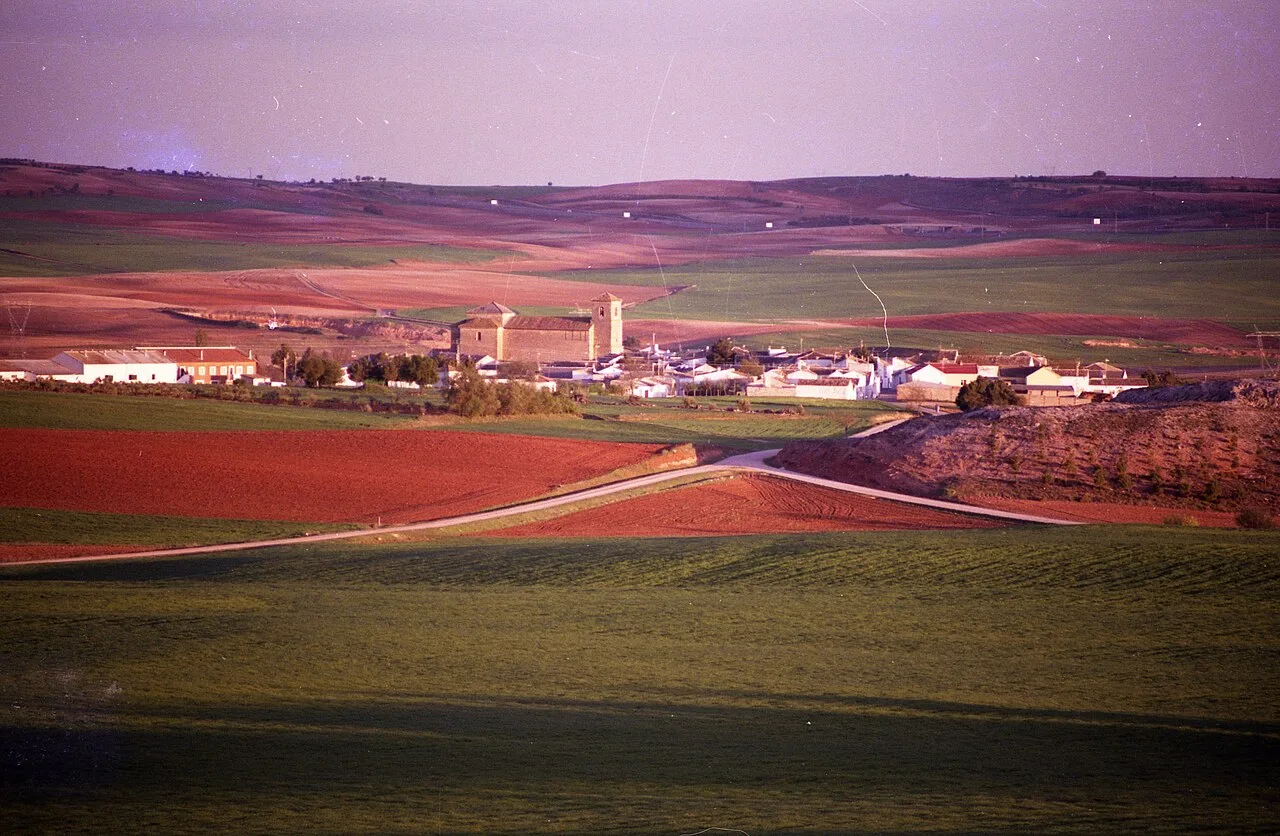
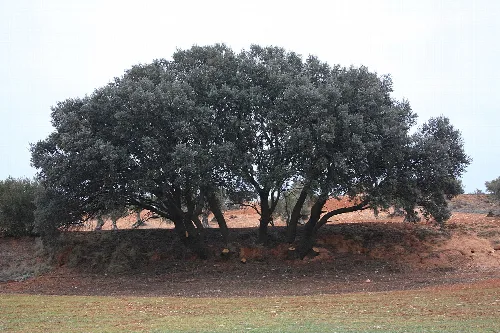
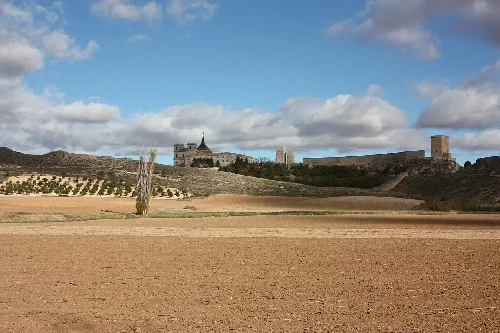
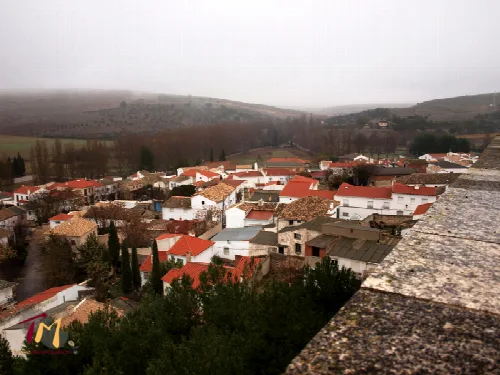
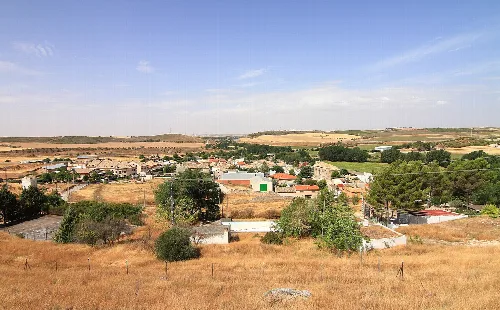
The landscape around Tribaldos is characterized by gently rolling hills and agricultural fields, primarily dedicated to cereal and sunflower cultivation. The area features a mix of rustic terrain and some reforested zones with pines and oaks, contributing to its natural beauty and agricultural viability.
Nature
 espana.net