What are the main historical sites to see in Alhama de Granada?
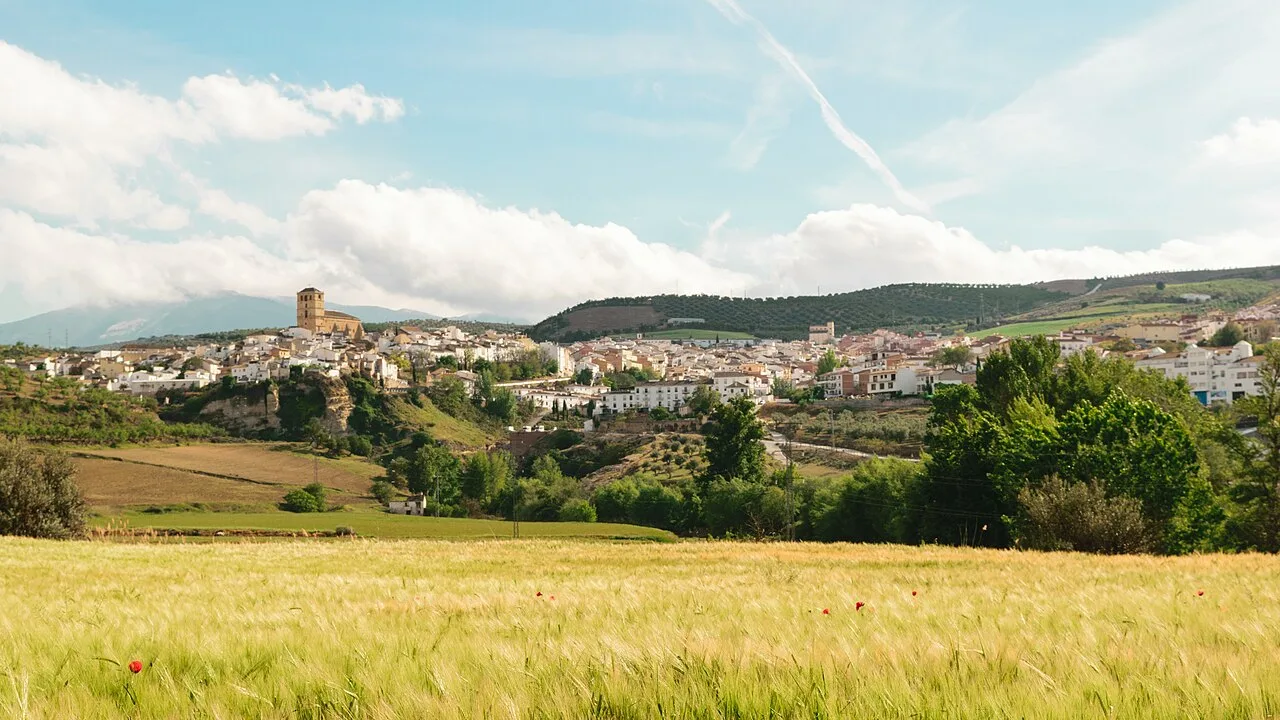
Alhama de Granada features several significant historical sites, including the Iglesia Mayor de la Encarnación, built in 1505, which was the first Christian church consecrated in the former Kingdom of Granada. Other notable sites include the ancient baths, the Casa de la Inquisición, and the Roman bridge over the Alhama River, all showcasing the town's rich architectural heritage.
Sights
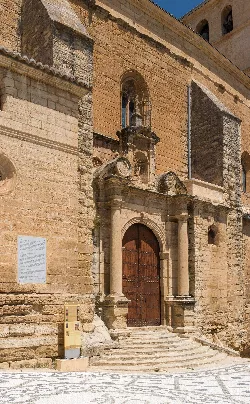
What is the significance of the Iglesia de la Encarnacion?
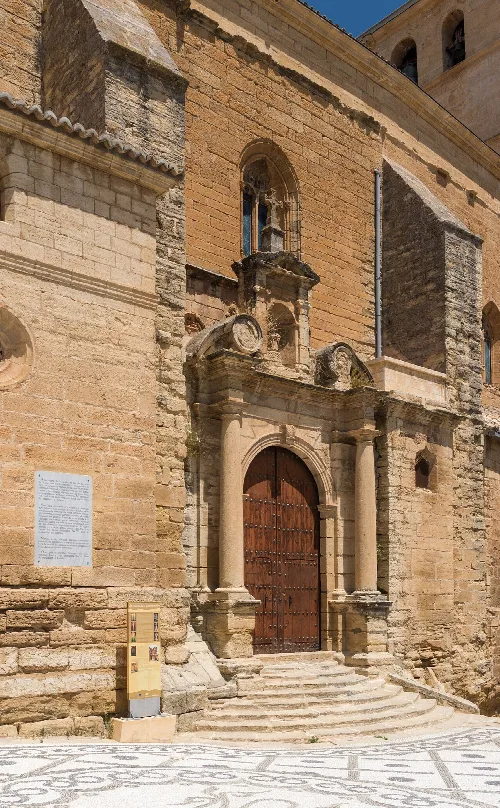
The Iglesia de la Encarnacion is a key historical landmark in Alhama de Granada. Constructed in 1505, it was the first Christian church consecrated after the Reconquista. The church features a stunning Gothic-Renaissance style and was built on the site of the former mosque, reflecting the town's historical transition from Islamic to Christian rule.
History
Iglesia de la Encarnacion
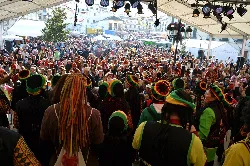
What can I expect at the Alhama Carnival?
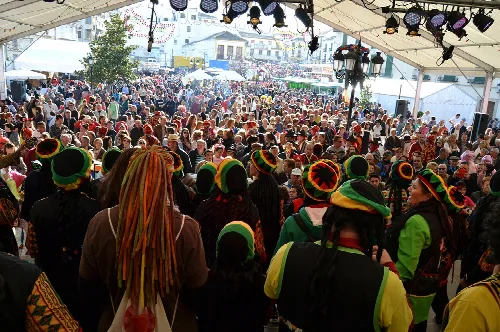
The Alhama Carnival is a vibrant festival celebrated before Ash Wednesday, attracting many visitors. It features colorful parades with comparsas singing humorous songs about local events. Unique masks are worn, and there are festivities for children as well. The highlight is the Domingo de Piñata, a local holiday allowing for an extended celebration.
Festivals & events
What is the history behind the baths in Alhama de Granada?
The baths in Alhama de Granada have a rich history, originally established by the Romans. The name 'Alhama' derives from the Arabic word for 'bath.' The current thermal baths are built over the remains of these ancient Roman baths, showcasing the town's long-standing tradition of thermal healing and relaxation.
History
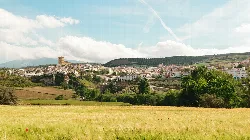
What is the natural landscape like around Alhama de Granada?
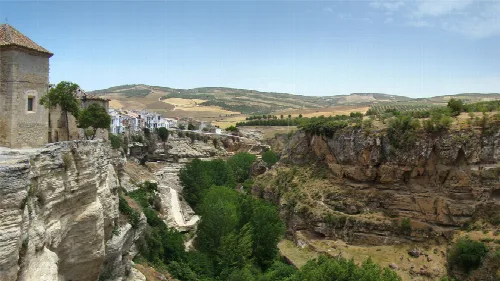
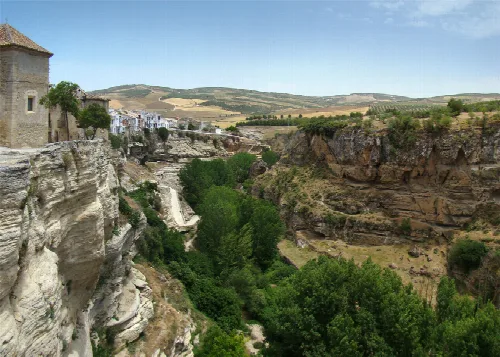
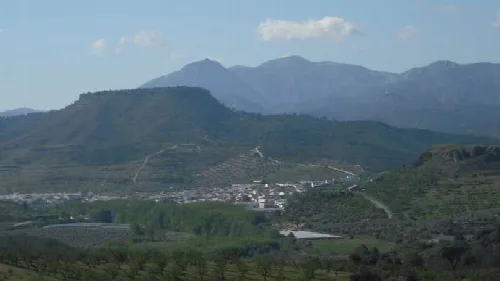
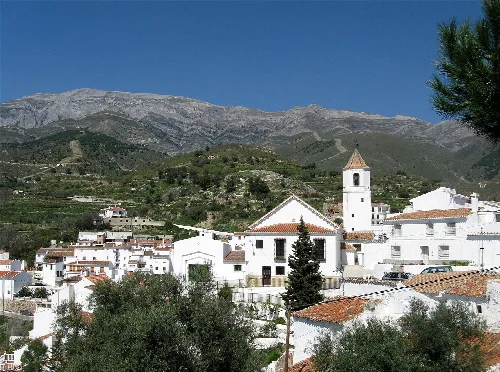
Alhama de Granada is surrounded by stunning natural landscapes, particularly within the Sierras de Tejeda, Almijara, and Alhama Natural Park. This area features dramatic cliffs and gorges, primarily formed by the Alhama River, offering breathtaking views and opportunities for outdoor activities like hiking and nature walks.
Nature
Are there any local dishes I should try in Alhama de Granada?
When visiting Alhama de Granada, you should try traditional dishes like 'olla jameña,' a hearty stew, and 'migas,' made from breadcrumbs. The local cuisine also features various cheeses and meats, reflecting the agricultural heritage of the region. Don't miss the chance to sample local wines during festivals.
Food & drink
How is the community involved in the Candelaria festival?
The Candelaria festival in Alhama de Granada is a community-driven event where residents light bonfires (candelas) throughout the streets. Neighbors participate by preparing traditional swings (merceores) and singing folk songs. This celebration, held on February 2nd, fosters community spirit and showcases local traditions.
Festivals & events
For residents
What are the demographics of Alhama de Granada?
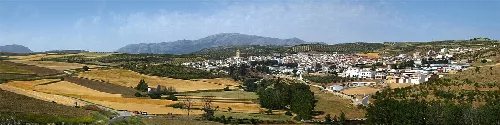
Alhama de Granada has a population of approximately 5,544 residents as of 2025. The urban center houses about 4,055 inhabitants, making it the administrative and commercial hub. The area includes smaller localities like Ventas de Zafarraya, with a population of 1,066, and other smaller villages with very few residents.
Living there
For residents
What is the importance of the Roman bridge in Alhama de Granada?
The Roman bridge in Alhama de Granada is an important historical structure that reflects the town's ancient past. It connects the area to the thermal baths and showcases Roman engineering. This bridge is a significant landmark for both locals and visitors, symbolizing the town's rich cultural heritage.
Sights
Roman bridge
What kind of economic activities are prevalent in Alhama de Granada?
The economy of Alhama de Granada is primarily based on agriculture, focusing on crops like cereals, olives, and legumes, particularly chickpeas. Additionally, tourism is growing, especially with the presence of the thermal baths, which attract visitors seeking health and relaxation treatments.
Practical
For residents
 espana.net