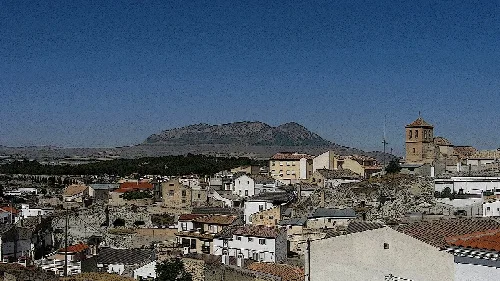
Cúllar is a municipality located in the northeastern part of the Baza comarca in Granada, Andalusia. Known for its rich history and cultural festivals, it features a population of 3,978 and is characterized by its scenic landscapes and traditional celebrations.
02Geography
Cúllar is situated in the northeastern region of the Baza comarca, bordered by several municipalities in both Granada and Almería provinces. The area is characterized by its mountainous terrain, with the municipality encompassing various population centers, including its capital, Cúllar, and several smaller villages.
03History
Cúllar has a rich historical background, with evidence of human settlement dating back to around 2500 BC. The area has seen various cultures, including the Iberians, Romans, and Moors, each leaving their mark on the local heritage. Significant events include the purchase of the municipality by its residents in 1399, granting them freedom from feudal obligations.
985 Almanzor rests his forces in Cúllar during his march to Murcia.
1252 Cúllar falls back under Arab control after being previously reconquered.
1488 The Moorish king El Zagal attacks Cúllar, leading to its destruction.
1628 Cúllar gains independence from Baza through royal concession.
1881 Description of Cúllar as a troglodyte village by traveler H. Belsches Graham Bellingham.
Cúllar is a municipality in Granada, Andalusia, known for its rich history and vibrant cultural festivals.
04Culture and Festivals
Cúllar is renowned for its vibrant cultural scene, particularly its annual festivals. The most notable is the Moros y Cristianos festival, celebrated in late April, which reenacts historical conflicts between Moors and Christians, attracting many visitors and showcasing local traditions.
Fiestas de San Blas February 3, in El Margen.
Fiestas de Moros y Cristianos Last weekend of April, in honor of the Virgen de la Cabeza.
Fiestas de San Agustín Around August 28.
Fiestas de San Juan June 24, in Las Vertientes.
Fiesta del Día de la Cruz May 3, throughout the municipality.
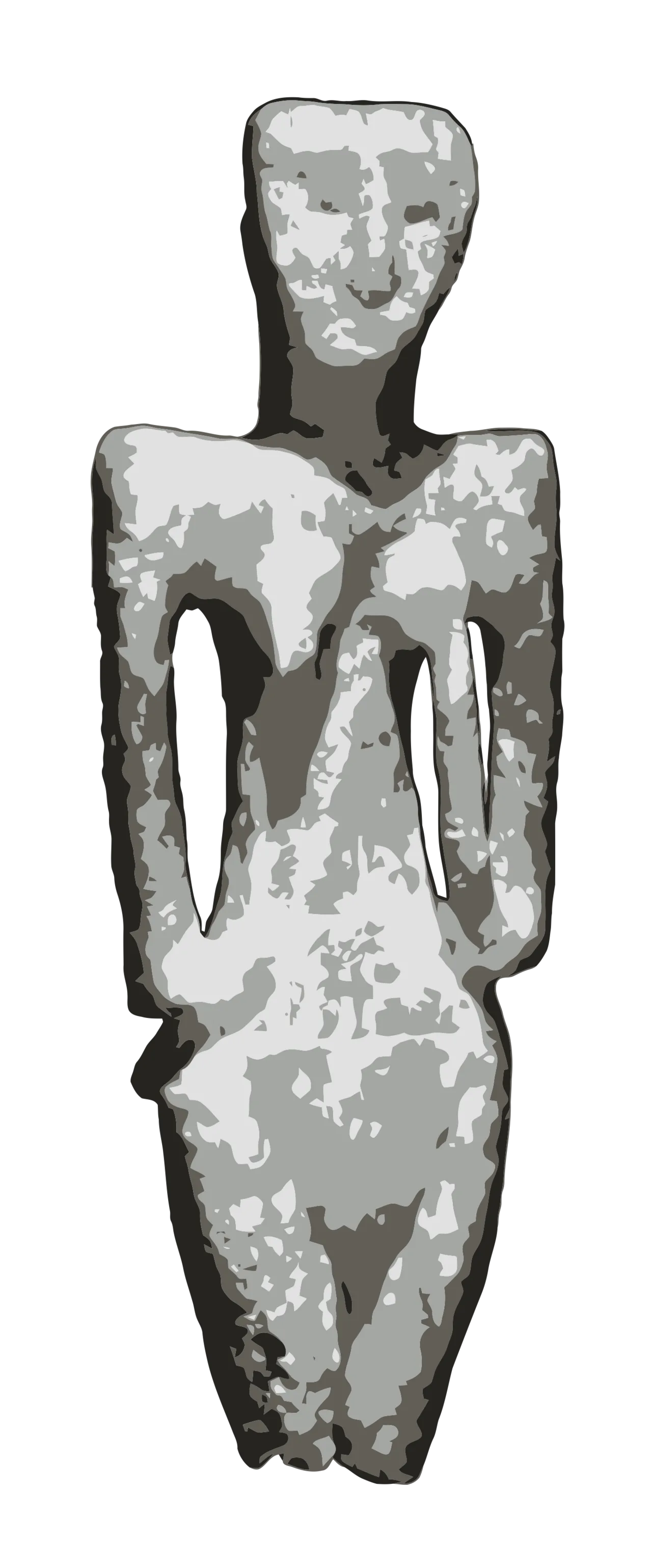
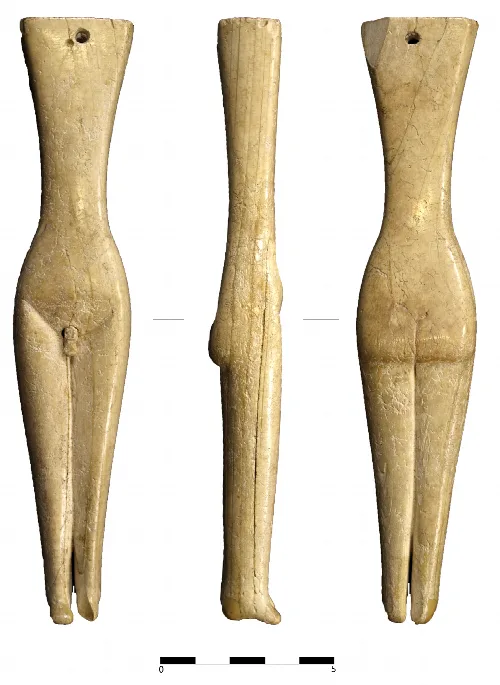
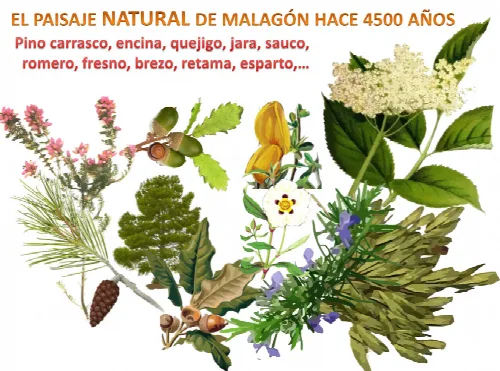
Ivory idol found in El Malagón, Cúllar, now in the Archaeological Museum of Granada.Illustration of plants and trees that made up the natural landscape of El Malagón in Cúllar 4500 years ago.
05Economy
The economy of Cúllar has historically been based on agriculture and mining. While traditional farming continues to play a significant role, recent initiatives have focused on promoting tourism, particularly through cultural events and the establishment of a museum dedicated to the Moros y Cristianos festival.
Museum of Moros y Cristianos Showcases the evolution of the festival with exhibits.
Agricultural products Includes traditional crops like hemp and sugar beet.
Tourism initiatives Promoted through cultural events and local heritage.
06Demographics
Cúllar has a population of 3,978 inhabitants, reflecting a historical decline from its peak in the mid-20th century. The demographic changes have been influenced by urban migration and the aging population, leading to a significant decrease in residents over recent decades.
Current population 3978 (INE 2025)
Historical population trends Significant decline since the mid-20th century.
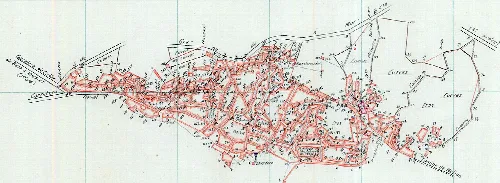
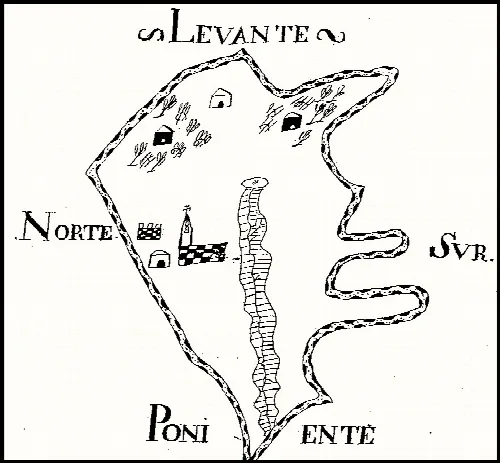
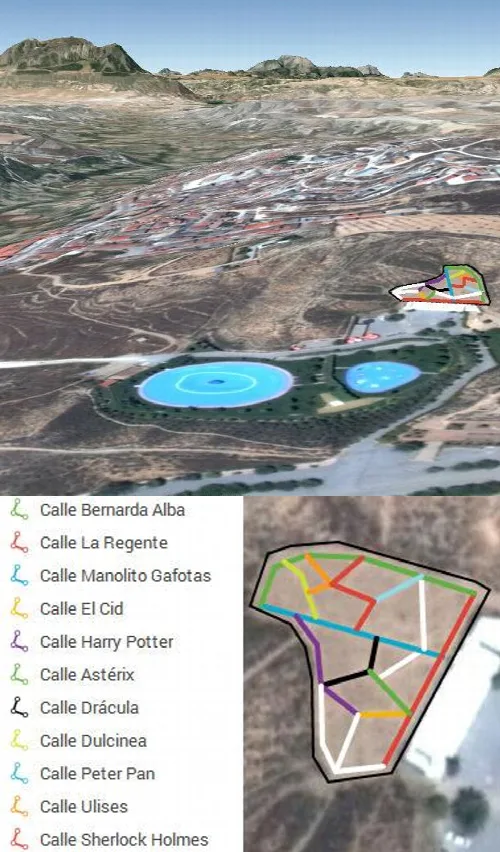
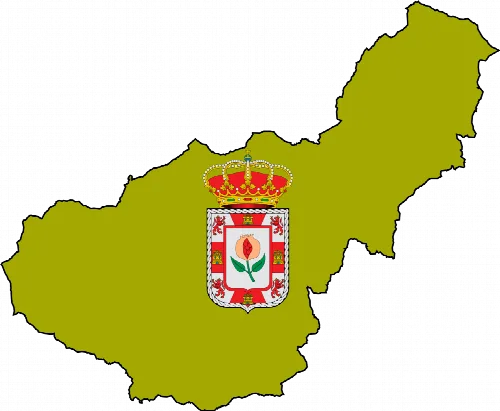
Map of Cúllar in 1931 showing the urban layout before demographic growth between 1930 and 1970.Sketch map of the Cúllar municipal area in 1752, showing boundaries and some buildings.Schematic map and streets of the "Forest of Books" in the Lagos de Quitasueños complex, outside Cúllar.Map of Granada province highlighting Cúllar in green.
Frequently asked questions
What can you tell me about the archaeological site of El Malagón in Cúllar?
El Malagón is an archaeological site in Cúllar dating back to around 2500 BC. It was a fortified mining settlement established for the exploitation of copper and sulfur deposits. The site is significant for its historical role in controlling passage routes and reflects the early agricultural and mining activities of the region.
What is the significance of the ivory idol found in El Malagón?
The ivory idol discovered at El Malagón represents a female figure and is currently housed in the Archaeological Museum of Granada. This artifact highlights the cultural and artistic practices of the ancient inhabitants of the area, reflecting their beliefs and social structures.
Are there any unique festivals in Cúllar that I should know about?
Cúllar hosts a vibrant festival of Moors and Christians each spring, which reenacts historical battles between the two groups. This festival is deeply rooted in local tradition and features music, costumes, and a lively atmosphere, transforming the streets into a historical spectacle.
The landscape around El Malagón is characterized by natural vegetation that dates back to the third millennium BC. It includes a variety of plants such as pines, oaks, and wildflowers, showcasing the area's rich biodiversity and historical ecological significance.
Cúllar has a rich history marked by various significant events, including its mention in 985 when Almanzor rested there during his campaign. The town was also involved in the Reconquista and faced numerous conflicts, including attacks by the Moorish king El Zagal in 1488.
Cúllar's population has fluctuated significantly throughout its history. In 1490, it had a small number of inhabitants, but by the 16th century, it had grown to 778 due to repopulation efforts. The population has continued to evolve, reaching 3,978 residents as of 2025.
The name Cúllar likely derives from Arabic terms meaning 'the summit' or from Latin roots referring to hills and elevated areas. This reflects the town's geographical features and its historical significance as a lookout point, particularly for its now-vanished castle.
What can you tell me about the local cuisine in Cúllar?
Cúllar's cuisine features traditional Andalusian dishes, often incorporating local ingredients. Common offerings include hearty stews, grilled meats, and seasonal vegetables, reflecting the agricultural practices of the region and its rich culinary heritage.
Is there a historical landmark I should visit in Cúllar?
One notable landmark in Cúllar is the site of the former castle, which played a significant role in the town's history. Although the castle no longer exists, its location offers a glimpse into the town's past and the strategic importance it held in historical conflicts.
What types of outdoor activities can I enjoy in Cúllar?
Cúllar offers various outdoor activities, including hiking and exploring the natural landscapes surrounding the area. The rich biodiversity and scenic views make it a great spot for nature enthusiasts and those looking to enjoy the outdoors.
 espana.net