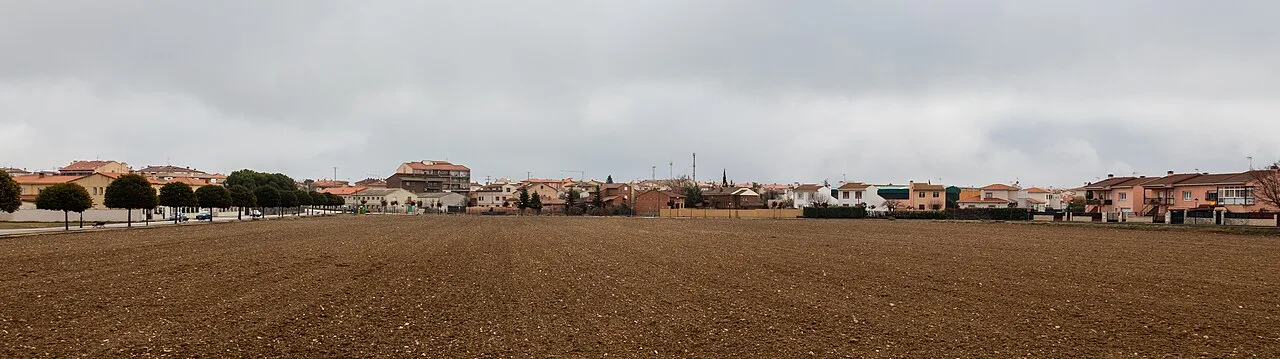
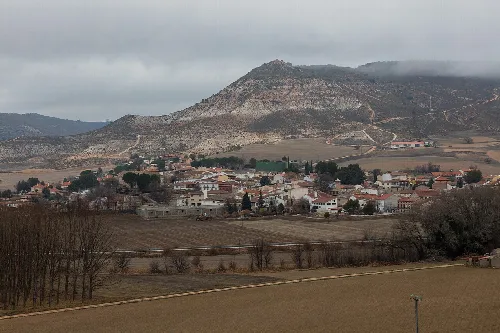
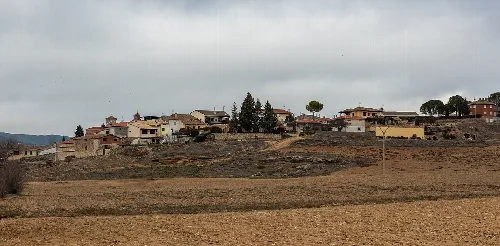
Horche is a municipality located in the province of Guadalajara, within the autonomous community of Castilla–La Mancha. Known for its rich history and picturesque landscapes, it sits at an elevation of 895 meters and is surrounded by the scenic valley of the Ungría River.
02Geography
Horche is situated in the La Alcarria comarca, approximately 12 kilometers from Guadalajara, the provincial capital. The municipality features a varied topography, with elevations ranging from 700 meters in the valley of the Ungría River to 940 meters at La Charola. The area is characterized by a continental Mediterranean climate, marked by dry, cold winters and warm, dry summers.
Climate
Continental Mediterranean
Highest point
La Charola, 940 m
Lowest point
Ungría River valley, 700 m
03History
Horche has a rich historical background, with evidence of human settlement dating back to the Paleolithic era. The name 'Horche' may derive from Latin roots, and the area was known for its agricultural prosperity during the medieval period, particularly after its conquest from the Moors in 1085.
1085 Conquered from the Moors by Alvar Fáñez de Minaya.
1537 Gained independence from Guadalajara, purchasing the privilege of villazgo.
1571 Forty-eight Morisco families settled in Horche.
1710 British troops attacked and destroyed local churches during the War of Succession.
1835 Construction of the cemetery following a cholera epidemic.
Explore Horche, a historic municipality in Guadalajara, Castilla–La Mancha, known for its rich heritage and beautiful landscapes.
04Cultural Heritage
Horche is home to several notable structures, including the Church of the Assumption, which showcases Renaissance and Baroque architectural styles. The Plaza Mayor, a traditional square, serves as the main commercial hub of the town.
Church of the Assumption Renovated in the 16th and 17th centuries, features a neomudéjar wooden ceiling.
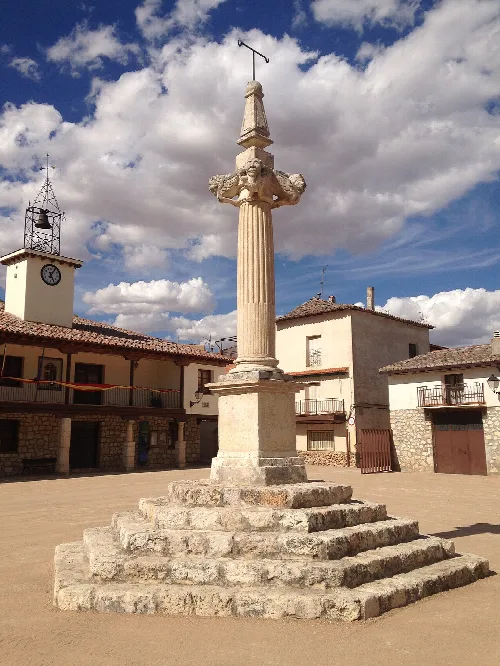
Plaza Mayor Traditional square with a fountain and the town hall.
Ermita de la Virgen de la Soledad Patron saint's shrine, significant for local religious celebrations.
Lavadero Historic laundry facility built in 1578.
Ermita de San Sebastián Oldest building in Horche, dating back to the 12th century.
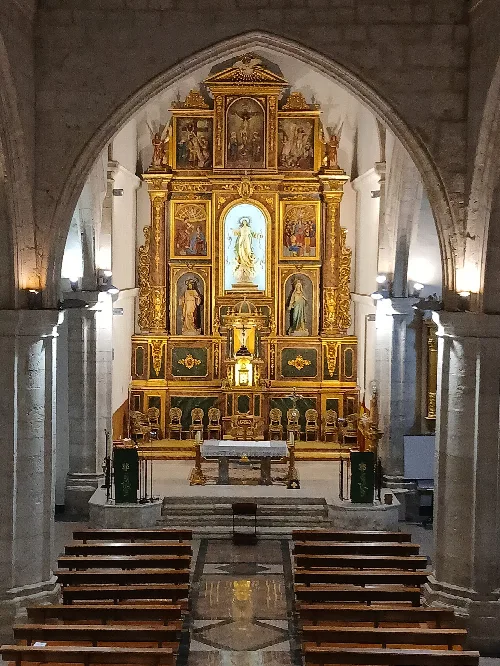
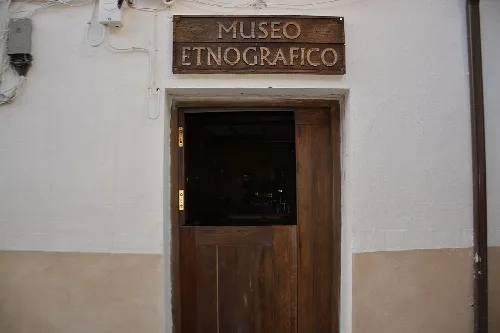
Main altar of the church of Our Lady of Solitude in Horche, with gold details and a central illuminated figure.Entrance door to the Ethnographic Museum of Horche in Guadalajara.
05Economy
Historically, Horche's economy relied heavily on agriculture, particularly the cultivation of wheat, olives, and vines. In recent years, the municipality has diversified its economy, incorporating industry and tourism alongside traditional agricultural practices.
Main agricultural products Wheat, olives, and grapes.
Industries Furniture, construction, and food production.
Tourism Emerging sector, leveraging historical and natural attractions.
Market days Local market held on Sundays.
Annual fair Celebrated between October 10 and 14.
06Demographics
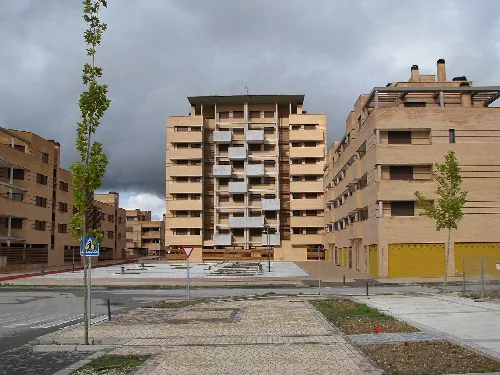
With a population of 3,119, Horche has experienced significant demographic growth, largely due to its status as a commuter town for Guadalajara. This growth reflects broader trends in urban migration within the region.
Growth trend
Intense demographic growth in the last decade.
Residential status
Commuter town for Guadalajara.
07Administration
The local government of Horche is currently led by the Socialist Workers' Party, which has maintained a majority in recent elections. The town's political history includes various notable mayors and a long-standing tradition of civic engagement.
Current mayor Manuel Salvador Ruiz.
Political party Partido Socialista Obrero Español.
Recent election victories Majority in the last seven municipal elections.
Historical mayors Includes notable figures from the 16th century onward.
Municipal services Includes a modernized town hall and various public services.
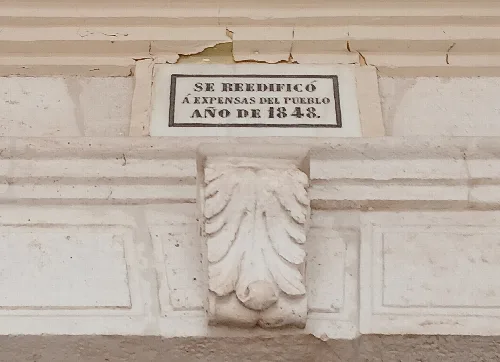
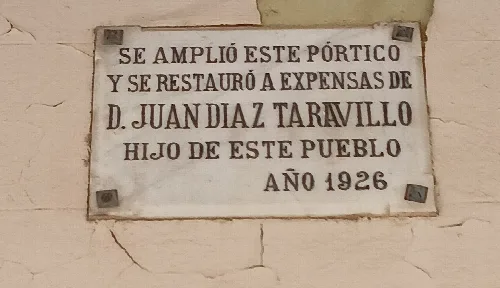
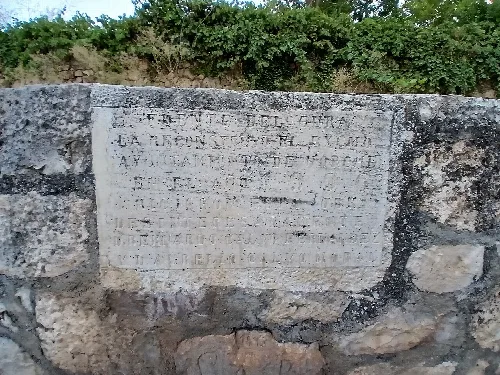
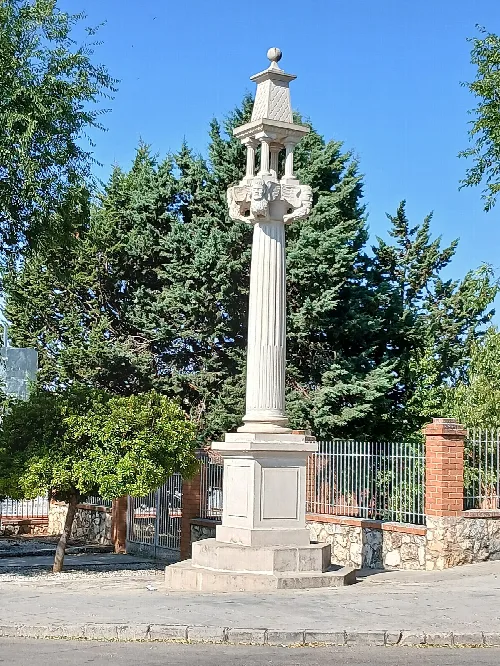
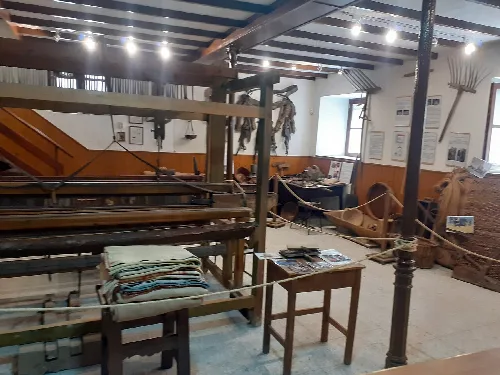
1848 plaque on the church portico in Horche.Plaque on the porch of the Church of the Assumption in Horche, Guadalajara, placed in 1926.Plaque at Fuente del Cura in Horche, with engraved text on stone.Reproduction of the Horche pillory, a stone column with symbols of judicial power and jurisdiction.Detail of the loom at the Ethnographic Museum of Horche, showing traditional weaving tools.
Frequently asked questions
How do I get to Horche from Guadalajara?
To reach Horche from Guadalajara, you can take the N-320 national road, which runs through the municipality. The town is located about 12 km from the provincial capital, making it easily accessible by car or bus. Local roads also connect Horche with nearby towns like Lupiana and Yebes.
What can I see in the church of Nuestra Sra. de la Virgen de la Soledad?
The church of Nuestra Sra. de la Virgen de la Soledad features a stunning altar mayor, which is a highlight for visitors. The altar is richly decorated and reflects the architectural styles of the region. The church itself has historical significance, having undergone various renovations over the centuries.
What is the history behind the Museo Etnográfico de Horche?
The Museo Etnográfico de Horche showcases the local culture and history of the area. It is housed in a building that reflects the traditional architecture of the region. The museum aims to preserve and present the ethnographic heritage of Horche, making it a valuable resource for understanding local customs and traditions.
What is the significance of the plaque in the church's portico?
The plaque located in the portico of the church indicates that it was rebuilt at the expense of the townspeople in the year 1848. This reflects the community's commitment to preserving their religious heritage and highlights the historical importance of the church in Horche.
Horche experiences a Mediterranean continental climate, characterized by dry and cold winters and warm, dry summers. The elevation of 895 meters above sea level contributes to its climate, making it a pleasant place to visit throughout the year.
Horche celebrates various local festivals throughout the year, including traditional events that reflect its cultural heritage. These festivals often involve communal activities, religious processions, and local cuisine, providing a great opportunity to experience the town's traditions.
Historically, Horche's economy has been based on agriculture, particularly the cultivation of wheat, olives, and vines. In recent years, the town has diversified its economy, developing industries such as furniture, construction, and food production, alongside tourism.
What can you tell me about the Plaza Mayor in Horche?
The Plaza Mayor is a traditional square in Horche, featuring typical Castilian architecture. It is surrounded by porticoed buildings and includes a central fountain. This plaza serves as the main public space for social gatherings and commerce, making it a vibrant part of local life.
Horche is considered a good place to live, especially for those looking for a quieter lifestyle while still being close to Guadalajara. The town has seen demographic growth, making it a popular choice for those commuting to the city, and it offers a sense of community and access to local amenities.
What is the historical significance of the castle in Horche?
The castle in Horche, known as Castillo de Mairena, was built for defense after the town was reconquered from the Moors in 1085. It played a crucial role in the area's history, serving as a stronghold for the community during conflicts and contributing to the town's strategic importance.
 espana.net