What is the significance of the Picota de Lupiana?
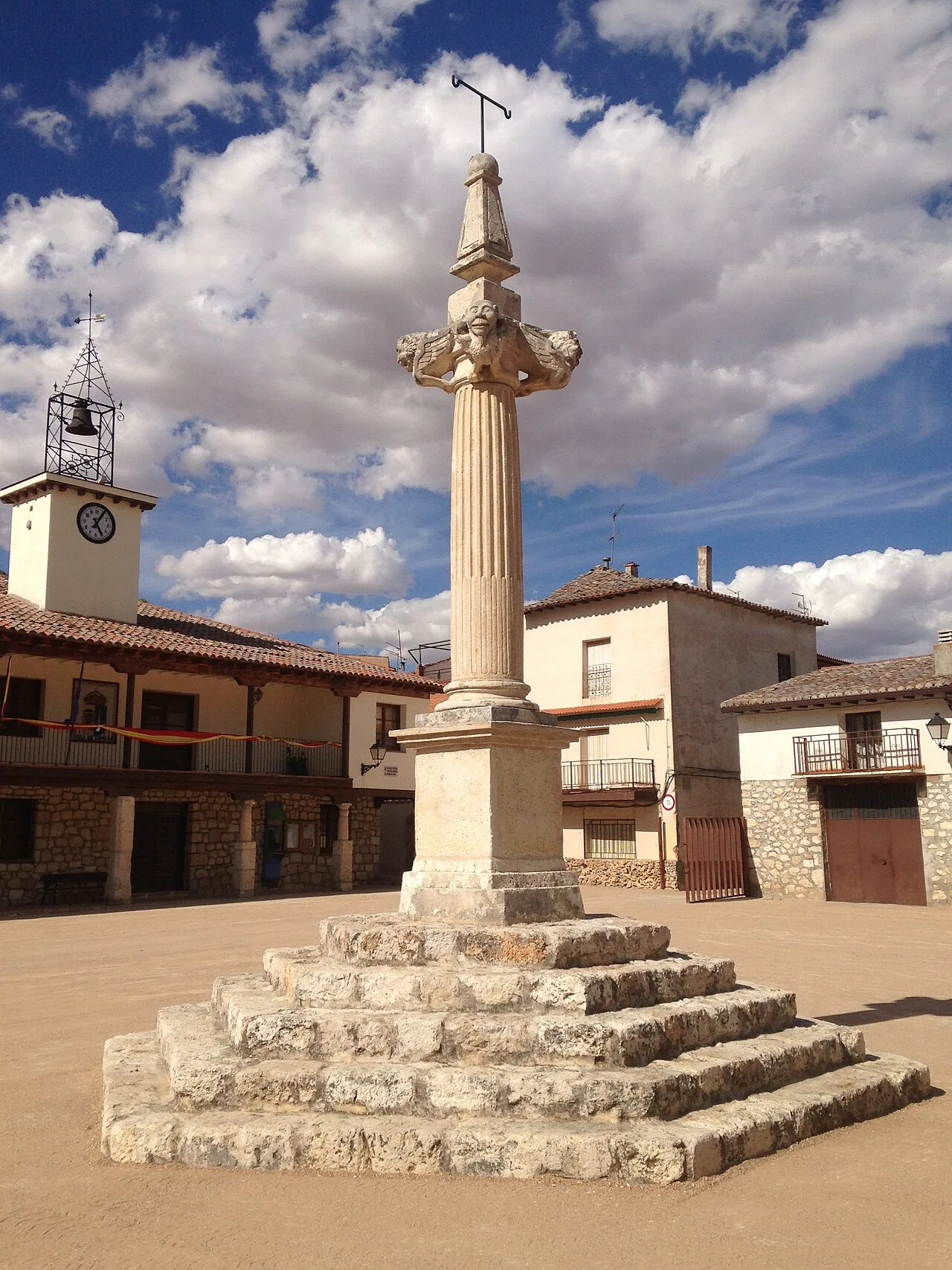
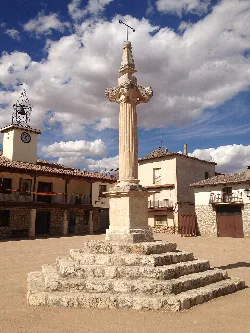
The Picota de Lupiana, located in the Plaza Mayor, is a historical monument erected in the 16th century. It features a poligonal staircase, a pedestal, and a column with a striated shaft topped by a crown of four griffins. This structure symbolizes the jurisdiction and autonomy of Lupiana, reflecting its historical importance as a former village with its own governance.
History
Picota de Lupiana
What can you tell me about the Monasterio de San Bartolomé?
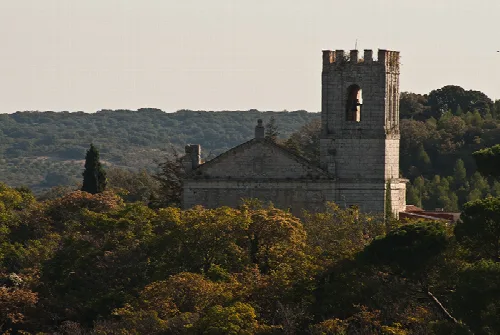
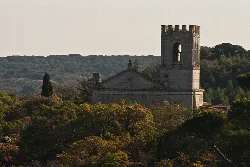
The Monasterio de San Bartolomé, founded in 1330, was built as a monastery starting in 1474. It is a significant cultural site, recognized as a Bien de Interés Cultural since June 3, 1931. The monastery played a crucial role in the development of Lupiana and is associated with the Order of San Jerónimo.
History
Monasterio de San Bartolomé
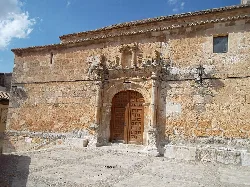
What is the architectural style of the Iglesia de San Pedro Apóstol?
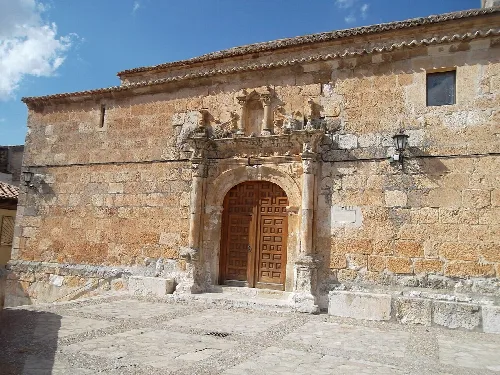
The Iglesia de San Pedro Apóstol, built in the 16th century, showcases a Gothic style transitioning to Renaissance elements. It features a notable plateresque facade and an intricately designed coffered ceiling in the central nave, making it a significant architectural landmark in Lupiana.
Sights
Iglesia de San Pedro Apóstol
How can I reach Lupiana from Guadalajara?
While specific travel details are not provided, Lupiana is located approximately two leagues from Guadalajara. Visitors typically travel by road, and local transport options may be available for reaching this small municipality in Castilla-La Mancha.
Getting there
What festivals are celebrated in Lupiana?
Lupiana celebrates the feast day of San Roque, which commemorates a historical event related to a plague. Additionally, the day of San Gregorio Nacianceno is observed, which was established due to a vine pest issue. These celebrations reflect the community's cultural heritage.
Festivals & events
Is Lupiana a good place to live?
Lupiana, with a population of 344, offers a quiet rural lifestyle. The community is primarily composed of farmers, and the area is characterized by its agricultural activities. However, residents may face challenges due to limited resources and economic opportunities.
Living there
For residents
What is the history behind Lupiana's establishment as a villa?
Lupiana became a villa in 1569 after a long process of seeking independence from the jurisdiction of Guadalajara. This change was facilitated by the Monasterio de San Bartolomé, which sought to establish its own governance, culminating in a royal decree from Felipe II granting the privilege of villazgo.
History
For residents
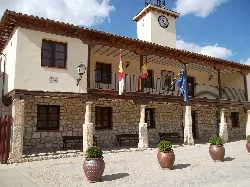
What is the architectural style of the Ayuntamiento in Lupiana?
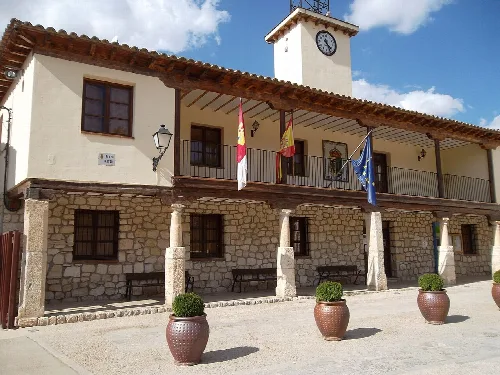
The Ayuntamiento, or town hall, of Lupiana is built in a typical Castilian style and dates back to 1766. Its facade features two levels with a stone lower section and a wooden upper loggia, topped with a bell tower, reflecting the traditional architecture of the region.
Sights
Ayuntamiento
What natural features surround Lupiana?
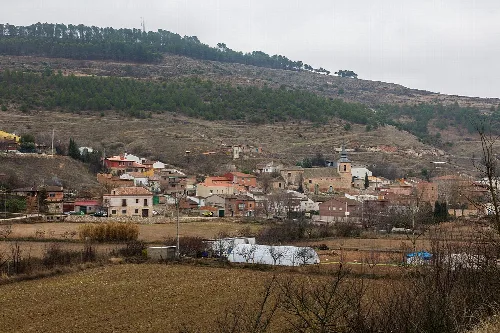
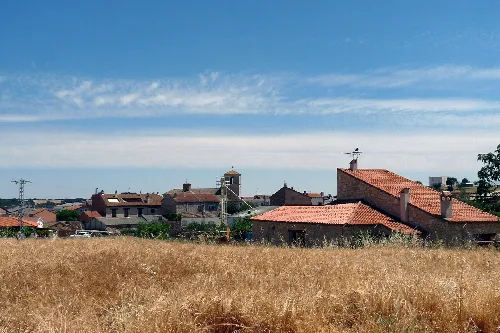
Lupiana is situated in a hilly area, characterized by its proximity to valleys and hills. The region is part of the Alcarria, known for its rugged terrain, which provides a unique landscape for agriculture and local wildlife, including game such as partridges and rabbits.
Nature
What local products are available in Lupiana?
Lupiana's economy is primarily based on agriculture, with local products including wheat, barley, and various vegetables. The area is also known for its olive oil production and has a small number of gypsum mines, which contribute to the local economy.
Food & drink
For residents
 espana.net