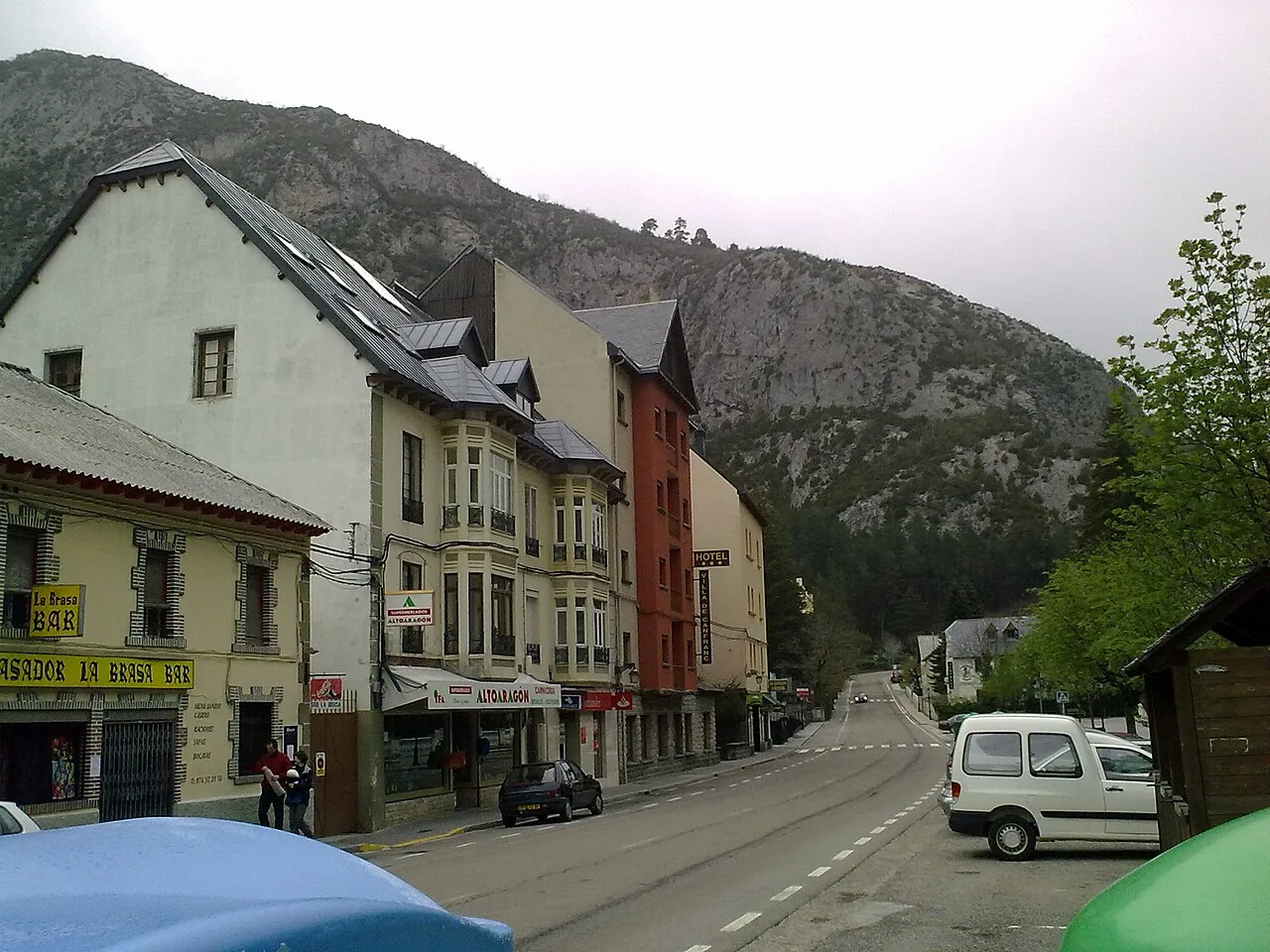
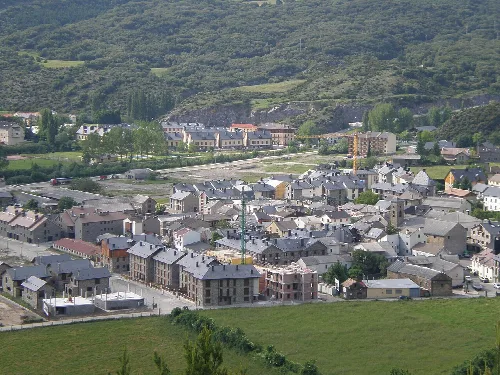
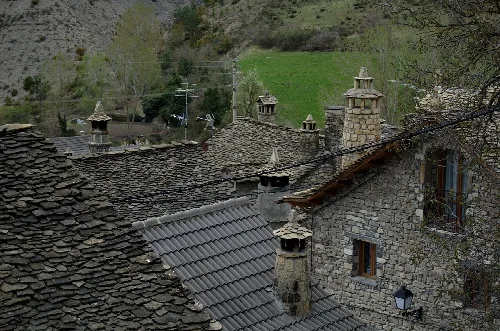
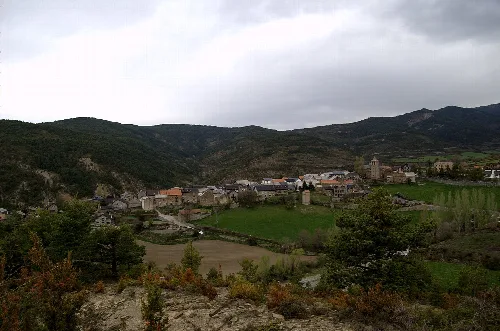
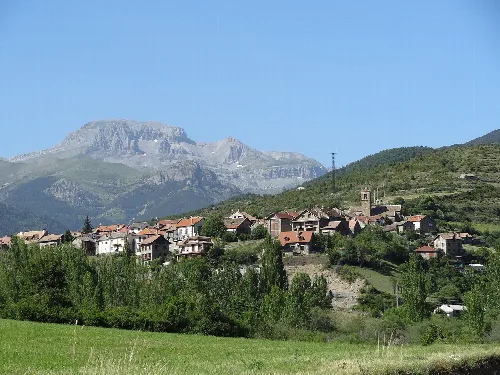
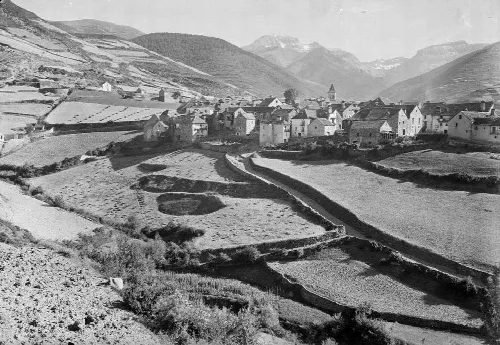
Canfranc is a municipality located in the Huesca province of Aragon, Spain, characterized by its stunning Pyrenean landscape and rich historical significance. Nestled in the Jacetania comarca, it is known for its strategic location along ancient trade routes and its former international railway station, which played a crucial role during various historical periods.
02Geography
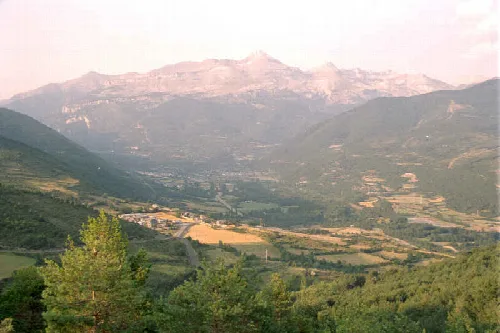
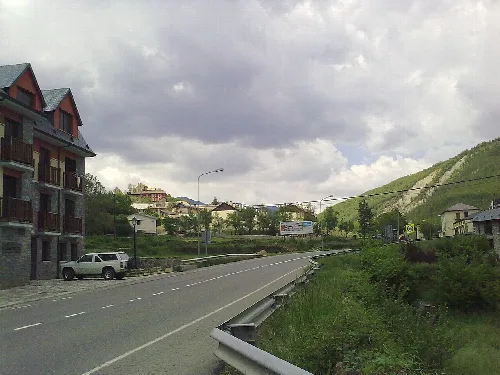
Canfranc is situated in the Jacetania comarca, approximately 88 kilometers from the provincial capital. The municipality is traversed by the N-330 road, which leads to the French border via the Somport tunnel. The area is defined by the valley of the Aragón River and surrounded by high Pyrenean peaks, including Peña Collarada, Anayet, and Aneu. The elevation varies from 1,040 meters in Canfranc to 1,190 meters in Canfranc-Estación.
Climate
Mountain climate with average annual temperature of 8.7 °C and annual precipitation of 1900 mm.
Natural features
Valleys of Ip, Izas, and Canal Roya.
Winter sports stations
Nearby stations include Candanchú and Astún.
Elevation range
From 1,040 m in Canfranc to 2,883 m at Peña Collarada.
03History
The history of Canfranc dates back to prehistoric times, with megalithic structures found in the area. The valley has served as a vital communication route since ancient times, utilized by various peoples including the Romans. Canfranc developed as a settlement along the Camino de Santiago, becoming an important commercial hub in the early medieval period.
Prehistoric structures Megalithic complex at Rinconada de la Canal Roya, dating around 3000 BC.
Roman road Connected Caesaraugusta and Beneharnum, used during barbarian invasions.
First mention of Canfranc Documented during the reign of Ramiro I, around 1030-1040.
Foundation of Canfranc Officially consecrated around 1080 by Sancho Ramírez.
Paz de Canfranc Signed in October 1288, ending conflict between Aragón and Naples.
Canfranc is a Pyrenean municipality in Huesca, Aragon, known for its rich history and stunning landscapes.
04Economy and Daily Life
Historically, Canfranc's economy relied on trade and agriculture, with its strategic location facilitating commerce between Aragón and the Béarn region. The town served as a resting point for pilgrims and travelers along the Camino de Santiago, providing essential services such as lodging and markets.
Main agricultural products Wheat, oats, and potatoes.
Historical industries Mining and marble extraction in the 18th century.
Population in the 19th century Approximately 200 inhabitants.
Significant events The establishment of the international railway station in 1928 revitalized the local economy.
Cultural influences Presence of French and Gascon communities due to trade.
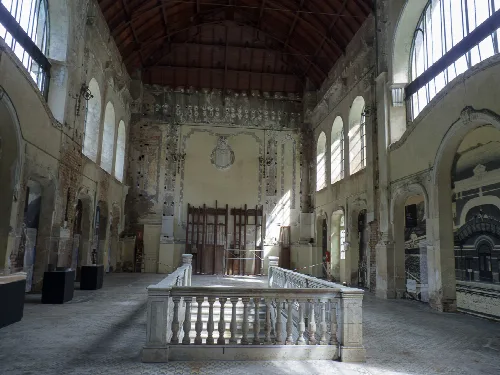
Central hall of Canfranc international station with worn walls and tall windows letting in natural light.View of the Aragón river valley with Collarada in Villanúa in Huesca province
05Cultural Heritage
Canfranc is home to several historical monuments and structures that reflect its rich cultural heritage. The remnants of the Castle of Canfranc, the 12th-century Church of the Assumption, and various bridges highlight the town's medieval past and its significance as a border settlement.
Castle of Canfranc Originated from a medieval tower, expanded in the 16th century.
Church of the Assumption 12th-century church with Baroque altarpieces.
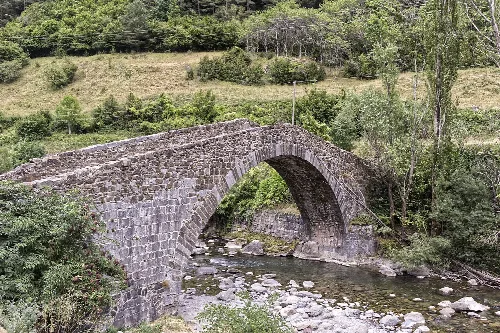
Bridges Including the 12th-century Puente de los Peregrinos.
Convent of the Trinity Founded in the 16th century for the care of the poor.
Historical buildings Various remnants from the medieval period still visible.
06Modern Developments
In the 20th century, Canfranc's significance grew with the construction of the international railway station, which became a vital link between Spain and France. Despite its decline after the Spanish Civil War and World War II, the station remains a symbol of the town's historical importance.
International railway station Opened in 1928, it was one of the largest in Europe.
Closure of the railway Traffic ceased in 1970 due to political tensions.
Current status Efforts to restore and revitalize the station are ongoing.
Cultural events Canfranc hosts various festivals celebrating its heritage.
Tourism potential The scenic landscape and historical sites attract visitors.
07Natural Environment
The natural environment of Canfranc is characterized by its mountainous terrain and diverse ecosystems. The area is popular for outdoor activities such as hiking, skiing, and nature observation, with several protected areas nearby.
Protected areas Includes natural parks and reserves in the Pyrenees.
Flora and fauna Rich biodiversity with various endemic species.
Outdoor activities Hiking, skiing, and mountain biking.
Scenic views Panoramic vistas of the Pyrenees.
Climate conditions Mountain climate with cold winters and mild summers.
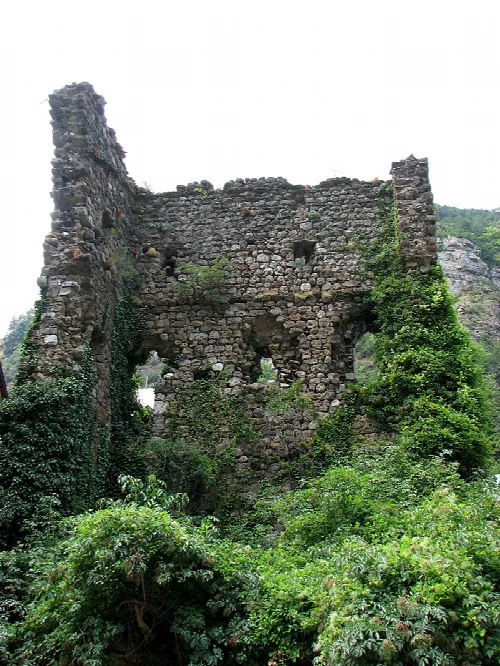
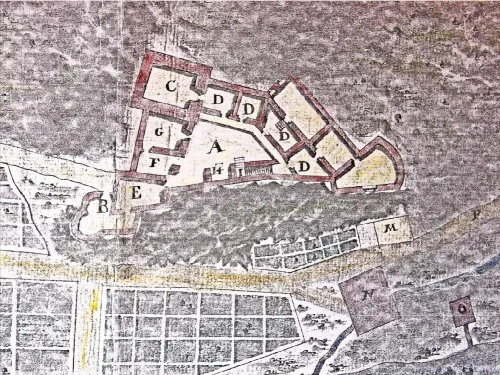
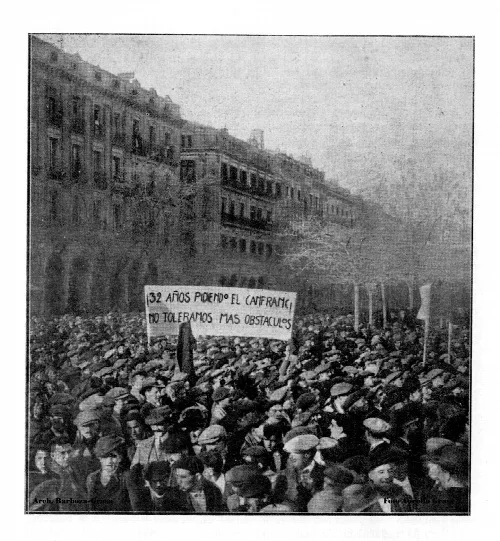
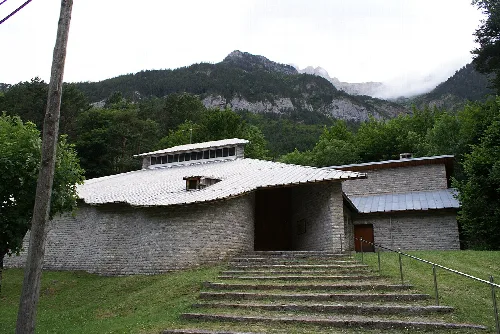
Remains of the 14th-century Torre de Aznar Palacín by the Aragón River in Canfranc.Pilgrims' Bridge in Canfranc, a stone bridge over a river surrounded by greenery.Sketch of Spanocchi's work at Canfranc Castle, showing the layout of structures.Massive demonstration in Zaragoza in 1914 demanding an end to delays in the Canfranc works.The parish church of Our Lady of the Pillar in Canfranc-Estación, with green mountains and clouds in the background.
Frequently asked questions
What can you tell me about the Canfranc International Railway Station?
Canfranc International Railway Station, located in Canfranc, was inaugurated on July 18, 1928. It was once a vital transcontinental railway link between Spain and France. The station features impressive architecture but has been largely abandoned since the closure of the line in 1970. Restoration efforts are ongoing to revive this historic landmark, which showcases the grandeur of early 20th-century railway design.
What is the significance of the Torre de Aznar Palacín?
The Torre de Aznar Palacín, dating back to the 14th century, is an important historical monument in Canfranc. It serves as a reminder of the region's medieval past and its strategic military significance. The tower is located near the river Aragón and is part of a series of fortifications built to protect the valley and its inhabitants from invasions.
What outdoor activities are available in Canfranc?
Canfranc offers a variety of outdoor activities, especially for nature enthusiasts and adventure seekers. The surrounding Pyrenees mountains provide opportunities for hiking, skiing, and mountain biking. The valley of the río Aragón and nearby peaks like Peña Collarada are ideal for exploring the stunning landscapes and enjoying the natural beauty of the region.
How has Canfranc's history influenced its culture?
Canfranc's history as a border town has significantly shaped its culture. The influx of traders and pilgrims along the Camino de Santiago led to a diverse community, blending influences from Spain and France. This cultural exchange is reflected in local traditions, architecture, and cuisine, making Canfranc a unique place with a rich heritage.
When visiting Canfranc, you should try local dishes that reflect the region's culinary heritage. Traditional Aragonese cuisine features hearty meals, including dishes like 'ternasco' (roast lamb), 'migas' (fried breadcrumbs), and various stews. Don't miss the opportunity to sample local cheeses and wines, which are also integral to the area's food culture.
Canfranc has a mountain climate characterized by cold winters and mild summers. Temperatures often drop below 0 °C for much of the year, with a risk of frost persisting into spring. The area receives an average annual precipitation of 1900 mm, making it essential to prepare for varying weather conditions when visiting or living here.
Canfranc is accessible via the N-330 road, which connects to the French border through the Somport tunnel. While public transport options may be limited, driving offers the most flexibility for exploring the area. The scenic journey through the Pyrenees enhances the experience of arriving in this picturesque mountain town.
Canfranc hosts various annual events that celebrate its culture and heritage. One notable event is the pilgrimage along the Camino de Santiago, which draws visitors and pilgrims alike. Additionally, local festivals often feature traditional music, dance, and food, showcasing the vibrant community spirit of Canfranc.
In Canfranc, you should visit several historical sites, including the Canfranc International Railway Station and the Torre de Aznar Palacín. The remnants of the Castle of Canfranc also provide insight into the town's medieval past. Exploring these sites will give you a deeper understanding of Canfranc's rich history and significance as a border town.
Living in Canfranc offers a unique experience characterized by a close-knit community and stunning natural surroundings. The population is small, with about 633 residents, which fosters a sense of belonging. However, the mountain climate and limited amenities may require adaptation for newcomers. The town's rich history and outdoor activities make it an attractive place for those who enjoy nature and tranquility.
 espana.net