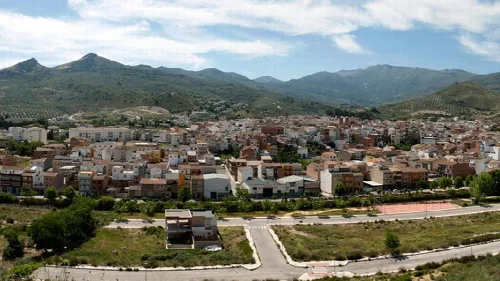
What is the history behind the Peña de Martos?
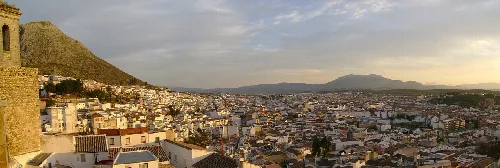
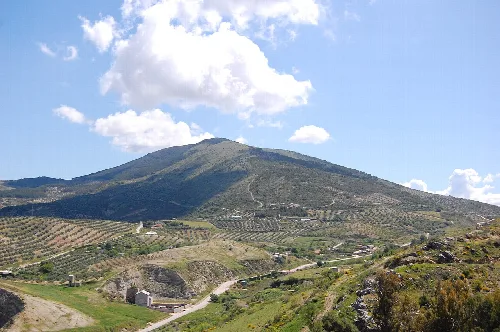
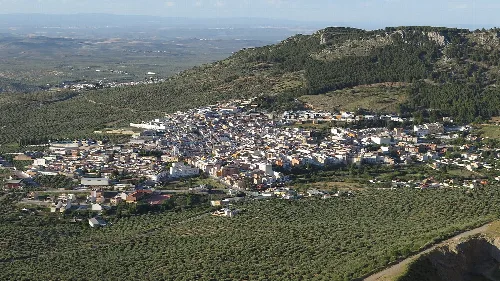
The Peña de Martos has been a significant site since prehistoric times, serving as a natural fortress for early settlers. Its strategic location and natural water sources made it an ideal settlement. Over the centuries, various civilizations fortified it, leading to the construction of a castle that still dominates the area today.
History
Peña de Martos
What are the main festivals celebrated in Martos?
Martos hosts several popular festivals, including the Feria de San Bartolomé, held in the last week of August, and Semana Santa, recognized as a National Tourist Interest Festival in Andalucía. Other notable events include the Romería de la Virgen de la Victoria and the Fiesta de la Aceituna, marking the start of the olive harvest.
Festivals & events
What is the significance of Martos in olive oil production?
Martos is often referred to as the 'Cuna del olivar' due to its exceptional quality and quantity of olive oil production. It is considered the world's leading producer of olive oil and is known for its unique variety of olive, the marteña, which contributes to its agricultural prominence.
Food & drink

How can I get free Wi-Fi in Martos?
Martos offers a municipal wireless network known as Martos WIFI, providing free internet access in designated areas of the town. Look for signs indicating the zones where this service is available to stay connected while exploring the city.
Practical
What can you tell me about the climate in Martos?
Martos has a Mediterranean climate characterized by hot, dry summers and mild, wet winters. Summer temperatures can exceed 40 °C, while winter temperatures may drop near 0 °C. Most rainfall occurs between October and May, with little to no precipitation during the summer months.
Nature
What are the main economic activities in Martos?
Martos's economy is primarily based on agriculture and industry, particularly in the automotive sector. The town has several factories and industries that provide employment and contribute to local wealth. Additionally, mining activities for diatomite and tripoli also play a role in its economy.
Living there
For residents
What is the architectural style of the historical buildings in Martos?
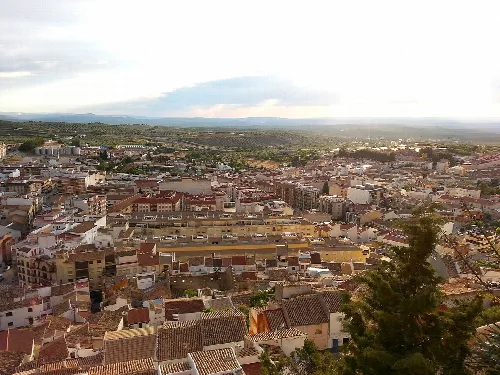
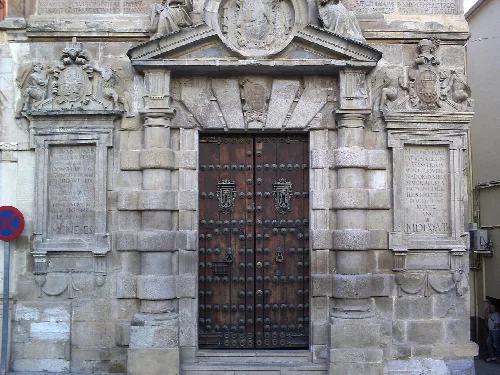
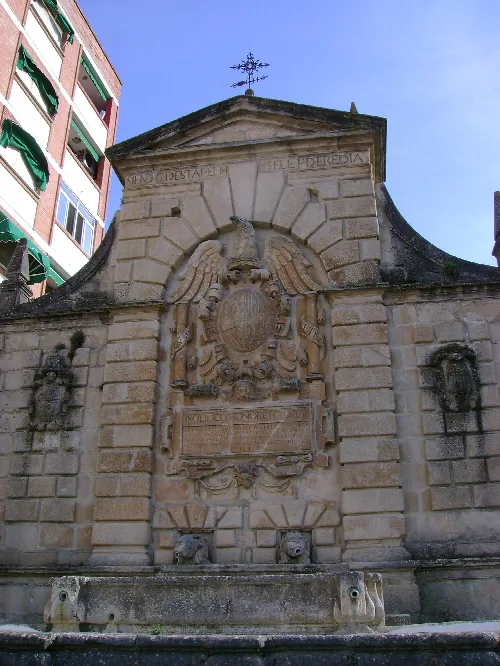
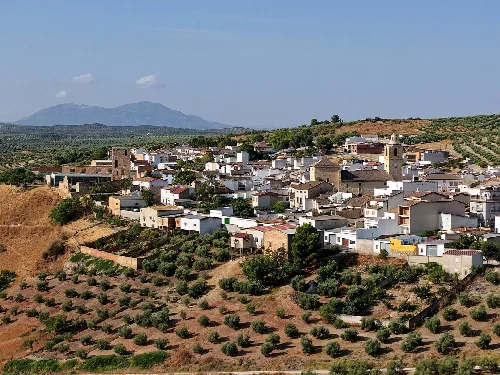
Martos features a mix of architectural styles, reflecting its historical evolution. The town's older structures, particularly in the historic center, exhibit narrow, winding streets typical of medieval design, while more recent developments showcase eclectic historicist styles and modernist influences.
Sights
What wildlife can I expect to see around Martos?
The area around Martos is rich in biodiversity. You might encounter various mammals like wild boars and mountain goats, as well as numerous bird species, including eagles and owls. The local rivers and natural habitats support a variety of flora and fauna, making it a great spot for nature enthusiasts.
Nature
How did Martos develop during the 20th century?
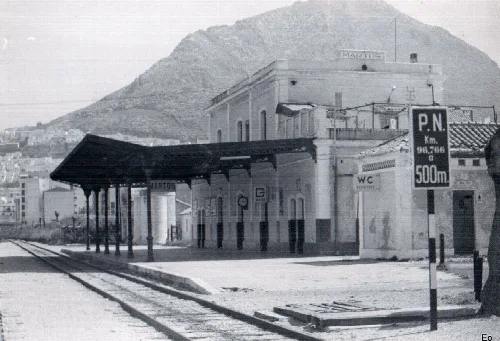
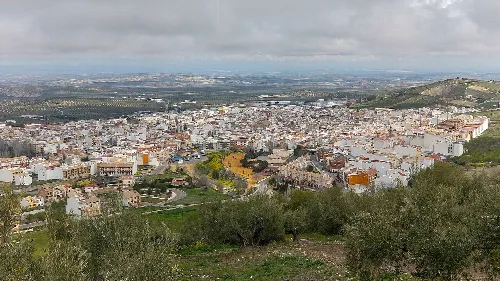
The 20th century saw significant demographic and urban development in Martos, largely due to the olive oil industry and the arrival of the railway in the 1890s. This period led to the emergence of a new bourgeoisie and the construction of modern infrastructure, shaping the town's contemporary layout.
History
For residents
What are the main features of the Martos historic center?
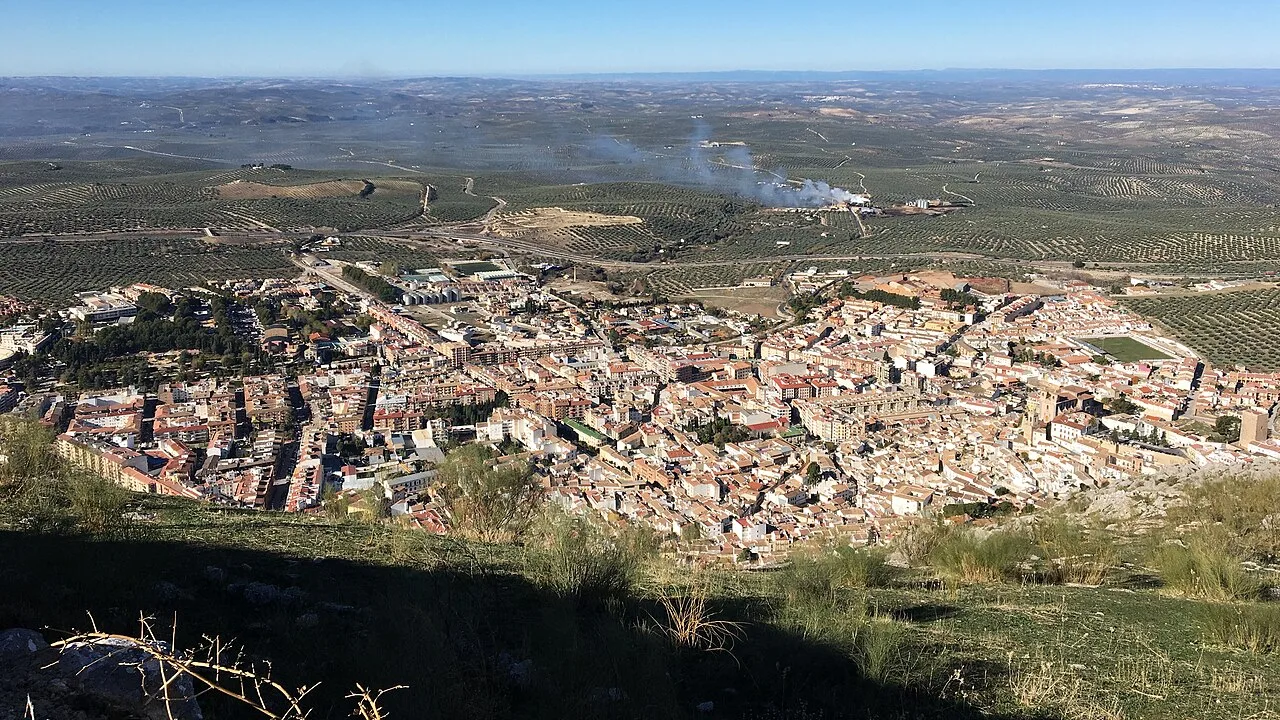
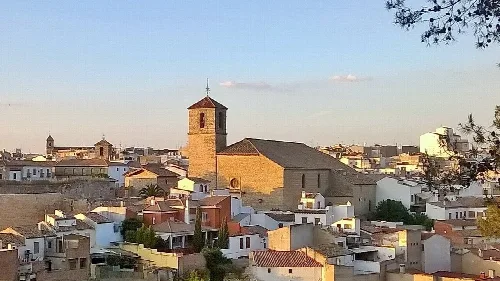
The historic center of Martos is characterized by its narrow, steep streets and is designated as a cultural heritage site. It features significant landmarks, including the Peña and various historical buildings that reflect the town's rich past, making it a fascinating area to explore.
Sights
 espana.net